

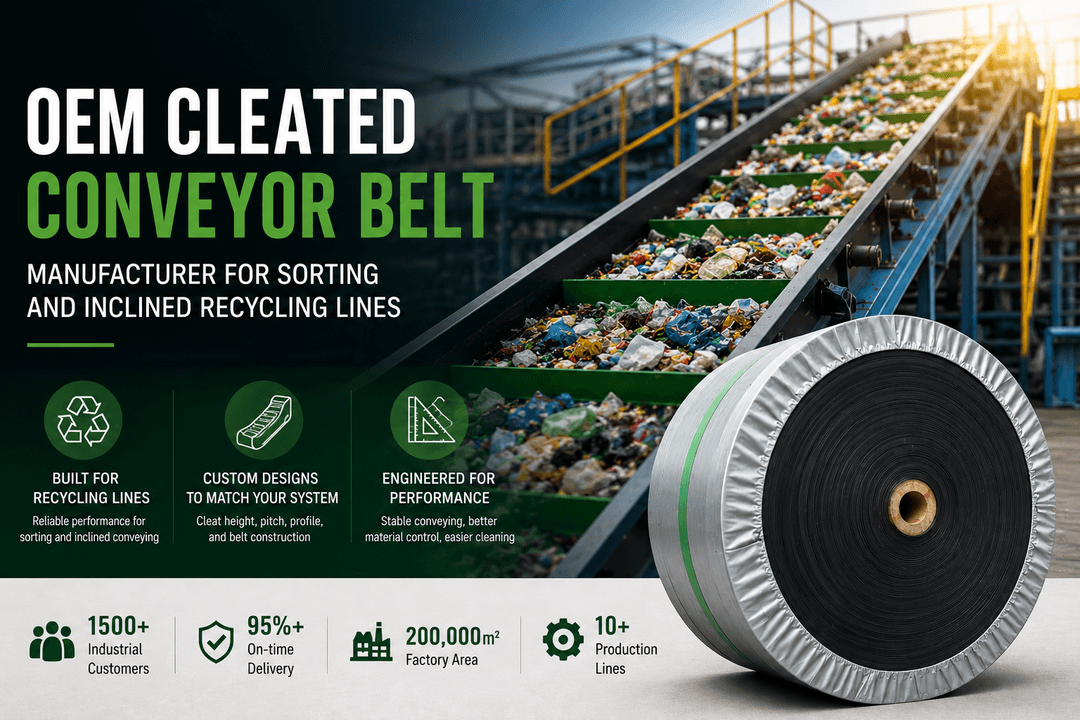
OEM Cleated Conveyor Belt Manufacturer for Sorting and Inclined Recycling Lines
For recycling equipment OEMs and system builders, a cleated conveyor belt must match more than belt width and incline. This guide explains how material behavior, cleat height and pitch, PVC versus rubber construction, pulley diameter, return clearance, splicing and drawing control affect a custom belt project. It also covers supplier qualification, sample and first-batch verification, RFQ preparation and the technical information buyers should provide before ordering cleated belts for sorting and inclined recycling conveyor lines.
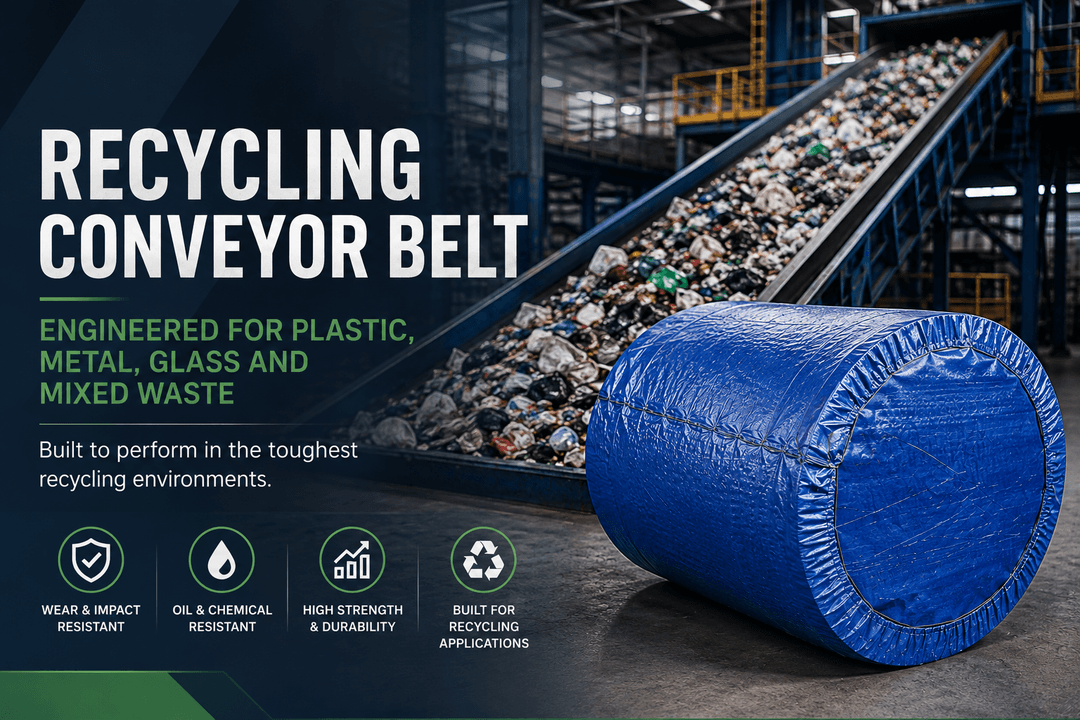
Recycling Conveyor Belt Manufacturer for Plastic, Metal, Glass and Mixed Waste
Recycling conveyor belts face highly variable loads, from plastic and packaging waste to sharp metal scrap, broken glass and oily mixed material. This guide helps recycling plant buyers evaluate a conveyor belt manufacturer based on application review, belt specification, manufacturing capability, quality control, documentation and commercial terms. It also explains what information to include in an RFQ, how to distinguish abrasion from cutting, impact and oil exposure, and what to verify before placing a bulk order.
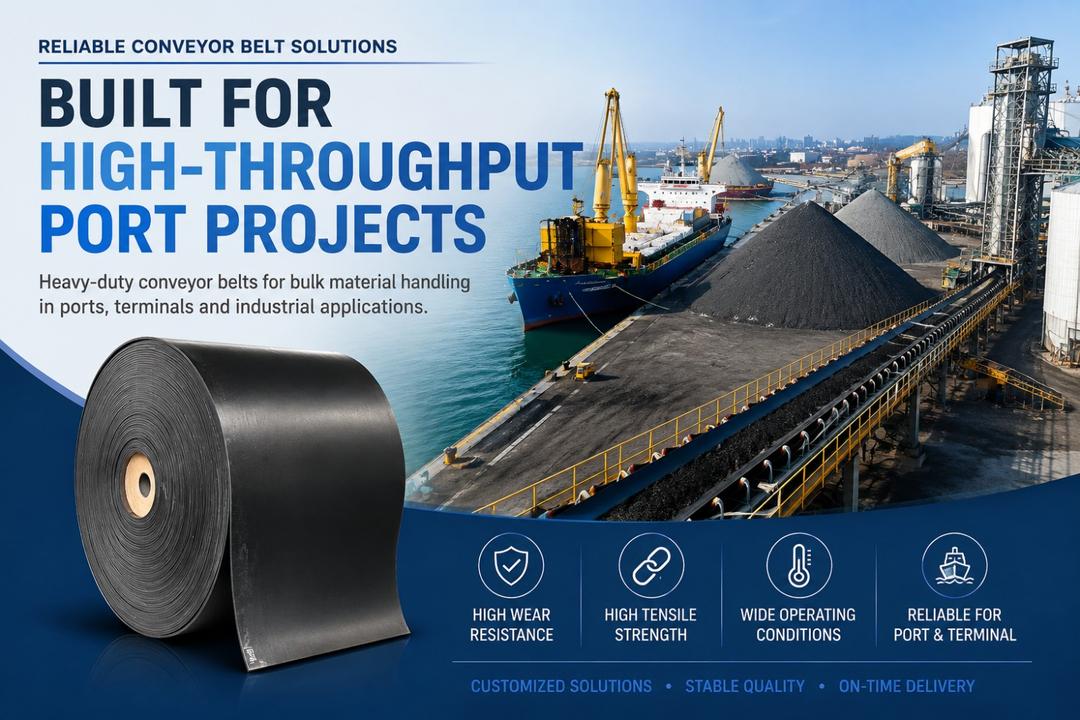
Bulk Material Handling Conveyor Belt Manufacturer for High-Throughput Port Projects
High-throughput port conveyor belt procurement requires more than comparing belt dimensions and unit prices. This guide helps EPC contractors, terminal operators, and procurement teams evaluate a bulk material handling conveyor belt manufacturer through RFQ quality, production capability, technical submittals, testing documentation, quality control, packaging, customization, and delivery planning. It also explains what project data buyers should provide, how to normalize supplier quotations, and what evidence to verify before approving a manufacturer for a major terminal project.
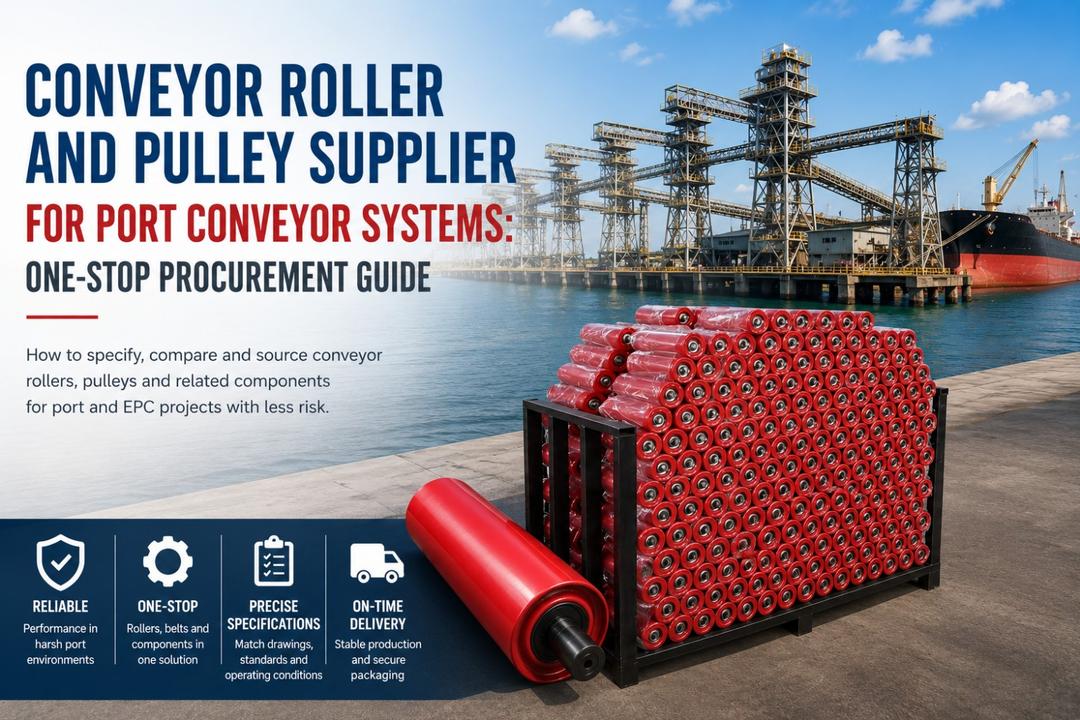
Conveyor Roller and Pulley Supplier for Port Conveyor Systems: One-Stop Procurement Guide
Port and EPC conveyor procurement involves more than comparing roller and pulley prices. Component interfaces, drawings, BOM revisions, operating conditions, inspection documents and packaging all affect project risk. This guide explains how procurement teams can specify conveyor rollers and pulleys, prepare a technically controlled RFQ, compare supplier quotations and evaluate one-stop sourcing. It also provides practical supplier qualification criteria and an RFQ checklist for port and bulk material handling conveyor projects.
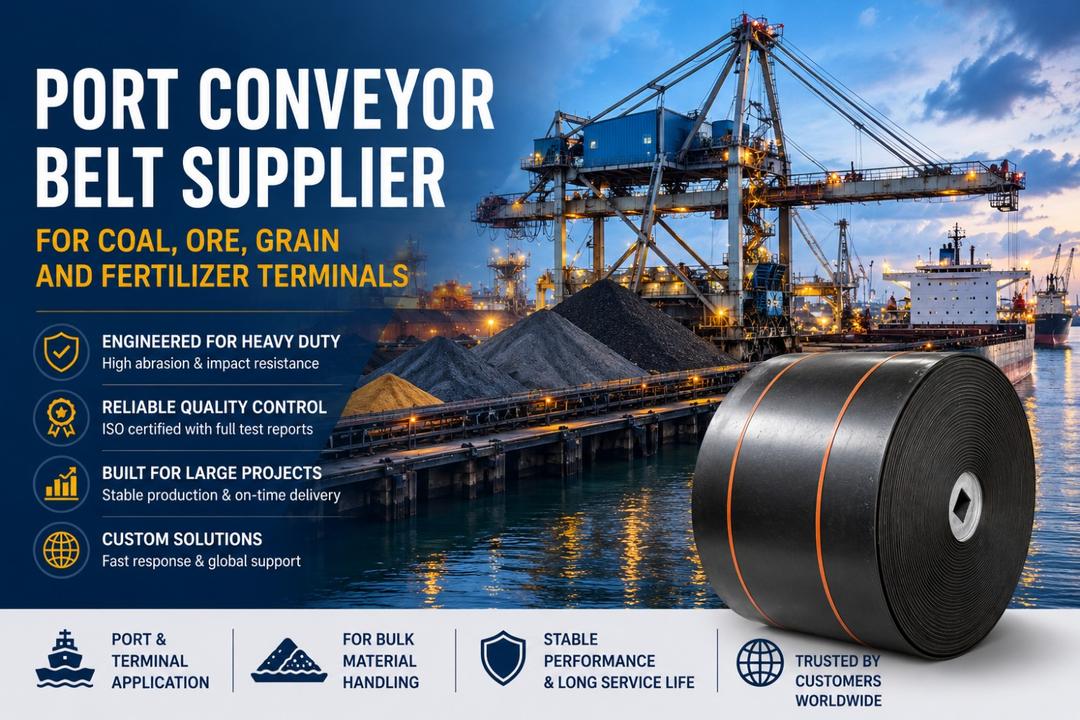
Port Conveyor Belt Supplier for Coal, Ore, Grain and Fertilizer Terminals
Port conveyor belt procurement requires more than comparing belt dimensions and price per meter. Coal, ore, grain and fertilizer terminals create different abrasion, impact, moisture, contamination and operating risks. This guide helps port operators, EPC contractors and procurement teams prepare a stronger RFQ, compare EP and steel cord options, verify manufacturing and quality-control capability, review test documentation, plan bulk orders and evaluate suppliers on an equivalent technical basis before commercial approval.
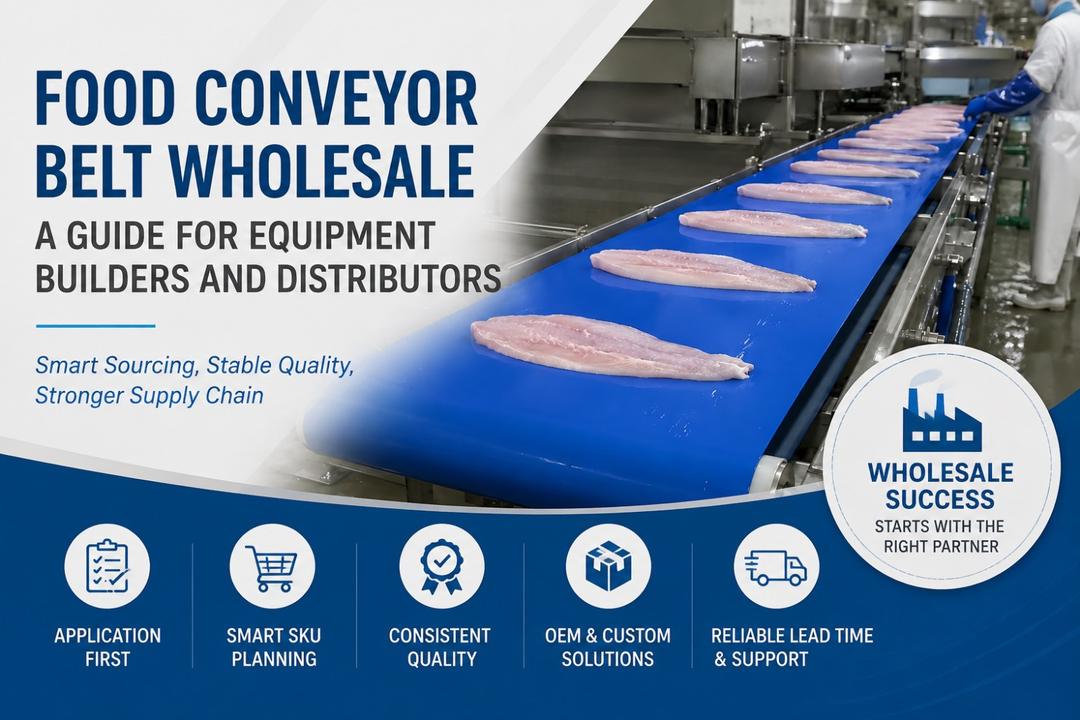
Food Conveyor Belt Wholesale Guide for Equipment Builders and Distributors
Food conveyor belt wholesale sourcing involves more than comparing price per meter. Distributors and equipment builders need to consider application conditions, food-contact requirements, SKU planning, MOQ, samples, OEM customization, packaging, lead time, quality verification, and repeat-order consistency. This guide explains how to structure a practical wholesale range, reduce inventory and specification risks, compare supplier quotations on the same basis, and prepare the technical and commercial information needed for a more accurate food conveyor belt RFQ.
Explore more
We are committed to providing you with better products and services. Welcome to browse more content for details