

Engineered belt solutions for demanding industries worldwide

Blog

Blog

Home/Blog
Recent Posts
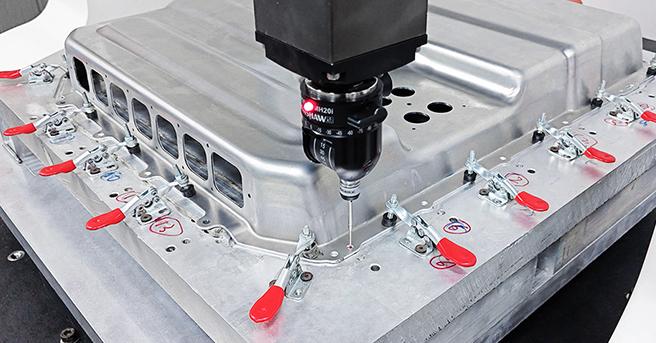
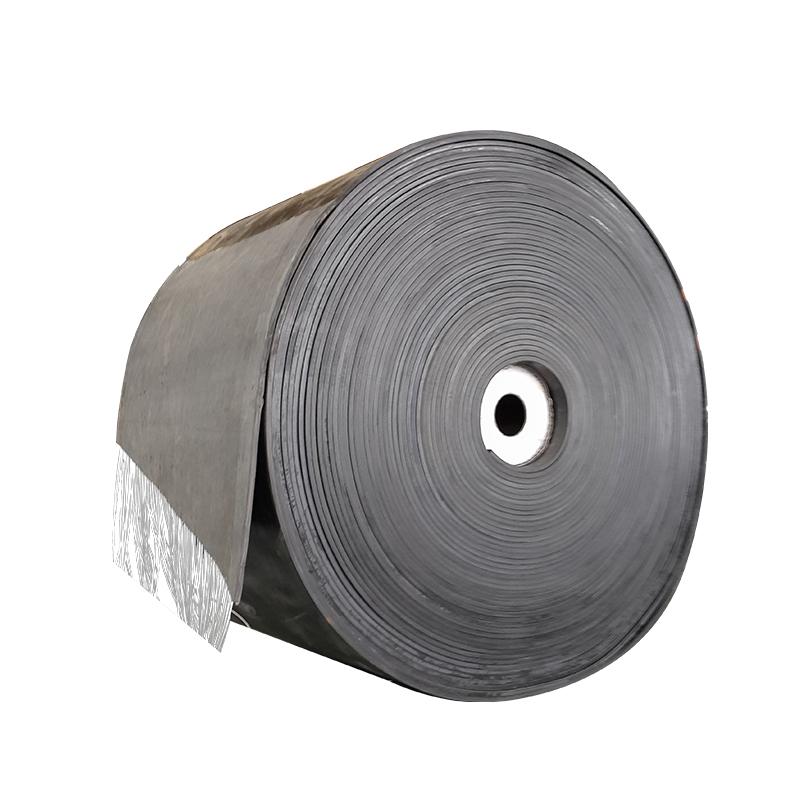
Steel Cord Conveyor Belt: What Buyers Should Know Before Specifying One

Steel Cord Conveyor Belt: What Buyers Should Know Before Specifying One

A steel cord conveyor belt should be selected by conveyor length, ST rating, cover grade, pulley diameter, splice design, and loading conditions. This article explains when high strength steel cord conveyor belt construction fits mining and long distance conveyor systems, and what buyers should confirm before ordering.
Banded V Belt for Crusher Drive and Heavy Duty Machinery

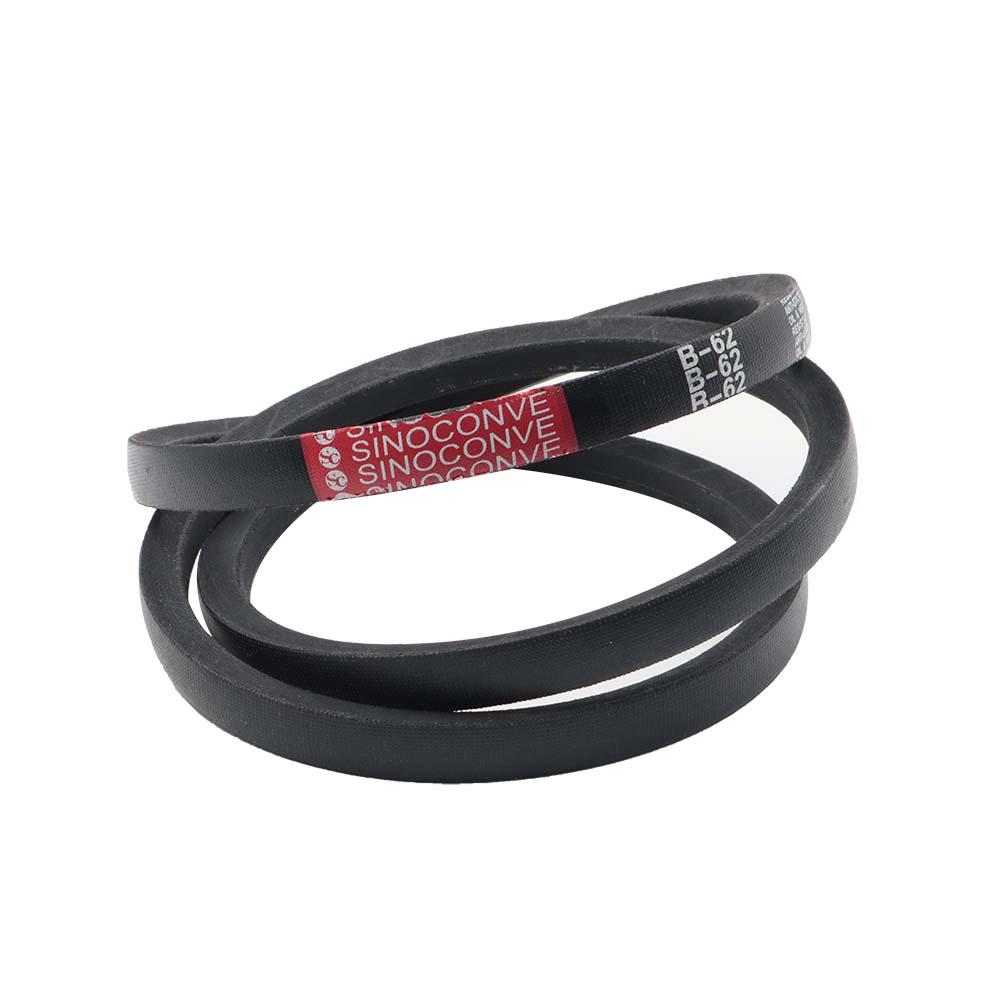
Banded V Belt for Crusher Drive and Heavy Duty Machinery

1. When a Band of Belts Becomes the Difference Between Uptime and Downtime 2. A field example: why grouped belts are often selected 3. What the buyer is really deciding 4. Why banded construction is attractive in rough service 5. Selection advice for engineers and procurement teams 6. Common mistakes that cost time later 7. Quick takeaway for buyers 8. FAQ
Rubber V Belt Guide for Industrial and Agricultural Drives

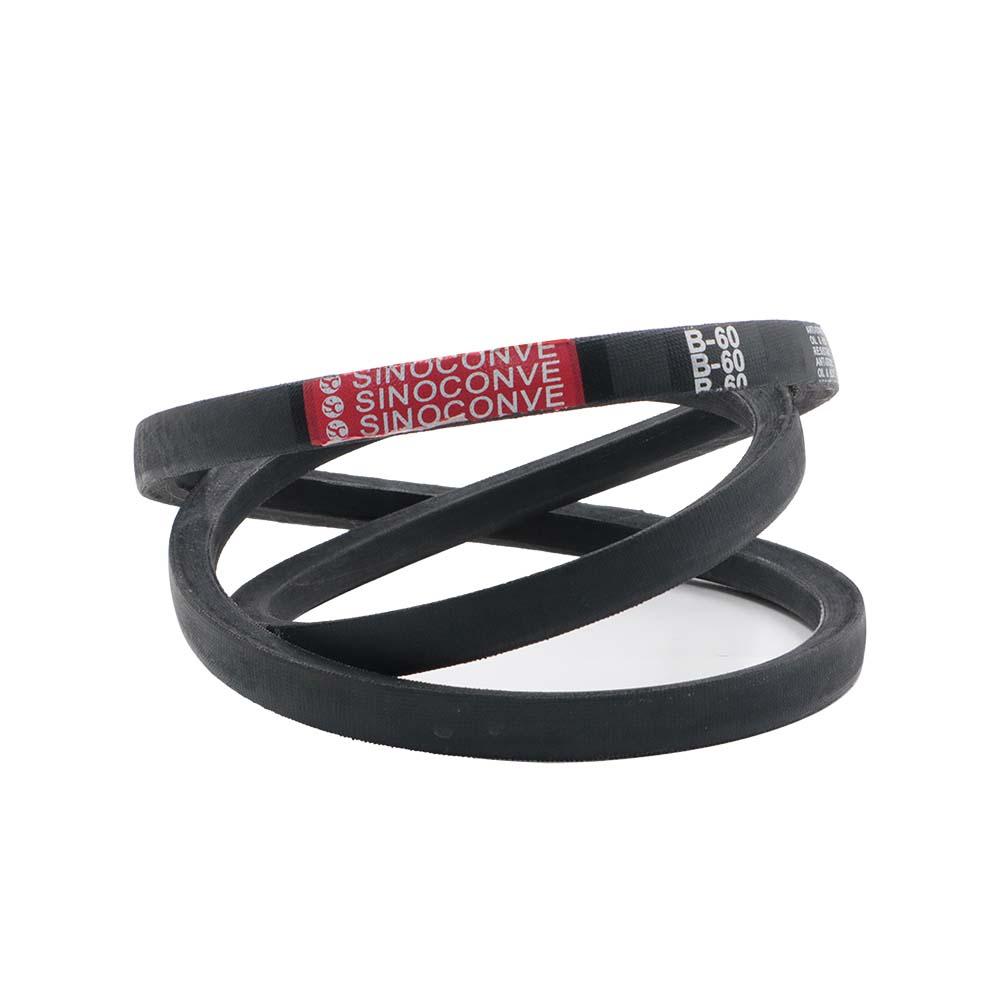
Rubber V Belt Guide for Industrial and Agricultural Drives

1. Why the rubber V belt is still everywhere in industrial drive systems 2. What the belt is doing in the machine 3. Where rubber V belts still make the most sense 4. Key traits buyers should check before ordering 5. Trend analysis: what is changing in belt selection 6. Common buying mistakes 7. Practical advice for sourcing and maintenance teams 8. What to do next
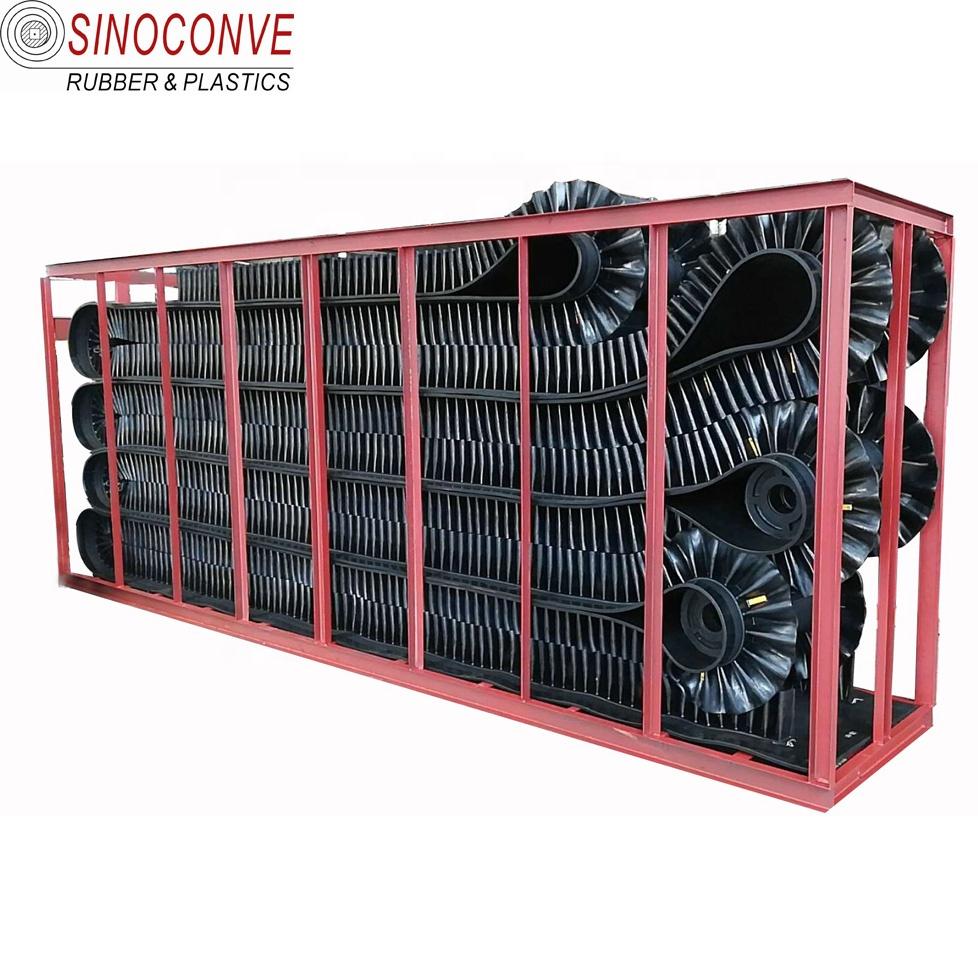
Sidewall Conveyor Belt: When Steep Angle Conveying Saves Space

Sidewall Conveyor Belt: When Steep Angle Conveying Saves Space

1.Flat belts lose bulk material on steep inclines — sidewall systems contain it mechanically. 2.Steep angle conveying compresses horizontal footprint and reduces transfer points. 3.Material behavior drives sidewall height and cleat spacing — not incline angle alone. 4.Loading zone design determines whether the belt performs or becomes a maintenance problem.
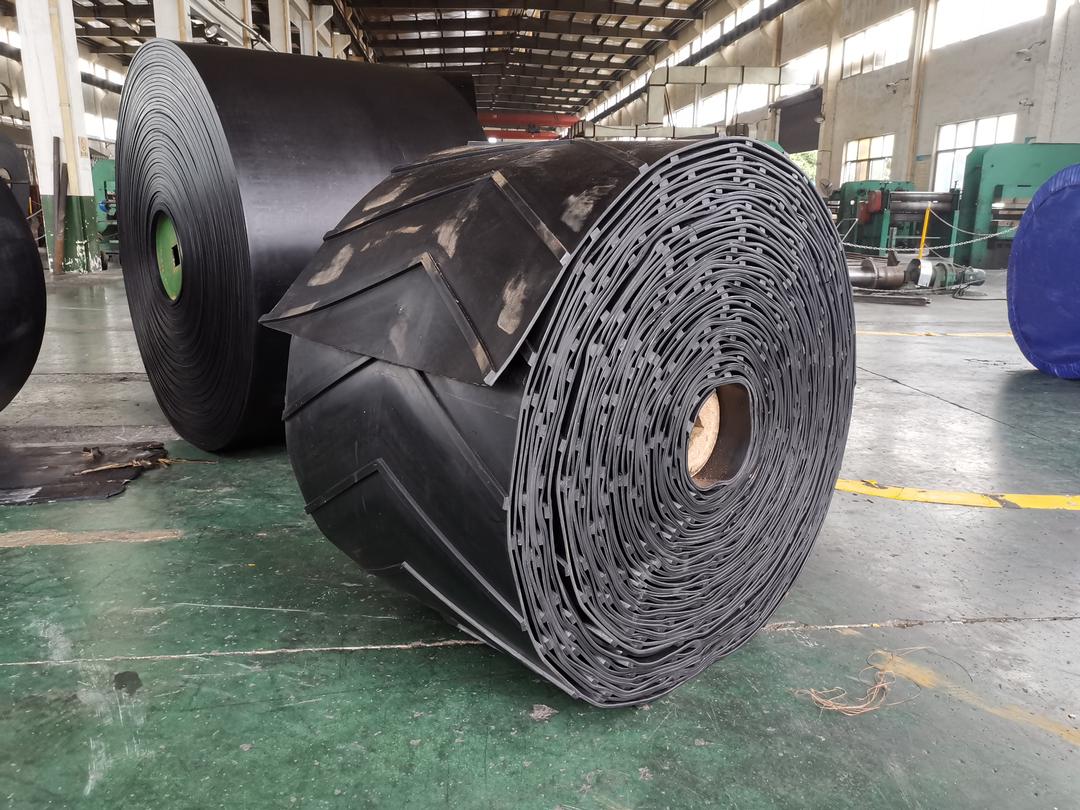
Chevron Conveyor Belt for Steep Bulk Material Handling

Chevron Conveyor Belt for Steep Bulk Material Handling

A chevron conveyor belt helps control loose bulk material on an inclined conveyor, especially sand gravel, aggregate, grain, and similar loads. This article explains how profile shape, material behavior, conveyor angle, loading point, pulley layout, and failure marks affect belt selection and long-term performance.
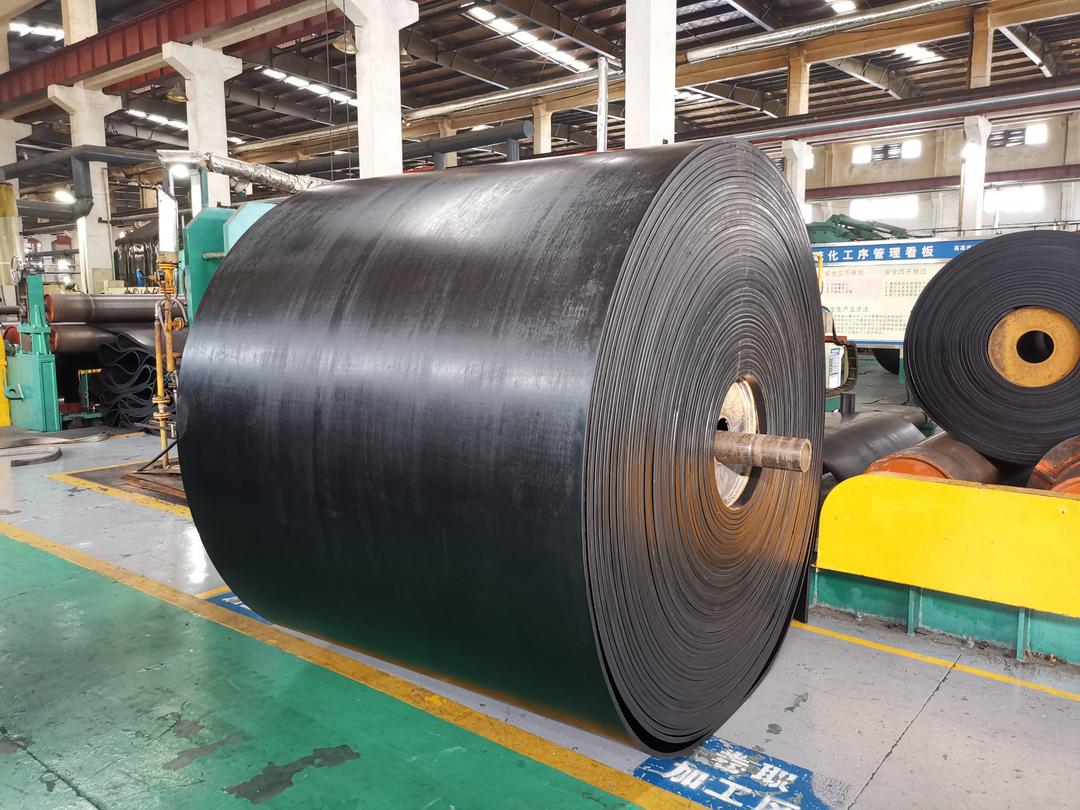
Flame Resistant Conveyor Belt: What Buyers Need to Know

Flame Resistant Conveyor Belt: What Buyers Need to Know

1. Why a flame resistant conveyor belt is a serious buying decision 2. What buyers usually need to decide first 3. Where this belt type is commonly used 4. Construction clues that matter in a conveyor belt roll 5. Selection criteria that help avoid expensive mistakes 6. Buyer-facing questions to ask a supplier 7. Practical next step

Steel Cord Conveyor Belt: What Buyers Should Know Before Specifying One

Steel Cord Conveyor Belt: What Buyers Should Know Before Specifying One

A steel cord conveyor belt should be selected by conveyor length, ST rating, cover grade, pulley diameter, splice design, and loading conditions. This article explains when high strength steel cord conveyor belt construction fits mining and long distance conveyor systems, and what buyers should confirm before ordering.

Read More
Banded V Belt for Crusher Drive and Heavy Duty Machinery

Banded V Belt for Crusher Drive and Heavy Duty Machinery

1. When a Band of Belts Becomes the Difference Between Uptime and Downtime 2. A field example: why grouped belts are often selected 3. What the buyer is really deciding 4. Why banded construction is attractive in rough service 5. Selection advice for engineers and procurement teams 6. Common mistakes that cost time later 7. Quick takeaway for buyers 8. FAQ

Read More
Rubber V Belt Guide for Industrial and Agricultural Drives

Rubber V Belt Guide for Industrial and Agricultural Drives

1. Why the rubber V belt is still everywhere in industrial drive systems 2. What the belt is doing in the machine 3. Where rubber V belts still make the most sense 4. Key traits buyers should check before ordering 5. Trend analysis: what is changing in belt selection 6. Common buying mistakes 7. Practical advice for sourcing and maintenance teams 8. What to do next

Read More
Sidewall Conveyor Belt: When Steep Angle Conveying Saves Space

Sidewall Conveyor Belt: When Steep Angle Conveying Saves Space

1.Flat belts lose bulk material on steep inclines — sidewall systems contain it mechanically. 2.Steep angle conveying compresses horizontal footprint and reduces transfer points. 3.Material behavior drives sidewall height and cleat spacing — not incline angle alone. 4.Loading zone design determines whether the belt performs or becomes a maintenance problem.

Read More
Chevron Conveyor Belt for Steep Bulk Material Handling

Chevron Conveyor Belt for Steep Bulk Material Handling

A chevron conveyor belt helps control loose bulk material on an inclined conveyor, especially sand gravel, aggregate, grain, and similar loads. This article explains how profile shape, material behavior, conveyor angle, loading point, pulley layout, and failure marks affect belt selection and long-term performance.

Read More
Flame Resistant Conveyor Belt: What Buyers Need to Know

Flame Resistant Conveyor Belt: What Buyers Need to Know

1. Why a flame resistant conveyor belt is a serious buying decision 2. What buyers usually need to decide first 3. Where this belt type is commonly used 4. Construction clues that matter in a conveyor belt roll 5. Selection criteria that help avoid expensive mistakes 6. Buyer-facing questions to ask a supplier 7. Practical next step

Read More

Explore more

We are committed to providing you with better products and services. Welcome to browse more content for details