
Why a flame resistant conveyor belt is a serious buying decision
A flame resistant conveyor belt is not just another consumable in a plant or mine. It sits at the center of the material-handling system, and in places like coal mining and underground mining, the belt can become part of the safety envelope as much as the production line. When a buyer is comparing options, the question is rarely whether the belt will move material. The real question is whether it will keep doing that under heat, friction, impact, and the occasional mistake that every operating site eventually sees.
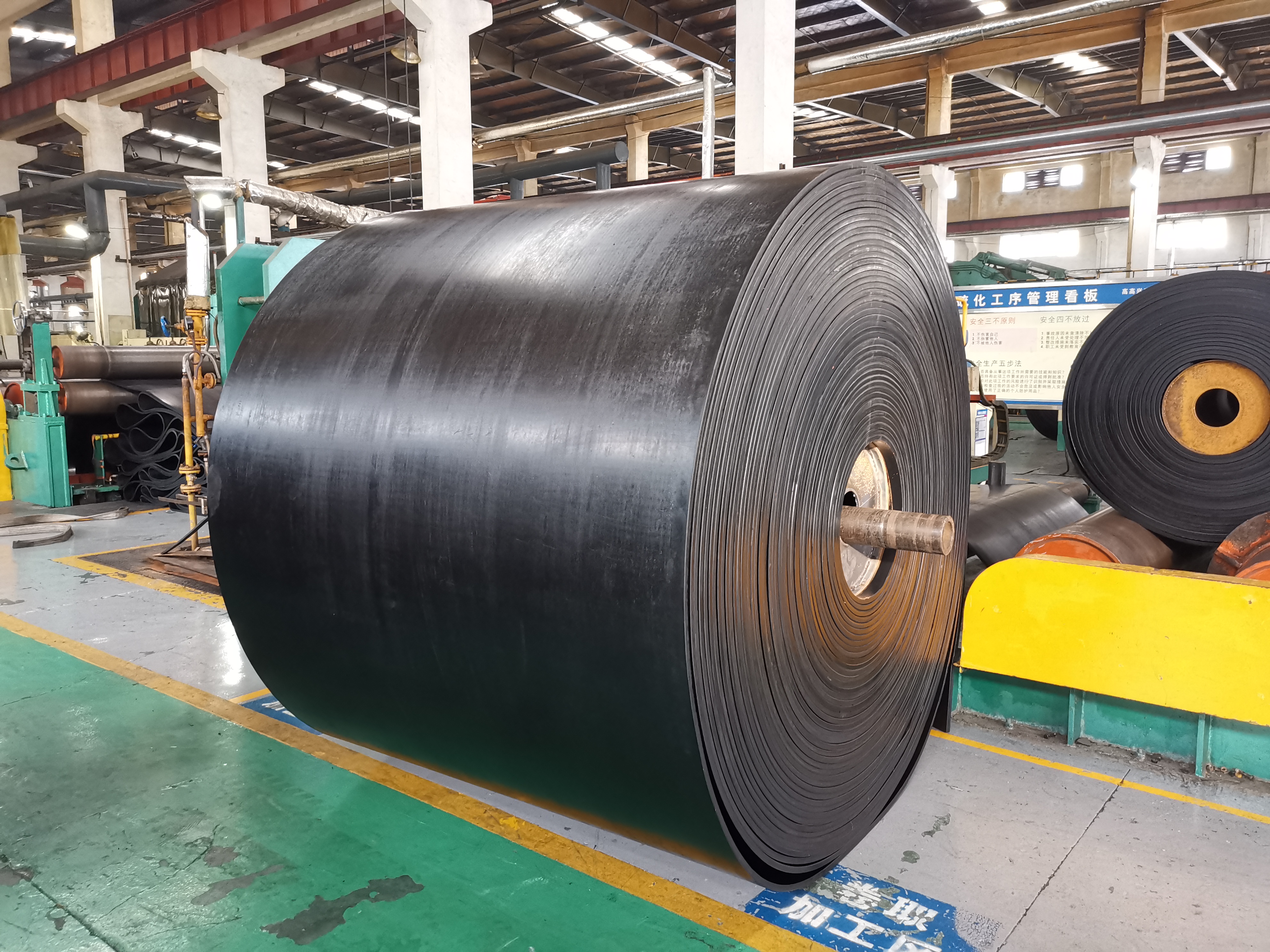
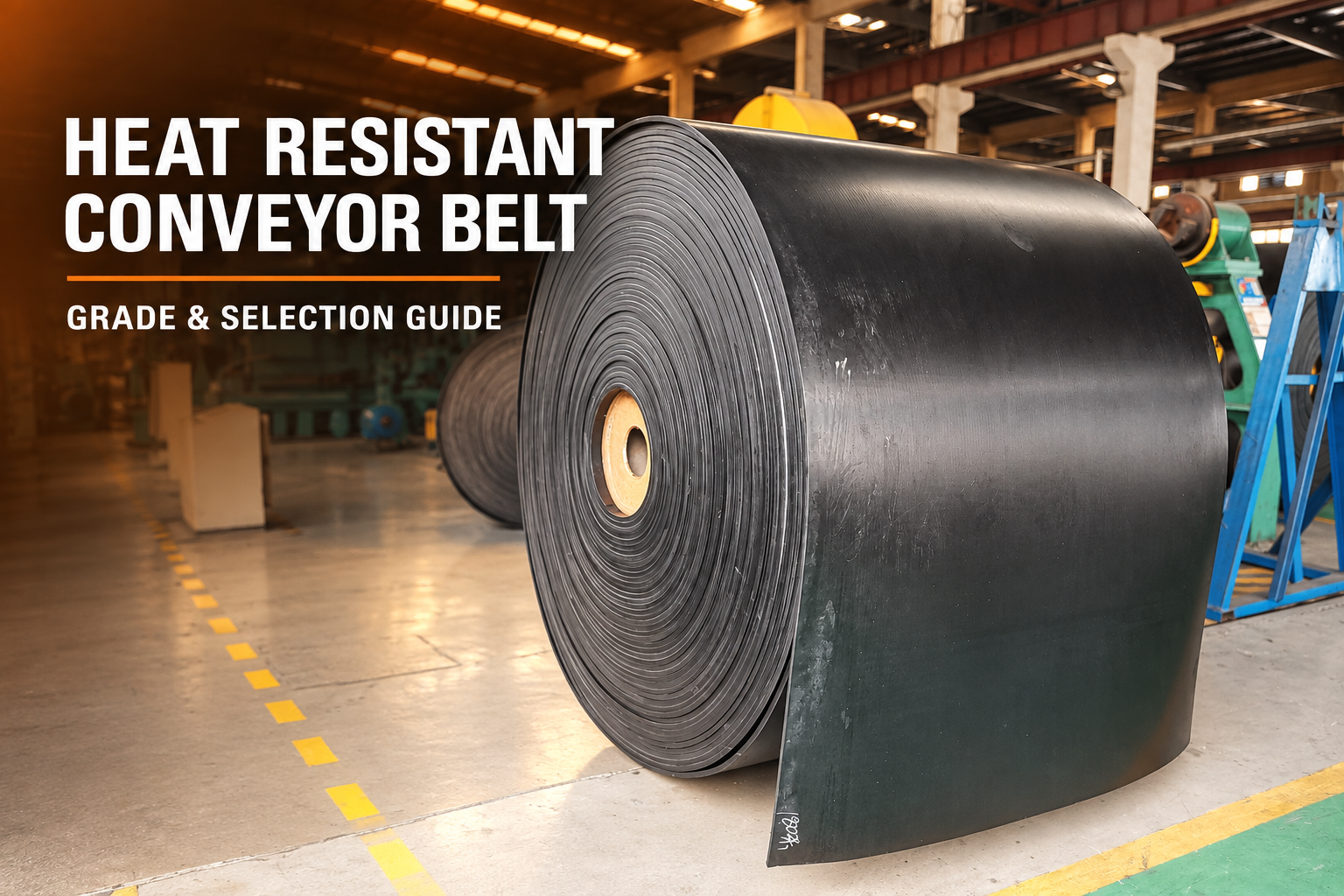
The roll form often tells its own story. A large black rubberized belt coil, wound tightly around a core and set on a shaft for handling, usually points to a heavy-duty conveyor product supplied for long runs, factory stock, or on-site fabrication. That matters because conveyor belt purchasing is not a simple catalog exercise. The right construction, cover grade, and reinforcement style can affect uptime, splice life, and the consequences of a fire event.
What buyers usually need to decide first
Before choosing a belt, most teams need to settle three practical questions: where the belt will run, what it will carry, and what kind of abuse it will face. In bulk transport, the answer may be ore, coal, aggregates, cement, grain, or packaged goods. In mining, the environment can add abrasion, moisture, confined spaces, and long operating hours. That combination is why flame resistant conveyor belt selection is often tied to site safety rules rather than just mechanical specs.
There is a small but important caution here: the words “flame resistant” and “fireproof” are not the same thing. A belt can be designed to resist ignition and limit flame spread, but it still needs to be chosen for the actual operating environment. Heat sources, belt speed, drive tension, and carryback all matter. If a belt is under-specified, the problem usually shows up as cover damage first and safety concern second, which is a poor order to discover it in.
Where this belt type is commonly used
Coal mining and underground mining
These are the classic settings for flame resistant belts. Material moves continuously, access can be limited, and evacuation routes may depend on the belt gallery layout. In that context, belt behavior under fire exposure is not an abstract requirement. It is tied to operational risk.
Plants, ports, quarries, and warehouses
Outside mining, a flame resistant conveyor belt may still be requested where hot material, electrical equipment, or strict internal safety policies are part of the operation. Heavy-duty bulk handling systems often buy belt in roll form so the material can be cut to length and installed where needed.
Construction clues that matter in a conveyor belt roll
The product form described here suggests a wide, continuous rubber belt supplied on a large coil. That usually indicates an industrial conveyor belt rather than sheet rubber or a narrow transmission belt. From a buyer’s perspective, the visible clues are useful but limited. You can tell it is meant for serious handling because of the roll diameter, belt width, and the way it is wound for crane or forklift movement. You cannot, however, confirm the reinforcement, cover compound, or exact temperature rating from appearance alone.
That is where sourcing teams should slow down. Ask for the belt construction, the intended application, and the actual test or compliance documentation. If the supplier cannot explain whether it is fabric-reinforced, steel-cord, or another build, then the conversation is not ready for purchase approval. A belt may look robust and still be wrong for the duty cycle.
Selection criteria that help avoid expensive mistakes
Start with operating environment. Underground mining has different demands than a surface aggregate plant. Then look at the conveyed material. Sharp, abrasive, or hot bulk goods shorten belt life and can change the required cover compound. Next, check conveyor length, incline, loading rate, and expected splice strategy. These details affect tension and how the belt performs after installation.
Also ask how the belt will be handled before installation. A large roll on a central mandrel is practical, but it still needs proper lifting gear and storage discipline. Moisture, sunlight, and rough handling can create damage before the belt ever reaches the conveyor frame. That sounds basic, but it is one of the common causes of avoidable complaints.
Buyer-facing questions to ask a supplier
Ask what makes the belt flame resistant, not just what it is called. Ask which environments it is meant for. Ask whether the belt is supplied as a finished conveyor belt roll or as material for fabrication and cutting. If the site is in coal mining or underground mining, ask for the relevant safety and construction documentation that applies to the intended use. The goal is to match the belt to the hazard profile, not just to the dimensions of the conveyor.
Practical next step
If you are comparing options for a new line or a replacement run, start with the application data, then match belt construction to the safety requirement. A flame resistant conveyor belt should be treated as an engineered part of the system, not a generic rubber purchase. When the application is clear, supplier discussions become shorter, installation becomes cleaner, and the belt is much more likely to do the one job it was bought for: move material reliably while reducing fire risk.