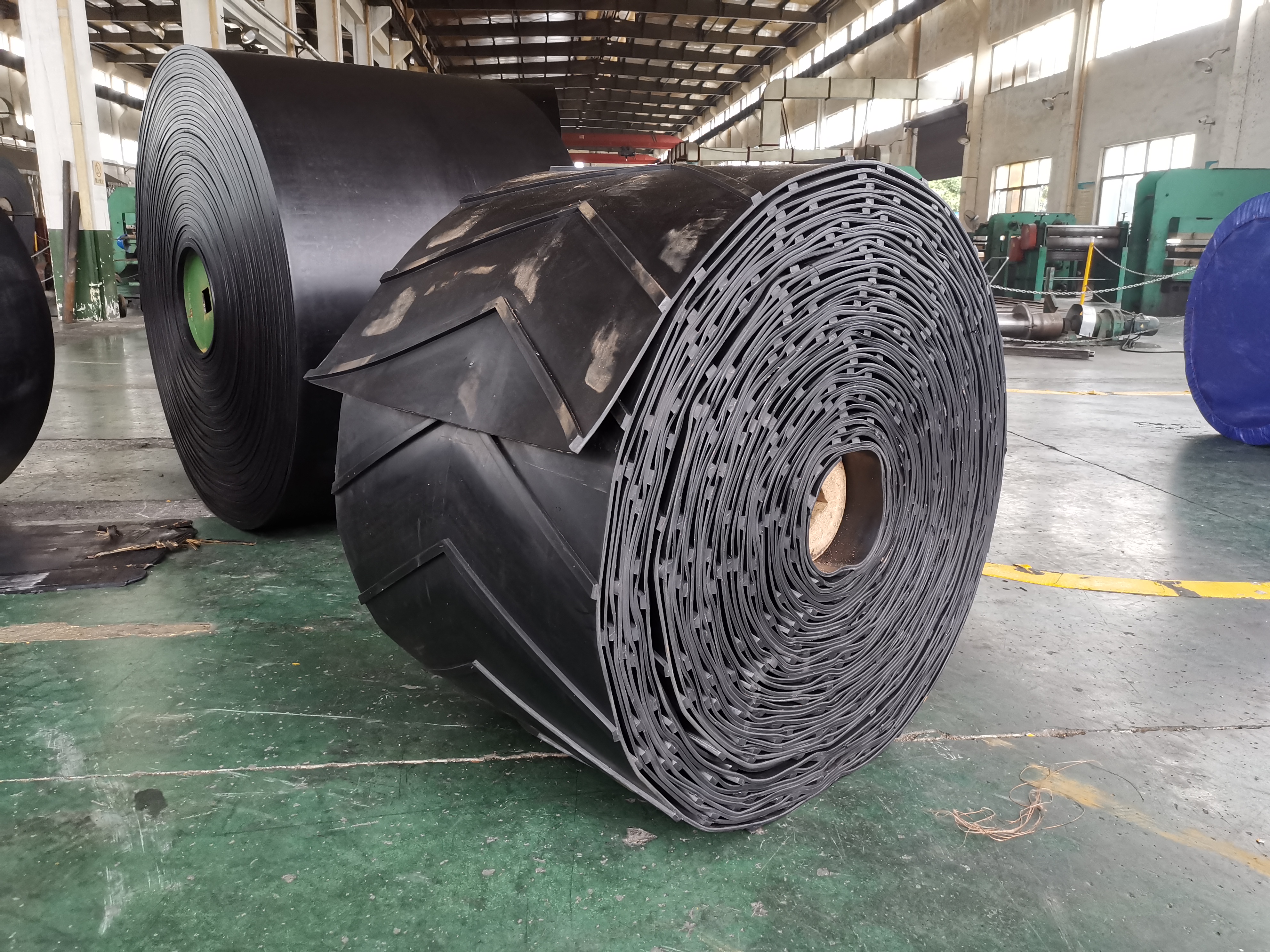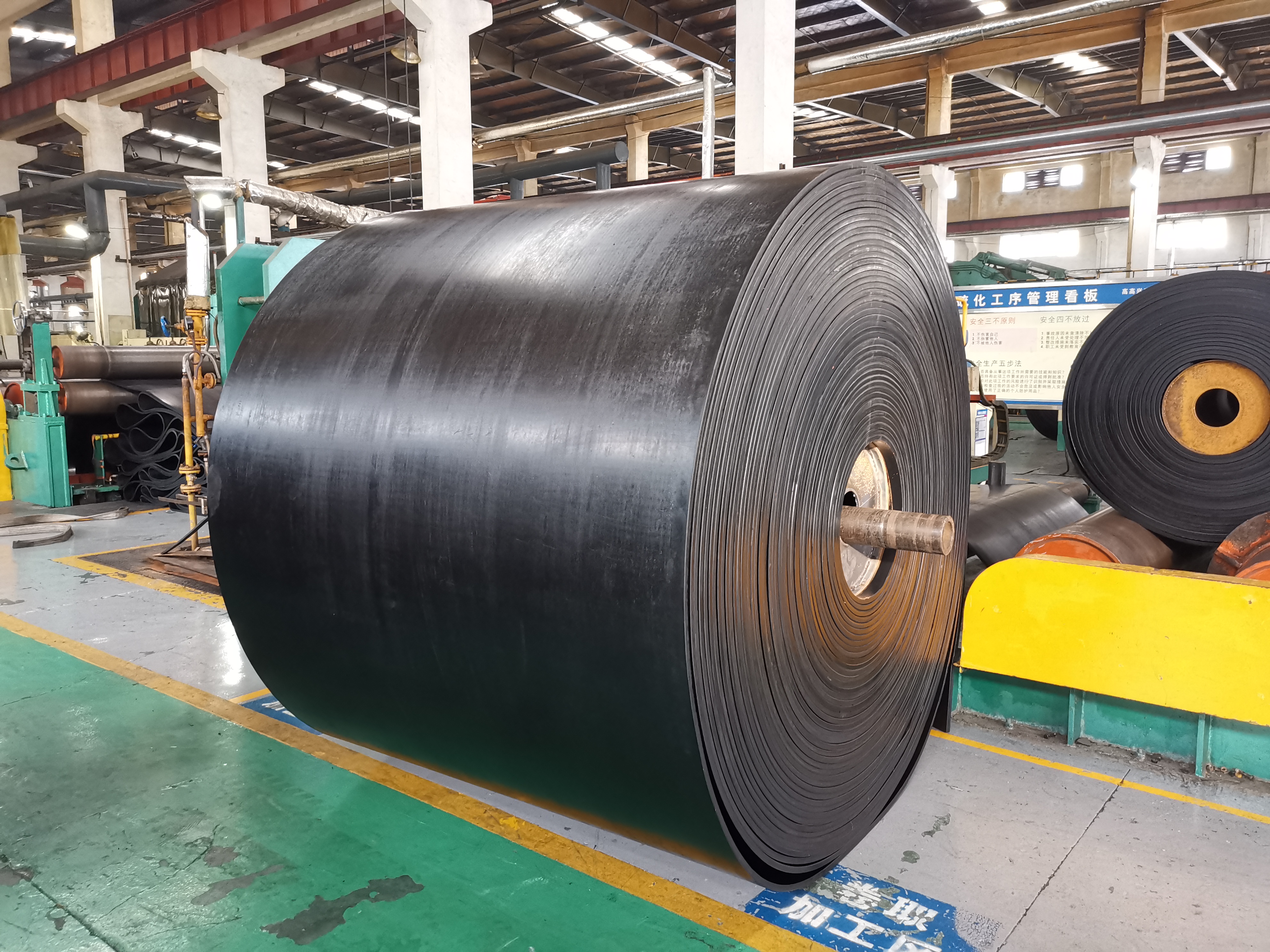

Discover the Superior Performance of Cleated Conveyor Belts
In today's fast-paced industrial environments, a cleated conveyor belt stands out as an essential component for efficient material handling. This innovative solution ensures that products move smoothly up inclines or declines, preventing slippage and maximizing productivity. Whether you're in manufacturing, logistics, or food processing, integrating a cleated conveyor belt into your operations can transform your workflow, reducing downtime and boosting overall efficiency.
Understanding Cleated Conveyor Belts and Their Key Advantages
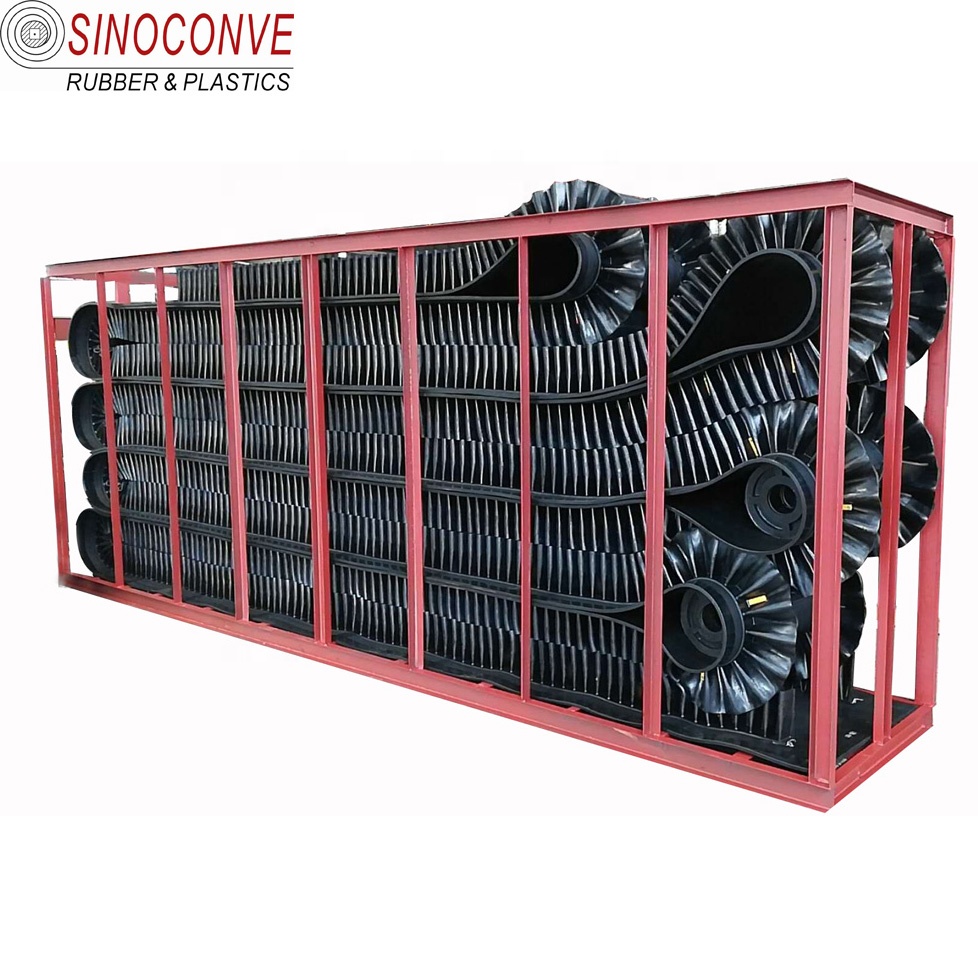
A cleated conveyor belt is designed with raised cleats or ridges that grip materials securely, making it ideal for transporting items on angled surfaces. Unlike standard flat belts, this design provides superior traction, ensuring that even heavy or irregularly shaped loads remain in place during transit. Imagine your production line handling bulk goods without the constant worry of spills or jams— that's the reliability a cleated conveyor belt delivers. Its robust construction minimizes wear and tear, extending the lifespan of your equipment and lowering long-term costs. For businesses aiming to streamline operations, investing in this technology isn't just smart; it's a strategic move toward unmatched performance.
Enhancing Operations with PVC Conveyor Belts
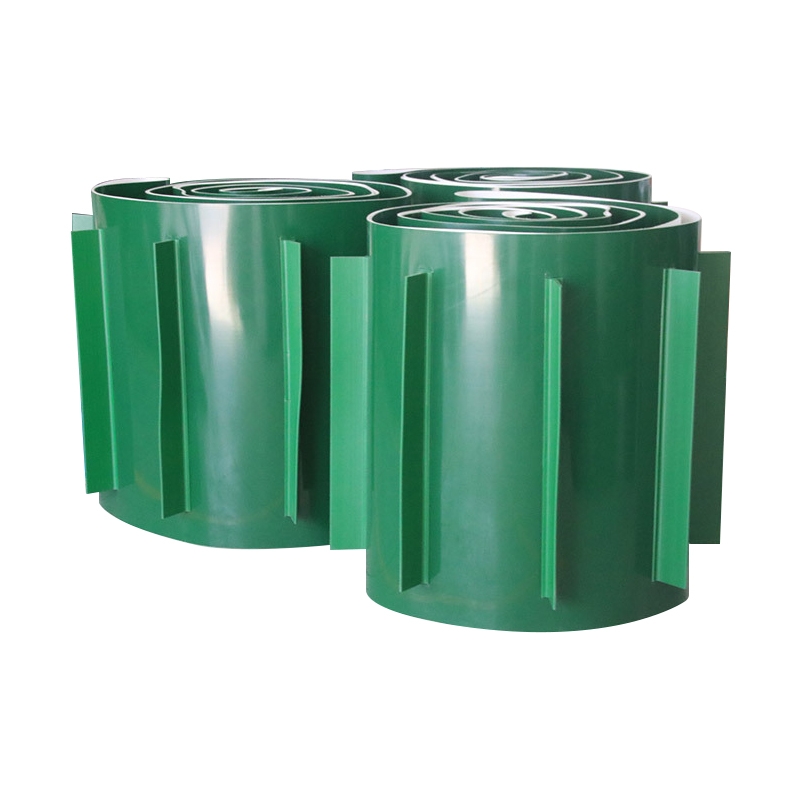
When paired with high-quality materials like PVC, a PVC conveyor belt elevates the functionality of cleated systems even further. PVC offers exceptional durability, resistance to chemicals, and easy cleanability, making it perfect for demanding industries. A PVC conveyor belt in a cleated configuration combines flexibility with strength, allowing seamless adaptation to various loads and environments. Consider how this setup can safeguard your products in wet or oily conditions, preventing contamination and ensuring compliance with safety standards. By choosing a PVC conveyor belt, you're not only protecting your assets but also enhancing worker safety and operational speed— a compelling reason to upgrade your current setup.
Why Choose a Specialized PVC Conveyor Belt for Your Needs
For those seeking precision and versatility, a PVC conveyor belt tailored for cleated applications brings unparalleled benefits. This specialized PVC conveyor belt features smooth surfaces with integrated reinforcements, ideal for high-traffic scenarios where abrasion is a concern. It supports everything from lightweight packages to heavier industrial materials, all while maintaining a professional appearance that reflects your commitment to quality. In warehouses or processing plants, the ability to customize lengths and widths means a perfect fit for your space, eliminating inefficiencies. Don't settle for generic solutions; opt for a PVC conveyor belt that promises longevity and superior grip through its cleated design, driving your business toward greater success.
Real-World Applications and Persuasive Reasons to Invest
Cleated conveyor belts shine in diverse settings, from factory assembly lines to distribution centers. Paired with PVC, they excel in controlling dust, noise, and temperature while facilitating smooth internal traffic. Picture your loading areas equipped with a durable PVC conveyor belt that withstands daily rigors without losing integrity— that's the edge you gain. The green-tinted options add visibility and a modern aesthetic, making your facility look organized and efficient. Moreover, the low-maintenance glossy finish simplifies upkeep, saving time and resources. Industries like food handling and logistics can't afford disruptions, so a cleated conveyor belt isn't an expense; it's an investment in seamless, profitable operations. Embrace this technology today and witness the transformative impact on your productivity.