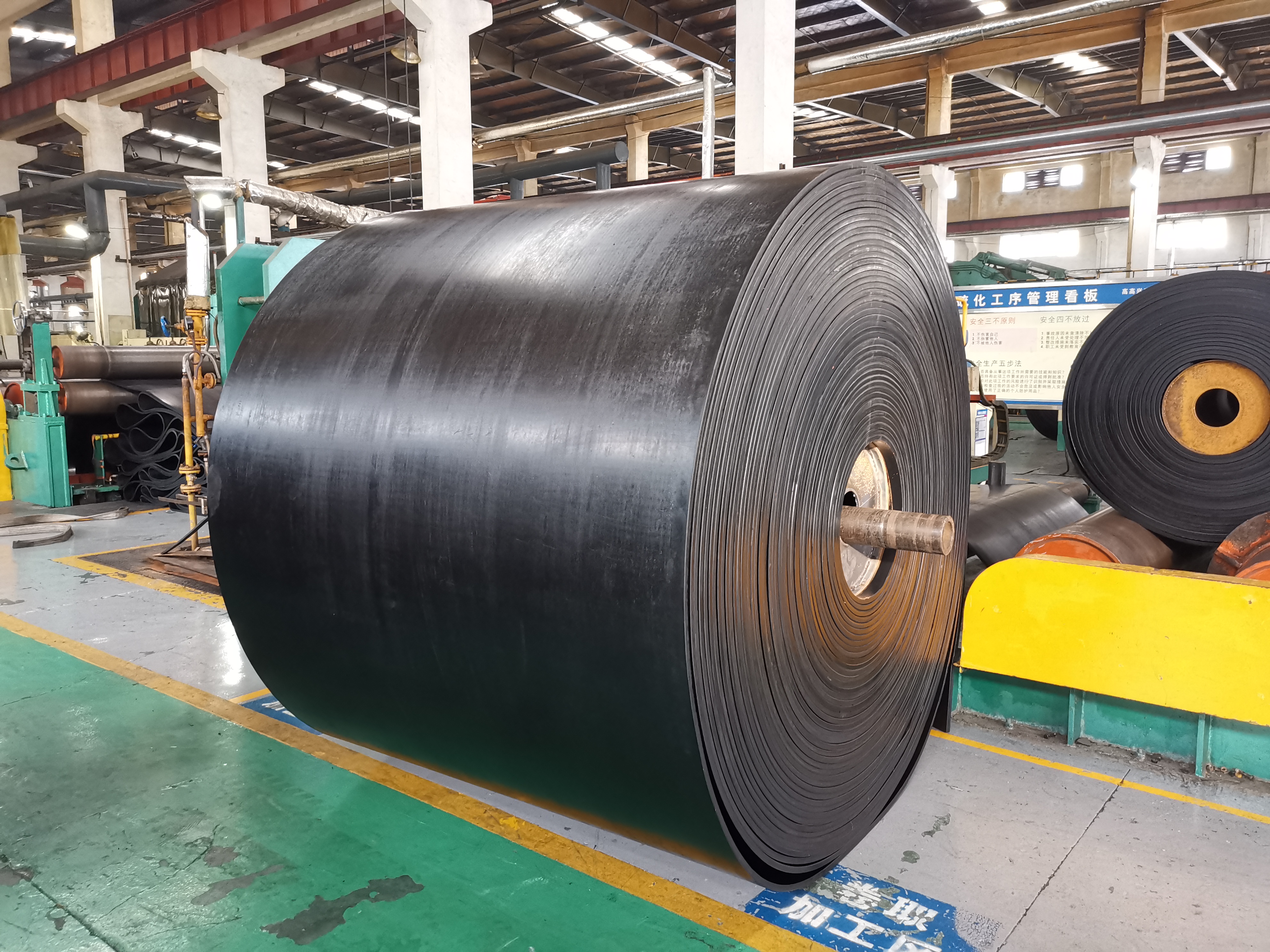

How to Choose and Use the Agricultural Harvester Packing Belt for Efficient Farming Operations
In the world of modern agriculture, selecting the right equipment can significantly boost productivity and reduce downtime. The agricultural harvester packing belt stands out as a crucial component for farmers and agricultural businesses looking to streamline their harvesting and packing processes. This specialized belt, often integrated with conveyor systems, ensures that crops are transported efficiently from the harvester to packing areas without damage or loss.
Understanding the Agricultural Harvester Packing Belt
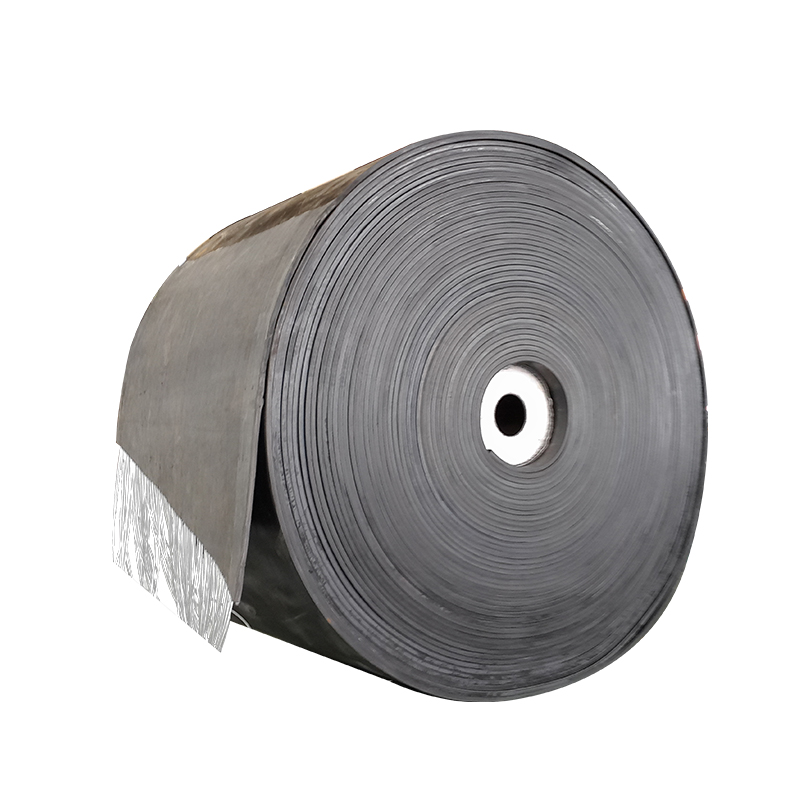
The agricultural harvester packing belt is designed specifically for the demands of farming environments. It features a durable construction that handles heavy loads of produce like grains, fruits, and vegetables. Often synonymous with the agricultural harvester belt, this component provides reliable support in harvesters by facilitating smooth movement of materials. When paired with a conveyor belt system, it enhances overall efficiency, making it easier to manage large volumes during peak harvest seasons. To get started, assess your harvester's specifications to ensure compatibility, focusing on the belt's width, length, and load capacity.
Key Features and Benefits of the Agricultural Harvester Belt
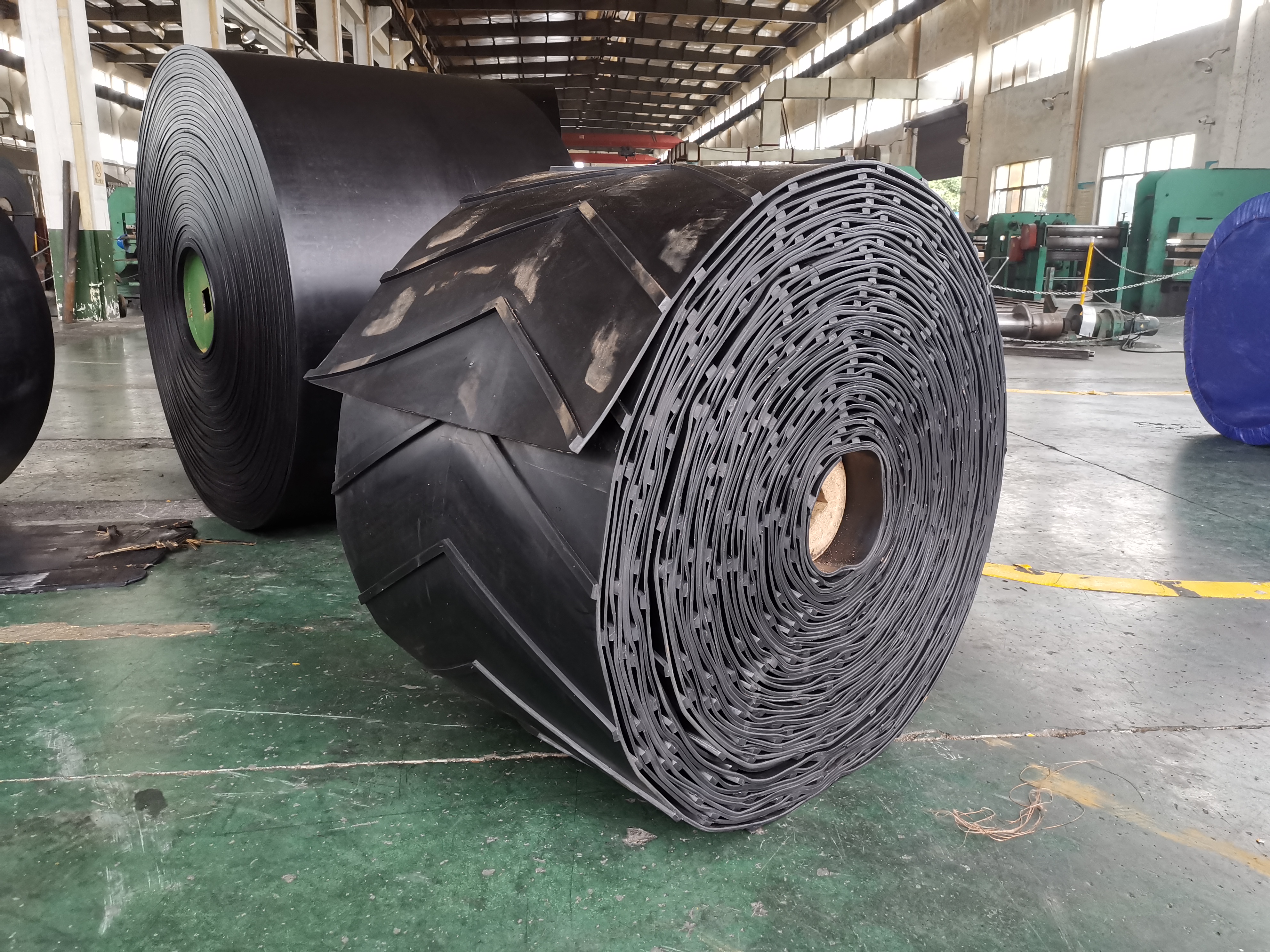
One of the standout features of the agricultural harvester belt is its robust rubber composition, which offers excellent resistance to abrasion and environmental factors like dust, moisture, and UV exposure common in fields. As a type of agriculture conveyor belt, it incorporates an abrasive surface texture for superior grip, preventing slippage even on inclined sections of the harvester. This design not only protects delicate crops but also extends the belt's lifespan, reducing maintenance costs over time. For optimal performance, choose a belt with reinforced edges to minimize fraying during high-speed operations. Regular inspections for wear can help maintain its effectiveness, ensuring seamless integration into your workflow.
Selecting the Right Conveyor Belt for Your Agricultural Needs
When choosing a conveyor belt for agricultural applications, consider the specific requirements of your operation. The agricultural harvester packing belt excels in scenarios where precise packing is needed, such as bundling hay or sorting produce. Look for options with customizable tensioning systems to adjust for varying crop sizes. In comparison to standard belts, this specialized version provides better traction through its rough top surface, which is ideal for the agriculture conveyor belt setups in uneven terrains. Consult with suppliers to match the belt's ply count and thickness to your machinery, ensuring it withstands the rigors of daily use while promoting safety and efficiency.
Installation and Maintenance Guide for the Agricultural Harvester Packing Belt
Installing the agricultural harvester packing belt requires careful preparation to avoid operational issues. Begin by shutting down the harvester and cleaning the conveyor area thoroughly. Align the belt properly on the pulleys, adjusting tension according to the manufacturer's guidelines—typically aiming for a slight sag under load for flexibility. Once installed, test the system with light loads to check for smooth operation and any unusual vibrations. For maintenance, perform weekly checks on the agricultural harvester belt for cracks or loosening, lubricating moving parts as needed. In dusty conditions, cleaning the conveyor belt surface prevents buildup that could reduce grip. Following these steps will maximize the belt's durability and keep your harvesting process running smoothly.
Advanced Tips for Optimizing Your Conveyor Belt in Harvesting
To take your agricultural operations to the next level, integrate the agricultural harvester packing belt with automation features like sensors for overload detection. This enhances the conveyor belt's role in minimizing waste and improving throughput. For larger farms, consider modular designs that allow easy replacement of sections without full disassembly. Pairing it with energy-efficient motors can also lower operational costs. By focusing on these enhancements, you'll ensure the agriculture conveyor belt contributes to a more sustainable and productive farming setup, ultimately leading to higher yields and profitability.