



01
Engineered belt solutions for demanding industries worldwide

35+ Years of Experience
Manufacturing rubber conveyor belts, transmission belts, and rollers for mining, quarrying, ports, cement plants, and bulk material handling systems.
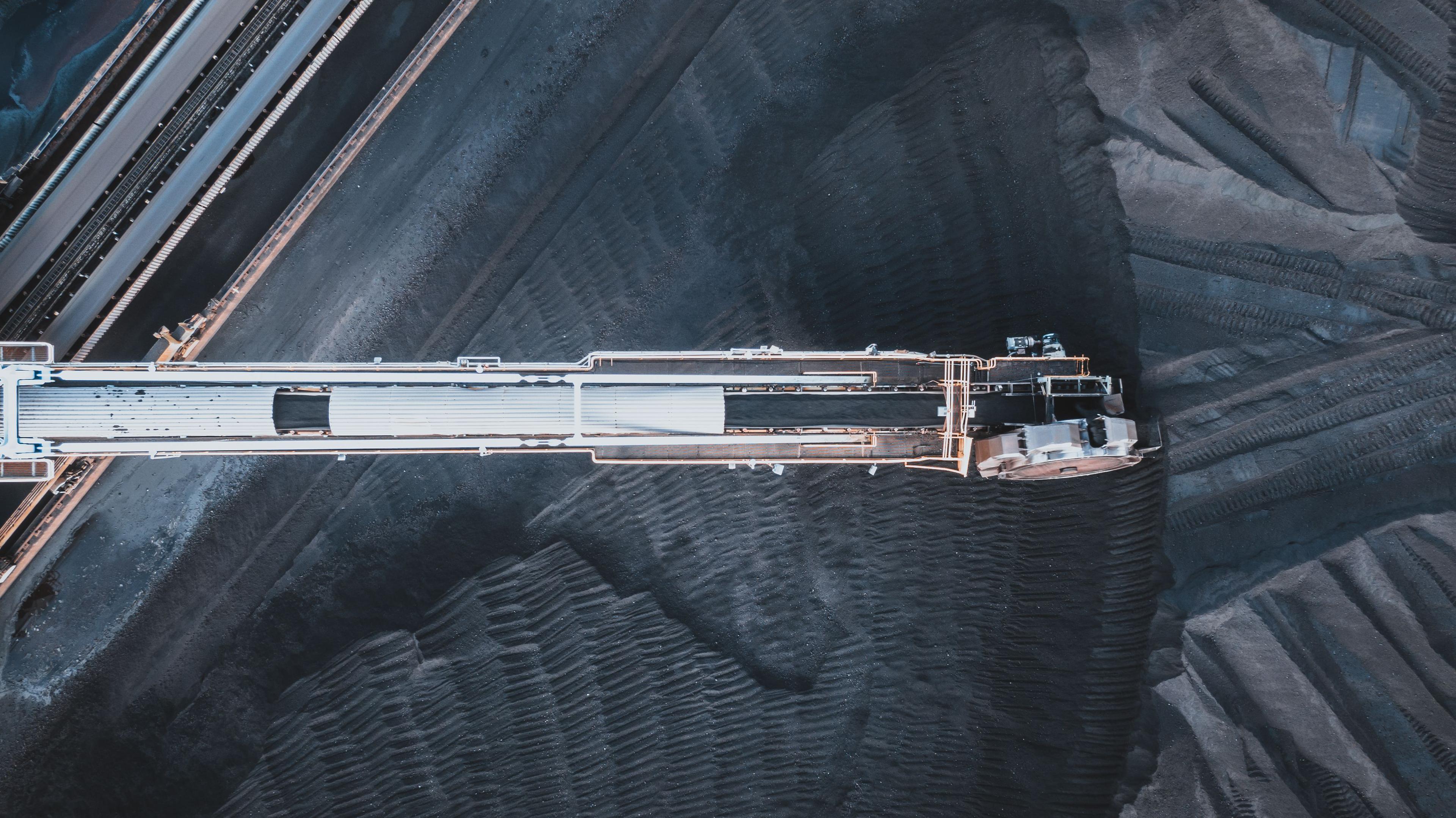
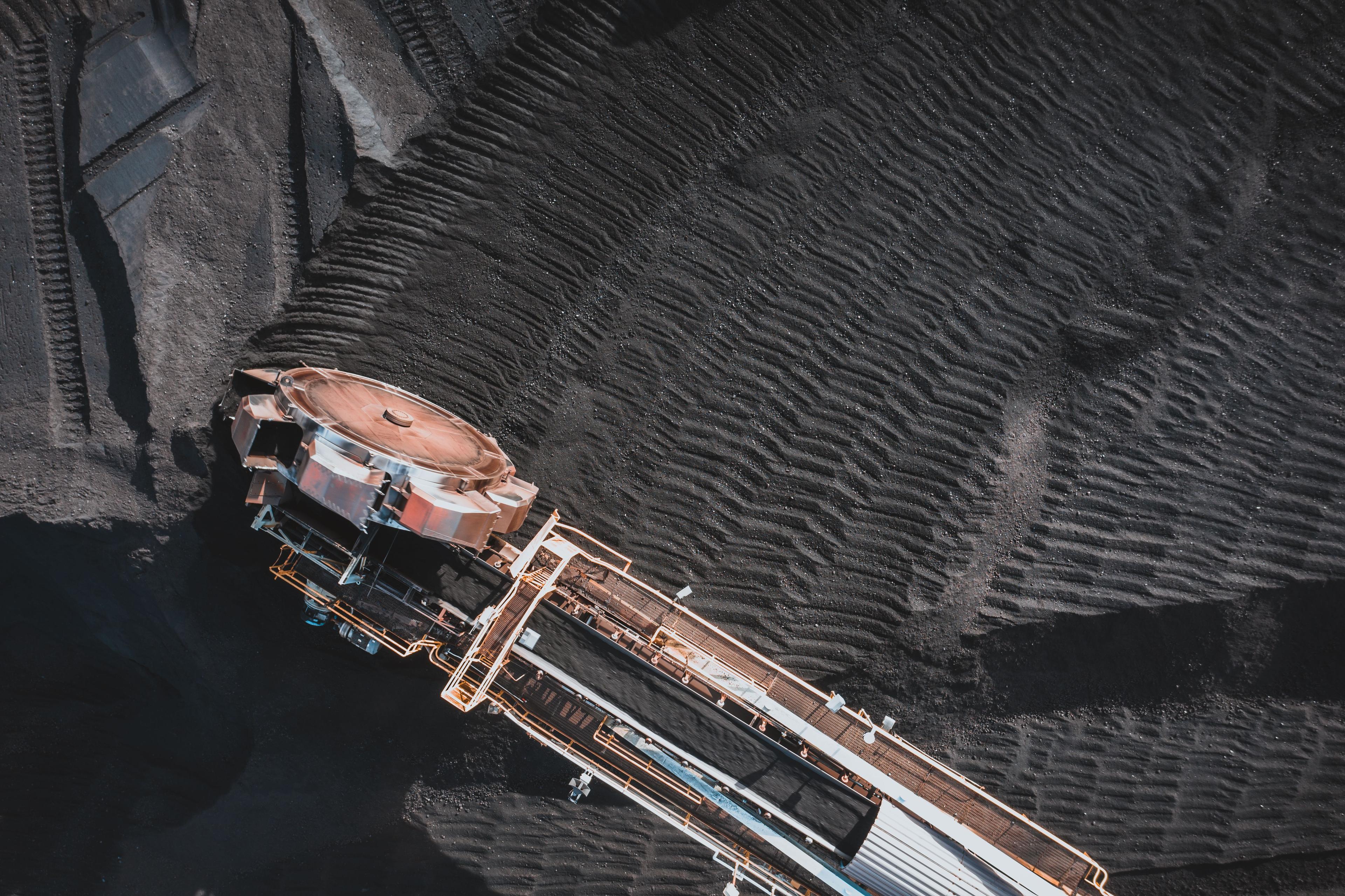
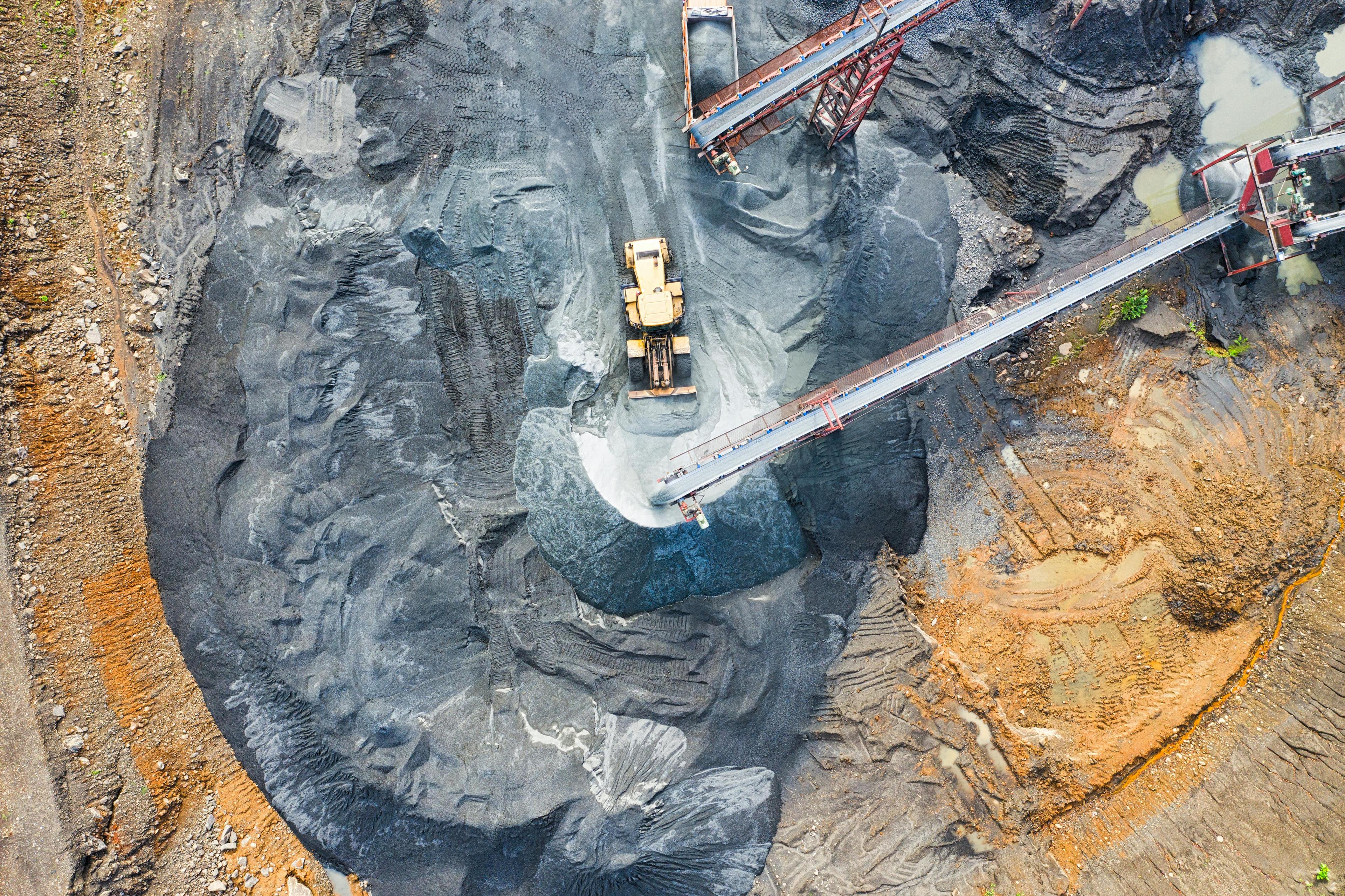
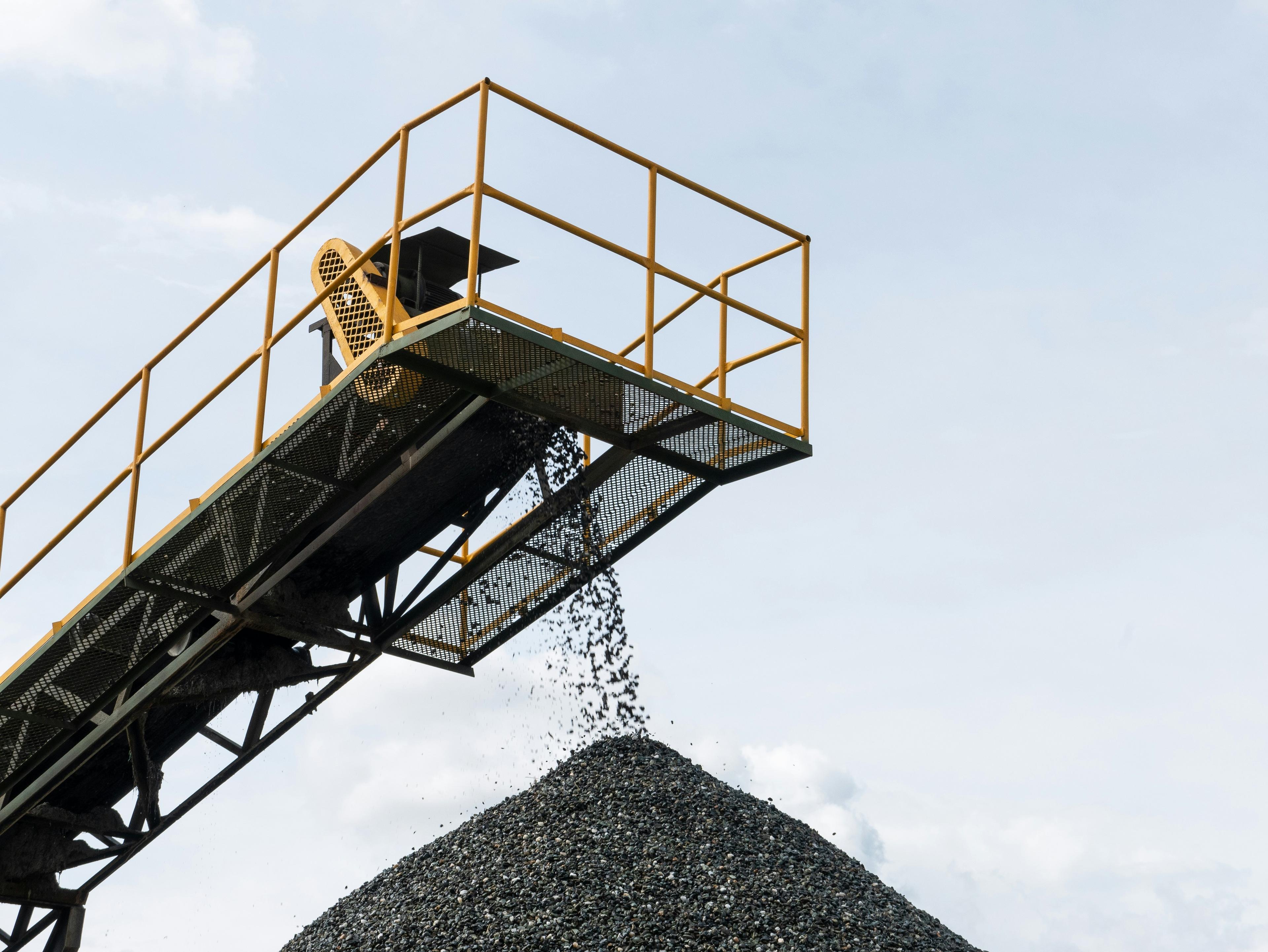
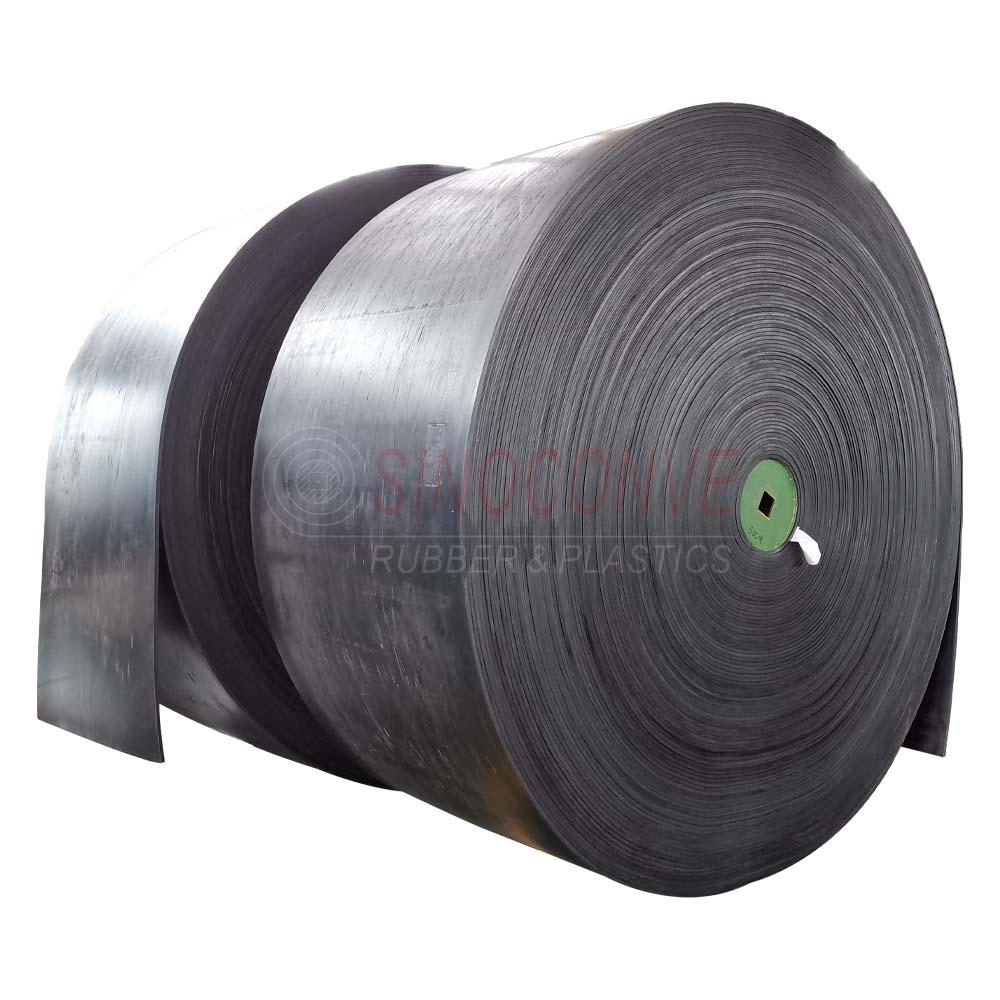
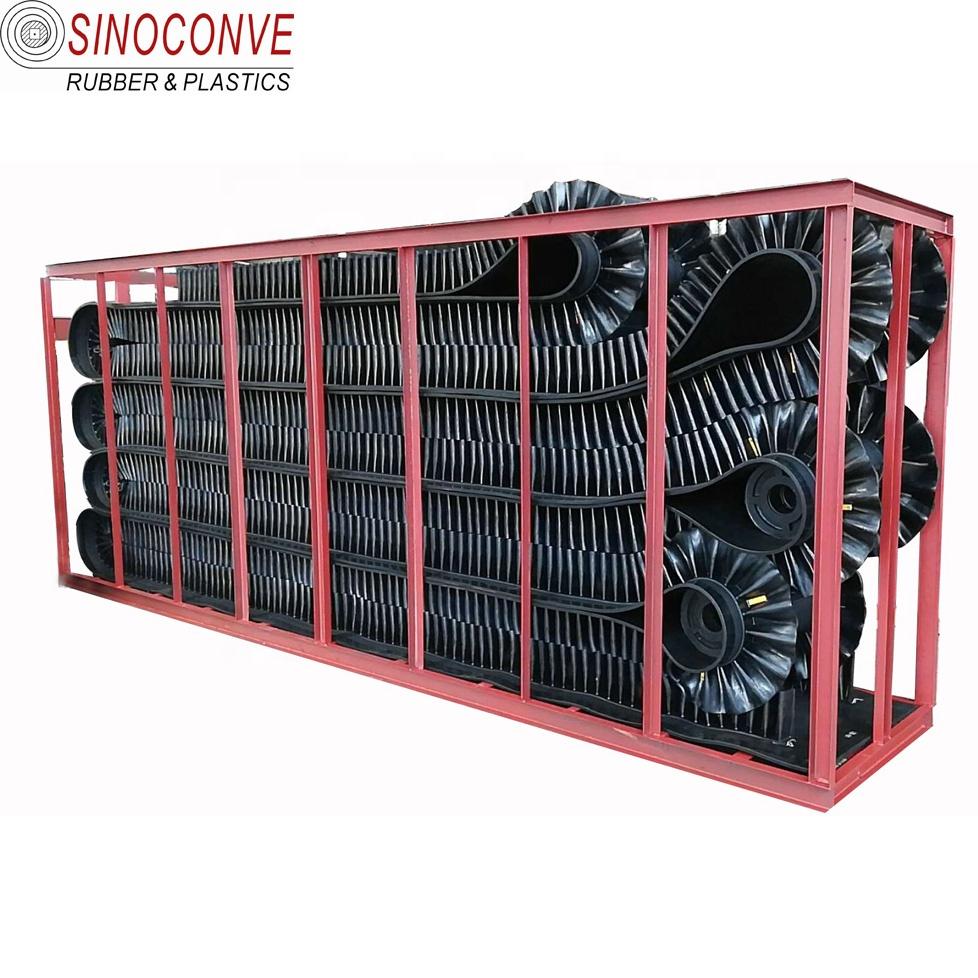
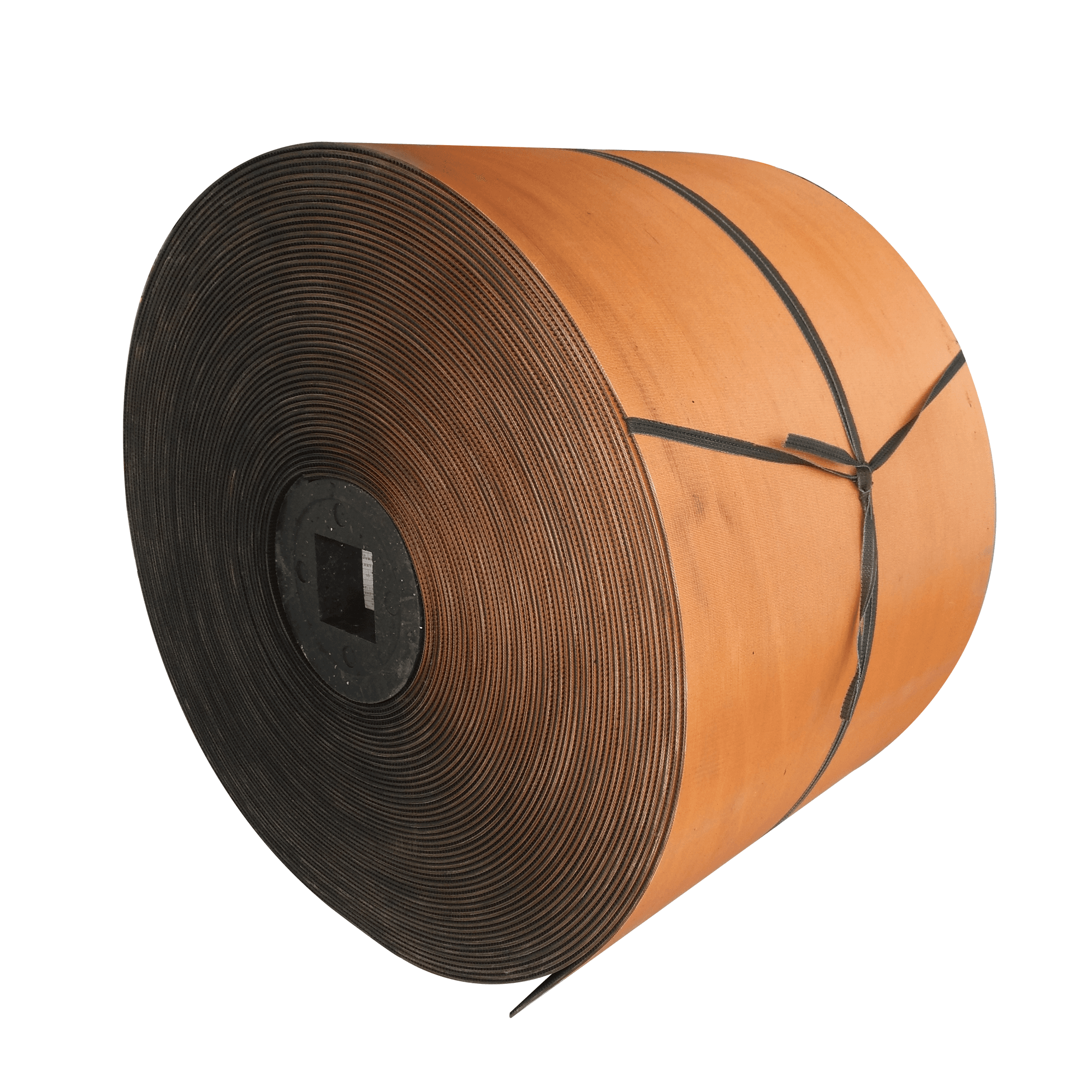
Sinoconve conveyor belts provide surpassing value for money to help our clients grow their business worldwide. Extensive producing technology and rich working experience enable us to manufacture quality conveyor belts,excellently resisting to impact, abrasion,tear,cut,heat,fire, cold,oil and grease.

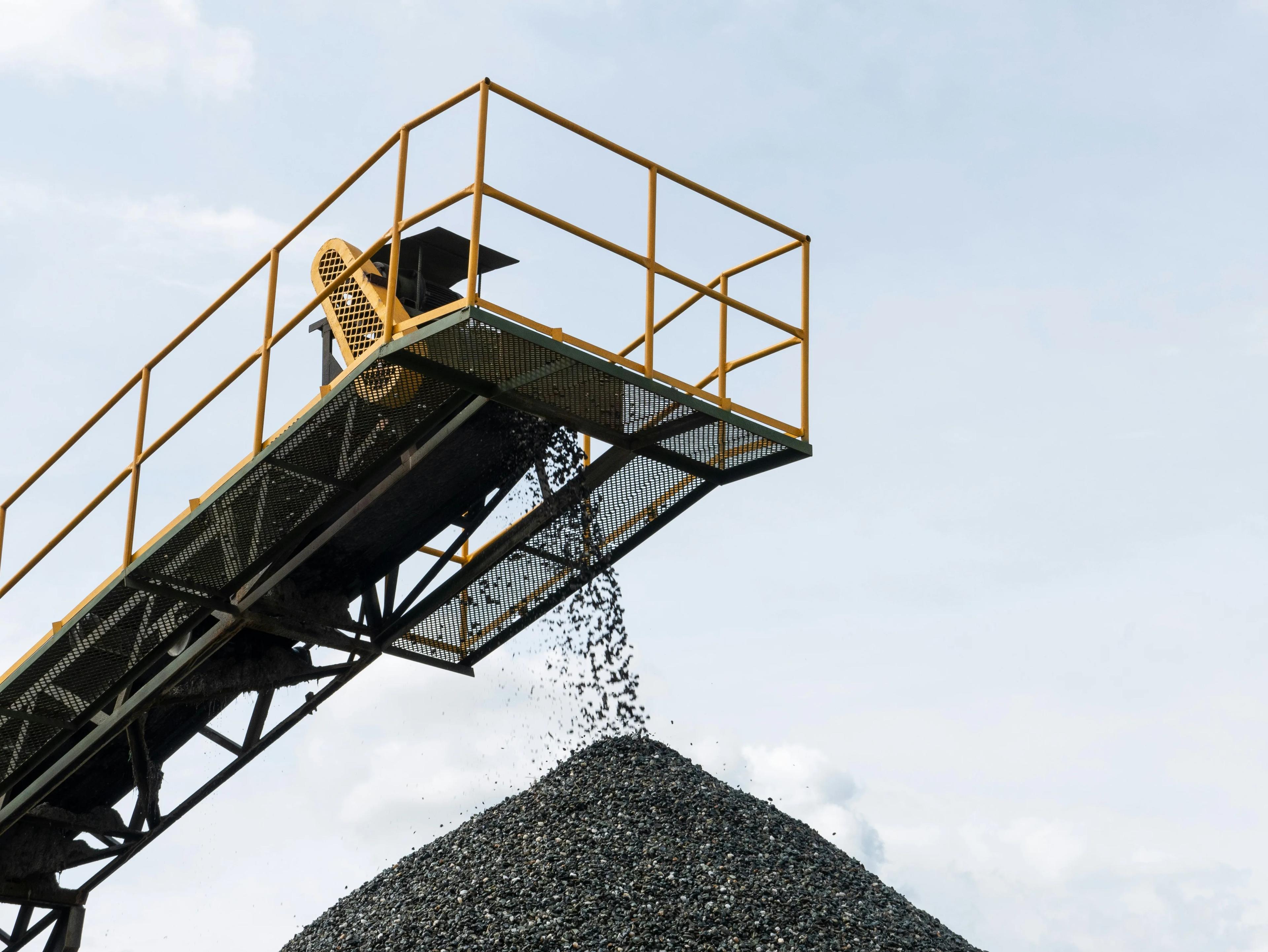
SINOCONVE BELT is focusing on material handling, power transmission and industry application.We are aimed at helping our customers increase production efficiency,offering quality conveyor belts and v-belts with high strength,low abrasion, resistant to impact and cut.
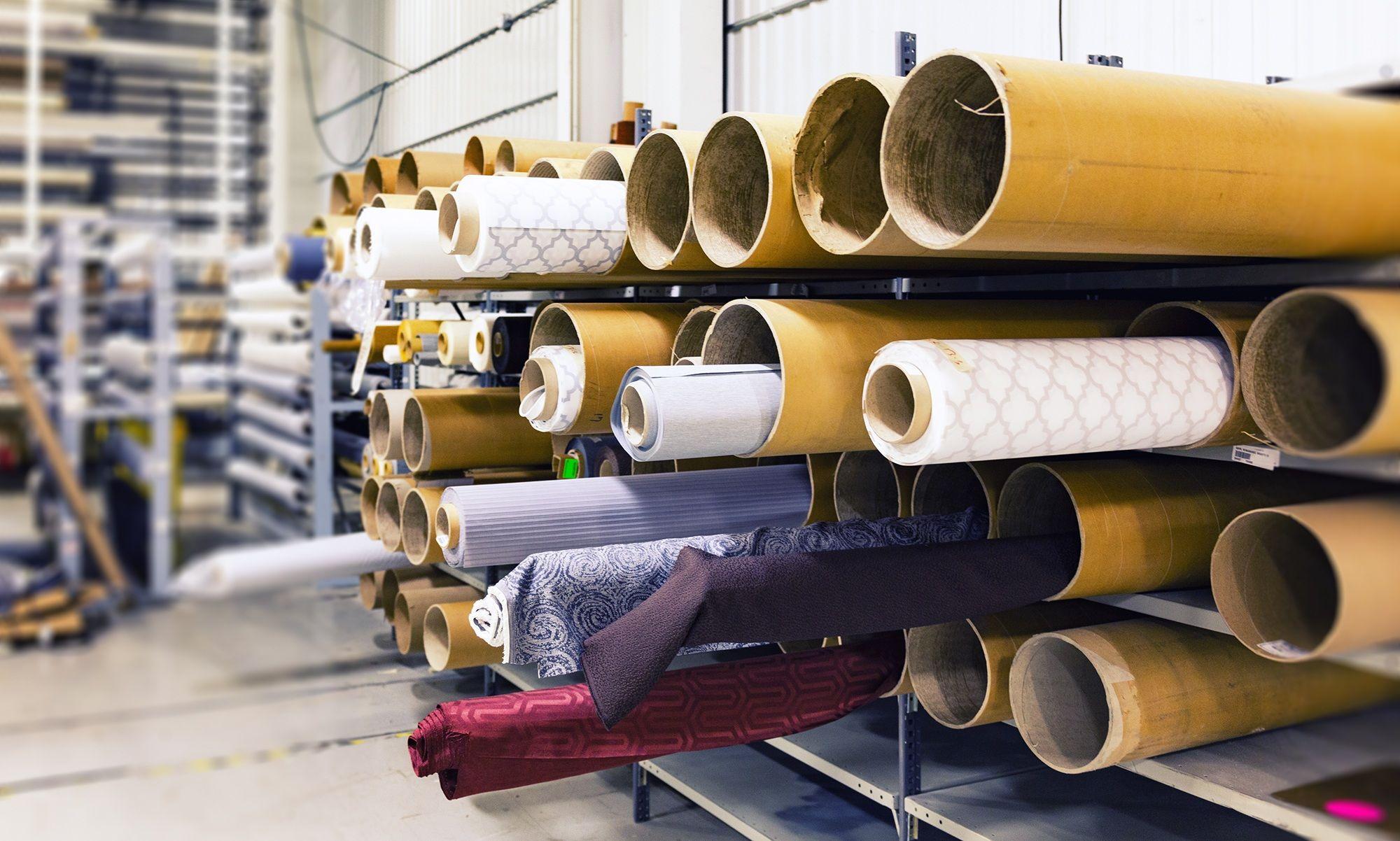
SINOCONVE has more than 35 years of manufacturing experience in industrial conveyor and power transmission belt solutions. We supply rubber conveyor belts, PVC conveyor belts, transmission belts, timing belts, V belts, PK belts, and conveyor rollers for mining, cement plants, ports, logistics, agriculture, and industrial equipment.
With 10+ vulcanization production lines, 200+ employees, and a complete quality control team, SINOCONVE supports global buyers with stable production capacity, customized specifications, and reliable delivery. From raw material inspection to production monitoring and final testing, each order is checked carefully before shipment.
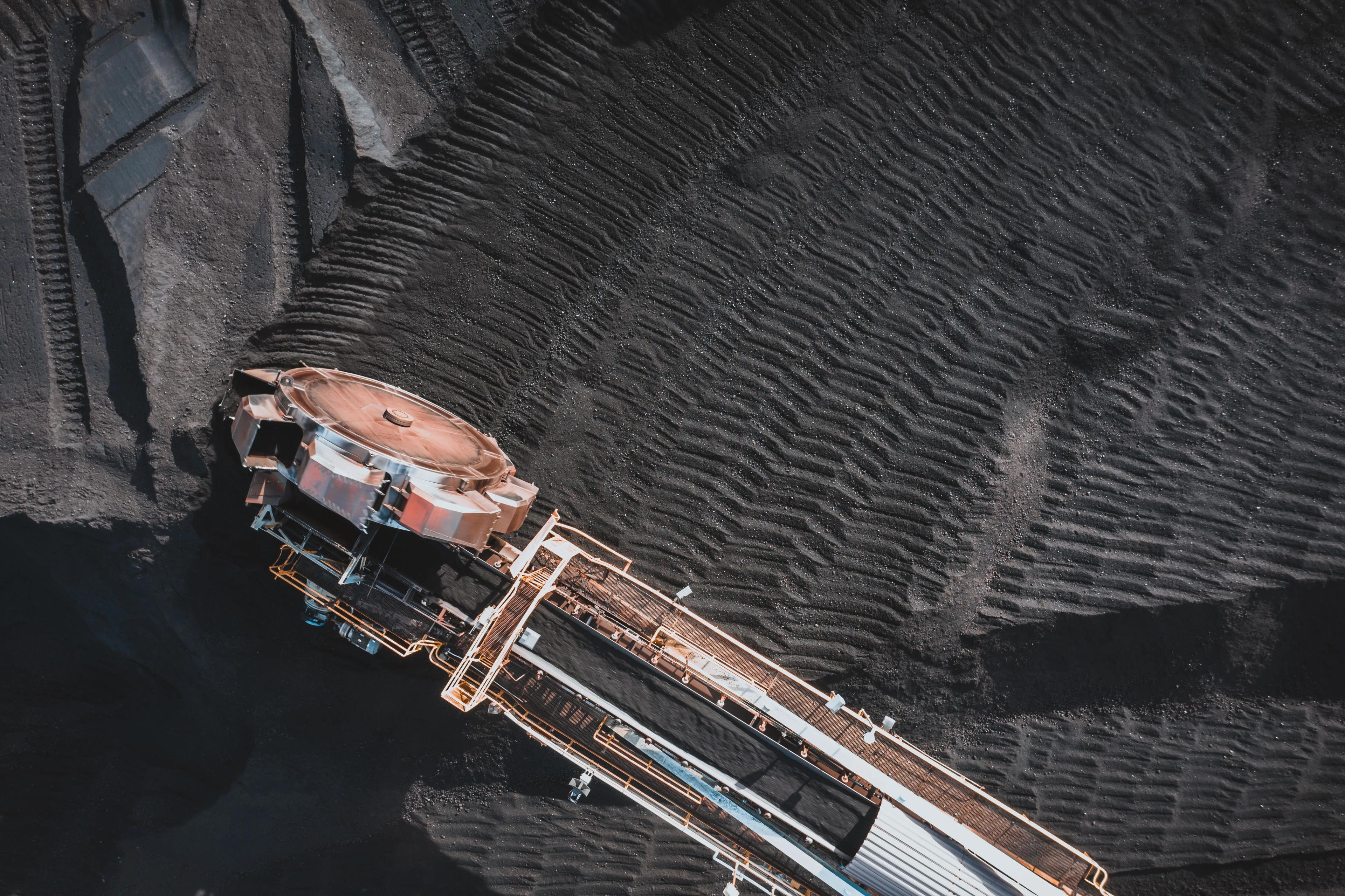








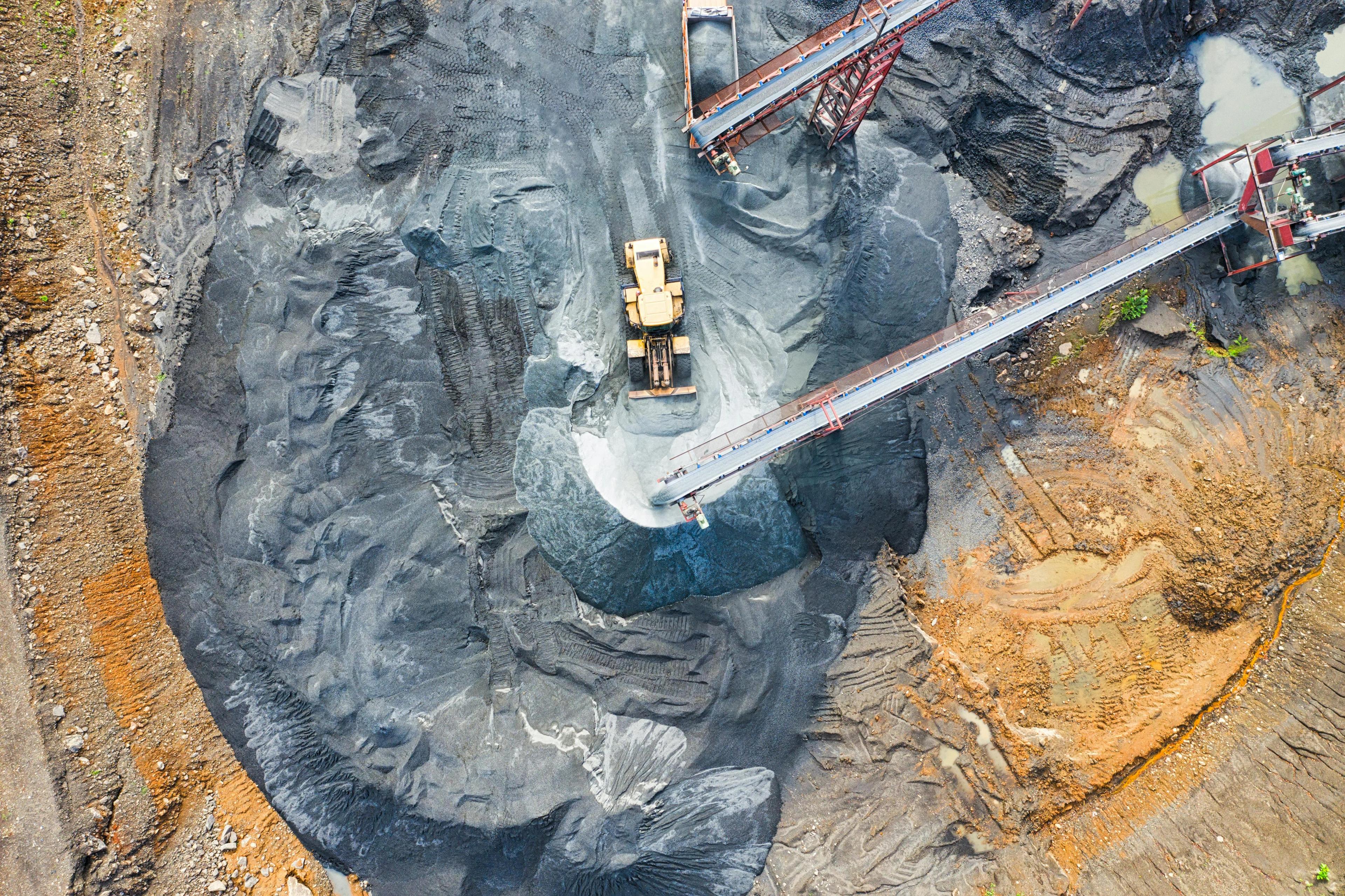

with double guarantee of certificate of iso9001:2000 & ISO14001-2004 Certificate for its production

The company has abundant experience of project operation,products and service supplying

Found its good sale market in North and South America,Europe, South east Asia, Middle East area and Africa
With over 35 years of manufacturing experience, all Sinoconve rubber conveyor belts meet and exceed ISO 9001 standards while complying with DIN-22102, AS-1132, RMA, SANS-1173, and BS-490 criteria, and our flame-resistant belts are SGS tested and certified
SINOCONVE BELT delivers high-strength, wear-resistant conveyor and V-belts for material handling, power transmission, and industrial use—boosting efficiency with impact and cut resistance
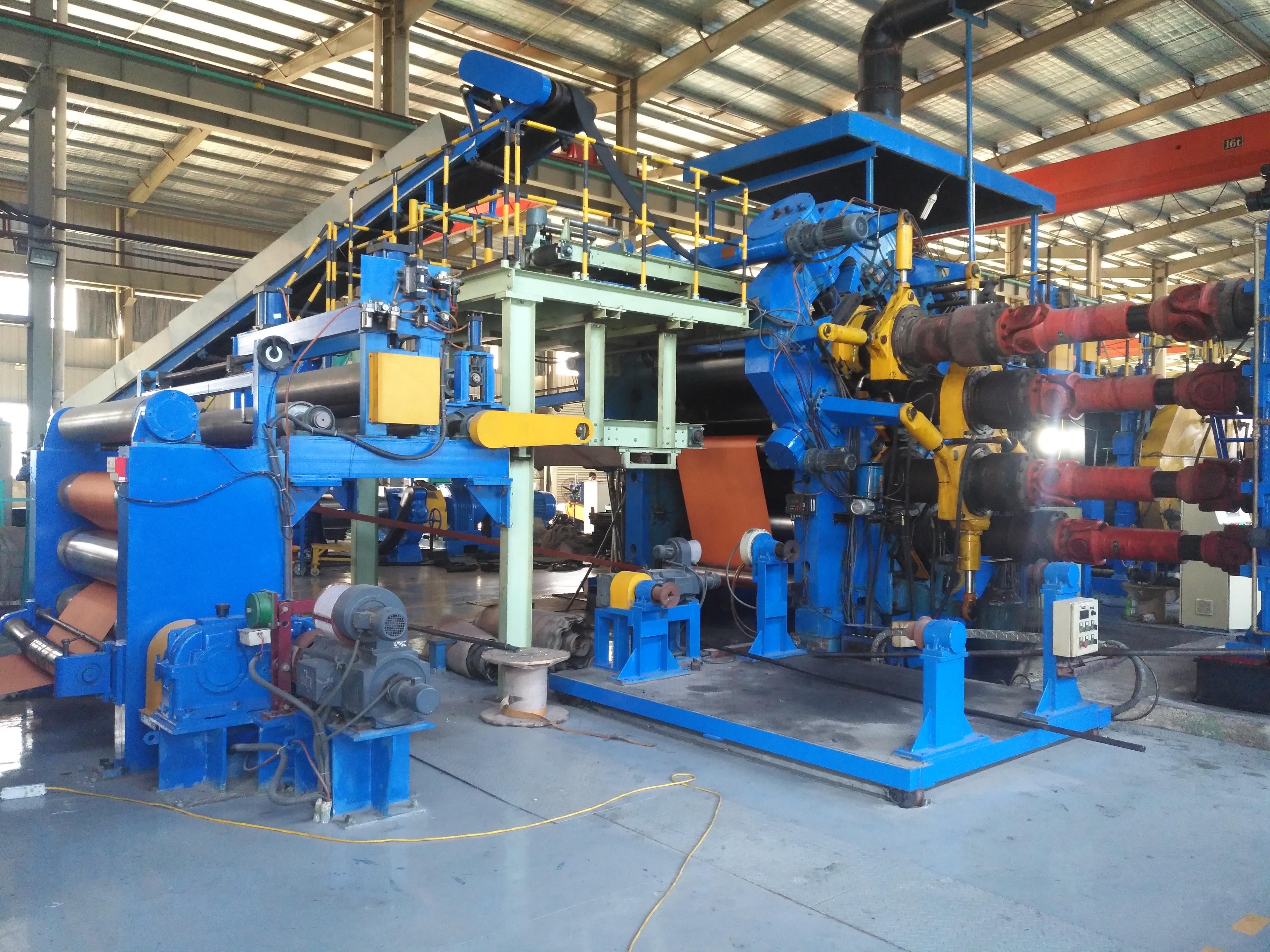
Explore the production equipment and processes behind our conveyor belt and transmission belt manufacturing capabilities.
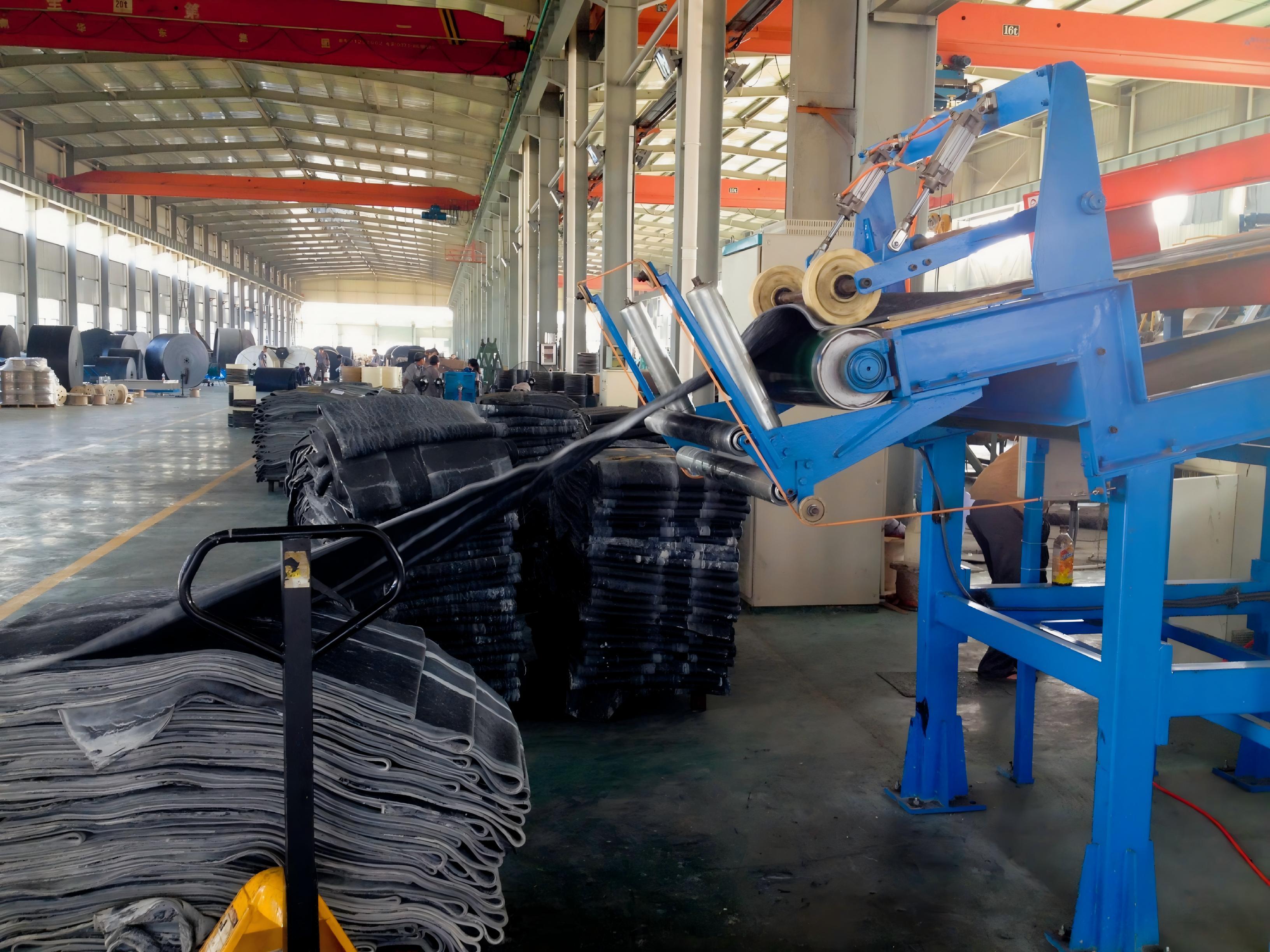
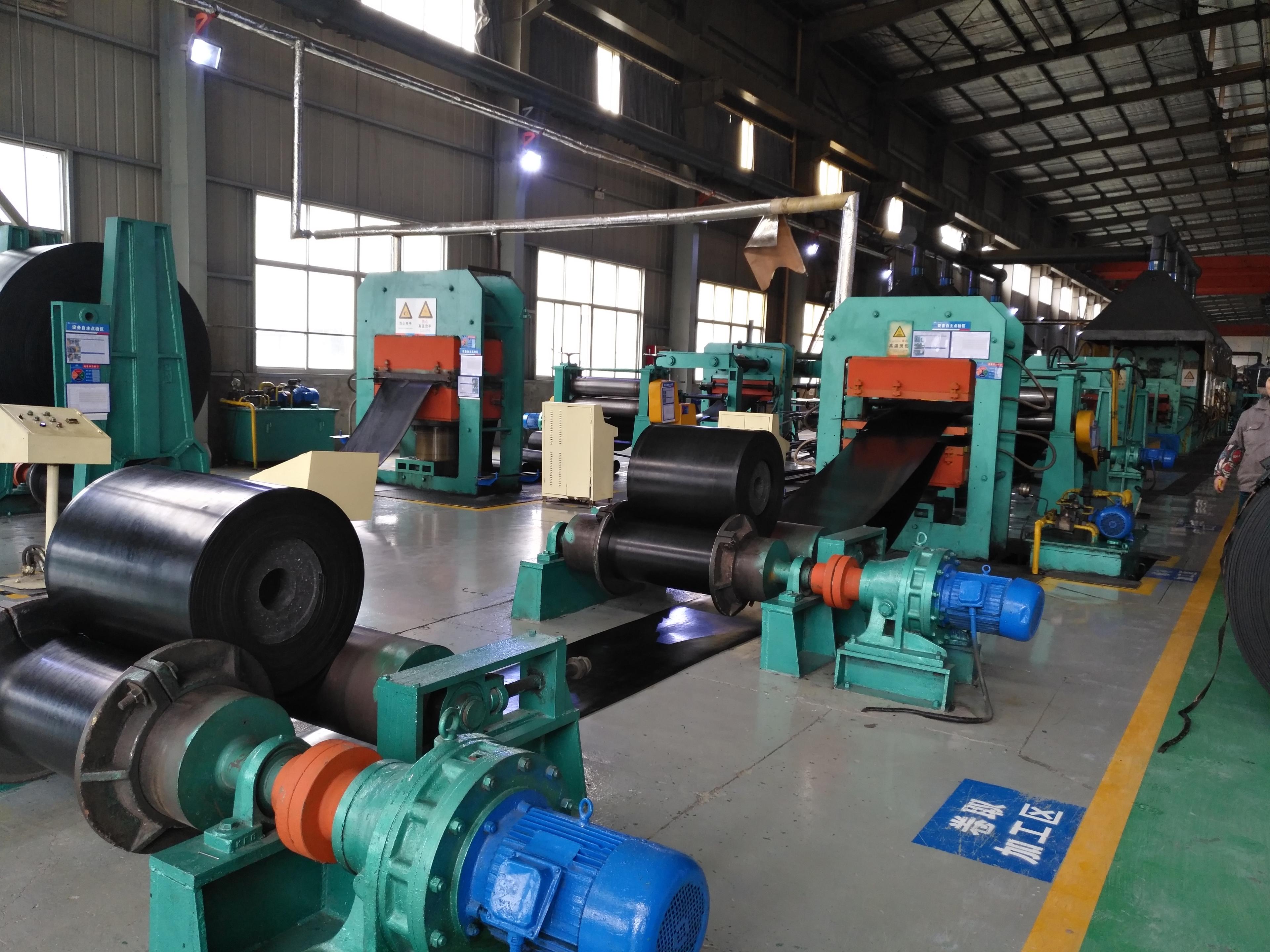
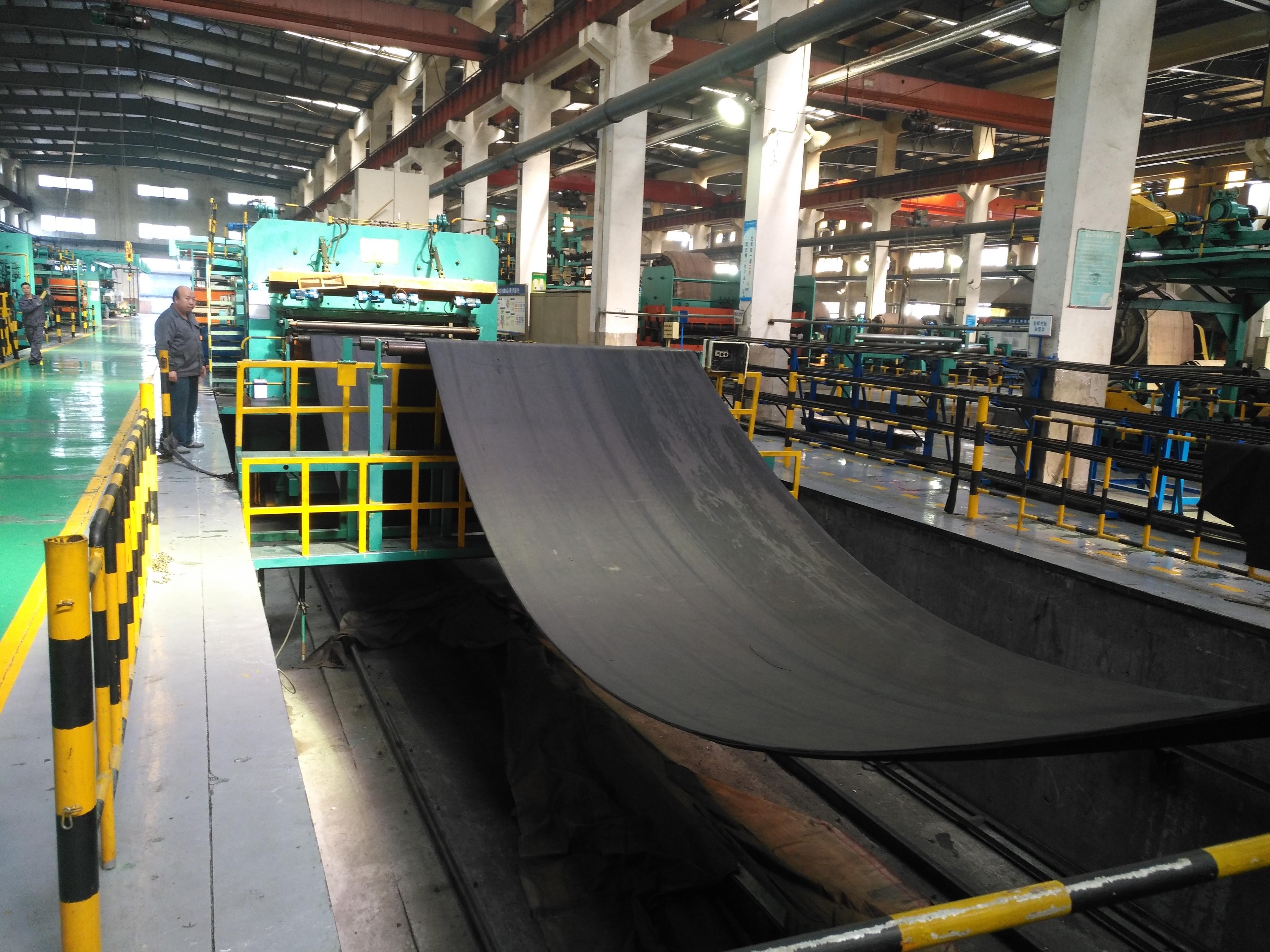
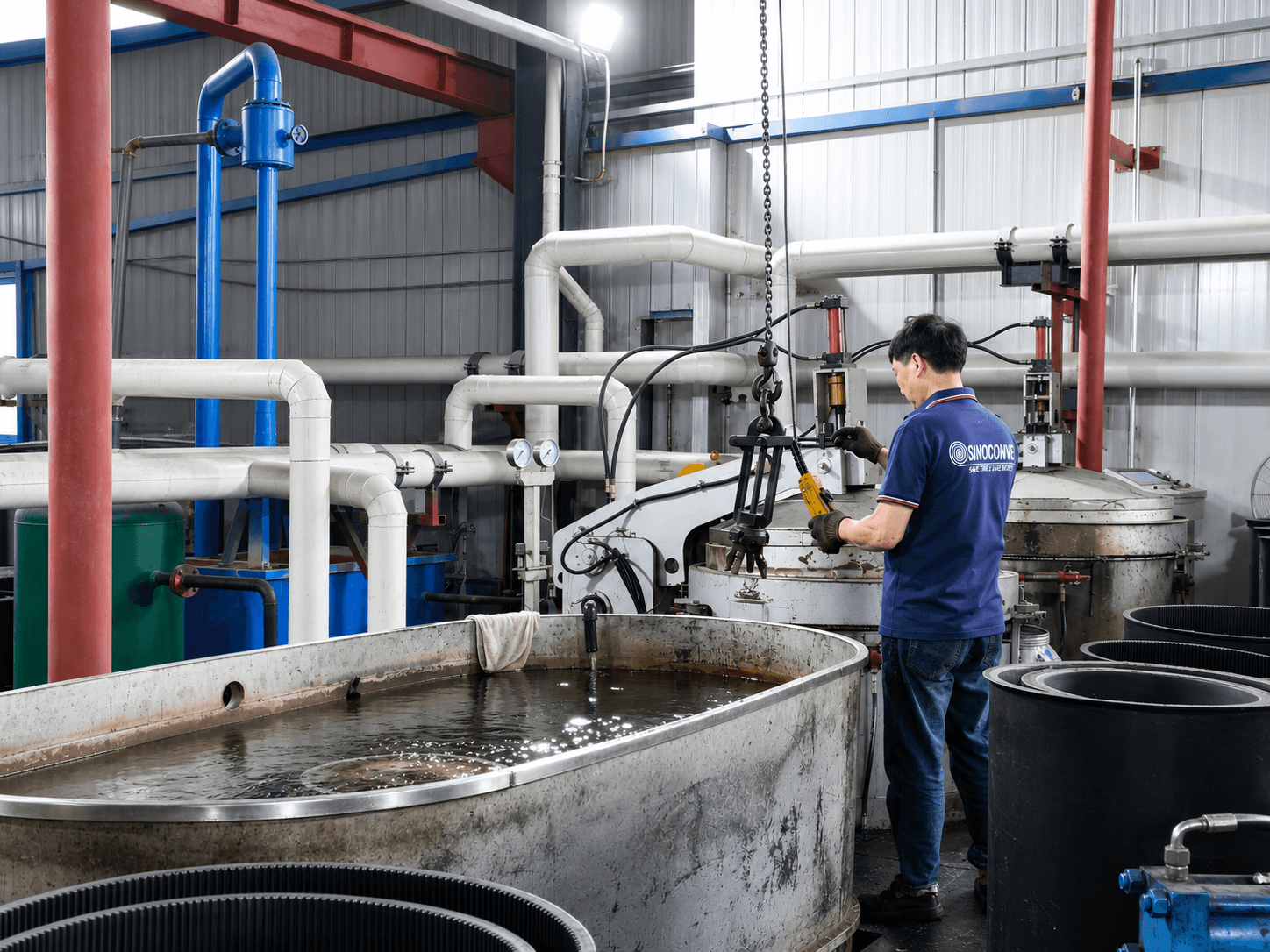
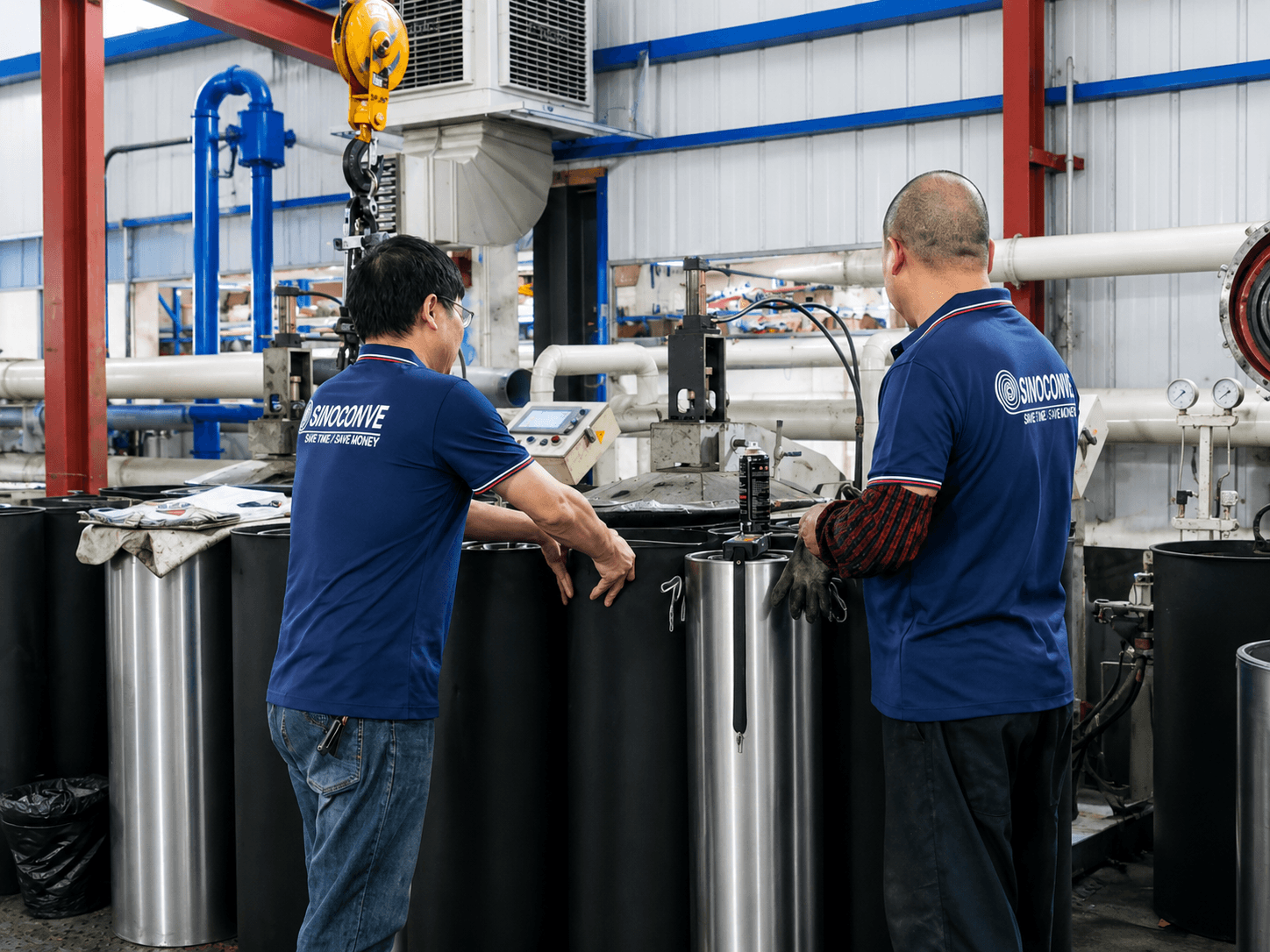
For mining and quarrying projects, conveyor belt quality affects service life, maintenance cost, and downtime. SINOCONVE checks materials, production, finished belts, and performance data before shipment to support stable operation in demanding working conditions.
Quality control starts with raw materials. Rubber compounds are tested by moving die rheometer, while EP fabric is checked for tensile strength and elongation to help confirm belt strength and dimensional stability.
During production, key processes are monitored. The 4-roller calender helps apply rubber evenly, and ply tension is controlled during forming to reduce wrinkles, uneven core thickness, and structural defects.
Finished belts are checked for surface condition, length, width, and thickness according to order requirements. Any visible surface issue is handled in the factory before the belt is approved for packing and shipment.
SINOCONVE conducts laboratory testing for rubber materials, compounds, and finished conveyor belts. Common test items include abrasion resistance, adhesion strength, tensile strength, and other data required by the order.
Before delivery, each order is reviewed for specifications, appearance, dimensions, packaging, and labels. Conveyor belts can be produced with reference to DIN, RMA, ISO, and other applicable standards.


Insights & Updates
Stay updated with the latest news and announcements from SINOCONVE. Explore our latest articles below.
product introduction
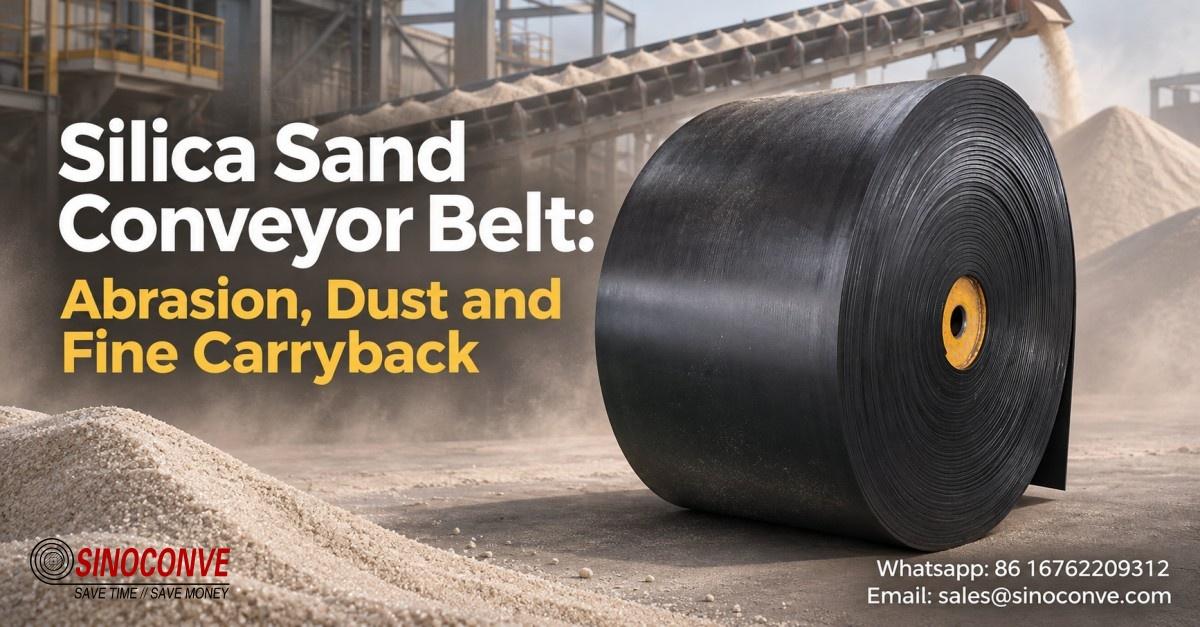
Silica sand does not dent a belt, it thins it. The damage is slow, even and easy to miss until the cover is gone in a band that follows the load centre. What drives that rate is not only how hard the grains are, but whether they flow freely or get trapped between cover and roller, because a grain under pressure cuts far more than one that rolls away. Fine particles also reach places a lump never does: the edge build, the ply ends and the gap behind a skirt rubber. Dust creates the second half of the problem, and the belt cannot solve that alone, since the same fines that settle on the return run also reach the roller seals, and a seized roller marks the cover with a groove that reads like a wear pattern but is not one. This guide separates abrasion from dust damage, explains why cleaner blades round off and stop working without anyone noticing, sets the boundary against glass cullet duty, and closes with the points worth settling before a belt for fine hard material is ordered.
product introduction
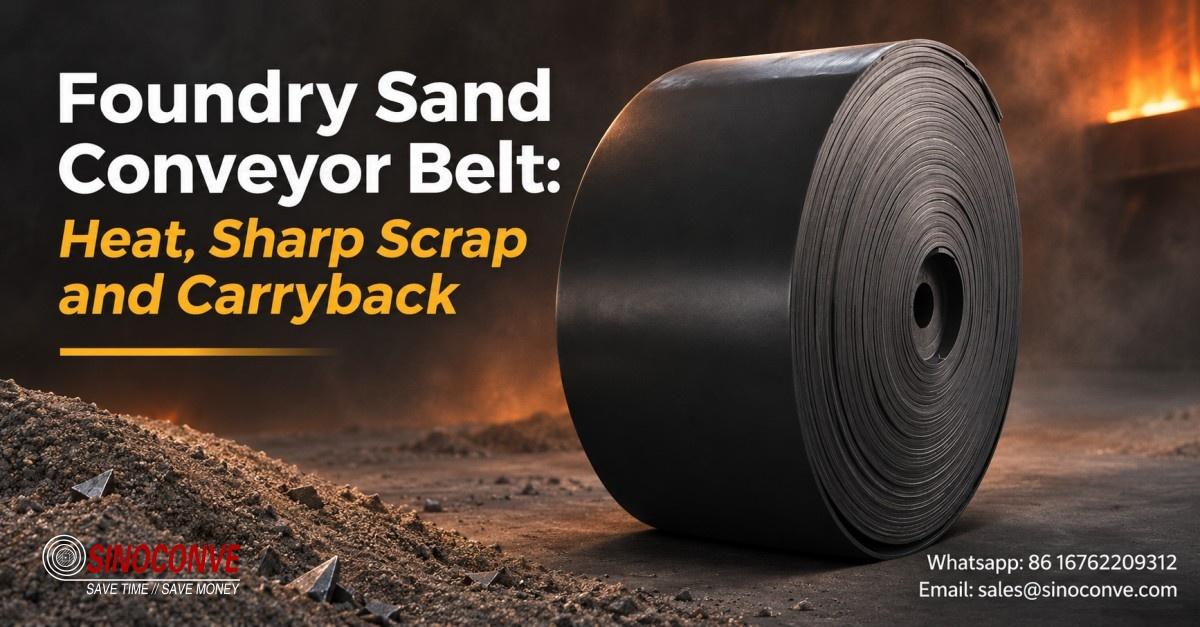
Foundry sand comes back down the line hot, sharp and damp, and the three problems arrive together. Heat is the least visible of them: a cover that is fine on the first pass keeps softening and re-hardening over thousands of cycles, and what fails is not the grade on the label but the surface, which cracks and sheds small pieces. Each piece that leaves exposes a thinner section where a scrap edge can start a cut. Shakeout is where the mechanical damage begins, because a casting and its sand lump land together, so roller spacing and impact support decide more of belt life than a thicker cover. Scrap, flash and sprue cut rather than grind, so the pattern on a failed belt tells you which problem you have. Damp moulding sand adds a fourth problem on the return run, and that is solved with cleaner placement rather than compound choice. This guide follows one belt from shakeout to sand return, sets the boundary against the other sand duty, and ends with what to specify and check on delivery.
product introduction
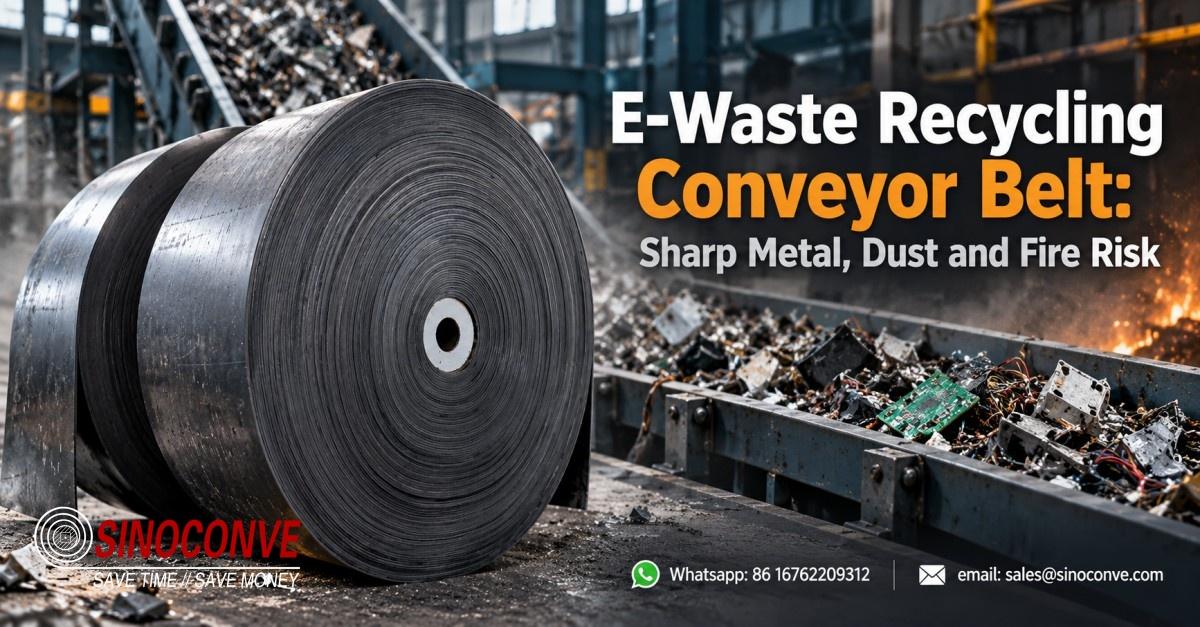
Electronic waste is not one material. A single line carries complete units, stripped cases, shredded mix, fine powder and loose cable, and each of those attacks a belt differently. Sheet metal with a torn edge cuts; repeated impact from the same edge dents and chips; wire and foil wrap around anything that rotates; dust from shredding sticks to a damp cover and comes back on the return run. The risk that separates e-waste from other recycling duty is the battery. A damaged cell in the feed is an ignition source, and once it is on the belt the belt becomes fuel, so compound choice, housekeeping and stop-and-clear discipline matter more than headline specifications. This guide covers each segment of the flow, the difference between cutting and puncture, why wrapping starts where material leaves the intended path, how to keep the fire case first in decisions, and what to ask a supplier and inspect on arrival.
product introduction
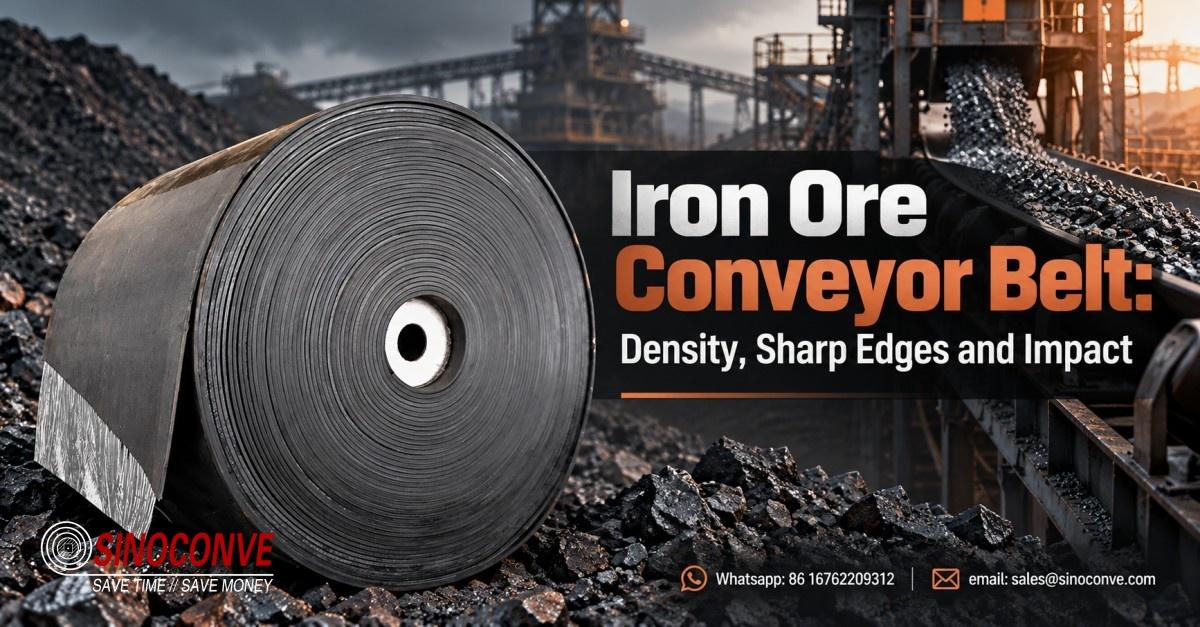
Iron ore punishes a belt in three ways at once: it is heavy, it arrives sharp, and it lands hard. That combination changes what to specify. A cover chosen for slow abrasion loses to a cover chosen for cutting, because the damage is a gouge rather than a polish. The carcass question is not simply heavy duty either. It is whether the line needs the impact tolerance of fabric plies at the loading point or the low stretch of steel cord over a long haul, and the answer often differs between the mine conveyor and the overland run that follows it. This guide works from the load itself: what bulk density and lump shape do to the belt cross section, why cut resistance and abrasion resistance are separate properties, how the loading point decides service life more than the carrying run does, and how fines and moisture turn into carryback, misalignment and edge damage. It closes with what to specify, what to inspect on delivery, and the questions worth settling before the belt is ordered.
