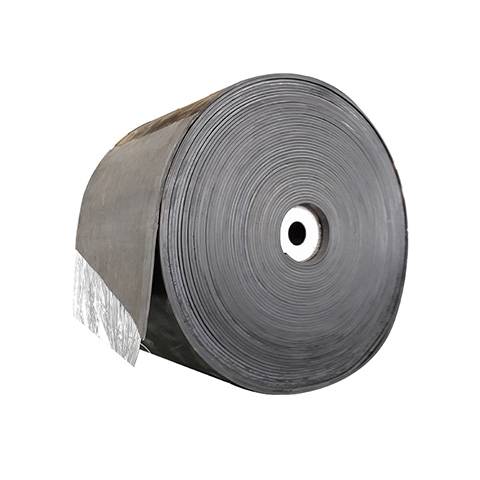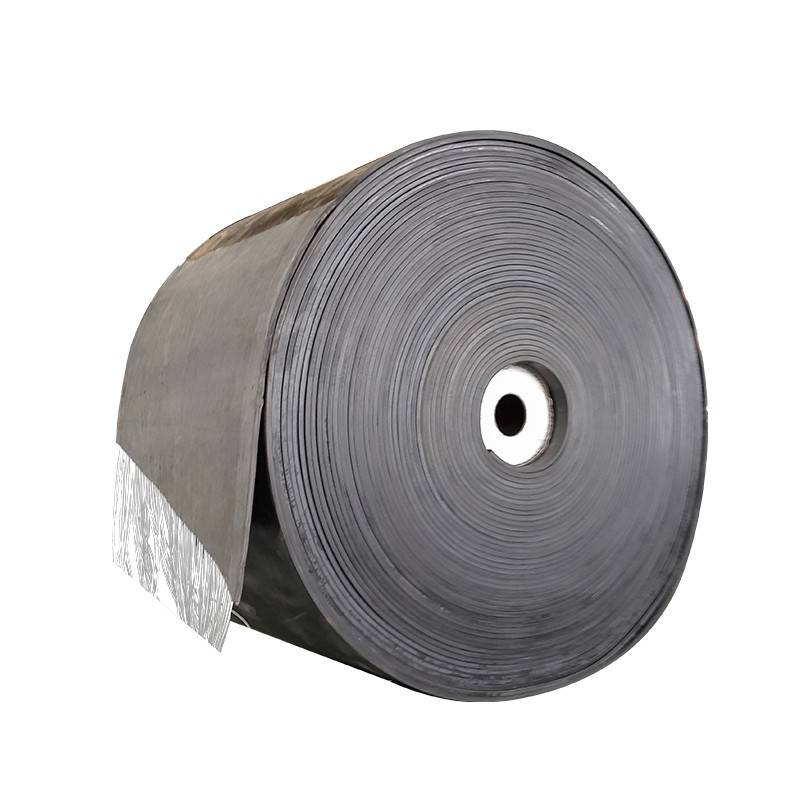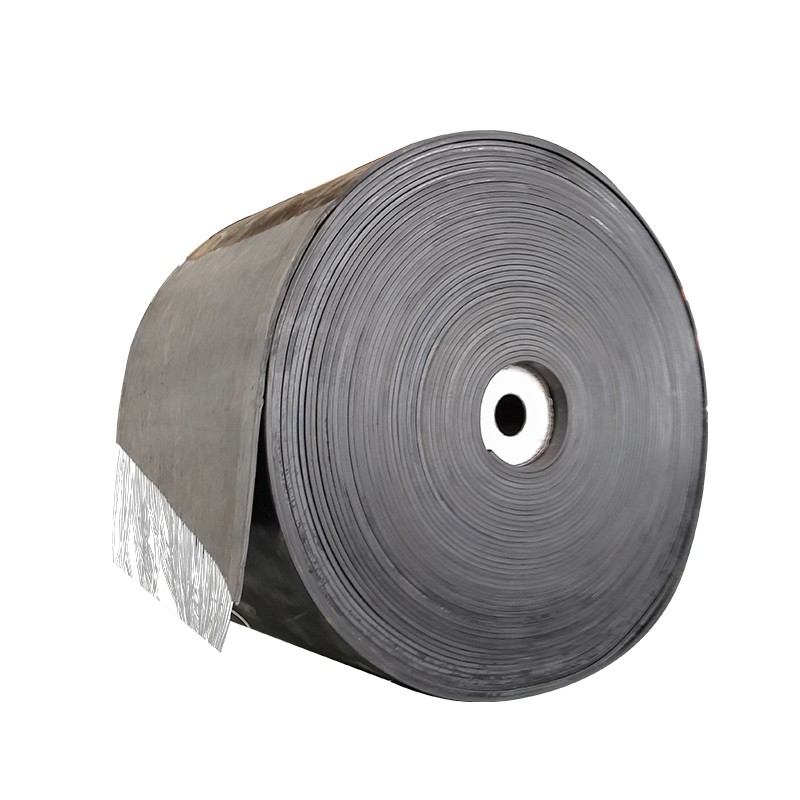



ST630-ST5400 Steel Cord Conveyor Belt for Mining
This page covers the ST630 to ST5400 grade band of steel cord conveyor belting: the range normally reached for when a mine, port or bulk terminal needs one belt to carry the load over a long centre without a fabric splice becoming the limiting part of the circuit. Every belt in that band is built to order. The grade, cord layout, cover and splice are fixed after the conveyor data is known, not before.
Reading the grade number
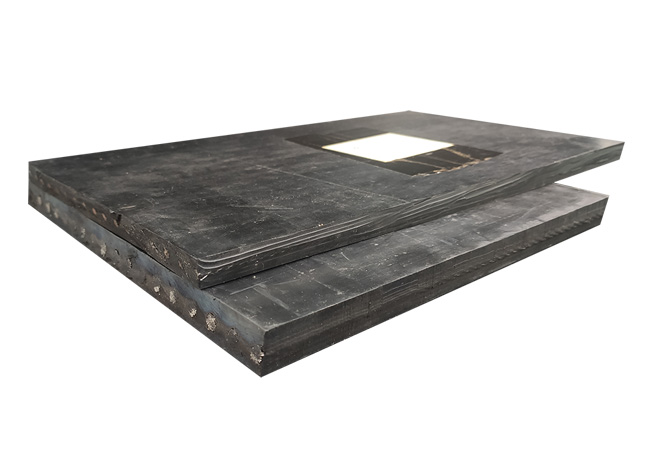
ST stands for steel cord. The number after it is the nominal breaking strength of the finished belt, quoted in newtons per millimetre of belt width. ST1000 therefore means the belt is rated to break at or above 1,000 N for every millimetre of width. On a 1,200 mm wide belt that is roughly 1,200 kN in the test frame. ST2500 on the same width is roughly 2,500 kN, and ST5400 at the top of this band is far beyond anything a fabric carcass can offer.
That number is a ceiling, not a working load. The belt runs far below it in service; the grade exists so that the splice, the pulleys and the take-up all have room to work within a known limit.
Choosing a grade from the duty
The grade is derived, not picked by habit. The sequence is short:
- Establish the maximum steady-state running tension on the route, usually just behind the drive pulley on a loaded incline.
- Multiply it by the safety factor the application justifies. Lump impact at the loading point, starts per hour, regenerative braking on a downhill duty and the service life expected all move that factor.
- Compare the result with the nominal breaking strength of the standard grades and round up to the nearest one that covers it.
- Check that grade against the smallest pulley on the route, because cord construction and pulley diameter are linked, and against the splice efficiency the joint can deliver.
Two belts carrying the same ST number are not automatically interchangeable once the cord geometry, cover or splice differs, so the grade is confirmed together with those details rather than on its own.
Where the ST630-ST5400 band is used
The lower part of the band suits medium-length mining and quarry conveyors where tension is moderate but a fabric carcass would still need too much take-up travel. The middle of the band covers the classic overland and incline duties at mines, cement plants, steel works and power stations. The top of the band is reached on long single-flight conveyors, high lift duties and heavy bulk terminals where the belt has to carry the whole tension of the route.
Typical duties in this band include:
- Primary and secondary crushing feed conveyors, where lump size and drop height dominate the loading point.
- Overland conveyors between pit, stockyard and plant, where centre distance and take-up travel decide the carcass.
- Incline and high-lift conveyors carrying ore, coal, aggregate or cement raw material.
- Port and terminal bulk handling, where a single belt runs from ship unloader or stacker to the yard.
- Long-distance bulk transfer in steel works and power stations, including ash and raw fuel duties.
Grade band covered by this page
| Grade | Typical position in the range | What decides the final specification |
|---|---|---|
| ST630 | Entry grade of the band, medium tension duties | Running tension, pulley diameters, material carried |
| ST800 - ST1250 | General mining and quarry conveyors | Tension with impact allowance at the loading point |
| ST1600 - ST2500 | Overland, incline and high-lift duties | Tension, safety factor, splice efficiency, take-up travel |
| ST3150 - ST5400 | Long single flights and heavy bulk terminals | Maximum running tension, pulley sizes, starting method |
The table places the grades in the band. It deliberately does not print cord diameter, cord pitch, cover thickness or belt weight per grade, because those follow the specific order and the pulleys it has to run on. They are stated on the belt data sheet that comes with the quotation.
Construction notes that matter on a mining duty
The carcass is a single layer of parallel galvanized steel cords running the full length of the belt, bonded in rubber. There are no fabric plies, so there is no ply interface to shear and no stepped fabric splice to open up under repeated starts.
The cover is where a mining belt usually fails first, not the cords. Cover compound and thickness are selected against the material actually carried: abrasiveness, lump size and drop height at the loading point, oil or grease exposure, heat, and whether a fire or anti-static requirement applies on the route. The belt edges are specified at the same time, because edge damage at the loading skirt is a common entry point for water and fines.
Standards reference
ISO 15236 is the reference normally used for steel cord grades and test samples in this band, and it is used here in that sense only. Nothing on this page should be read as a certificate. If a project requires a specific certificate or a third-party inspection, name it in the enquiry and the reply will state plainly whether it can be met.
What to send for a grade recommendation
A quotation for a belt in this band is only as good as the duty behind it. These are the points that change the answer:
- Belt width and centre distance.
- Material handled, lump size and tonnage per hour.
- Lift or incline angle, and whether the duty is regenerative downhill.
- Maximum running tension, or the drive and starting data needed to calculate it.
- Drive, tail and take-up pulley diameters, if they are already fixed.
- Site splice or endless supply, and the access available at the splice point.
- Any project specification or standard the belt must be checked against.
Where a figure is missing it is flagged as an open item in the quotation instead of being filled with an assumption, so the offer does not rest on a number nobody has confirmed.
Frequently asked questions
What does ST1000 mean on a steel cord belt?
It is a nominal breaking strength of 1,000 N per millimetre of belt width. Multiply by the width to get the approximate breaking load of the belt in the test frame, then treat it as the ceiling the splice and pulley layout have to work under.
How do I know whether I need ST1600 or something higher?
From the maximum running tension and the safety factor the duty justifies. Without those two numbers any grade is a guess, which is why the tension diagram or the drive data is the first thing asked for.
Can the grade be changed after the conveyor is designed?
It can be reviewed, but a higher grade adds mass and usually demands larger pulley diameters, so the change is a conveyor decision as much as a belt decision. Send the existing grade and the tension it was derived from and it will be checked against the route.
Do you supply the belt endless or spliced on site?
Both arrangements are discussed against the cord geometry, the access at the splice point and how long the conveyor can be out of service. The choice is agreed before production.
Send the duty and the reply comes back as a specification with the grade, splice and cover stated against your conveyor data.