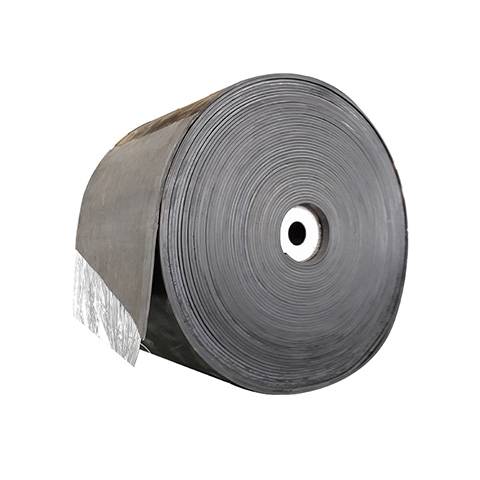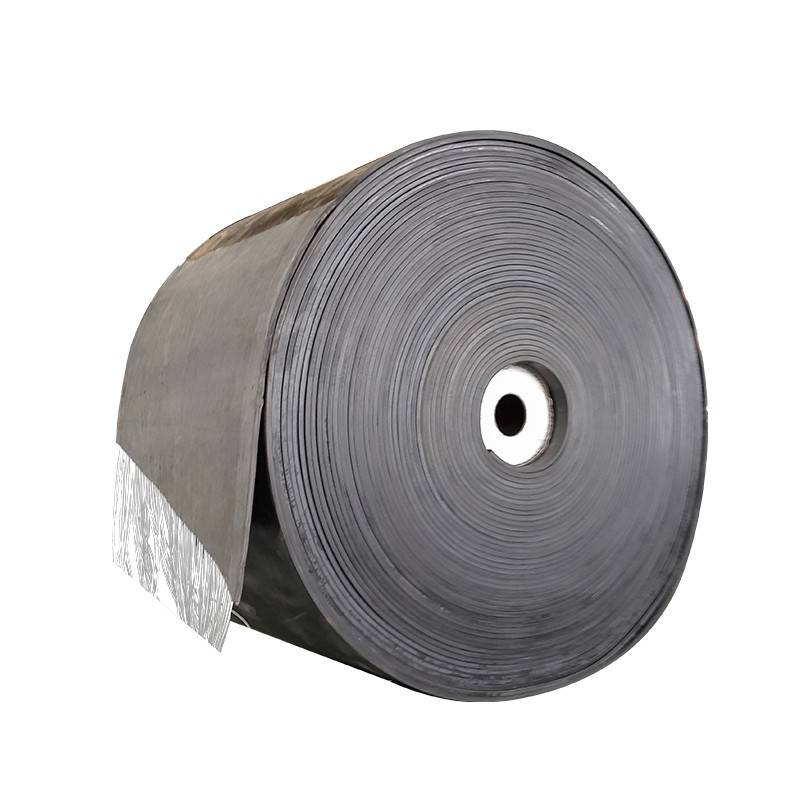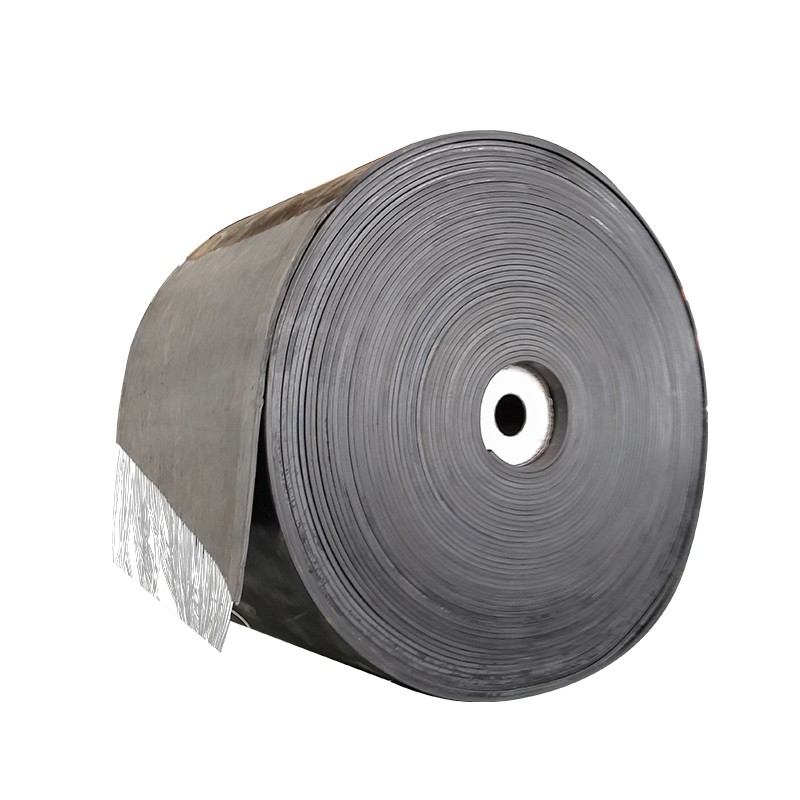



Custom Steel Cord Conveyor Belt for Heavy-Duty Conveying
A custom steel cord conveyor belt is a rubber belt whose load path is a single layer of parallel galvanized steel cables running lengthwise through the carcass, with no woven fabric plies anywhere in the belt. It is built to order for long-distance, high-tension and heavy-duty conveying, where a fabric belt would need more take-up travel and a fabric splice would become the weakest point in the circuit.
Every belt described here is specified backwards from the duty: the maximum steady-state running tension your conveyor develops, multiplied by the safety factor the application justifies, gives the breaking strength the carcass has to deliver. That result, not a catalogue page, decides the grade, the cord geometry, the splice and the pulley diameters.
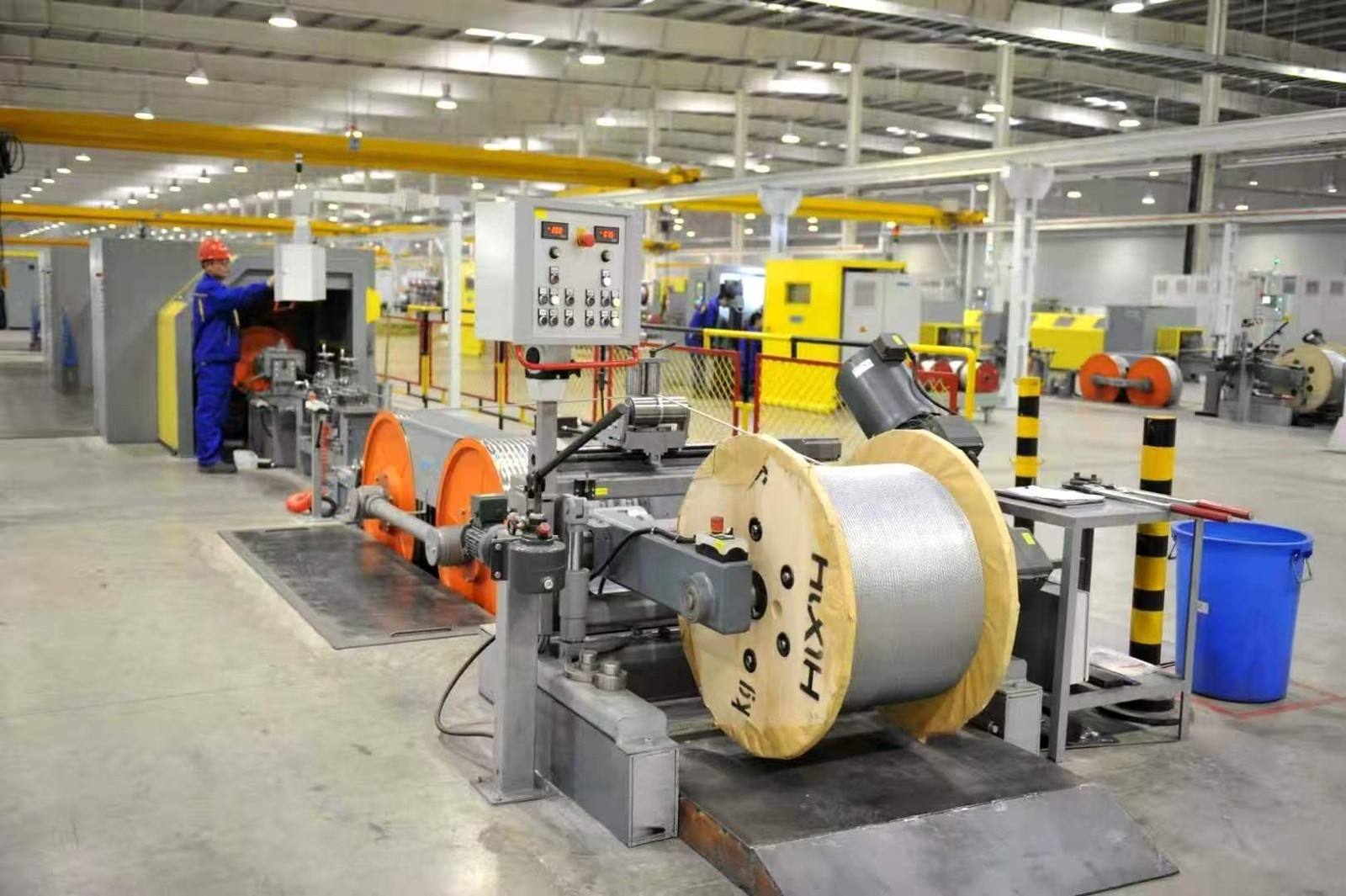
SINOCONVE builds these belts for mining, port, cement, steel, power and EPC duties. Send the duty and the belt is quoted around it.
Get a faster, more accurate quote
Four numbers move a steel cord quotation from an estimate to a fixed offer: belt width, centre distance, material handled, and the maximum running tension (or the drive data the tension can be calculated from). Add the pulley diameters if they are already fixed. With those on the table, the belt specification, the splice and the delivery can be answered in one reply instead of three.
If the tension diagram is not available yet, send the tonnage, the lift, the centre distance and the starting method instead. That is enough to work the tension out and to propose a grade.
Listed product configuration
| Item | What is confirmed here | What we need from you |
|---|---|---|
| Product | Custom steel cord conveyor belt, built to order | Belt width and centre distance |
| Carcass | Single layer of parallel galvanized steel cords running lengthwise, no woven fabric plies | - |
| ST grade | Selected from the calculated maximum running tension multiplied by the safety factor, then rounded up to the nearest standard grade | Maximum running tension, or tonnage, lift, centre distance and starting method |
| Cord diameter | To be confirmed | Grade agreed first; diameter follows the grade |
| Cord pitch | To be confirmed | Grade and belt width |
| Cord construction | 7x7 or 7x19, discussed against the pulley sizes | Minimum pulley diameters on the route |
| Rated breaking strength | Quoted in N/mm of belt width, stated against the ST grade | Confirmation of the grade you require |
| Cover | To be confirmed - cover compound and thickness follow the material carried | Material, lump size, temperature, and any oil, heat or fire exposure |
| Splice | To be confirmed - splice length and number of stages follow the cord geometry | Site splice or endless supply |
| Minimum pulley diameter | To be confirmed | Drive, tail and take-up pulley diameters |
| Operating conditions | Confirm for the application | Ambient and material temperature, dust, moisture, incline, hours per day |
| Standards reference | ISO 15236 is used as the grade and test-sample reference | Any project specification the belt must be checked against |
Rows marked To be confirmed are not withheld information. They are values that cannot be fixed until the duty is known, and a supplier who prints a cord diameter before seeing your tension diagram is guessing.
Material and application note
The carcass is one layer of parallel galvanized cables, bonded in rubber, running the full length of the belt. The cables carry the tension; the rubber holds them in position, protects them from the material, and lets the belt bend around pulleys without the compound tearing away from the wire. There are no fabric plies to delaminate and no ply-to-ply shear plane.
That construction is why steel cord is chosen when the duty leaves little margin. In SINOCONVE own technical article on steel cord specifications, a steel cord carcass is described as stretching roughly 0.2 to 0.4 percent at working tension, while a comparable EP fabric belt is put at 1.5 to 3 percent. Those figures are a typical comparison from that article, not a guaranteed value for a specific belt; take-up travel on your conveyor should be sized from the belt data you are actually supplied.
Steel cord earns its place on long centres, high tension, high lift, and anywhere a fabric splice would be the weakest link in the circuit. On short, light duties spliced in the field, an EP fabric belt costs less and does the same job. There is no advantage in paying for cables a conveyor does not need.
Why buyers choose a steel cord carcass
One load path instead of several plies
All the tension passes through one layer of cables, so there is no ply interface to shear and no stepped ply splice to open up over time. Inspection is simpler too: cord damage and cover wear tell you most of what a splice check needs to know.
Less stretch on long centres
Lower working elongation keeps take-up travel short on overland and long incline conveyors, and reduces the energy the belt absorbs at every start.
Specified around the duty, not around a stock size
Grade, cord geometry, cover and splice are set from your conveyor data, so the belt matches the route instead of being trimmed to fit it.
In the company own introduction, SINOCONVE has been making belting since 1988, runs ten production lines, eight on fabric core and two devoted to steel cord, and has supplied more than 1,500 industrial customers. Those are the company own published figures, given as background about the supplier and not as a specification of this belt.
Application details we check
Before a grade is proposed, these are the points that decide whether a quotation will still be right two years into service:
- Maximum steady-state running tension, and where on the route it occurs, usually just behind the drive pulley on a loaded incline.
- The safety factor the duty justifies, taking in lump impact, starts per hour, and whether the belt is expected to run five years or twenty.
- Stop and start behaviour, including whether the conveyor is a downhill regenerative duty where the belt holds back a loaded incline.
- Pulley diameters along the route, because cord construction and minimum pulley diameter are linked.
- Loading point conditions: lump size, drop height, impact, and whether the belt is choke fed.
- Material carried: abrasiveness, oil, heat, moisture, and any fire or anti-static requirement.
- Splice logistics: site splice or endless supply, access at the splice point, and how long the belt can be out of service.
Customization discussion
Customization on a steel cord belt is not a cosmetic exercise. The conversation usually covers:
- Grade: derived from your tension and safety factor, then rounded to the nearest standard grade, not two grades above it. Oversizing adds mass, adds pulley diameter and adds cost without adding service life.
- Cord geometry: cord diameter, pitch and construction (7x7 or 7x19), agreed together with the pulley sizes.
- Cover: compound and thickness selected for the material actually carried, with the belt edges specified at the same time.
- Splice: length and number of stages, and whether the belt leaves the works endless or is spliced on site.
- Width and length: cut to your conveyor, with the cut length and any allowance agreed before production.
Belt cleaning, pulley lagging and idler specification sit outside this product page. If they belong to the same project, name them in the enquiry and they can be quoted alongside the belt.
Get a technical recommendation and quote
Send the duty in one message and the reply comes back as a specification rather than a price alone:
- Belt width and centre distance
- Material handled, lump size and tonnage per hour
- Lift or incline angle
- Maximum running tension, or the drive and starting data needed to calculate it
- Pulley diameters, if already fixed
- Site splice or endless supply
- Any project specification or standard the belt must be checked against
Where a number is missing it is flagged in the quotation rather than filled in with an assumption, so nothing in the offer rests on a figure nobody has checked.
Frequently asked questions
What does the ST number mean?
ST denotes a steel cord carcass, and the number is the nominal breaking strength of the finished belt in newtons per millimetre of width. ST1000, for example, is rated to break at or above 1,000 N for every millimetre of width, so a 1,200 mm wide ST1000 belt is roughly 1,200 kN in the test frame. The figure is treated as a measured value from a cured sample under ISO 15236, and it is the ceiling that the splice and pulley layout have to respect.
Can you supply a grade that has already been specified?
Yes. If the grade has been calculated by your designer, send it with the belt width and the tension it was derived from. It will be checked against that tension before the belt is built, because two belts carrying the same ST number are not interchangeable once the cord geometry or the splice differs.
Do you publish a cord diameter and pitch table?
Not as a fixed table on this page. Cord diameter, pitch and construction follow the grade and the pulley sizes, and they are stated on the belt data sheet for the specific order. Ask for them in writing with the quotation. A data sheet that leaves pitch off is the one to question.
Is the belt certified to ISO 15236?
ISO 15236 is used here as the grade and test-sample reference behind the ST rating. No certification beyond what is stated on the order documents should be assumed from this page. If a project needs a specific certificate, name it in the enquiry and the reply will say plainly whether it can be met.
What do you need before quoting?
Belt width, centre distance, material and tonnage, and either the maximum running tension or the data to calculate it. Pulley diameters and splice preference shorten the exchange. Anything not yet decided is listed as an open item in the quotation.