

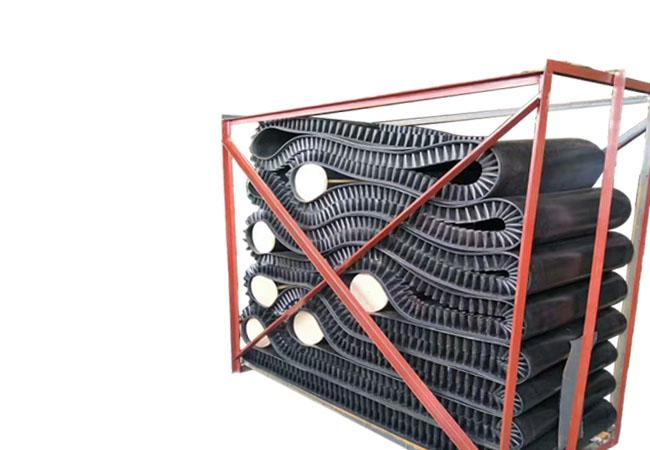
Sidewall Conveyor Belt: Efficiency & Safety Redefined
Sidewall conveyor belts change the geometry of bulk conveying, letting material climb steep inclines of up to 90 degrees without the spillage and rollback that limit flat belts to roughly 18 to 22 degrees. This guide explains how the three-part design works, base belt, corrugated sidewalls and transverse cleats vulcanized together into enclosed pockets that carry material rather than simply supporting it. It covers the site-layout advantages of steep-angle conveying in space-constrained plants, underground mines, ports and urban construction sites, and compares the system with bucket elevators on component count and maintenance. A containment section looks at why enclosed pockets matter for high-value products, hazardous materials and abrasive bulk loads, and a durability section examines compound selection for the base belt and for sidewalls and cleats that flex around pulleys. Application coverage spans mining, quarrying, food and agriculture, recycling and construction, and the specification section explains how sidewall height, cleat height, cleat spacing and base belt specification are matched to material, angle, speed and throughput. The guide closes with the standards-based sidewall belt range and the operating data a sidewall conveyor belt manufacturer needs to confirm a configuration.

Steel Cord Rubber Conveyor Belt: Durability and Efficiency in Material Handling
Steel cord rubber conveyor belts are built for the conveyor applications that push fabric belting past its limits: long runs measured in kilometres, heavy bulk loads, high belt speeds and demanding mining, port and power-station duty. This guide explains what the steel cord construction actually changes, starting with how parallel high-tensile steel cables embedded in rubber deliver far higher tensile strength and much lower elongation than multi-ply fabric at equivalent thickness. It covers long-distance conveying economics, including fewer transfer points and reduced infrastructure, troughability and load stability on standard idler sets, and the tear and rip resistance that contains damage from tramp material. Industry sections review steel cord use in open-pit and underground mining, port terminals, power generation and cement or aggregate plants, and the splice maintenance and electromagnetic cord monitoring that keep these systems running. A specification section outlines the operating data needed to select cord diameter, cord spacing, cover compound and thickness, and the standards-based supply range available from the manufacturer, including abrasion-resistant, heat-resistant and flame-resistant variants produced to DIN, RMA and AS specifications for global bulk material handling operations.
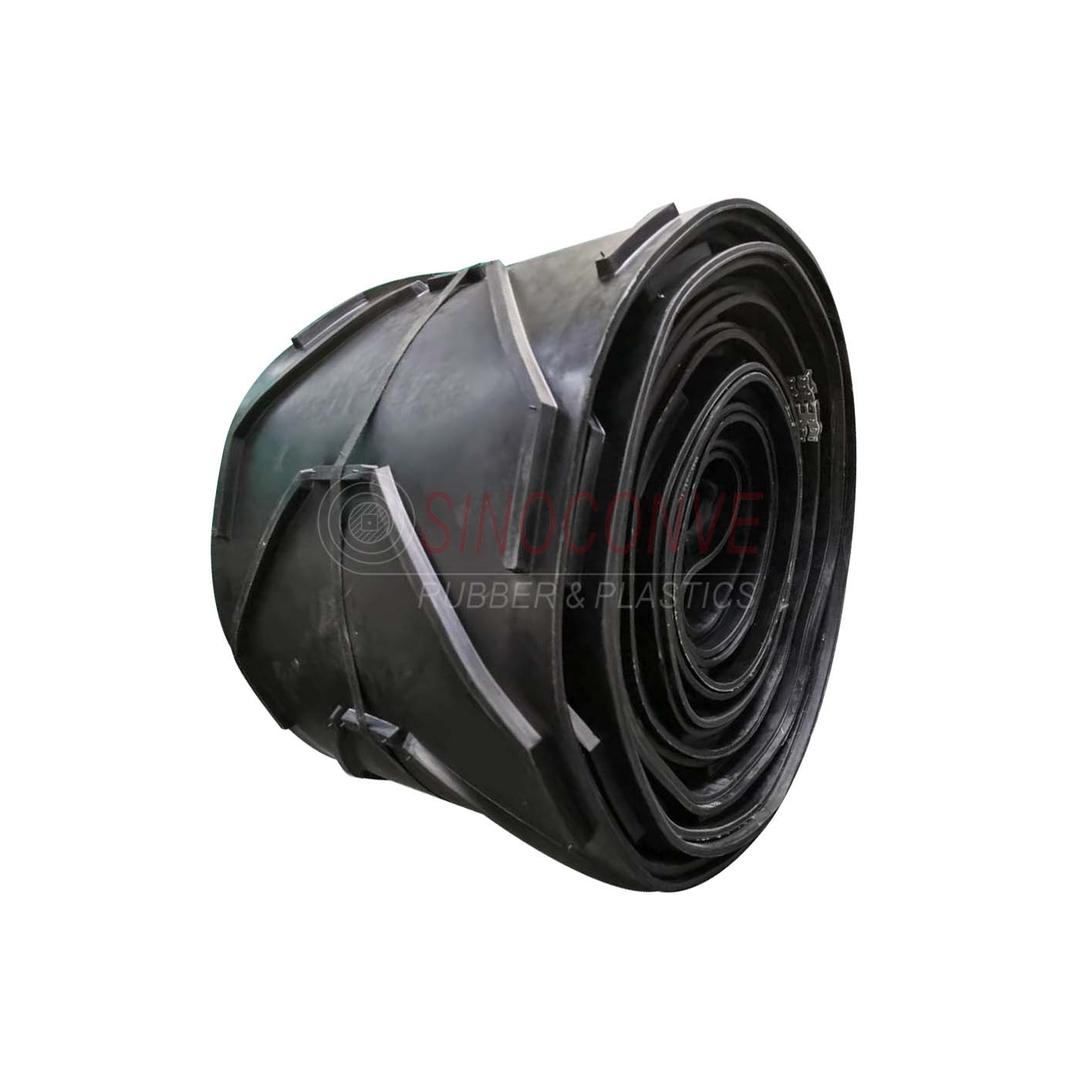
Unleashing Efficiency: Chevron Rubber Conveyor Belt
A chevron rubber conveyor belt solves a specific problem: moving loose bulk material uphill without slide-back. This guide explains how the moulded V-profile creates mechanical resistance against gravity, allowing steeper conveyor angles than a flat belt and shorter, more space-efficient conveyor layouts. It covers the variables that determine real performance, including profile height for different material types, cover rubber compound quality under abrasion and repeated pulley flexing, and carcass strength for the higher tension of inclined systems. The article describes where chevron belting is used in practice, from mining, quarrying and aggregate handling to agriculture, construction and recycling, and makes the efficiency case in measurable terms, including reduced spillage, fewer transfer points and predictable maintenance. A closing section reviews the chevron belt range available from the manufacturer, with standard profiles and heat-resistant or abrasion-resistant compound options supplied to DIN, RMA and AS standards. The guide is written for buyers and maintenance engineers selecting a belt for inclined conveyor duty, with practical guidance on the material, lump size, angle and belt width information a chevron conveyor belt manufacturer needs to confirm the right profile and construction.
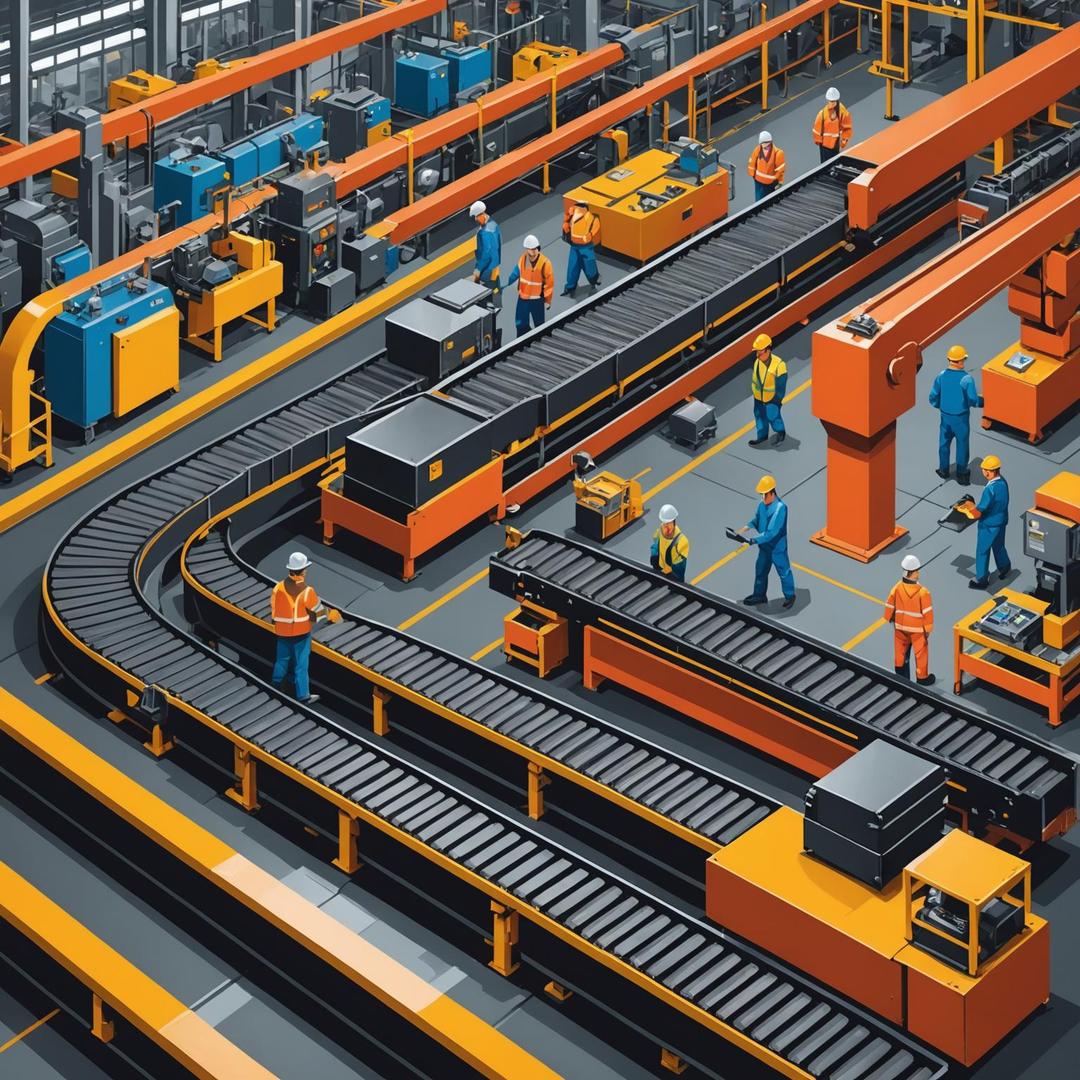
A Basic Guide to Rubber Conveyor Belts in Industrial Operations
This basic guide explains how rubber conveyor belts are built and why the right construction matters in industrial operations. It starts with what makes a conveyor belt industrial-grade, then covers the layered structure of covers and carcass, and the rubber compound choices that suit abrasive, hot, oily or chemically aggressive materials. The guide compares heat-resistant and chemical-resistant grades, explains how belt construction affects operational efficiency through rotational resistance, surface grip on inclined conveyors and noise, and reviews the customization options of length, width and configuration, including cleated and sidewall belts. It also sets out what to look for in a supplier, from tested performance data and DIN, RMA, AS and ISO specifications to practical sector experience in mining, cement and port handling. The final section makes the long-term cost argument: a correctly specified rubber conveyor belt that runs for years is cheaper than a budget belt replaced every year once maintenance labour, shutdown time and lost production are included. Aimed at maintenance engineers and buyers in bulk material handling, the guide links to product ranges, chevron and sidewall belt options, and further reading on belt selection.
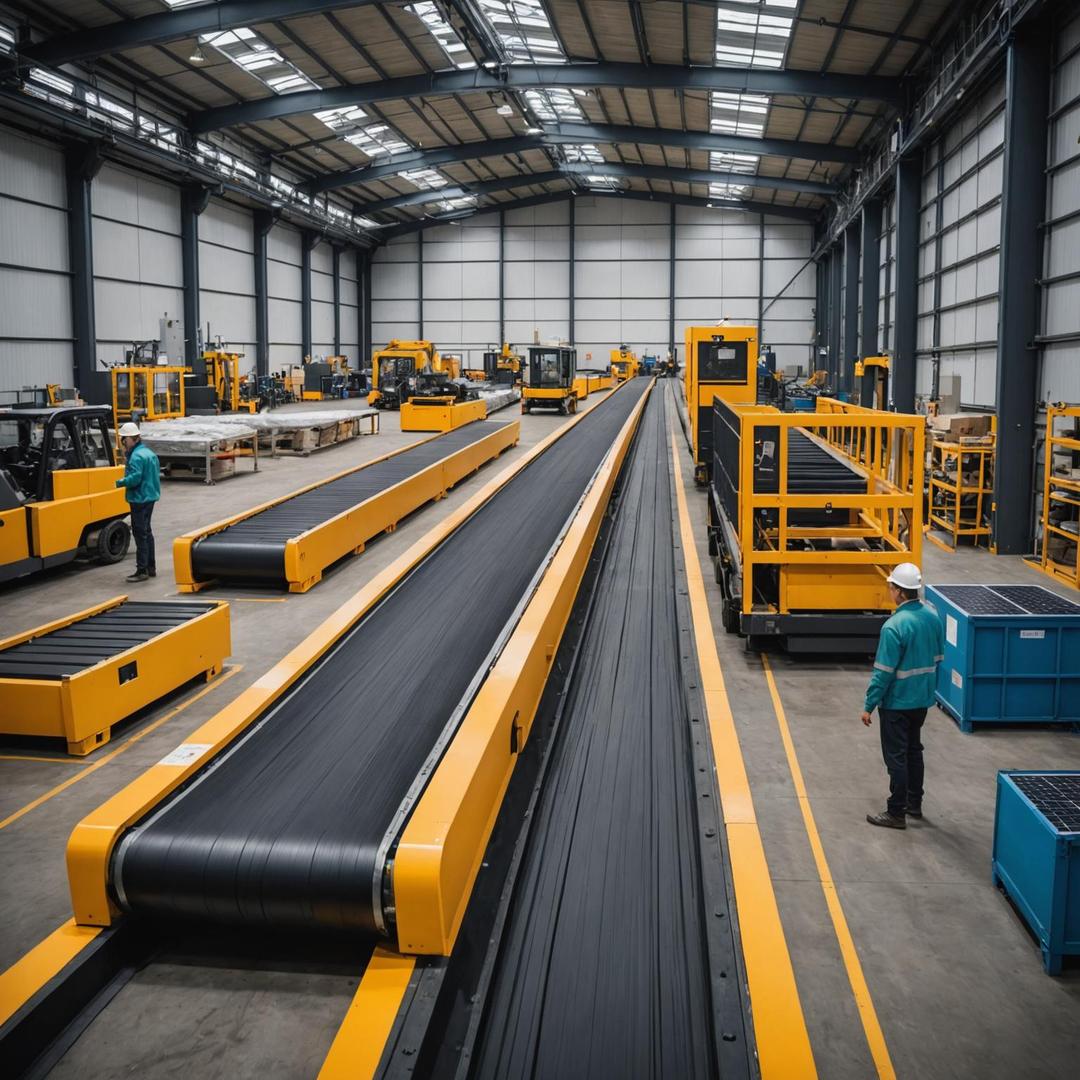
Rubber Conveyor Belt: What Actually Determines Performance in the Field
A rubber conveyor belt is a layered product, and its real-world performance depends on matching every layer and selection decision to the application rather than to a catalogue. This guide explains what actually determines field performance: why cover selection should start with the material and environment, how heat resistance depends on a defined operating condition, when textile carcasses are preferable to steel cord, and why width, strength and cover thickness must be chosen together. It also walks through the loading zone as a common cause of premature belt damage, tracking as a system-level diagnosis, splice selection tied to maintenance strategy, and surface requirements for inclined conveying. A buyer-focused section lists the application data that should accompany a rubber conveyor belt RFQ, and the standards discussion clarifies how DIN, ISO and related test methods create a comparison basis without replacing application engineering. Examples cover mining, aggregate, coal handling and cement service. The guide closes with what to check in a rubber conveyor belt manufacturer, including production scope, quality control and test documentation, so that quotations can be compared on duty and construction rather than on price alone.
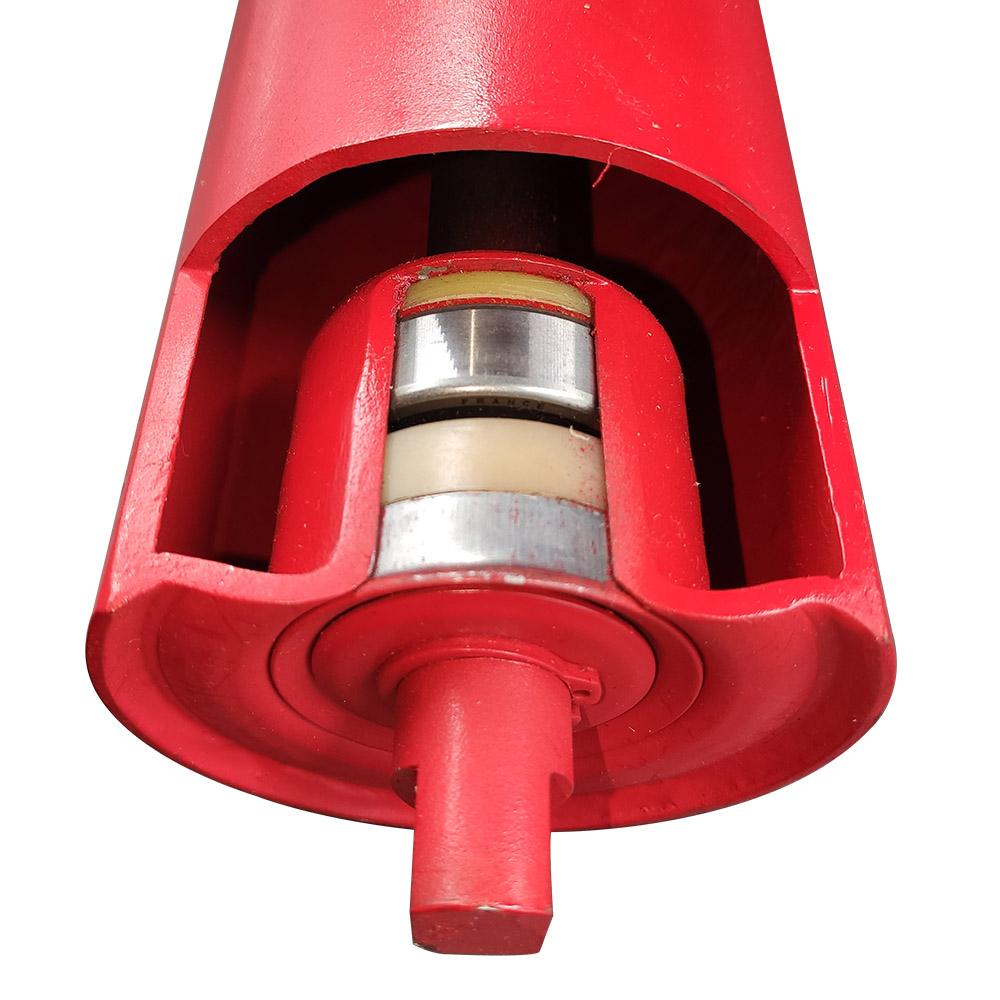
Steel Conveyor Belt Roller: Performance Under Pressure
A steel conveyor belt roller has to be specified for the position it serves, not just by tube diameter and price. This guide explains what buyers should verify before choosing heavy-duty conveyor rollers: bearing and seal design for dusty or wet environments, load capacity across carrying, return and impact duties, shell and shaft construction that matches the actual conveyor, and rotational resistance as a system-level consideration rather than a marketing claim. It also covers how operating environment changes the specification for mining, quarrying, cement, ports and logistics, how to diagnose repeated roller failures before reordering, and which details belong in a steel conveyor roller RFQ. Comparison tables help buyers check dimensions, shaft configuration, bearing protection and load conditions side by side, and the FAQ answers common questions such as whether a thicker roller is always better and why rollers become difficult to rotate. The guide closes with practical criteria for comparing suppliers beyond unit price, including quality control, documentation and duty alignment, and clear guidance on the information to send when requesting replacement rollers or quotation support from a conveyor roller manufacturer.
Explore more
We are committed to providing you with better products and services. Welcome to browse more content for details