

Blog
Chevron Conveyor Belts: Built for Steep Angles, Heavy Loads, and Zero Slippage
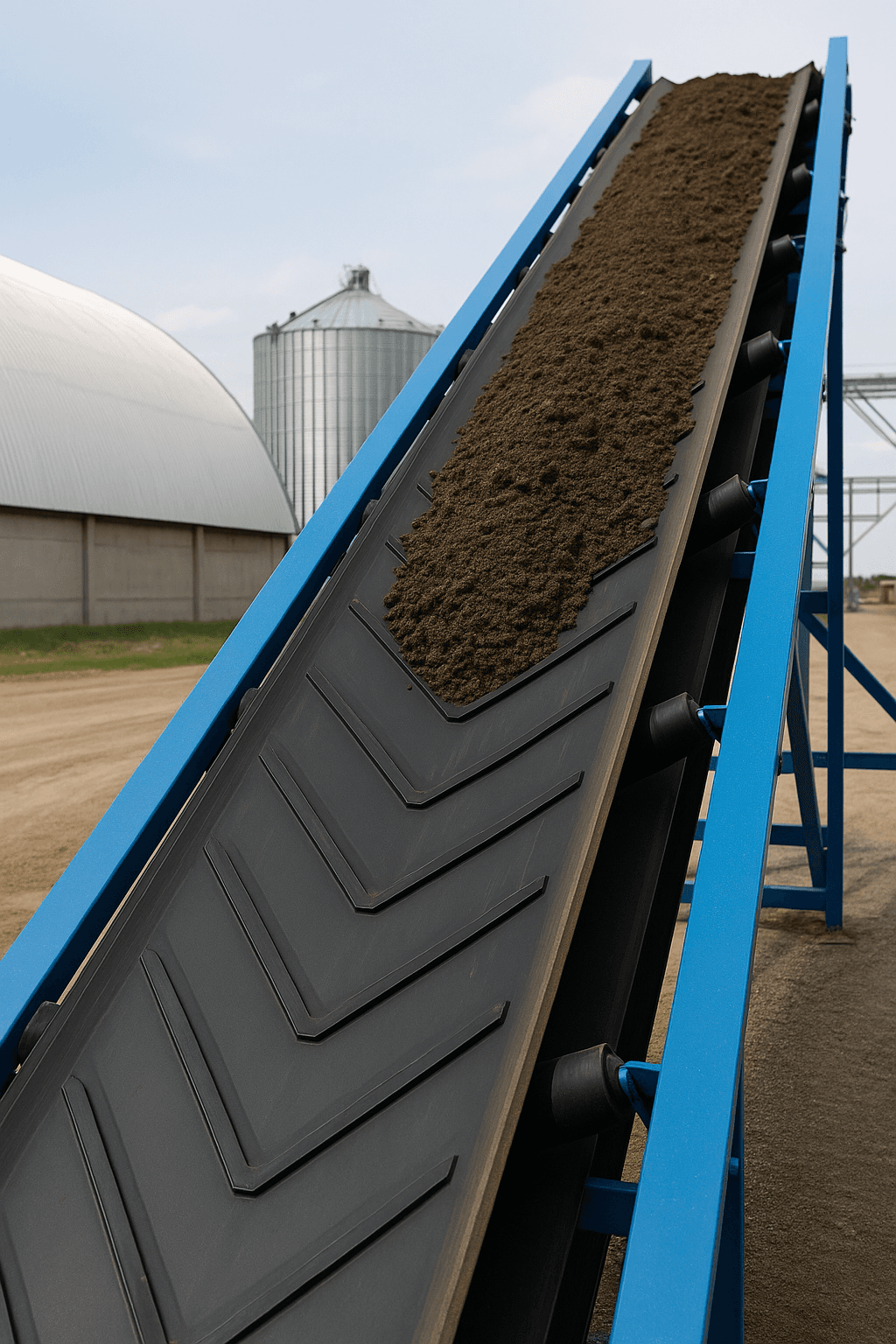
Chevron conveyor belts exist for one reason: to keep loose bulk material moving uphill instead of sliding back. This guide explains how the moulded V-profile creates mechanical resistance against gravity, why profile height has to be matched to material type and lump size, and how steep-angle operation changes the carcass and cover specification compared with a flat belt. It covers the applications where chevron belting outperforms flat belting - mining and quarrying, aggregate, agriculture, construction and recycling - and the efficiency case in practical terms: less spillage, fewer transfer points, shorter conveyor runs for the same lift and more predictable maintenance. A selection section sets out the data needed to choose the right profile - material, lump size, incline angle, belt width and throughput - and the article closes with the compound and profile options available for abrasion-, heat- and oil-resistant duties.
Cold-Resistant Conveyor Belts for Snow, Ice, and Freezing Environments
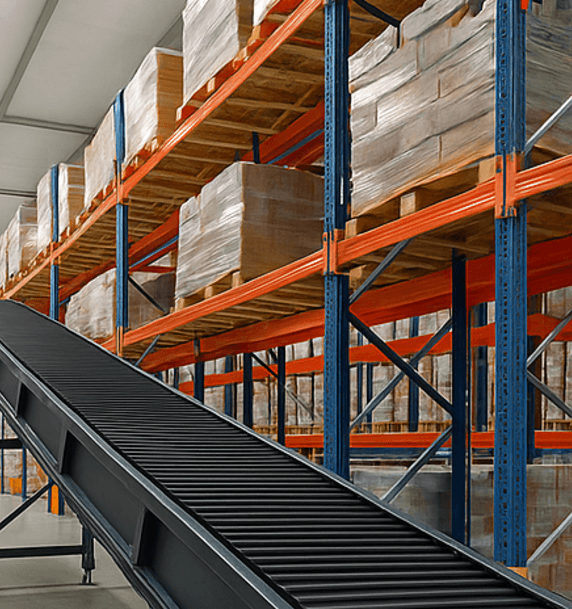
Discover how cold resistant conveyor belts stay flexible, crack-resistant, and reliable in extreme sub-zero environments—from arctic mining to refrigerated logistics.
Oil Resistant Conveyor Belts for Greasy Loads: Stay Flexible, Run Longer
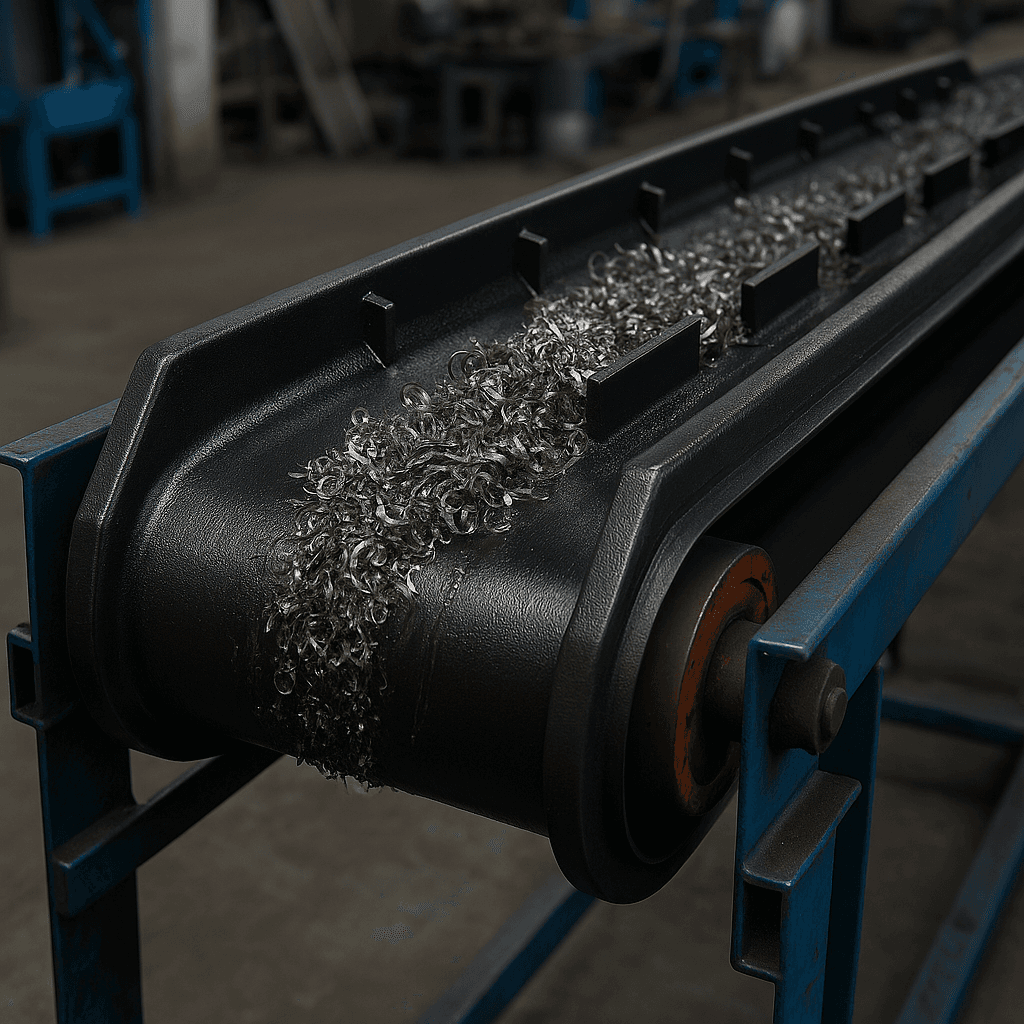
Oil and grease do not just make a conveyor belt dirty - they attack the rubber. This guide explains why oil resistance matters in conveyor systems, what happens to a standard belt when it meets grease, fat or hydrocarbons, and how compound selection changes the outcome. It covers the features that separate an oil-resistant belt from a general-purpose one, the material grades available and which duty each suits, and the applications where the difference shows up in maintenance cost: recycling plants, biomass and agriculture, food processing and slaughterhouses, rubber and chemical operations, and metalworking or auto plants. A selection section sets out the questions to answer before ordering - the oil type and concentration, temperature, cleaning regime and belt construction - and the closing section covers the factory range, compound options and documentation available for oily environments.
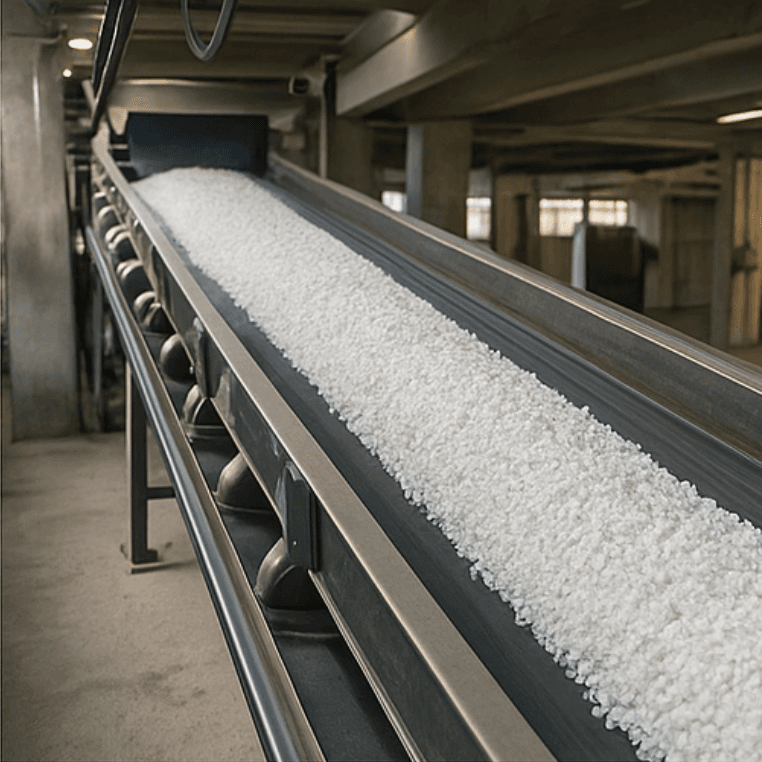
Chemical Resistant Conveyor Belts: Engineered for Harsh, Corrosive Environments
Chemical-resistant conveyor belts exist because aggressive materials attack ordinary rubber long before they wear it out. This guide explains what chemical resistance actually means in belt construction - which acids, alkalis, solvents and oils matter, how the cover compound is selected for each family, and why the carcass and the splice deserve the same attention as the cover. It covers the industries where chemical attack is routine: fertilizer production, chemical handling, wastewater treatment, mineral processing and food processing washdown environments. A selection section sets out the operating data a manufacturer needs to recommend a compound - material carried, concentration, temperature, exposure duration and cleaning regime - and a system section explains how loading, tracking and inspection intervals change when a belt runs in a corrosive environment. The article closes with the compound options and documentation available from the factory.
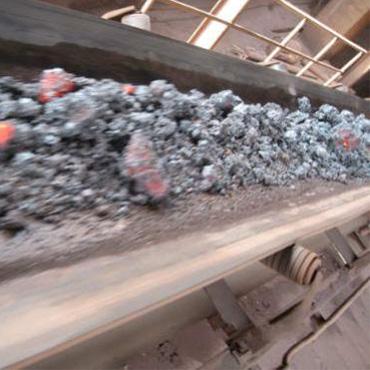
Heat Resistant Rubber Conveyor Belt: Modern Solutions
Heat is one of the quietest ways a conveyor belt fails: the rubber hardens, cracks and loses its bond to the carcass long before the belt looks worn. This guide explains what heat resistant actually means in belt construction, starting with the grades and the continuous material temperatures they are built for, and why cover compound, carcass type and splice design all have to be matched to the duty rather than bought separately. It covers the industries where the temperature ceiling is crossed regularly - cement plants, steel mills, foundries, power generation and clinker handling - and the system considerations that decide belt life, from loading zone impact and pulley diameter to inspection intervals and spare planning. A selection section sets out the information a manufacturer needs to recommend the right grade, and the closing section covers the production and testing behind a heat-resistant belt range.
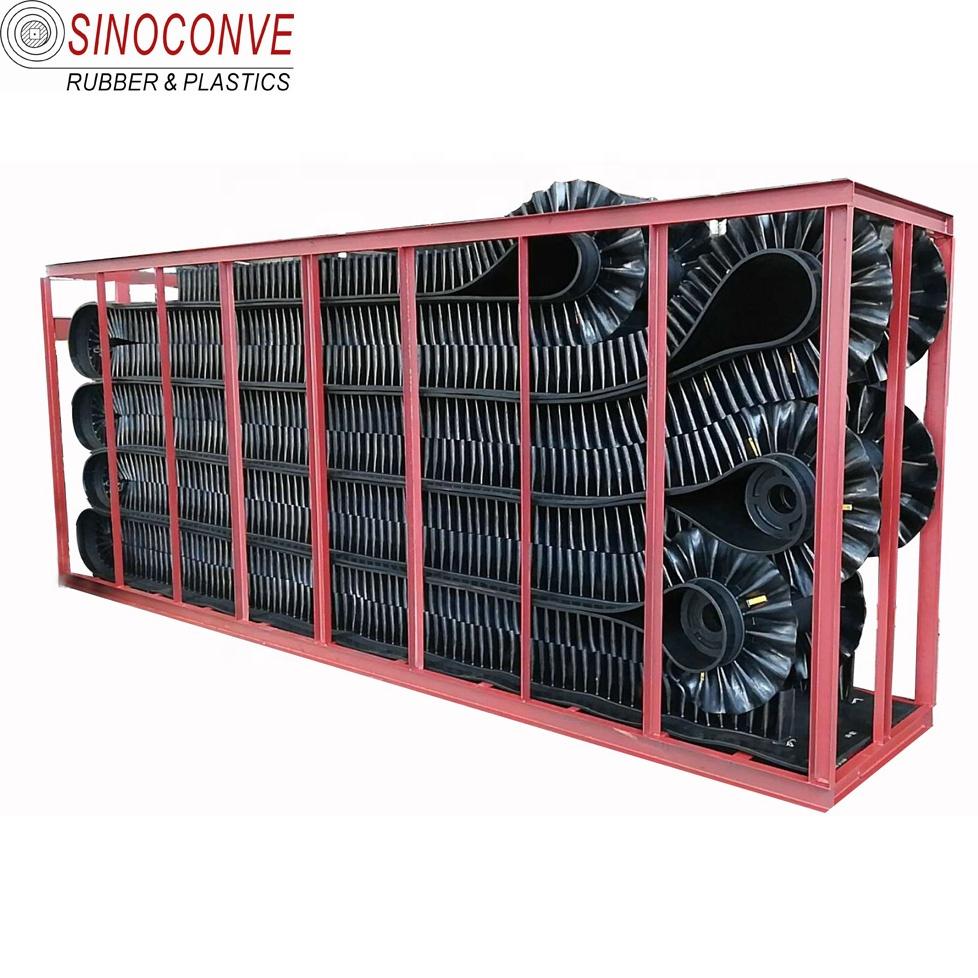
Sidewall Conveyor Belts: Space-Saving Solutions for Steep and Vertical Transport
A sidewall conveyor belt changes what a conveyor can do in a tight footprint. By vulcanizing corrugated sidewalls and transverse cleats onto a rubber or PVC base belt, it creates enclosed pockets that carry material up steep inclines and vertical lifts instead of letting it slide back. This guide explains how the construction works, what the key advantages are compared with long inclined flat belts and bucket elevators, and where sidewall belts are used in practice - mining and quarrying, ports, food and agriculture, recycling and construction. A selection section covers the data that determines the configuration: material type and lump size, incline angle, throughput and belt width, plus compound choices for abrasive or hot material. The article closes with the factory options available for custom sidewall heights, cleat spacing and custom profiles, and the information to send with an RFQ.
Explore more
We are committed to providing you with better products and services. Welcome to browse more content for details