

Blog

Steel Cord Conveyor Belts for Heavy Loads
A steel cord conveyor belt is usually specified when a fabric belt is no longer enough: long centre distances, high working tension, heavy ore, steep lift, and very little tolerance for stretch. This guide explains what the steel cord construction actually changes, starting with how parallel high-tensile cables embedded in rubber carry far higher tension with much lower elongation than multi-ply fabric. It covers the applications where steel cord belts earn their cost - mining, port terminals, power generation and cement - and the specification variables that decide performance: ST rating, cord diameter and spacing, cover grade and thickness, troughability and impact protection at the loading zone. A failure-pattern section explains what broken cords, splice damage and cover wear reveal before a reorder, and a buyer checklist lists the conveyor data to send with an RFQ so quotations can be compared on the same technical basis.
PH and PK Ribbed Belts: Technical Guide for Compact and High-Speed Drive Systems
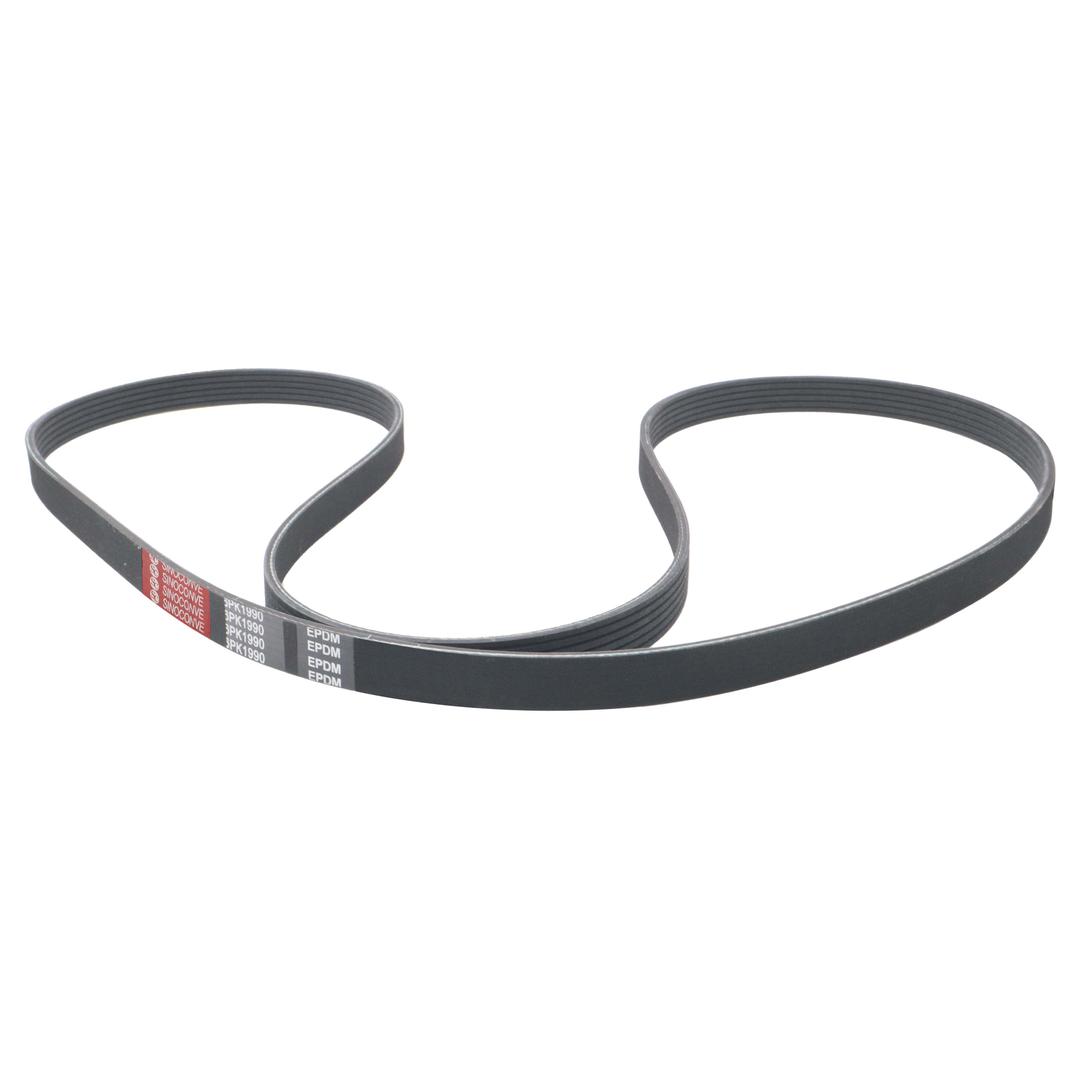
1.PH and PK ribbed belts look similar externally — using one in place of the other is a reliable way to cause early failure or drive noise. 2.PH belt: 1.6 mm pitch, light-duty, ultra-quiet — suited for medical equipment, office automation, robotics, and 3D printers. 3.PK belt: 3.56 mm pitch, medium to heavy-duty — the standard for automotive serpentine drives, HVAC, and industrial machinery. 4.Rib pitch and rib count are both fixed specifications, not ranges — both must match the pulley exactly. 5.Compound grade cannot be assumed from visual appearance — EPDM and standard rubber look the same and perform very differently under heat or oil. 6.Serpentine routing and small pulley diameters favor PH; sustained torque under dynamic load favors PK. 7.Continuous-duty systems need certified fatigue resistance; frequent-replacement applications benefit from standard pitch for easy field sourcing.
Not All PVC Conveyor Belts Are the Same: How to Match the Right Type to Your Workflow
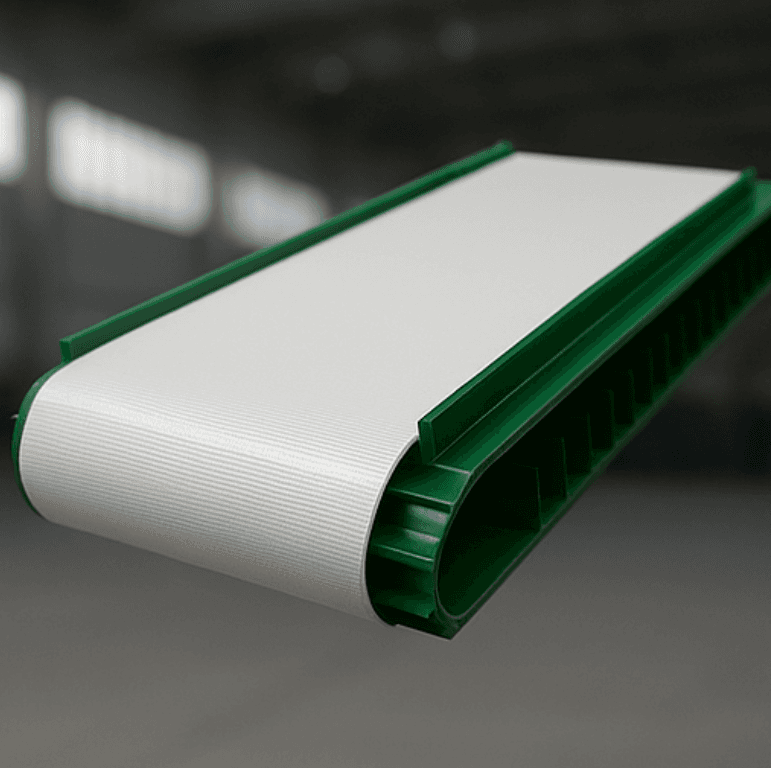
Not all PVC conveyor belts are the same, and matching the wrong structure to the workflow is an expensive way to learn that. This guide compares the four main PVC belt structures - clipper joint, flat, guide strip and sidewall - and explains what each one is best at: fast mechanical joints for lines that are frequently serviced, flat surfaces for clean food and pharmaceutical conveying, welded guide strips for precise tracking on narrow high-speed conveyors, and sidewalls for inclined or vertical lifting in tight footprints. Each section sets out the applications and advantages in practical terms, followed by a selection table that links installation method, cleanliness, tracking accuracy and elevation to the right structure. A buyer checklist lists the information to include in a PVC belt RFQ, and a short comparison explains how lightweight PVC belting relates to rubber, chevron and EP belt families when a plant sources more than one duty. The article closes with customization options and factory support for OEM and export programs.
Rubber Conveyor Belts: Material and Use Cases
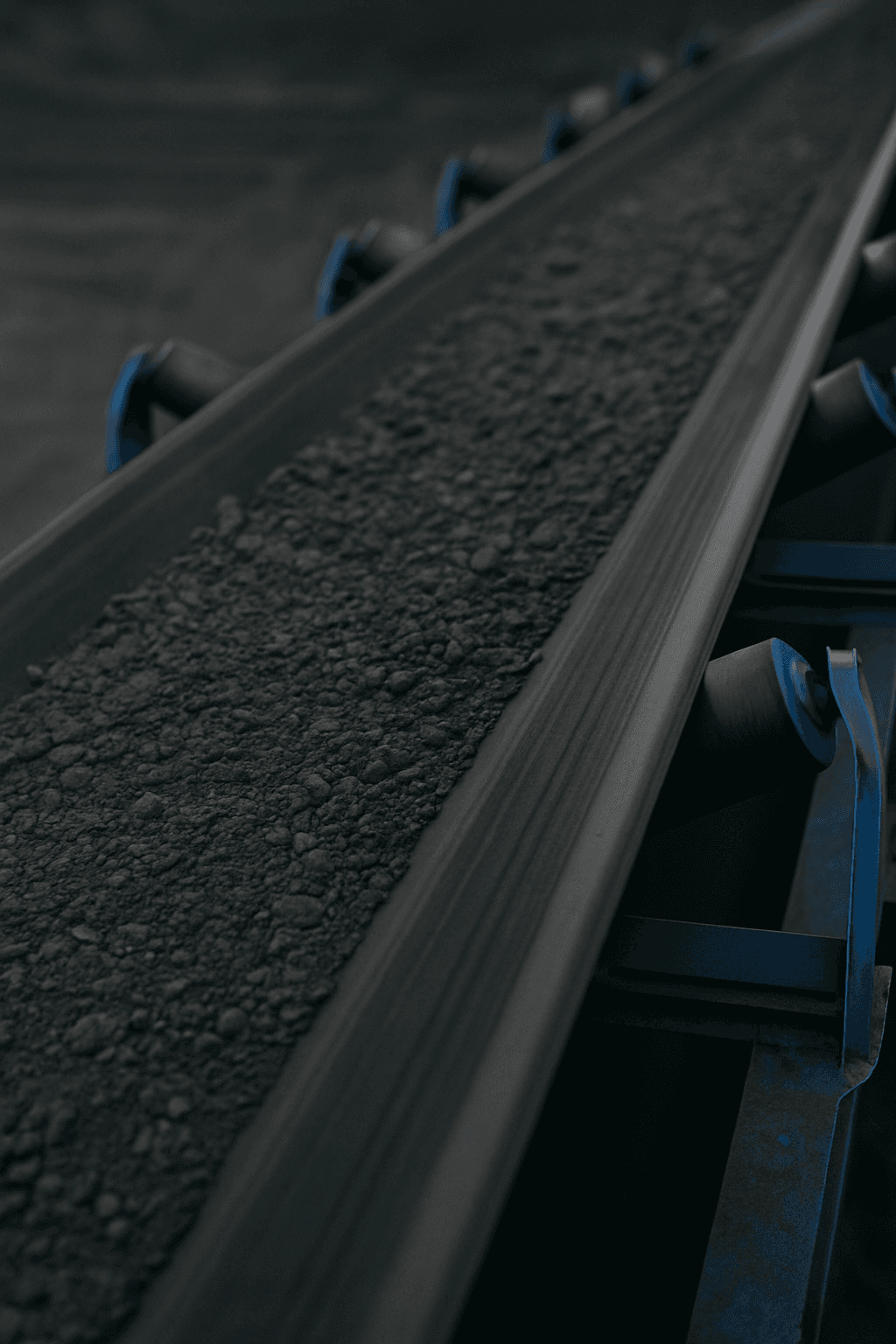
A rubber conveyor belt is usually ordered too late in the decision process. This guide looks at rubber conveyor belt material choices, the failure risks behind each one, and the applications where they belong. It explains why the cover compound, not the carcass, meets the material first, and how abrasion, impact, oil, heat, weathering and flame exposure each demand a different rubber specification. Failure signals such as swelling, cracking, glazing, cover gouging and rapid wear near the loading point are covered as diagnostic evidence rather than bad luck, with guidance on matching cover grade, carcass type, ply construction and belt thickness to the actual duty. Sections on conveyor layout, loading zones, belt speed and service conditions show how material selection interacts with system design, while comparison tables help buyers weigh grades side by side. A buyer checklist sets out the information to include in an RFQ, and the closing section explains how to compare suppliers on construction, testing and documentation rather than price alone.

Vulcanizing Machine Guide: Modern Features and Tips
A vulcanizing machine is the equipment that makes conveyor belt splicing and repair reliable enough for production service. This guide explains what a vulcanizing machine actually does, clamping the rubber assembly between heated platens under controlled pressure to form a strong, long-lived joint. It reviews the modern features that separate current-generation machines from older designs, including improved heating element distribution, digital temperature control, modular platen construction and pressure monitoring with compensation. Operating considerations cover preparation of the splice area, temperature calibration, pressure timing and cooling under pressure, each of which affects cure quality and splice strength. A maintenance section explains why platen surface condition, thermocouple calibration and consistent checks matter for repeatable results, and how heating efficiency and insulation drive energy use. The final section guides specification and selection by application, from fixed manufacturing operations to portable field repair, with belt width as the starting constraint and control-system capability matched to the complexity of the work. The guide is aimed at maintenance teams, repair contractors and belt fabricators choosing vulcanizing machines for fabric and steel cord conveyor belt work.
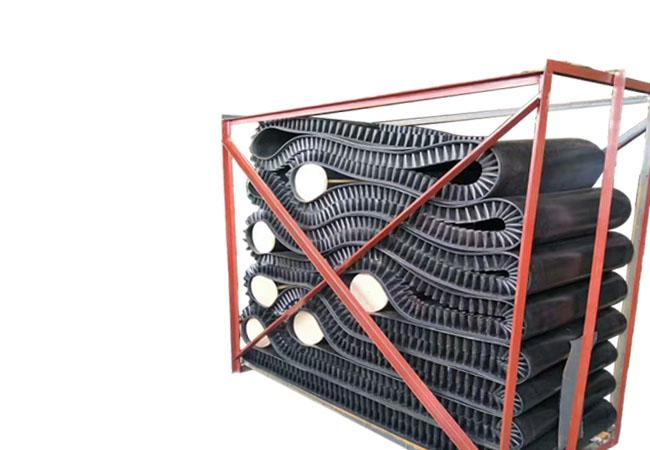
Sidewall Conveyor Belt: Efficiency & Safety Redefined
Sidewall conveyor belts change the geometry of bulk conveying, letting material climb steep inclines of up to 90 degrees without the spillage and rollback that limit flat belts to roughly 18 to 22 degrees. This guide explains how the three-part design works, base belt, corrugated sidewalls and transverse cleats vulcanized together into enclosed pockets that carry material rather than simply supporting it. It covers the site-layout advantages of steep-angle conveying in space-constrained plants, underground mines, ports and urban construction sites, and compares the system with bucket elevators on component count and maintenance. A containment section looks at why enclosed pockets matter for high-value products, hazardous materials and abrasive bulk loads, and a durability section examines compound selection for the base belt and for sidewalls and cleats that flex around pulleys. Application coverage spans mining, quarrying, food and agriculture, recycling and construction, and the specification section explains how sidewall height, cleat height, cleat spacing and base belt specification are matched to material, angle, speed and throughput. The guide closes with the standards-based sidewall belt range and the operating data a sidewall conveyor belt manufacturer needs to confirm a configuration.
Explore more
We are committed to providing you with better products and services. Welcome to browse more content for details