

Blog
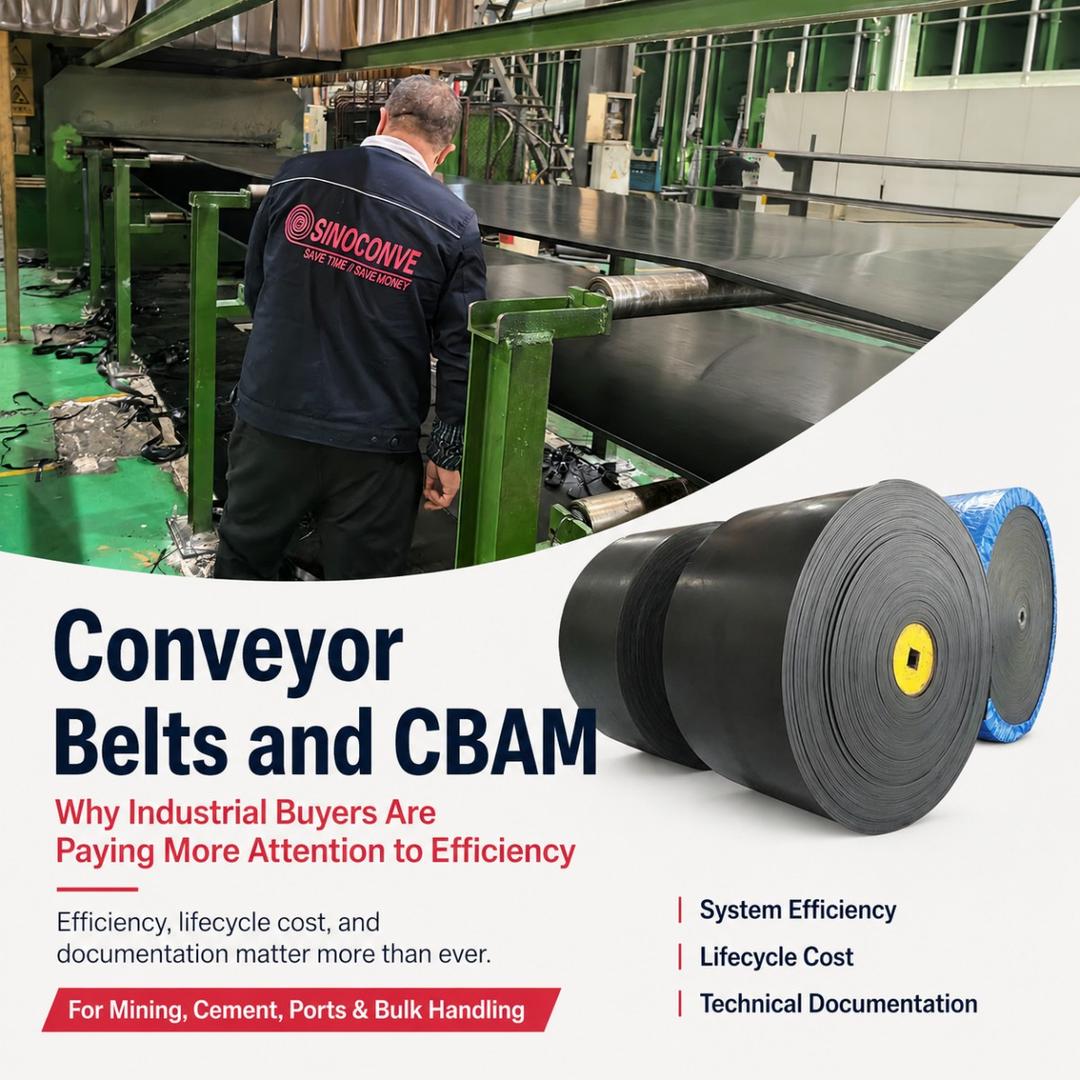
Conveyor Belts and CBAM: Why Industrial Buyers Are Paying More Attention to Efficiency
CBAM does not directly regulate conveyor belts, but it is changing how industrial buyers evaluate energy use, lifecycle cost, and technical documentation. This article explains where conveyor belt efficiency matters, what to verify in an RFQ, and how to avoid weak “low-carbon” claims.
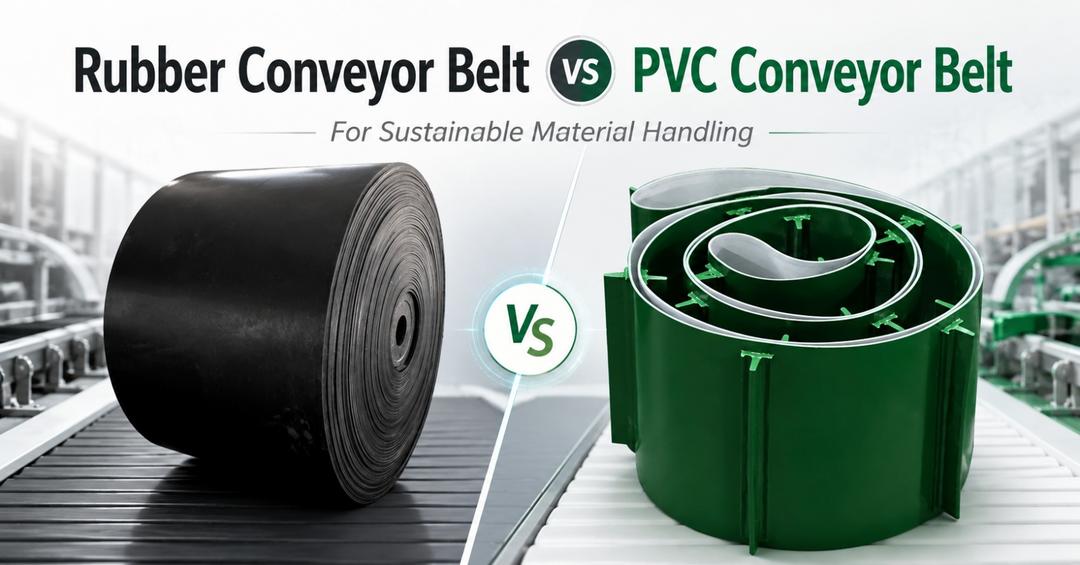
Rubber Conveyor Belt vs PVC Conveyor Belt for Sustainable Material Handling
Compare rubber and PVC conveyor belts by duty, wear, pulley compatibility, maintenance, and lifecycle value to choose the better fit for sustainable material handling.
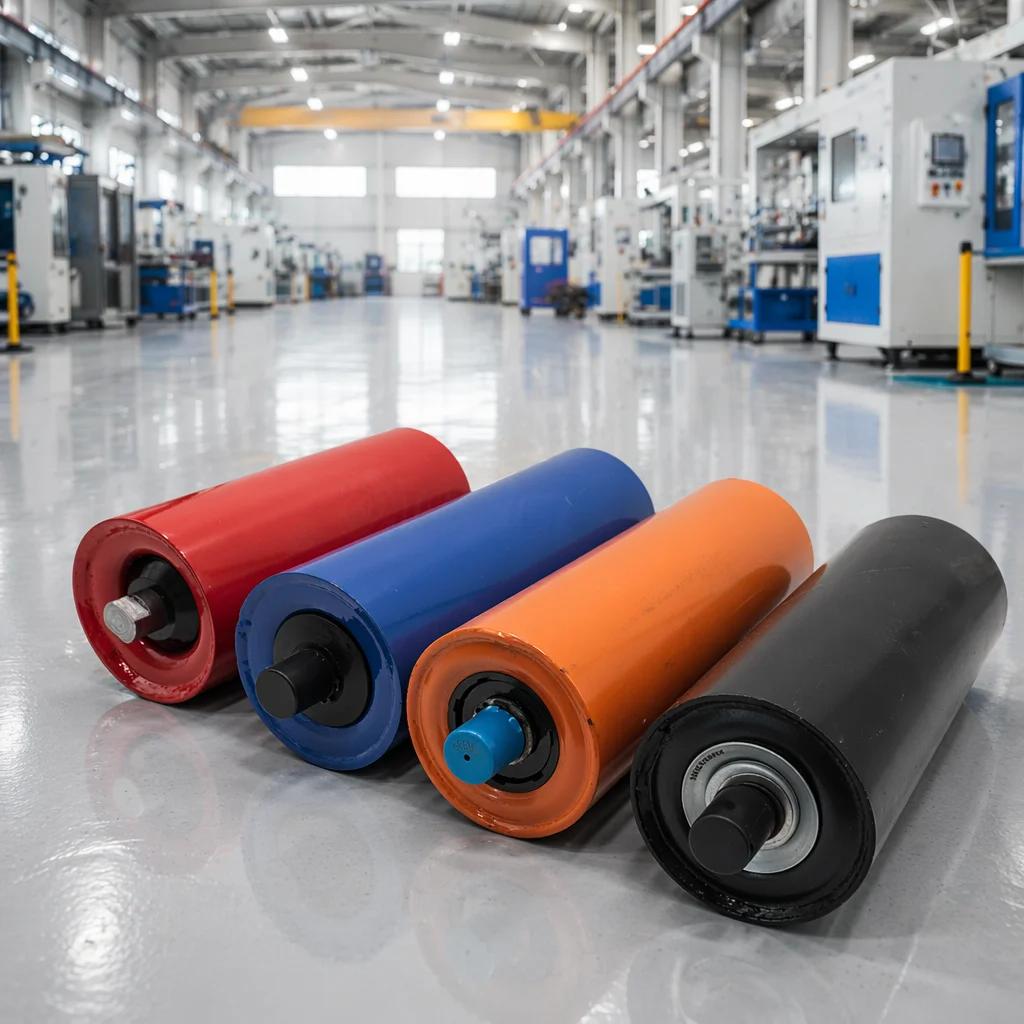
Conveyor Components That Improve System Reliability in Bulk Material Handling
See how rollers, idlers, pulleys, belt cleaners and loading-zone parts work together to improve conveyor reliability, diagnose failures and reduce specification gaps in bulk material handling.
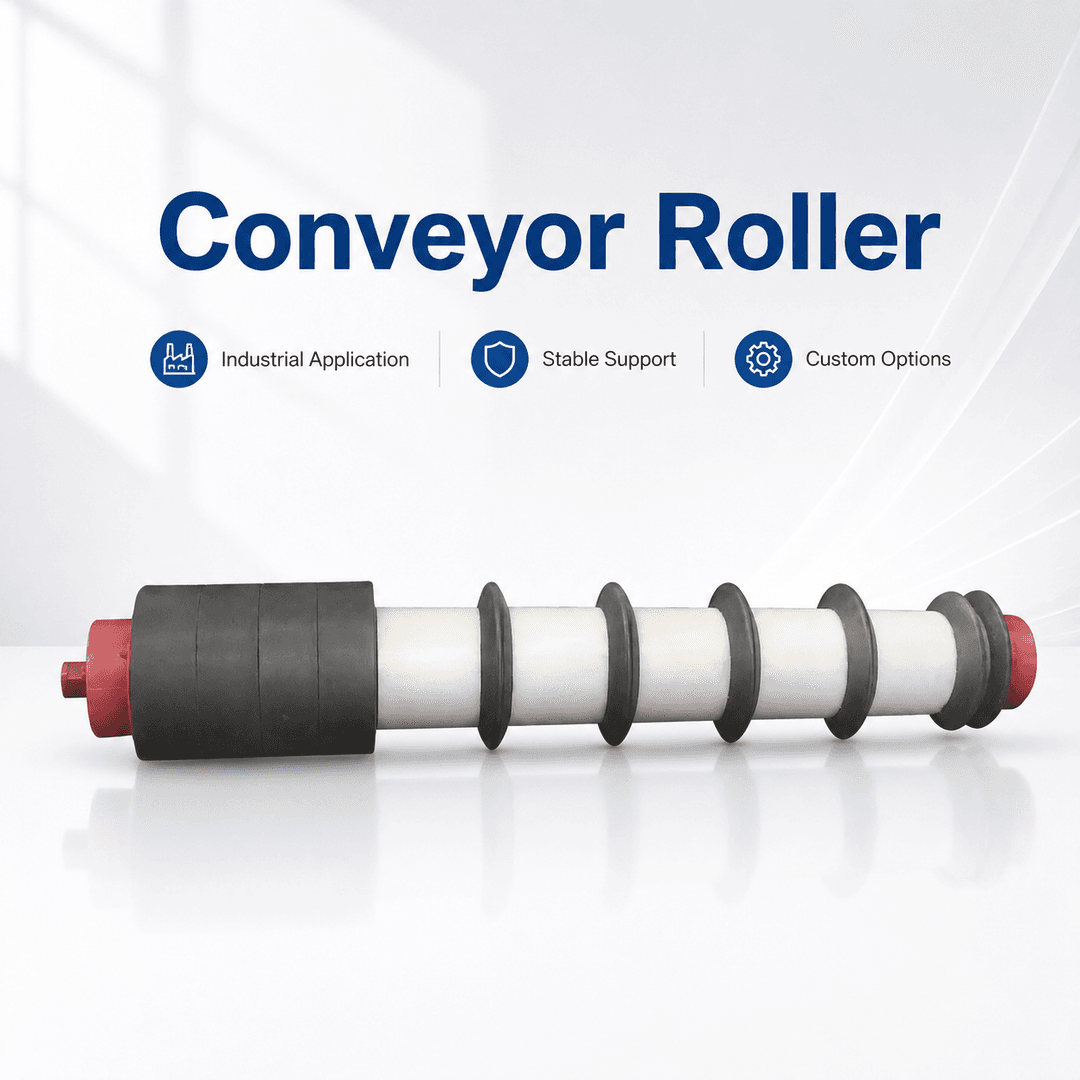
Conveyor Rollers for Heavy-Duty Belt Conveyor Systems
This buyer-focused article explains how to select conveyor rollers and idler assemblies for mining and other heavy-duty belt conveyors, covering roller types, bearings, seals, frames, failure marks, RFQ data, standards, quotation comparison, and spare planning.
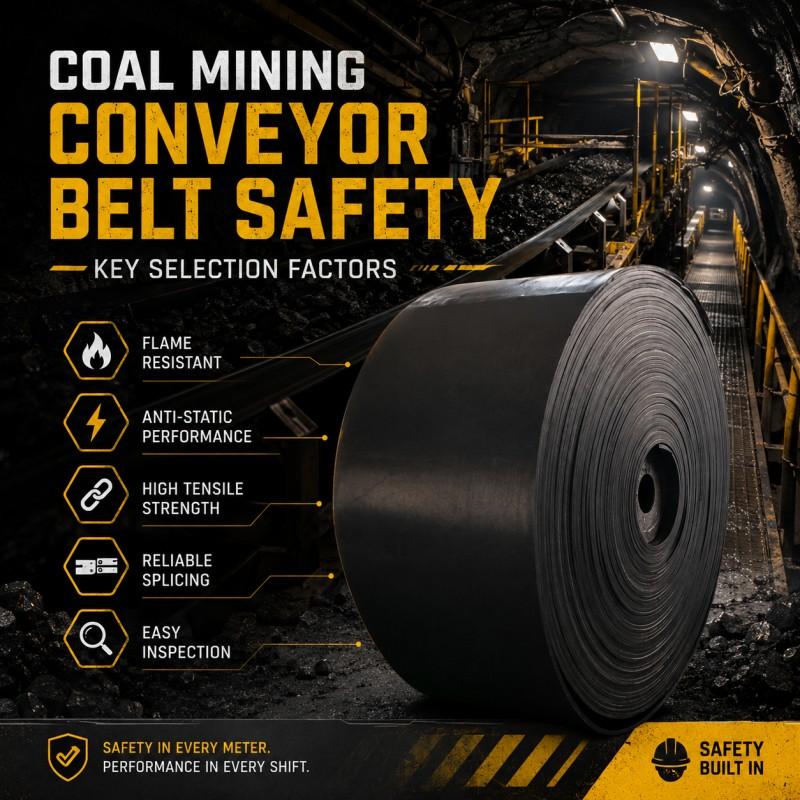
Conveyor Belt Safety in Coal Mining: Key Selection Factors
A buyer-focused guide to selecting coal mining conveyor belts by flame resistance, anti-static performance, strength, splice design, compliance evidence, and inspection priorities.
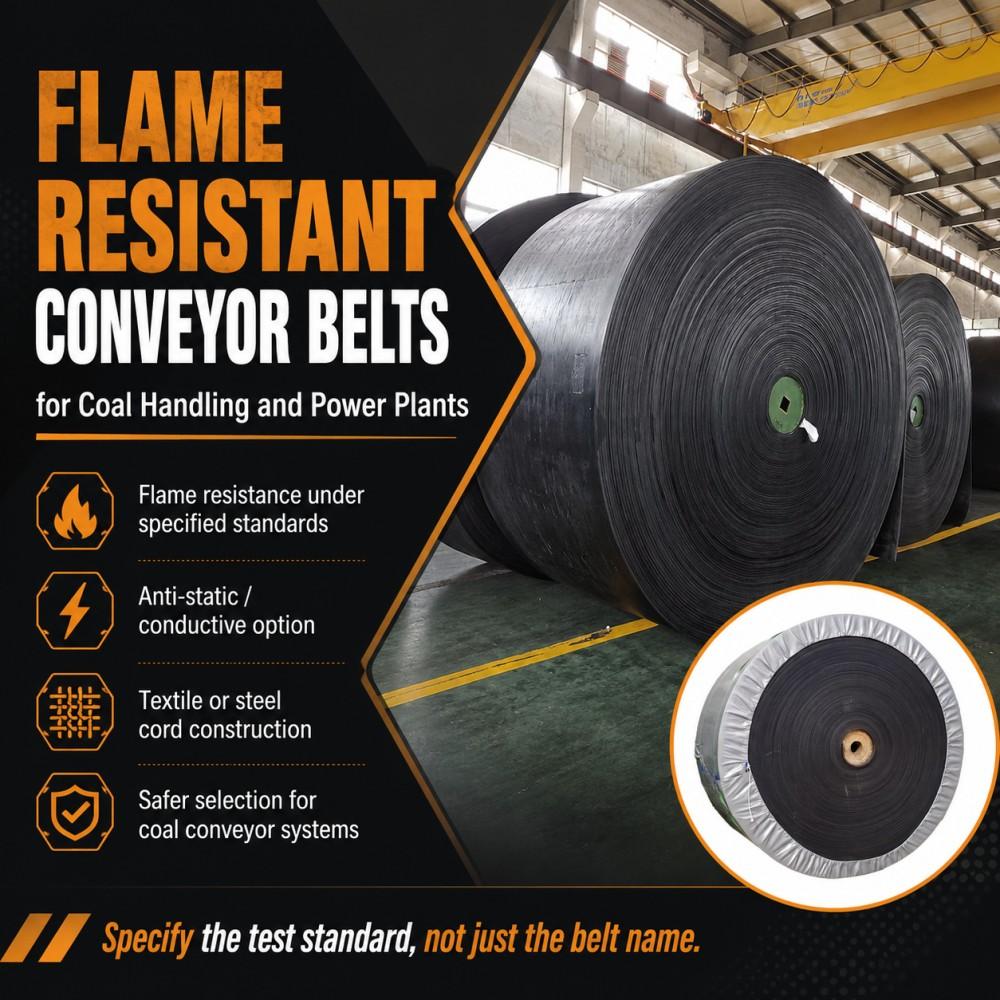
Flame Resistant Conveyor Belts for Coal Handling and Power Plants
Coal handling fires are rarely a belt-only problem. This article explains how to specify flame resistant conveyor belts, separate flame and anti-static requirements, read failure marks, compare standards, and prepare an RFQ for power plant conveyors.
Explore more
We are committed to providing you with better products and services. Welcome to browse more content for details