Introduction to High-Performance Material Handling
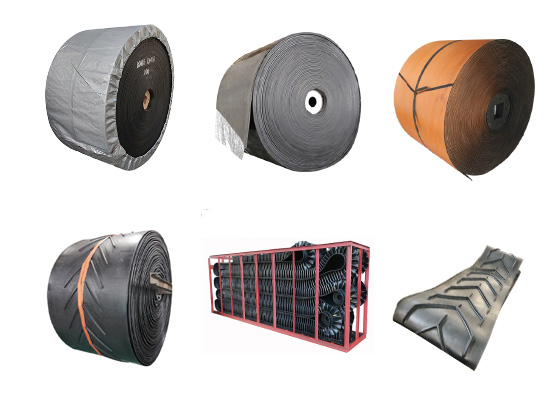
In the world of heavy-duty material handling, where operational efficiency and reliability are paramount, the choice of equipment is critical. The steel cord rubber conveyor belt represents the apex of conveying technology, engineered specifically for the most demanding applications found in mining, construction, and heavy industry. Unlike conventional fabric belts, this system utilizes high-strength steel cords as its tension member, providing unparalleled durability and performance for transporting bulky, heavy, or abrasive materials over long distances and at high speeds. Its robust design ensures minimal downtime and a long service life, making it a cornerstone of modern industrial operations.
The Core of Strength: Engineering and Construction
The exceptional performance of this belt originates from its unique internal construction. At its heart lie an array of longitudinally arranged, high-tensile steel cords, which are fully embedded and bonded within a specialized rubber core. This design provides immense tensile strength, effectively eliminating the issue of excessive elongation that can plague other belt types under heavy loads. This structural integrity ensures the belt maintains its form and function over extended periods. The outer layers, or covers, are made from advanced rubber compounds formulated for extreme wear resistance. They are designed to withstand severe abrasion, cutting from sharp materials, and high-impact forces, thereby protecting the internal steel cords and guaranteeing the belt's longevity in harsh working conditions.
Operational Advantages and Performance Under Pressure
The operational benefits of using a steel cord rubber conveyor belt are extensive. Its high strength-to-weight ratio enables the construction of much longer single-flight conveyor systems, which reduces the need for multiple transfer points, lowers infrastructure costs, and minimizes potential spillage or material degradation. The belt's excellent troughability allows it to conform smoothly to idler sets, maximizing carrying capacity and ensuring stable material transport. Furthermore, a key feature is its superior resistance to tearing and ripping. This enhances operational safety significantly by reducing the risk of catastrophic belt failure, which could lead to extended shutdowns and costly repairs, ensuring a continuous and reliable material flow.
Versatility Across Industries and Environments
The adaptability of the steel cord rubber conveyor belt makes it an ideal solution for a diverse range of industries. In the mining sector, it is indispensable for moving vast quantities of ore and overburden from the extraction site to processing plants. Power generation facilities rely on it for the consistent delivery of coal and other fuels, while large-scale port terminals use it for the rapid loading and unloading of bulk cargo ships. Its construction provides inherent resistance to various environmental factors, including moisture, extreme heat, and cold, making it perfectly suited for both outdoor overland systems and indoor industrial applications. This resilience ensures that operations can continue smoothly, regardless of the challenging environmental context.