
Top Benefits of Using a Cleated Conveyor Belt in Industrial Applications
In the world of material handling, a cleated conveyor belt stands out as an essential tool for efficiently transporting goods, especially in inclined or vertical setups. This innovative design incorporates raised cleats that prevent slippage, making it ideal for industries dealing with bulk materials. Whether you're in mining, agriculture, or manufacturing, understanding the advantages of a cleated conveyor belt can transform your operational efficiency.
1. Enhanced Traction and Slip Prevention
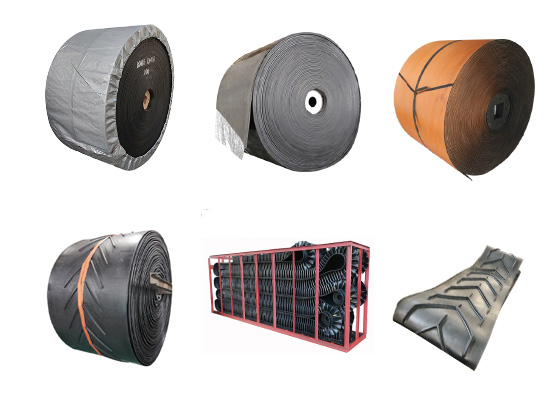
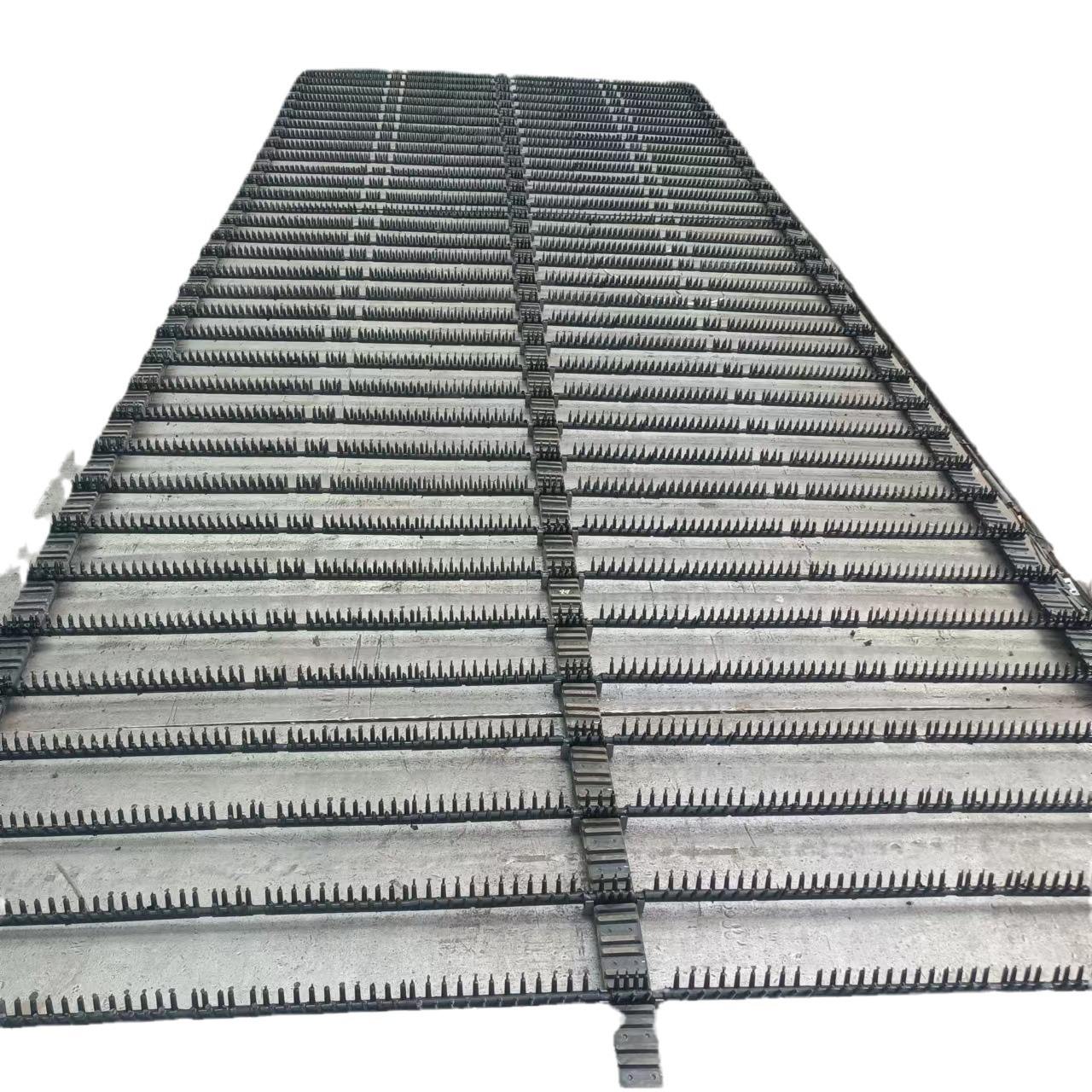
One of the primary benefits of a cleated conveyor belt is its superior grip on materials. The cleats, often made from durable rubber, create a textured surface that holds loose items like gravel, sand, or grain securely during transport. Unlike standard flat belts, a cleated conveyor belt minimizes rollback on steep inclines, ensuring consistent flow and reducing downtime. This feature is particularly valuable in environments where safety and productivity are non-negotiable, allowing for steeper angles without the risk of material spillage.
2. Durability and Longevity in Harsh Conditions
Built to withstand tough industrial demands, a cleated conveyor belt offers exceptional resistance to wear and tear. High-quality constructions, such as those using reinforced rubber, protect against abrasion from sharp or heavy loads. For instance, a rubber cleated conveyor belt can endure exposure to moisture, chemicals, and extreme temperatures, extending its service life and lowering replacement costs. Companies relying on continuous operations, like those in quarrying or food processing, benefit from this robustness, as it translates to fewer interruptions and more reliable performance over time.
3. Versatility Across Diverse Industries
The adaptability of a cleated conveyor belt makes it a go-to solution for various sectors. In agriculture, it efficiently moves harvested crops up inclines without damage, while in manufacturing, it handles packaged goods with precision. A rubber conveyor belt variant, when customized with cleats, excels in transporting wet or oily materials that might otherwise slide on smooth surfaces. This versatility not only optimizes space in facility layouts but also supports customized configurations, such as adjustable heights or widths, to fit specific workflow needs.
4. Cost-Effectiveness and Reduced Maintenance
Investing in a cleated conveyor belt pays off through significant savings in the long run. By preventing material loss and enhancing throughput, it boosts overall efficiency and reduces waste. Maintenance is streamlined due to the belt's design, which allows for easy cleaning and inspection of cleats. Compared to traditional systems, a rubber cleated conveyor belt requires less frequent repairs, making it a smart choice for budget-conscious operations. Additionally, its energy-efficient operation—requiring less power to move loads uphill—further cuts operational expenses.
5. Improved Safety and Compliance
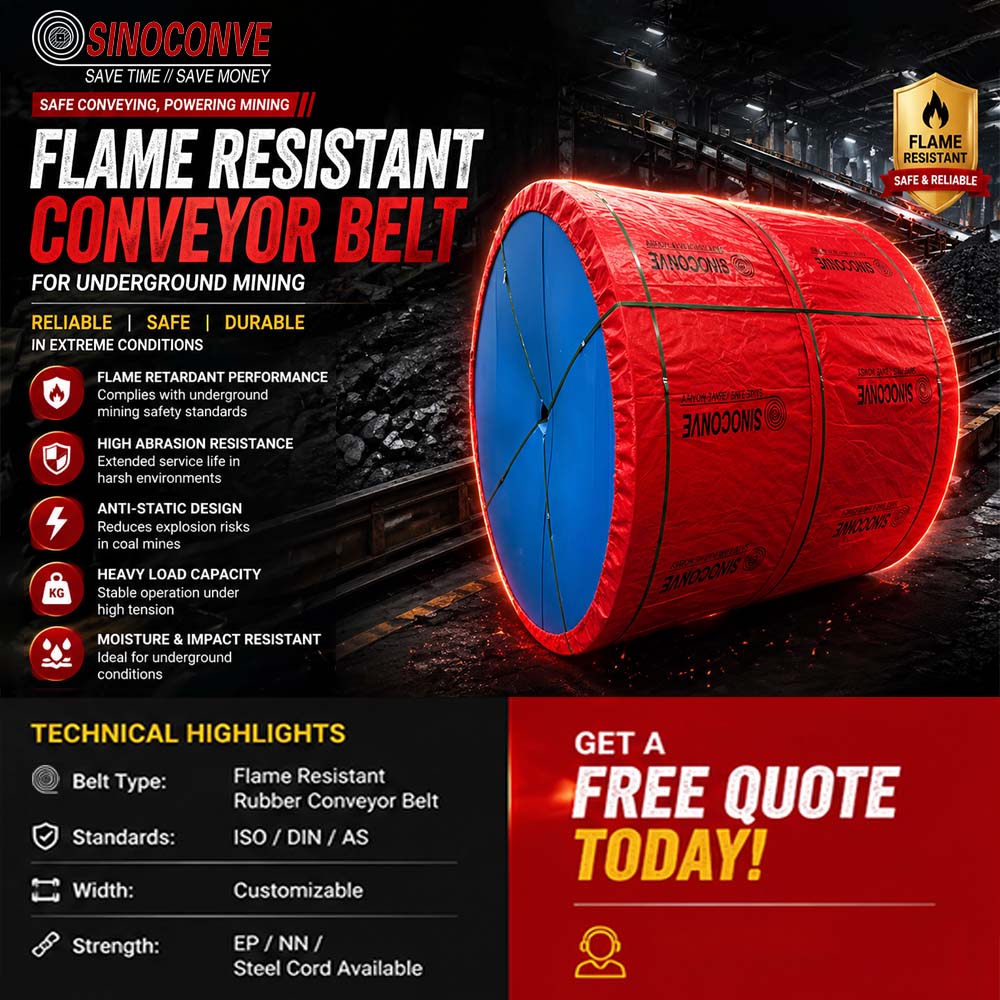
Safety is paramount in any industrial setting, and a cleated conveyor belt contributes by minimizing hazards associated with material movement. The cleats reduce the chance of sudden shifts or falls, protecting workers and equipment. It also aids in meeting regulatory standards for handling bulk goods, ensuring compliance in sectors like construction and recycling. With features like anti-static properties in some rubber conveyor belt models, it mitigates risks from dust accumulation or electrical issues, fostering a safer work environment.
6. Customization Options for Optimal Performance
Finally, the cleated conveyor belt's modular nature allows for tailored solutions. Options range from chevron-patterned cleats for maximum grip to customizable cleat heights for specific load types. A rubber cleated conveyor belt can be engineered with UV-resistant coatings for outdoor use or food-grade materials for sanitary applications. This level of personalization ensures that your conveyor system aligns perfectly with operational goals, enhancing both performance and integration with existing machinery.
Overall, integrating a cleated conveyor belt into your material handling processes unlocks a host of advantages, from improved efficiency to enhanced safety. As industries evolve, this technology remains a cornerstone for reliable transport solutions.