
How to Select and Install a Conveyor Belt with 4 Fabric Plies for Optimal Performance
In the world of industrial material handling, choosing the right conveyor belt is crucial for efficiency and longevity. A conveyor belt 4 fabric plies stands out as a robust solution, providing enhanced strength through its multi-layer construction. This guide will walk you through the essentials of selecting, installing, and maintaining such belts, drawing on insights from rubber conveyor manufacture processes to ensure you get the most from your investment.
Understanding the Structure of a Conveyor Belt with 4 Fabric Plies
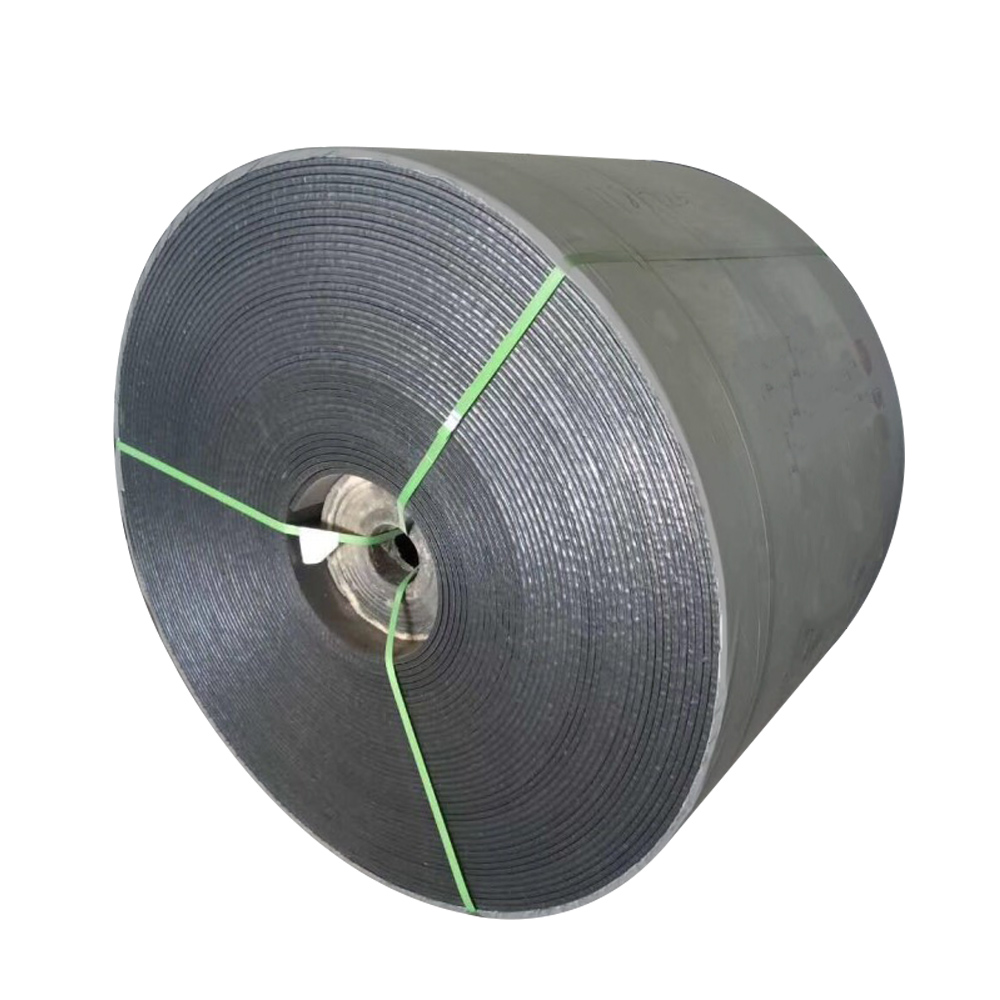
A conveyor belt 4 fabric plies refers to a belt reinforced with four layers of fabric, typically polyester or nylon, embedded in rubber. This design delivers superior tensile strength, making it ideal for heavy-duty applications like mining, quarrying, and bulk material transport. During rubber conveyor manufacture, these plies are precisely layered and vulcanized to create a seamless bond, ensuring the belt withstands high loads without delamination.
To select the right one, assess your operational needs. Consider the weight and type of materials you'll handle—abrasive aggregates require belts with high abrasion resistance, while oily substances demand oil-resistant compounds. Look for options like the Sinoconve belt, known for its customizable plies that balance flexibility and durability. Always check the belt's width, length, and thickness; a 4-ply belt typically ranges from 12 to 48 inches in width, offering versatility for various conveyor systems.
Step-by-Step Guide to Installing Your Conveyor Belt
Installation is key to maximizing the lifespan of your conveyor belt. Start by preparing the conveyor frame: ensure it's clean, aligned, and free of debris. For a conveyor belt 4 fabric plies, use proper tensioning tools to avoid over-stretching the robust layers. Begin by draping the belt over the pulleys, starting from the drive pulley, and lace it using mechanical fasteners or hot vulcanization for a stronger, endless joint.
Next, adjust the tension gradually—aim for 1-2% elongation to prevent slippage without straining the fabric plies. Align the belt by tracking it during a test run at low speed, making fine adjustments to idlers. In rubber conveyor manufacture, belts like the Sinoconve belt are engineered for easy installation, featuring pre-cured covers that resist wear from the get-go. Safety first: wear protective gear and follow manufacturer guidelines to avoid accidents during this process.
Maintenance Tips to Extend the Life of Your Conveyor Belt
Proper maintenance ensures your conveyor belt with 4 fabric plies performs reliably over time. Conduct regular inspections for signs of wear, such as cracks in the rubber cover or fraying edges on the plies. Clean the belt using mild solutions to remove buildup, avoiding harsh chemicals that could degrade the material. Monitor tension monthly, as improper settings can accelerate wear on the multiple fabric layers.
For heavy-use environments, rotate the belt periodically to even out wear. If you're sourcing from a reputable rubber conveyor manufacture, opt for belts with enhanced features like heat-resistant compounds for hot materials or anti-static properties for explosive areas. The Sinoconve belt exemplifies this, offering low downtime and easy repairs. By following these steps, you can achieve up to 20-30% longer service life, reducing replacement costs and boosting productivity.
Choosing the Right Supplier for Your Conveyor Needs
Selecting a trusted supplier is the final piece of the puzzle. Focus on manufacturers experienced in rubber conveyor manufacture, who provide detailed specs on ply construction and customization options. A conveyor belt 4 fabric plies from a quality source ensures compliance with industry standards like ISO 9001, guaranteeing safety and performance. Evaluate warranties, lead times, and after-sales support—reputable brands like those producing Sinoconve belts often include on-site assistance for installation and troubleshooting.
In summary, by understanding the benefits of a multi-ply design and following these how-to steps, you'll optimize your material handling operations. Whether upgrading an existing system or setting up new, a well-chosen conveyor belt 4 fabric plies is an investment in efficiency and reliability.