
A PVG conveyor belt is usually discussed after a buyer has already narrowed the job down to coal handling, underground conveying, or another line where flame resistance and antistatic behavior cannot be treated as optional features. That is a very different conversation from choosing a general rubber belt for aggregate or packaged goods.
The name can also create confusion. Some buyers hear PVG and only think of PVC. Others treat it as a normal coal conveyor belt with a different surface. In practice, a PVG belt is closer to a fire resistant conveyor belt built around a solid woven carcass, with rubber and PVC based covering on the running surfaces. The exact construction still needs to be checked with the supplier, because belt grade, cover thickness, carcass strength, joint method, and local safety requirements all affect the final choice.
For a mine, power plant, coal preparation line, or enclosed material handling system, the useful question is not whether PVG is good. The better question is whether the belt construction fits the fire risk, moisture, pulley layout, loading condition, and maintenance routine of the actual conveyor.
PVG Is Not Just a Surface Name
A PVG conveyor belt is commonly associated with solid woven belt construction. The woven carcass is impregnated and protected, while the outer cover is designed to give better wear behavior, moisture resistance, and traction than a plain PVC surface in some heavier-duty conveying conditions.
That matters in coal handling. Coal fines, water, dust, belt cleaners, and repeated bending around pulleys all work on the belt at the same time. If the cover is too weak, it wears and exposes the carcass. If the carcass is not suitable for the working tension, tracking and splice problems appear. If the belt does not meet the required fire and antistatic rules for the site, the quotation is already wrong before installation starts.
|
Part of belt |
What it affects in operation |
Buyer should confirm |
|
Solid woven carcass |
Tension support, low stretch behavior, resistance to ply separation |
Rated strength, belt width, conveyor length, load condition |
|
PVG cover |
Surface wear, moisture exposure, traction, cleaner contact |
Cover thickness, cover grade, top and bottom surface condition |
|
Fire resistant compound |
Reaction to ignition source and site safety compliance |
Required standard or mine approval for the operating region |
|
Antistatic design |
Risk control in dusty or enclosed environments |
Surface resistance requirement and test report availability |
|
Splice area |
Joint life, smooth running, repair downtime |
Mechanical joint, vulcanized joint, pulley diameter, shutdown window |
Where a PVG Belt Makes More Sense Than a General Rubber Belt
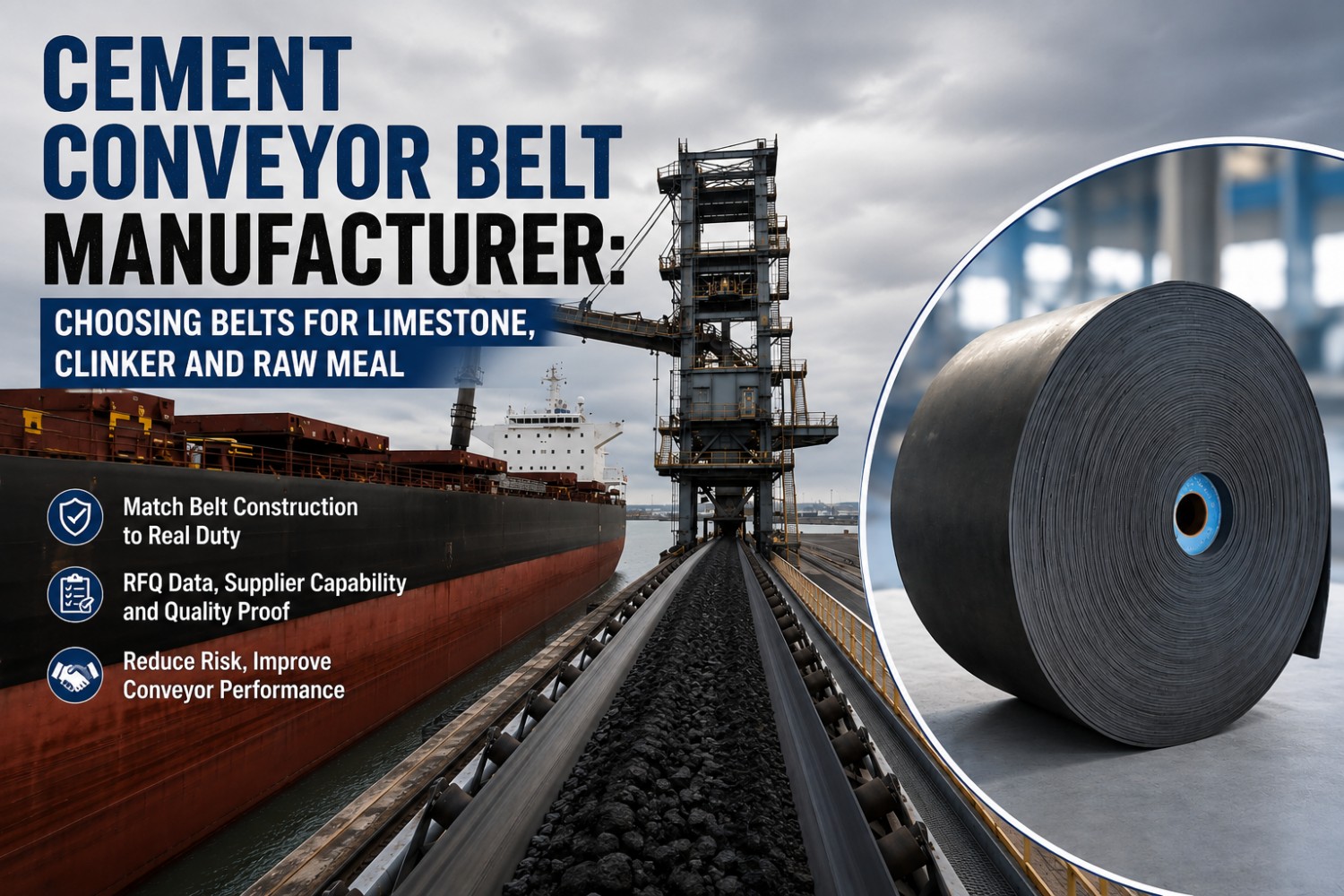
A general rubber conveyor belt may be enough for open aggregate transfer or outdoor bulk handling where the main issue is abrasion. A coal conveyor belt in an underground or enclosed area is different. Dust, flame risk, humidity, poor ventilation, and continuous operation change the risk profile.
For this reason, a fire resistant conveyor belt should be selected with the site rules in mind first. After that, the buyer can compare wear resistance, belt strength, cover structure, and cost. Starting with price alone is risky, because a belt that fails a safety requirement cannot be made acceptable by being cheaper.
|
Application |
Why PVG may be considered |
What can still go wrong |
|
Underground coal conveying |
Fire resistance, antistatic behavior, moisture tolerance |
Wrong approval, splice weakness, cover wear from coal fines |
|
Coal preparation plant |
Wet coal and fine material require stable surface and cleaning behavior |
Carryback, cleaner pressure, pulley buildup |
|
Power plant coal feed line |
Continuous coal movement with dust and loading impact |
Fast top cover wear, belt tracking drift |
|
Enclosed transfer gallery |
Dust control and fire safety are more important than on open conveyors |
Insufficient antistatic control, poor inspection access |
|
Light-duty coal or carbon material handling |
PVG may offer a practical balance of grip and safety features |
Over-specification if the site does not need a PVG belt |
Fire Resistance Needs More Than a Product Claim
For coal handling, the phrase fire resistant conveyor belt should not be treated as a marketing label. The buyer needs to know which test method or approval is required for the site. Underground mines, power plants, ports, and surface coal conveyors may not follow the same rules.
Fire resistance is also affected by wear. A new belt and a belt that has been running under abrasive coal dust for months do not have the same surface condition. Once the cover is badly worn, the belt may still move material, but the risk profile has changed. That is why inspection should include the top cover, splice, cleaner contact area, and return side, not only visible cracking.
A practical purchasing step is simple: ask the supplier for the relevant test report or approval document before placing the order. Then check whether the report matches the belt type, cover construction, and required market. A generic certificate from another belt category does not help much on a safety-critical coal line.
Common Failure Patterns in Coal Conveyor Belt Service
PVG belts are often selected for safety and moisture resistance, but they can still fail early if the conveyor layout is wrong. A belt cleaner set too aggressively may scrape the cover faster than expected. Wet fines can build up on return rollers and push the belt off-center. A small pulley can stress the joint every cycle. None of these problems is solved by simply asking for a stronger belt.
|
Observed problem |
Likely cause |
What to check before changing belt type |
|
Top cover wears quickly |
Coal fines, cleaner pressure, abrasive loading zone |
Cleaner angle, chute height, impact bed, cover grade |
|
Belt tracks to one side |
Pulley buildup, wet carryback, uneven loading |
Return rollers, pulley face, skirt sealing, belt edge marks |
|
Joint opens early |
Wrong joint method, small pulley, high tension, poor preparation |
Pulley diameter, belt thickness, splice method, shutdown time |
|
Surface becomes polished or slippery |
Wet fines, cover wear, insufficient cleaning |
Material moisture, surface condition, cleaner setup |
|
Edge damage appears |
Frame contact, mistracking, guide interference |
Structure alignment, loading position, edge photos |
PVC, PVG, and Rubber Belt: Do Not Compare by Name Only
Buyers often compare PVC, PVG, and ordinary rubber belts as if they were only material names. In real selection, the belt has to be matched to fire risk, load, moisture, surface wear, and pulley layout.
|
Belt type |
Typical reason to consider it |
Selection warning |
|
PVC solid woven belt |
Clean surface, lighter duty, fire-retardant solid woven applications |
May not provide the same cover behavior needed for heavier coal lines |
|
PVG conveyor belt |
Coal conveying where fire resistance, antistatic behavior, grip, and moisture exposure matter |
Must match required safety approval and working tension |
|
General rubber conveyor belt |
Open bulk handling, aggregate, outdoor material transfer |
Not automatically suitable for underground coal or enclosed dust areas |
|
Flame resistant rubber belt |
Surface coal, power plant, or other fire-risk conveyors depending on standard |
Check the exact fire standard, not only the wording |
Information Buyers Should Send Before Quotation
A good PVG inquiry should describe the conveyor, not only the belt width and length. Coal lines vary too much for guesswork. The old belt often provides the best evidence, especially if there are photos of the worn cover, edge, return side, and failed joint.
|
Information to send |
Why it matters |
|
Belt width, length, and thickness |
Basic production and quotation details |
|
Required belt type or site standard |
Confirms whether PVG, PVC, or another fire resistant conveyor belt is needed |
|
Material handled: coal lump, coal fines, wet coal, carbon material |
Affects cover wear, carryback, and cleaning setup |
|
Conveyor length, incline angle, and belt speed |
Influences tension, tracking, and surface behavior |
|
Pulley diameter and layout photos |
Checks whether belt and splice can bend correctly |
|
Old belt marking and failure photos |
Helps avoid repeating the same specification mistake |
|
Cleaner, skirt, and loading zone photos |
Shows whether belt damage is caused by system layout |
|
Quantity, roll size, and packaging requirement |
Supports export packing and installation planning |
How SINOCONVE Approaches PVG Conveyor Belt Matching
SINOCONVE does not treat a pvg conveyor belt as a single fixed product name. The starting point is the working condition: coal type, moisture, conveyor length, loading point, required fire resistance, antistatic requirement, and previous failure marks. Only after those details are clear does it make sense to discuss belt strength, cover structure, joint method, packaging, and delivery.
For buyers, this reduces wasted time. A clearer inquiry avoids repeated drawings, wrong samples, and mismatched safety documents. That is the practical side of Save Time, Save Money: fewer assumptions before production and fewer surprises after installation.
FAQ
· What is a PVG conveyor belt used for?
It is commonly used for coal handling and other enclosed or safety-sensitive conveying lines where fire resistance, antistatic behavior, moisture exposure, and stable conveying are important.
· Is a PVG belt the same as a PVC belt?
No. They are related in solid woven belt categories, but PVG generally has rubber and PVC based covers for different surface behavior. The exact construction should be confirmed with the supplier.
· Is every coal conveyor belt fire resistant?
No. Coal handling may require fire resistant and antistatic properties, but the required standard depends on the site and local regulations.
· Why does a PVG belt fail early?
Common reasons include abrasive coal fines, poor loading design, aggressive belt cleaners, wet carryback, wrong pulley diameter, or a splice method that does not match the conveyor.
· What should I send before ordering?
Send belt dimensions, required standard, coal condition, conveyor layout, pulley photos, old belt markings, failure photos, and packaging requirements.
Final Note for Buyers
A pvg conveyor belt is not selected only because the line carries coal. It is selected because the working condition requires a specific balance of fire resistance, antistatic behavior, moisture resistance, surface durability, and belt strength.
Before comparing prices, check the site requirement first. Then look at the conveyor layout, old belt damage, splice method, and maintenance routine. Once those points are clear, a coal conveyor belt quotation becomes much more useful - and a fire resistant conveyor belt is selected for the real risk, not just for the name printed on a specification sheet.