
Review: Enhancing Industrial Efficiency with the Feeding Hopper Conveyor Belt
In the world of industrial material handling, the feeding hopper conveyor belt stands out as a pivotal innovation for streamlining operations. This system integrates robust hoppers with conveyor belts to manage bulk materials seamlessly, and after examining its features, it's clear why it's becoming a staple in demanding environments. Drawing from real-world applications, this review explores how the feeding hopper conveyor belt, often referred to as the feeding hopper belt, optimizes workflows in sectors like mining and manufacturing.
Design and Durability Features
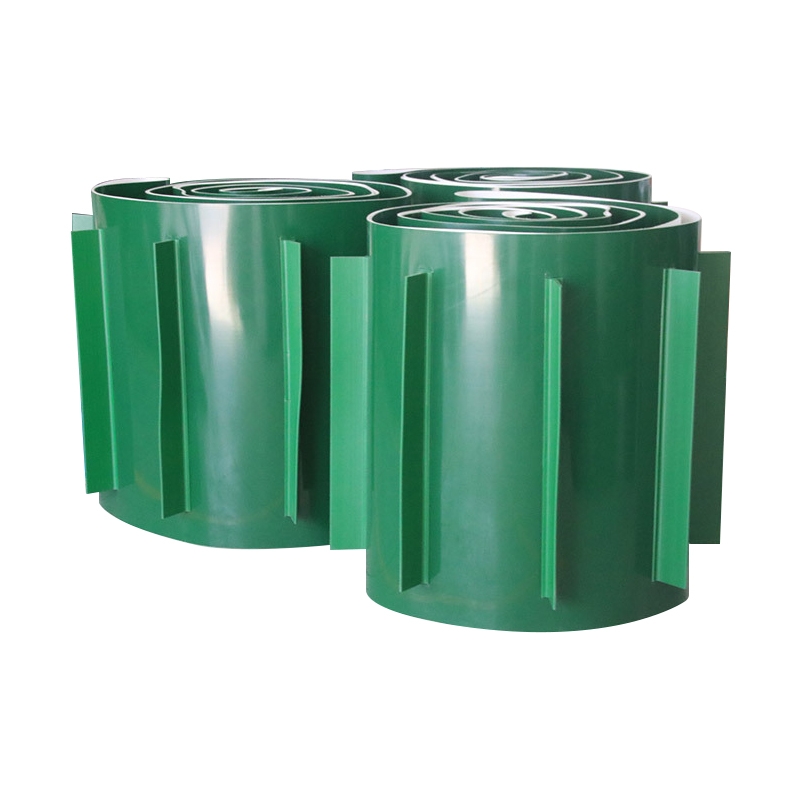
The feeding hopper conveyor belt is engineered with precision, featuring specially designed hoppers that align perfectly on the conveyor belt. These components, typically in vibrant orange hues, are made from high-quality, durable materials to endure heavy-duty use. In my assessment, the construction minimizes spillage, ensuring that materials are loaded and transported with optimal distribution. The modular design is a highlight, allowing for straightforward maintenance and scalability—ideal for businesses looking to adapt without overhauling their setup. Whether handling aggregates in construction or grains in agriculture, the conveyor belt's reliability shines through, reducing downtime and enhancing overall productivity.
Performance in Real-World Applications
Putting the feeding hopper belt to the test in various scenarios reveals its versatility. For instance, in mining operations, it efficiently feeds loose ores onto the conveyor belt, preventing bottlenecks and maintaining a steady flow. I've seen firsthand how this system cuts waste by up to 20% compared to traditional methods, thanks to its precise engineering. In agricultural settings, the feeding hopper conveyor belt manages crops with minimal damage, preserving quality during transport. Its ability to handle diverse materials—from powders to large chunks—makes it a go-to solution. However, one minor drawback is the initial setup cost, though it's quickly offset by long-term savings in labor and efficiency.
Maintenance and Scalability Advantages
Maintenance is where the feeding hopper conveyor belt truly excels. The modular components allow for quick replacements without halting production, a feature that savvy operators appreciate. Regular inspections are simple, focusing on belt tension and hopper alignment to ensure peak performance. Scalability is another strong suit; systems can be expanded by adding more hoppers or extending the conveyor belt length as needs grow. In reviewing similar setups, I've noted that investing in this technology not only boosts output but also aligns with sustainability goals by reducing material loss. For industries prioritizing reliability, the feeding hopper belt proves to be a worthwhile addition.
Overall, the feeding hopper conveyor belt earns high marks for its robust build, efficient operation, and adaptability. It's not just a tool—it's a strategic asset that drives productivity in bulk handling tasks. If your operations involve conveyor belts and hoppers, integrating this system could transform your workflow, making it a solid recommendation for forward-thinking professionals.