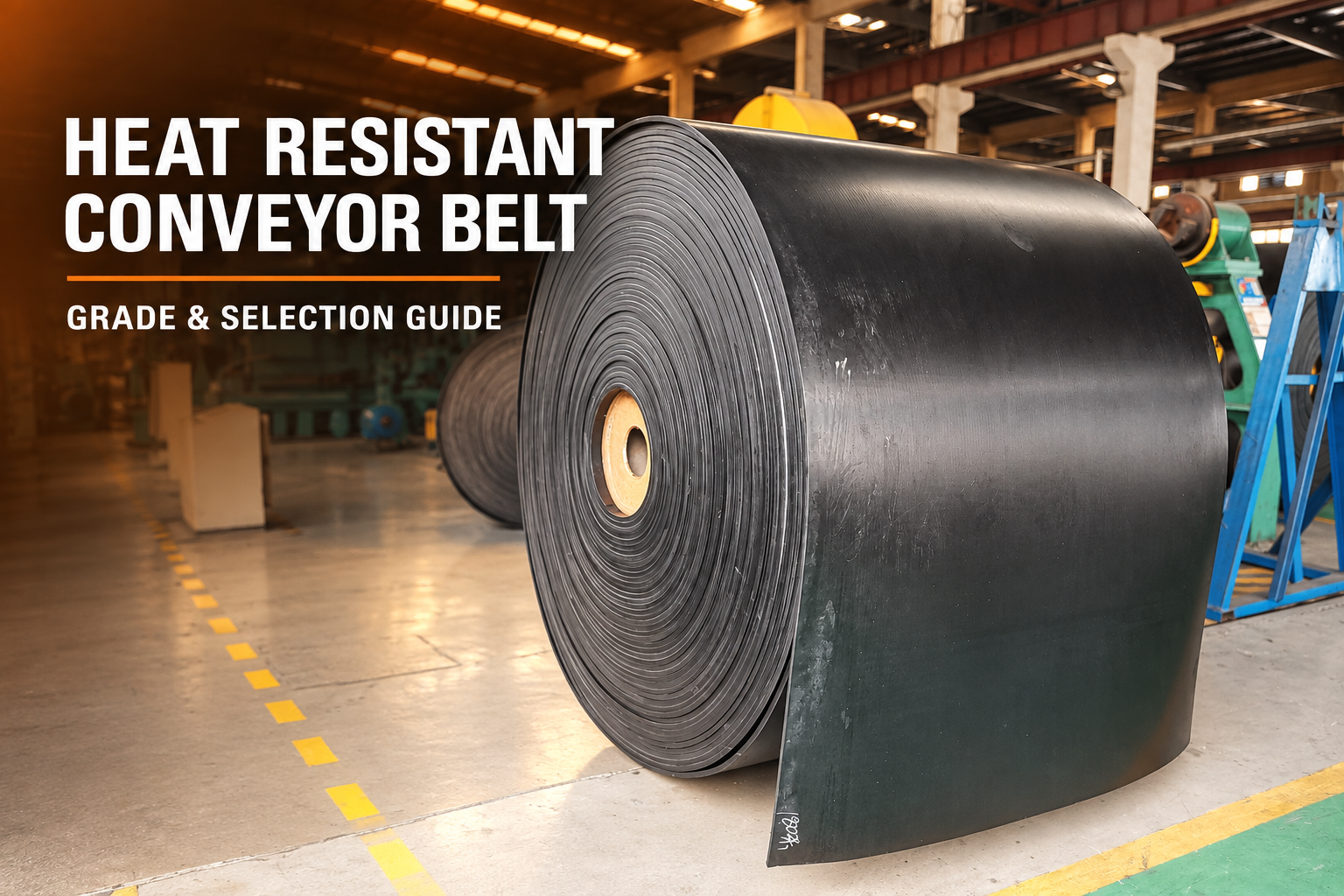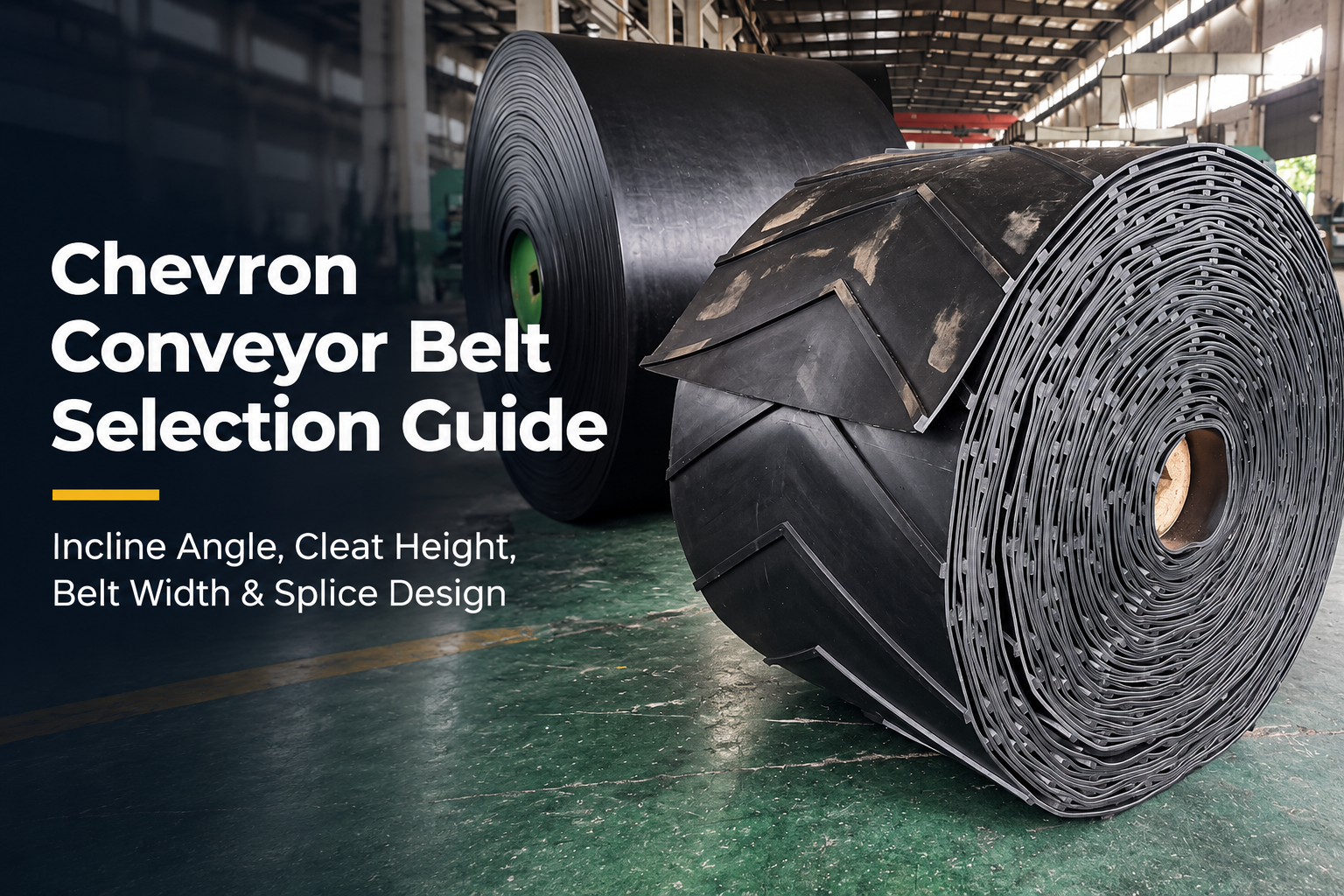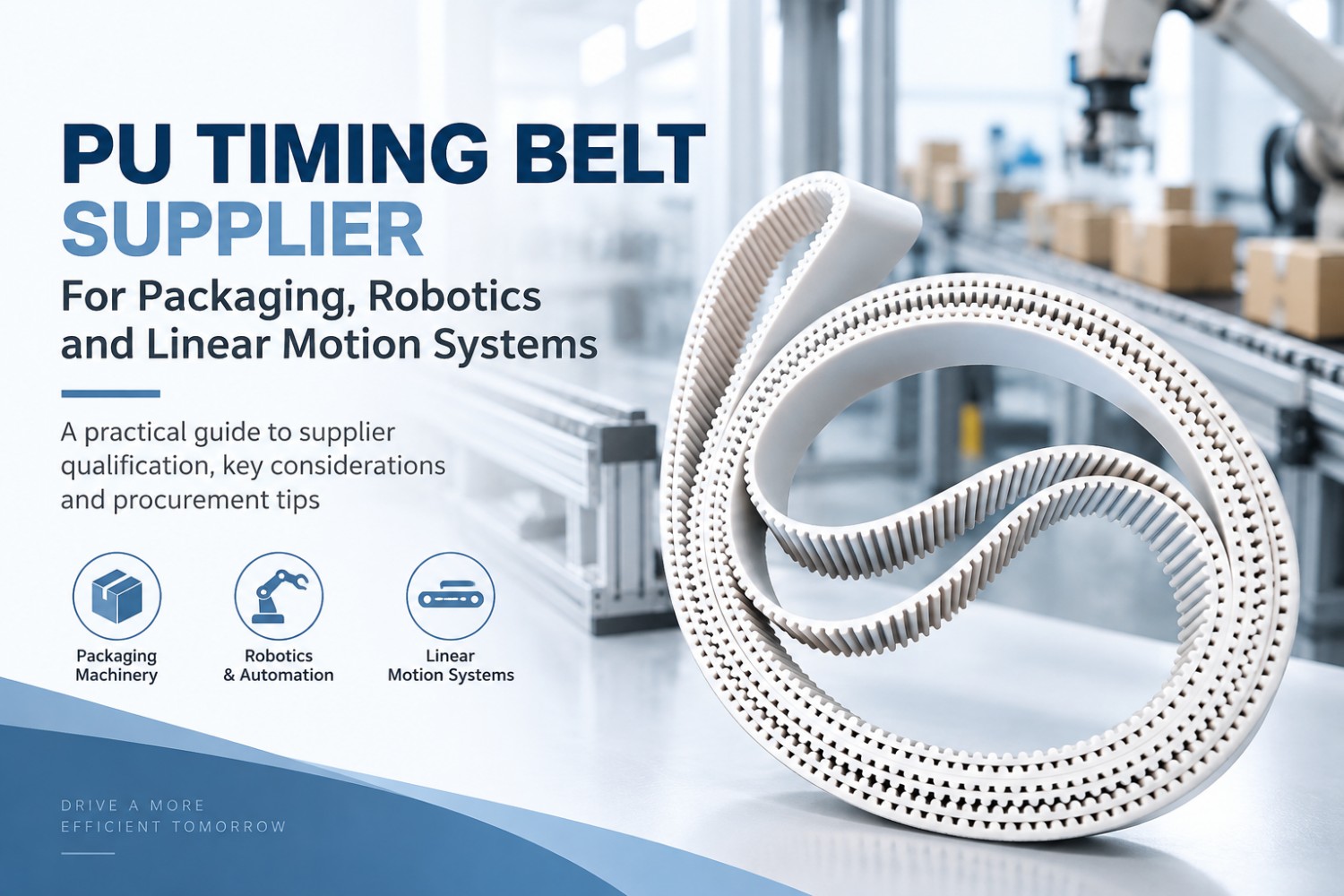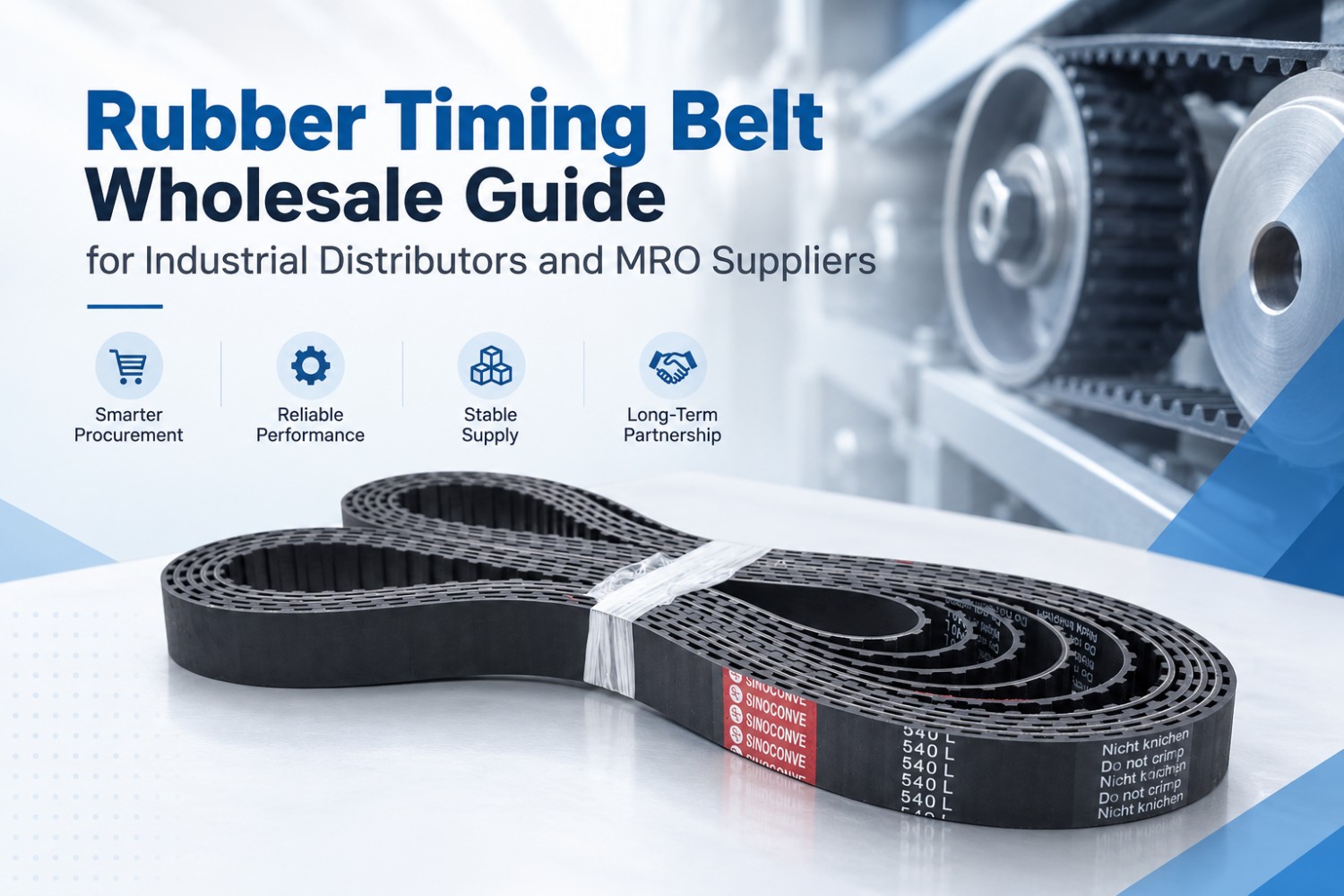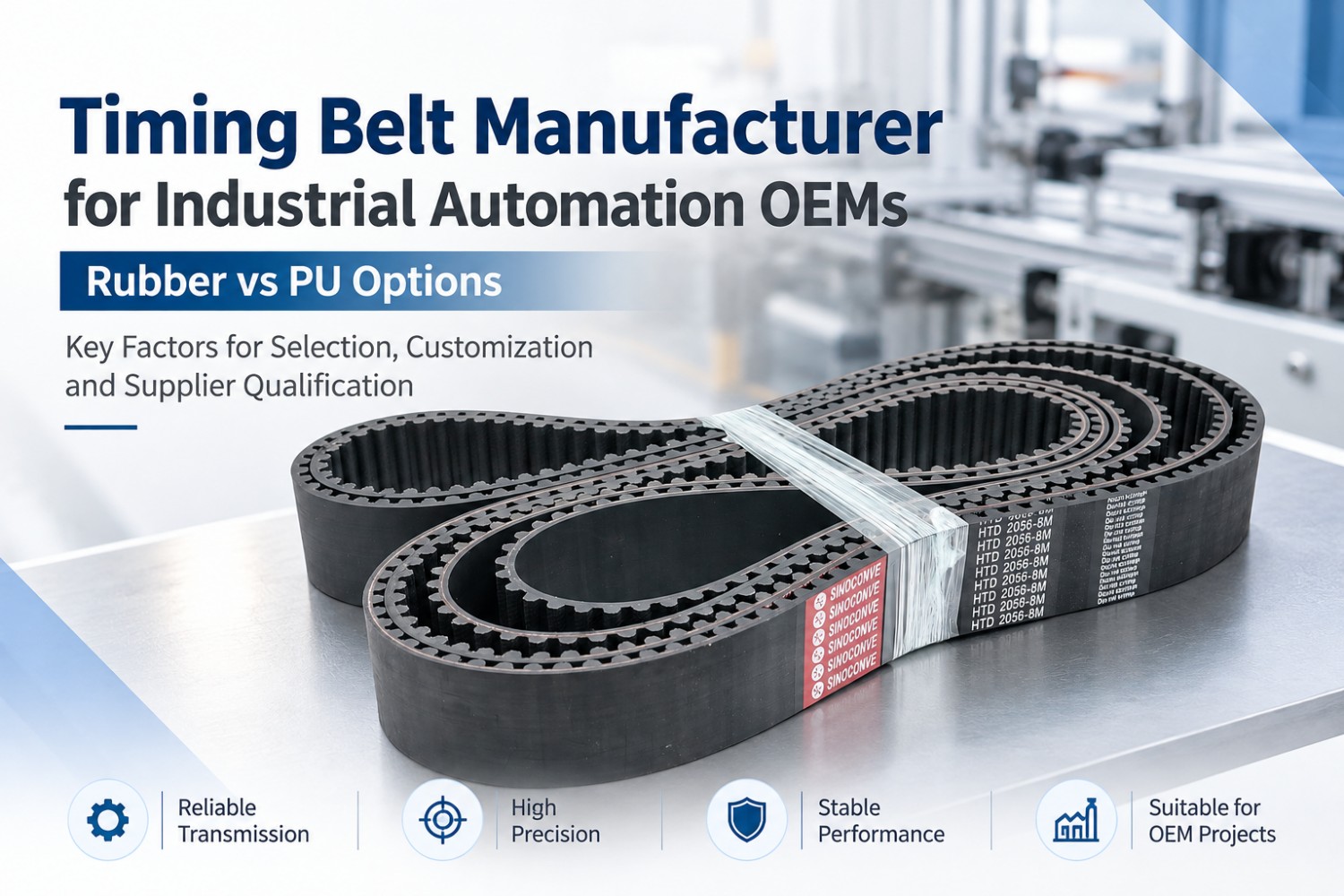

As a professional transmission belt manufacturer, SINOCONVE leads the industry in producing high-quality components essential for mechanical systems. This expertise ensures that transmission belts are engineered to handle the demands of various applications, from industrial machinery to automotive systems. With a focus on durability and performance, SINOCONVE's products, such as the V-Belt, exemplify precision engineering that minimizes downtime and enhances efficiency. In this article, we'll delve into the intricacies of transmission belt manufacturing, exploring its key features, applications, and the benefits of partnering with a specialized manufacturer like SINOCONVE.
Understanding Transmission Belt Manufacturing
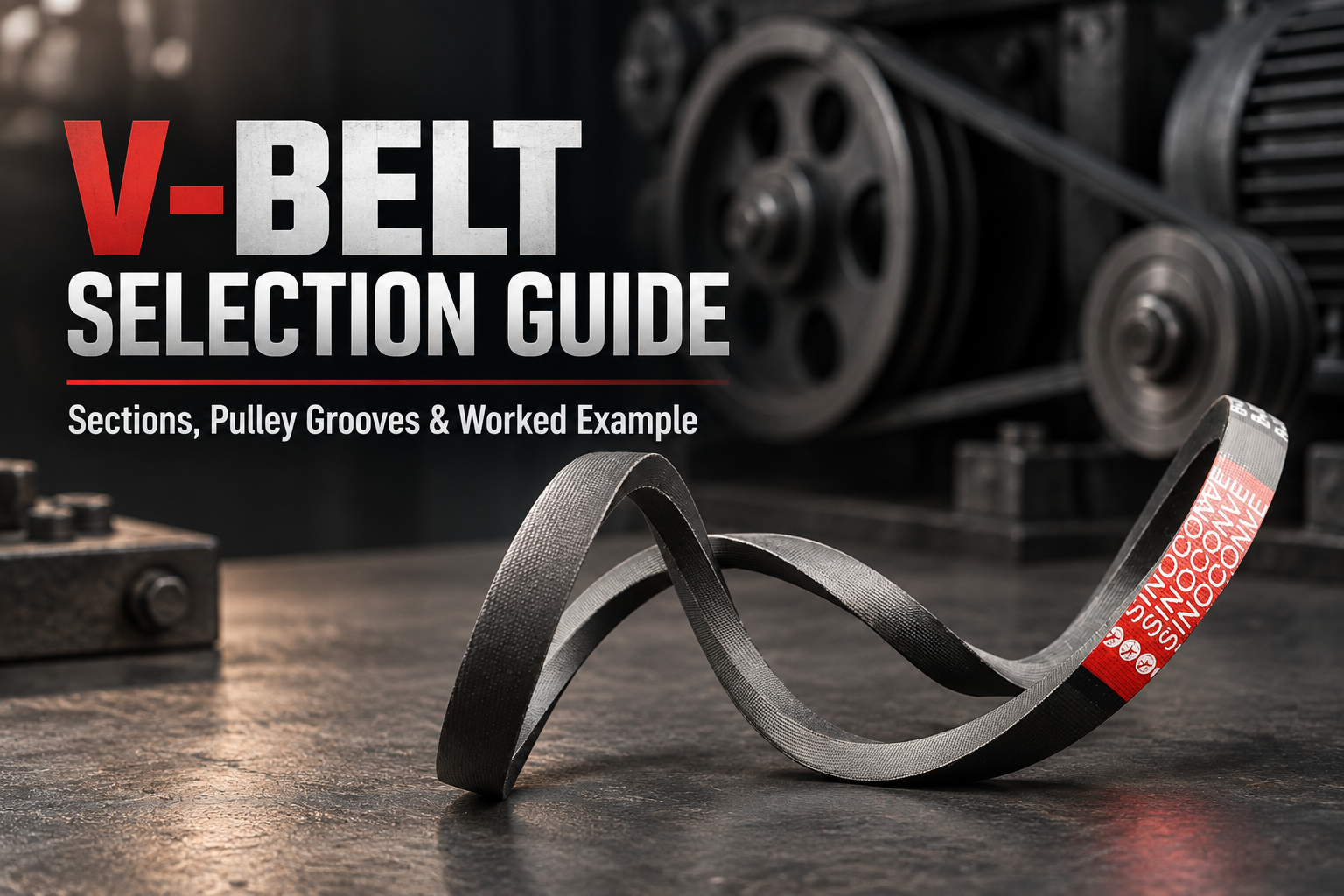
Transmission belt manufacturing involves advanced processes that start with selecting premium-grade materials, such as high-tensile rubber and reinforced cords, to create products like the SINOCONVE V-Belt. A transmission belt manufacturer must prioritize factors like anti-static properties and oil resistance to ensure longevity in harsh environments. For instance, the SINOCONVE V-Belt models, ranging from B-59 to B-62, are designed with specific sizes to fit diverse machinery setups, allowing for seamless integration and reduced slippage. This technical precision is achieved through rigorous quality control, where engineers test for tensile strength and flexibility, ensuring that each transmission belt can withstand vibrational stresses without compromising speed transmission. By focusing on these elements, a professional transmission belt manufacturer like SINOCONVE delivers components that optimize mechanical performance and reliability.
Key Features and Innovations in Transmission Belts
The core innovations in transmission belts, particularly those from a reputable transmission belt manufacturer, include enhanced material compositions that provide superior grip and reduced wear. The SINOCONVE V-Belt, for example, incorporates premium-grade rubber with advanced tensile cords, which not only increases its flexibility but also minimizes noise and vibration during operation. Transmission belts are engineered to maintain consistent power delivery, making them ideal for applications in engines of varying scales. From small agricultural tools to large industrial setups, these belts exhibit oil-resistant properties that prevent degradation in contaminated environments. As a transmission belt manufacturer, SINOCONVE ensures that each product undergoes testing for anti-static features, which is crucial for safety in explosive atmospheres. This level of technical detail underscores the importance of selecting belts that balance strength with adaptability, ultimately extending the lifespan of connected machinery.
Applications and Benefits Across Industries
Transmission belts play a vital role in numerous sectors, including automotive, agricultural, and manufacturing, where they facilitate efficient power transfer and motion control. A professional transmission belt manufacturer like SINOCONVE designs these components to handle specific challenges, such as high-speed operations in automotive engines or heavy-load conditions in industrial conveyors. For instance, the SINOCONVE V-Belt's robust construction allows it to perform reliably in agricultural machinery, reducing maintenance needs and improving overall productivity. In technical terms, the belt's design minimizes energy loss through slippage, which translates to cost savings and enhanced operational efficiency. Transmission belt manufacturers also focus on customization, offering variations that adapt to different environmental factors, such as temperature extremes or chemical exposures. By integrating these belts into systems, businesses can achieve greater reliability and performance, making them a cornerstone of modern mechanical engineering.
The Advantages of Partnering with a Specialized Manufacturer
When choosing a transmission belt manufacturer, the benefits extend beyond product quality to include expert support and innovation. SINOCONVE, as a leading professional transmission belt manufacturer, provides tailored solutions that align with industry standards, ensuring compatibility and ease of installation. Transmission belts from such sources are backed by warranties and technical assistance, which helps in troubleshooting and optimizing system performance. This partnership approach allows for ongoing improvements, such as developing belts with enhanced heat resistance for high-demand applications. Ultimately, relying on a dedicated transmission belt manufacturer fosters long-term efficiency and reduces operational risks, solidifying their role in advancing mechanical reliability across global markets.