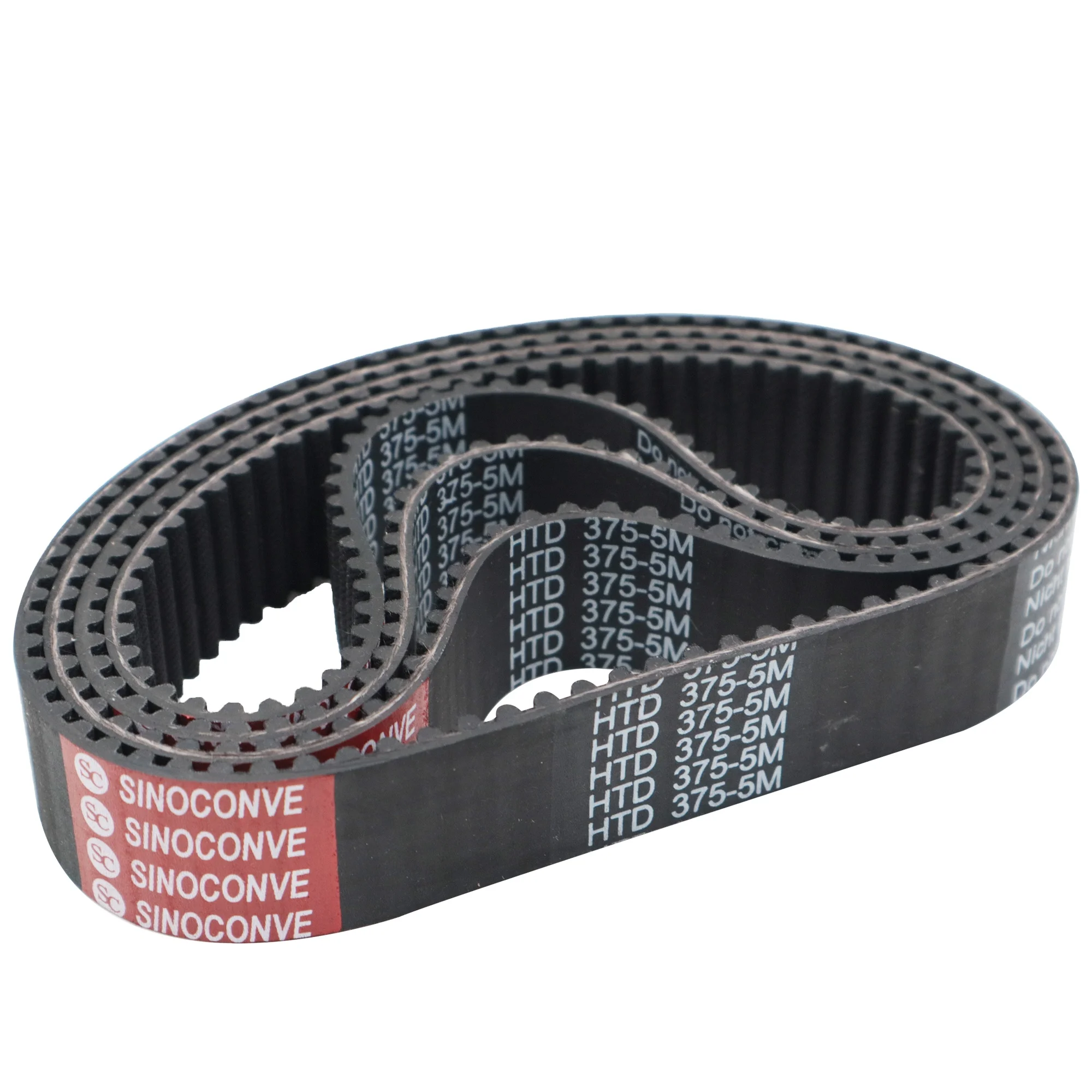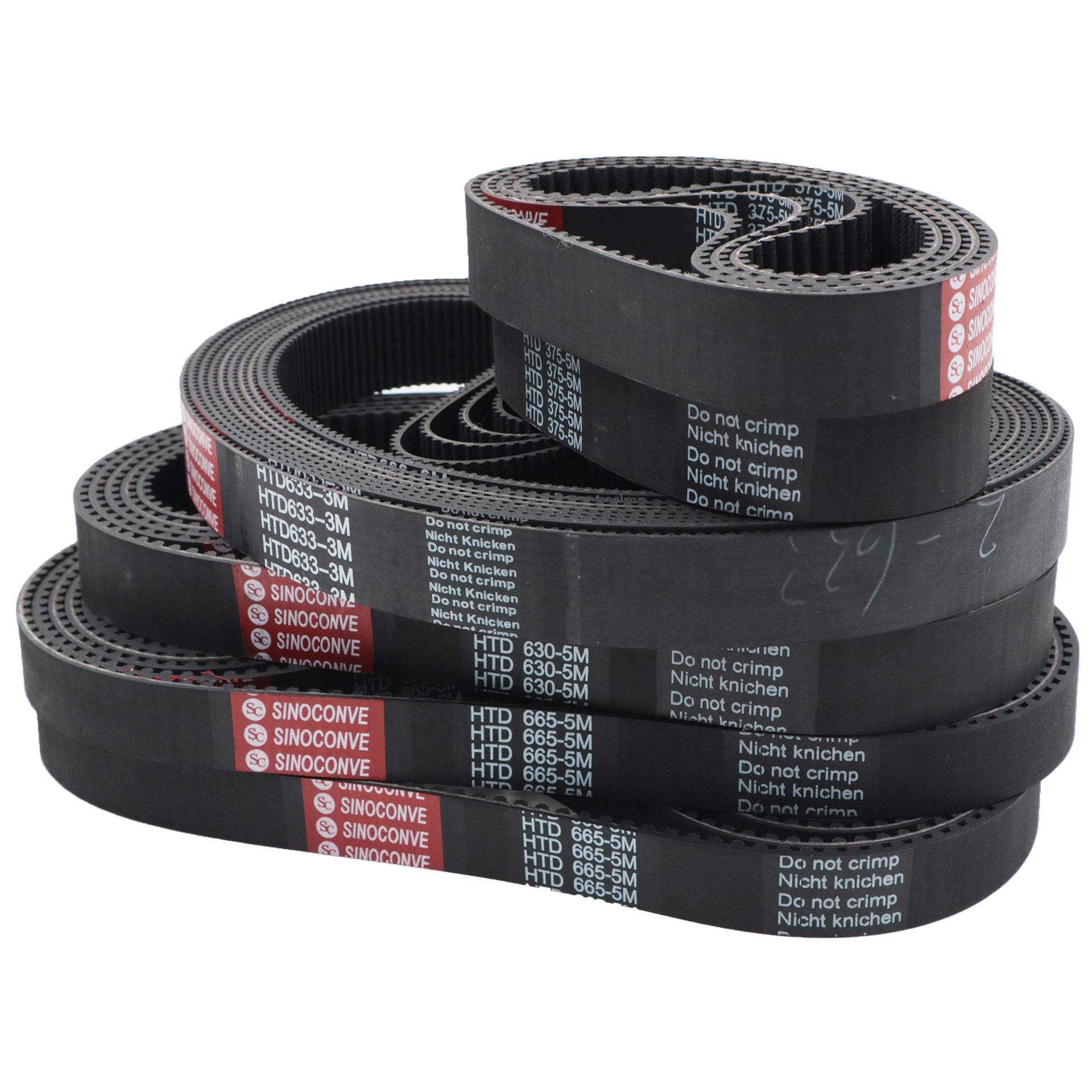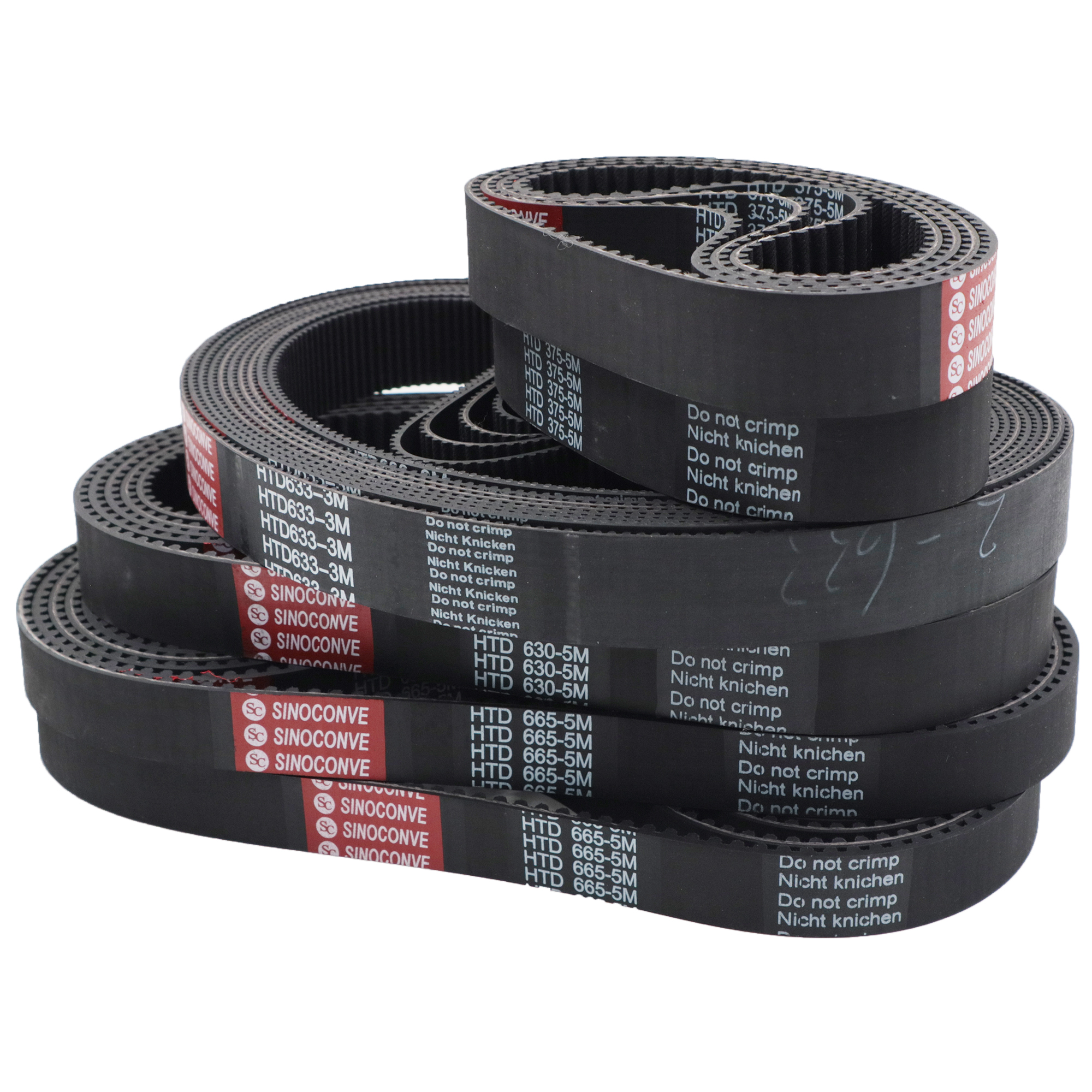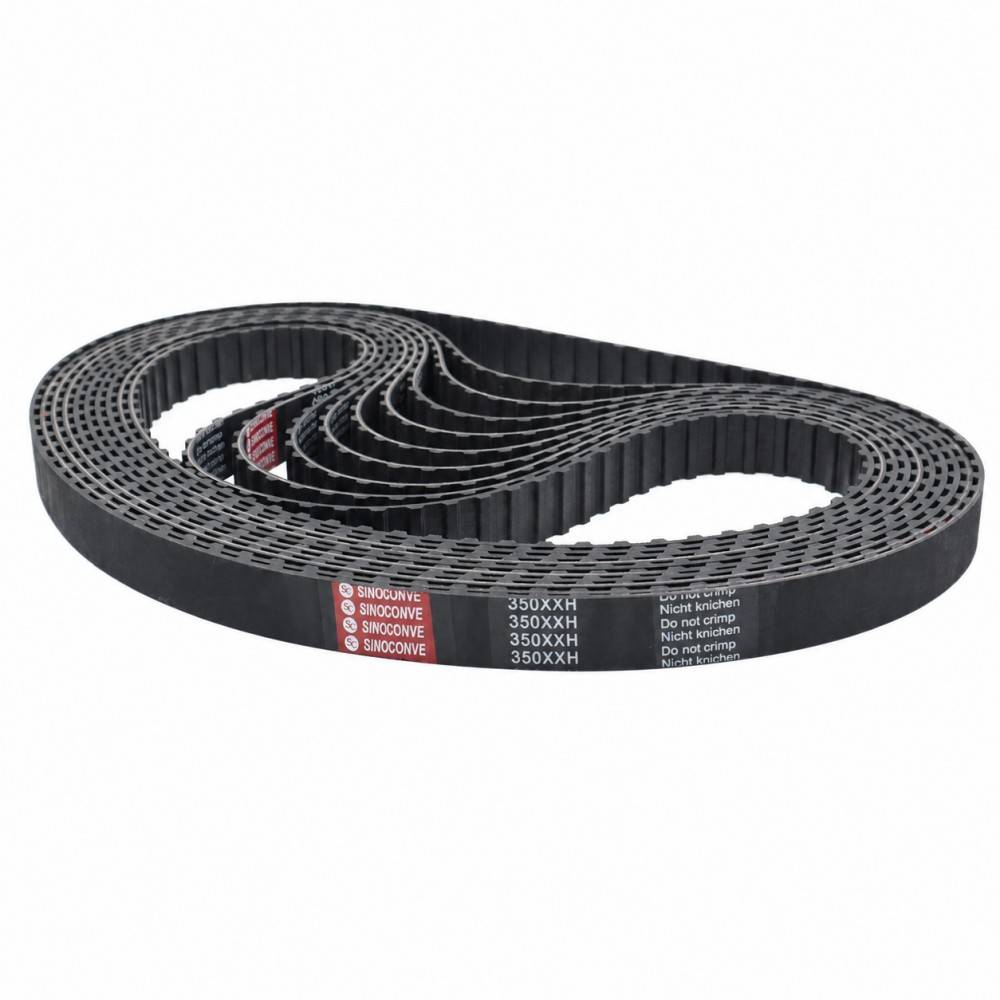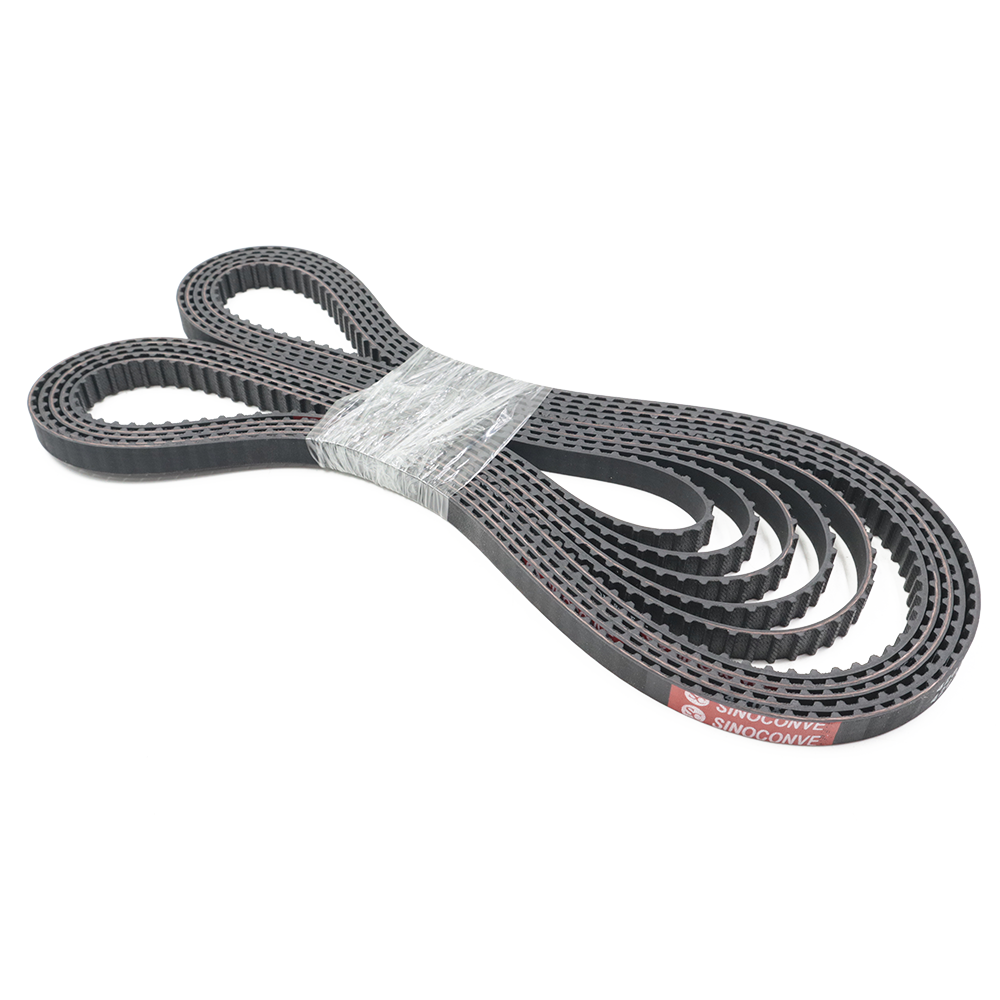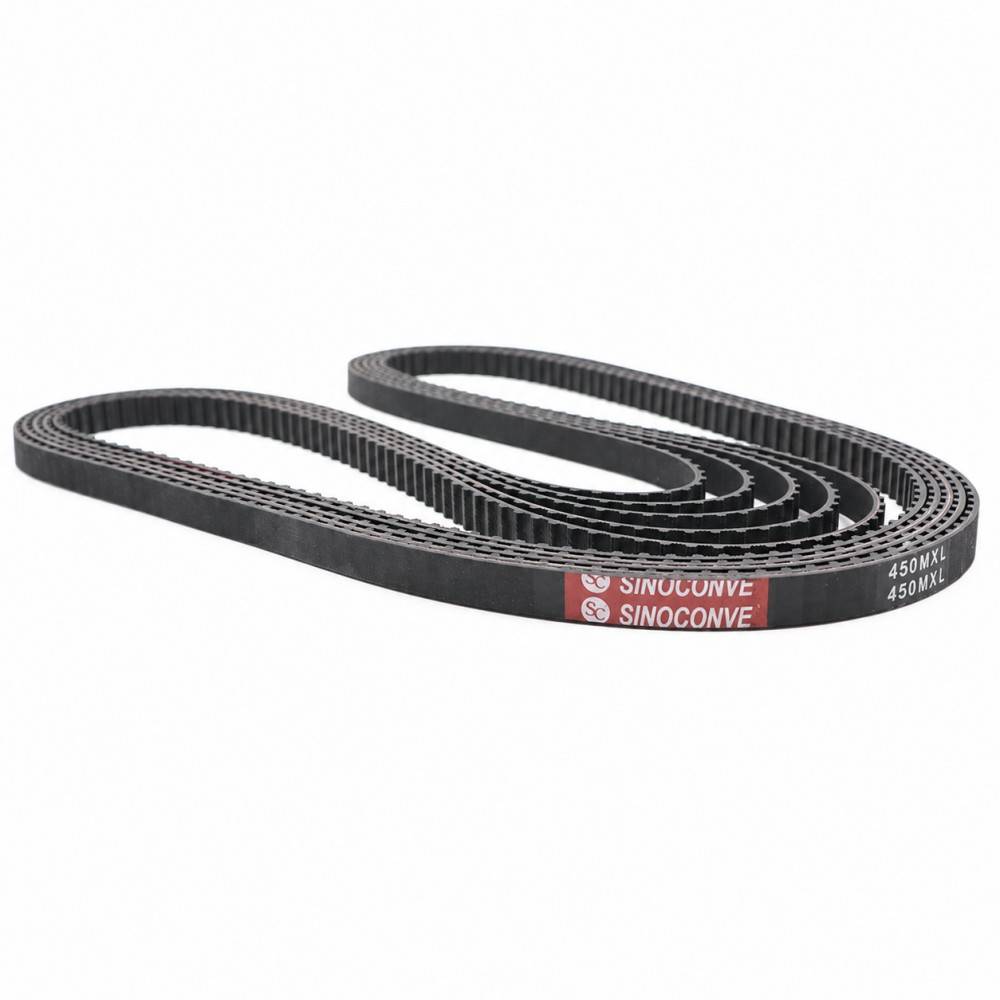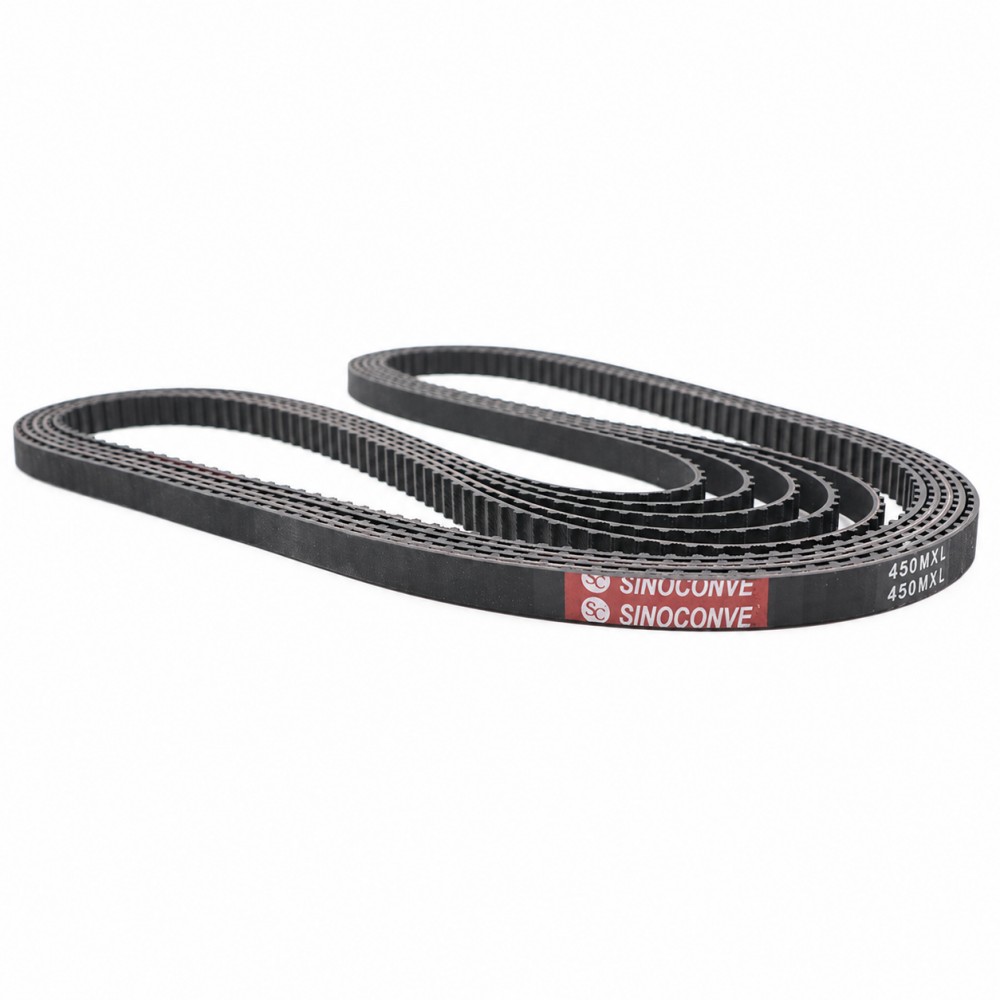


SINOCONVE OEM Automotive Engine Timing Belt for Synchronous Drive Systems

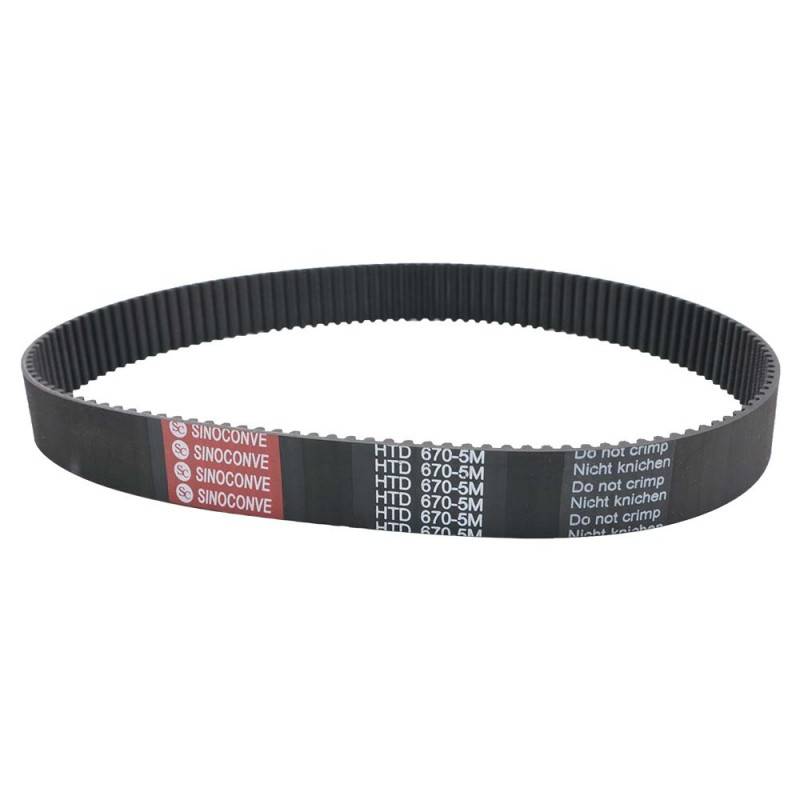
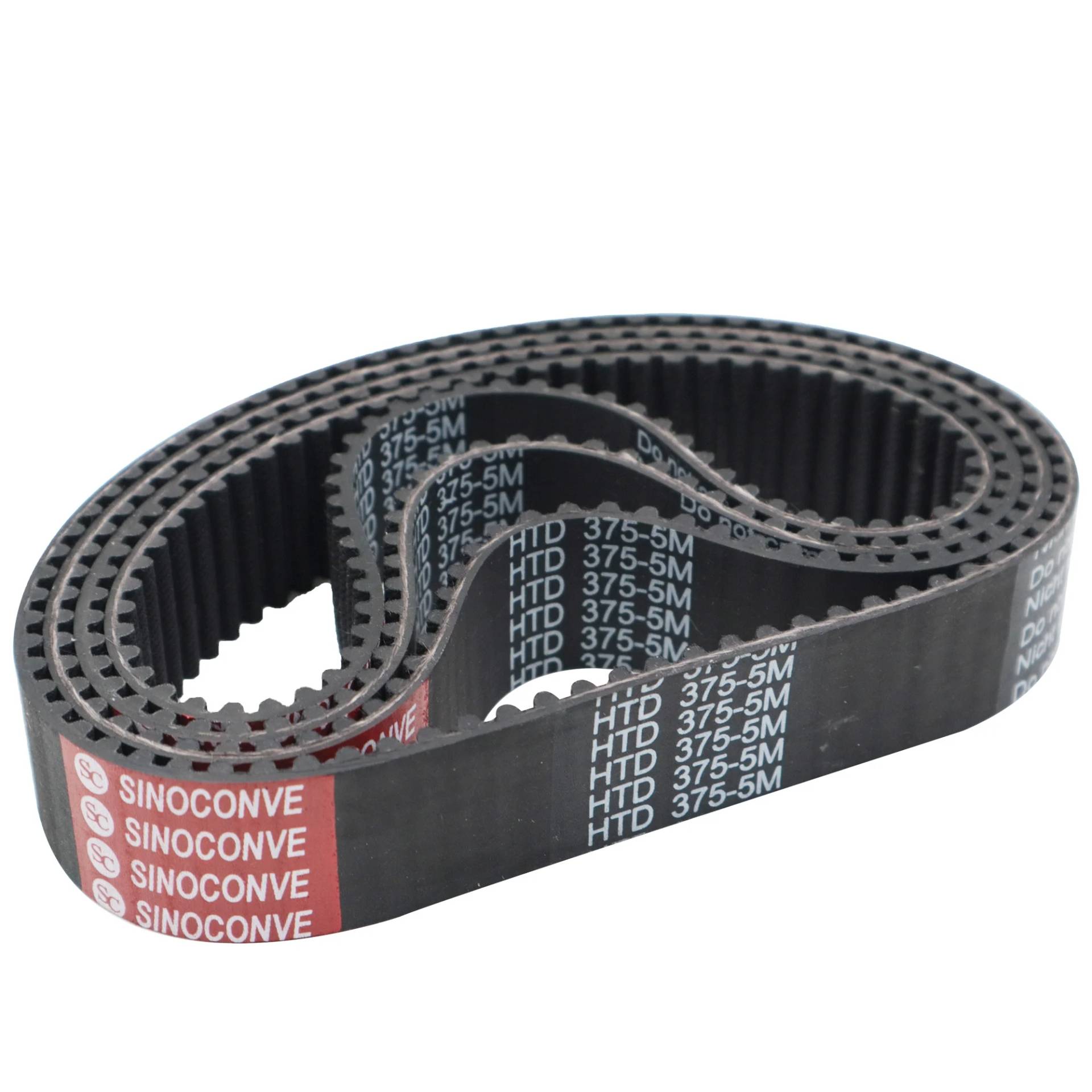
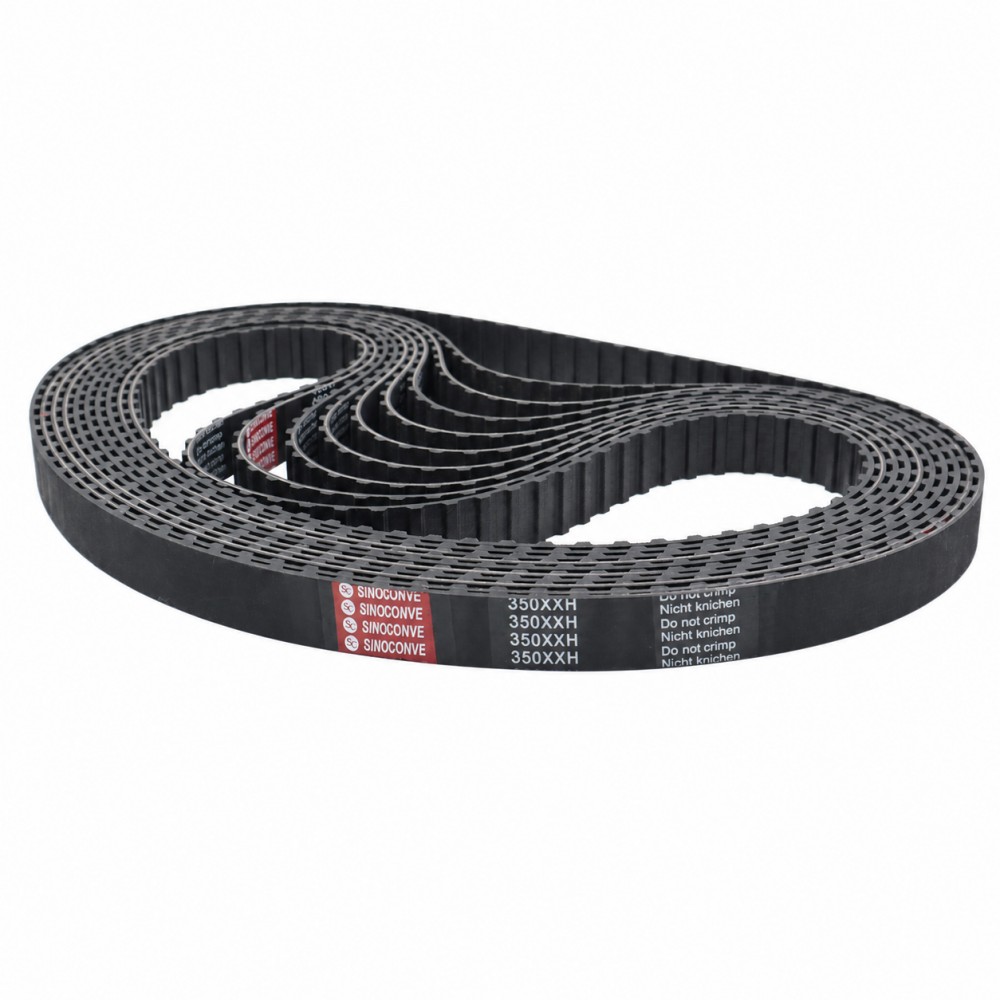
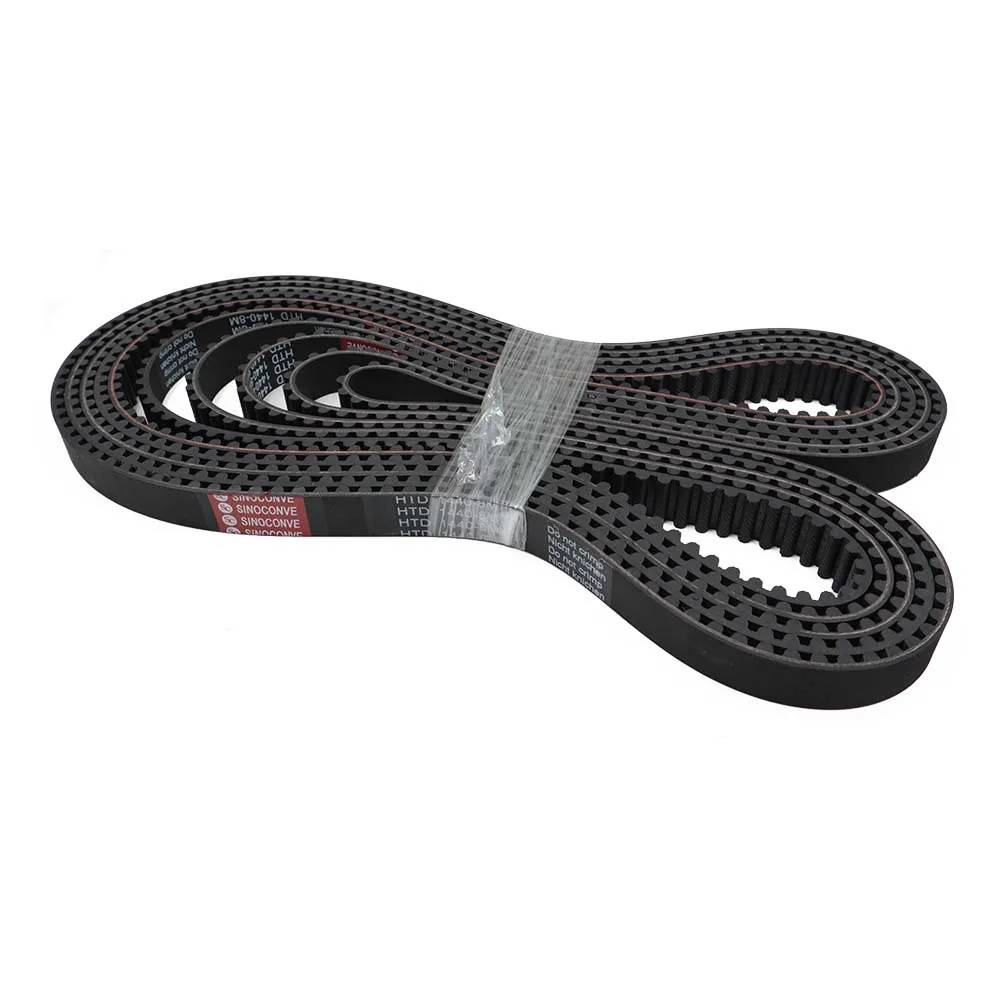
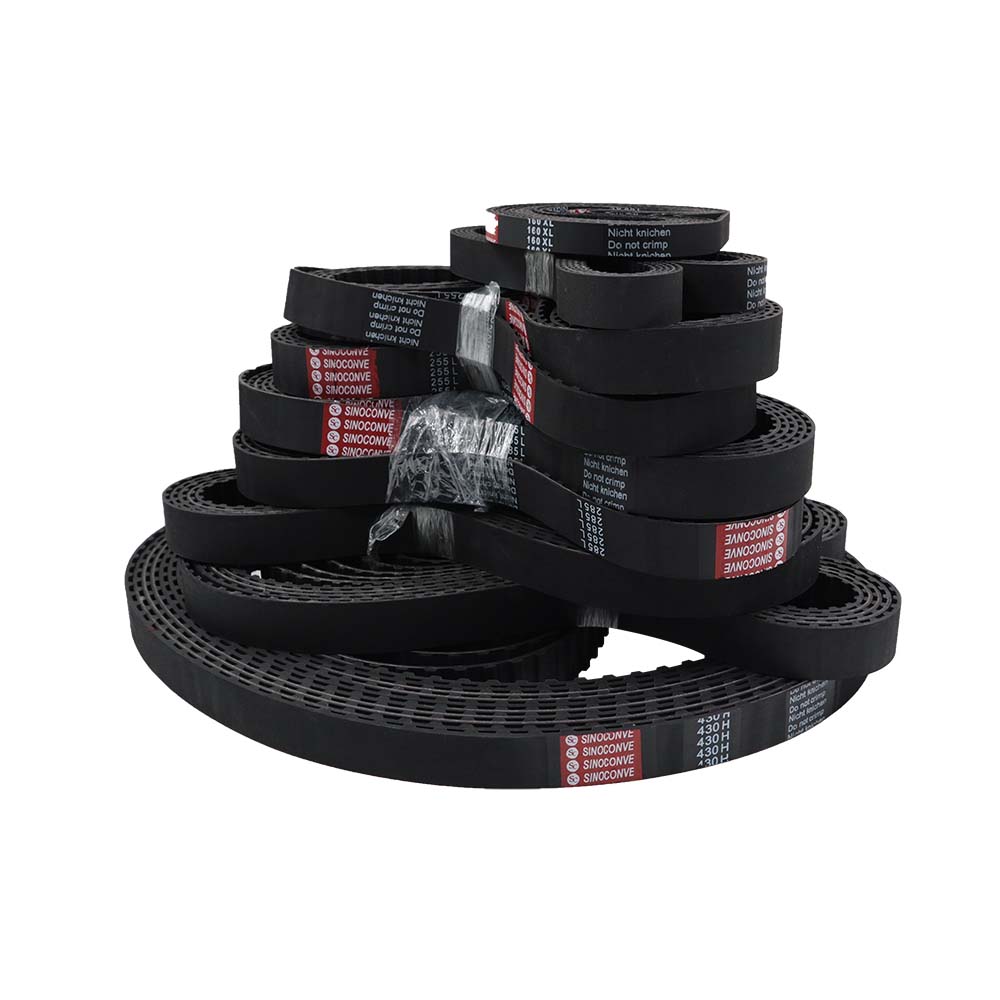
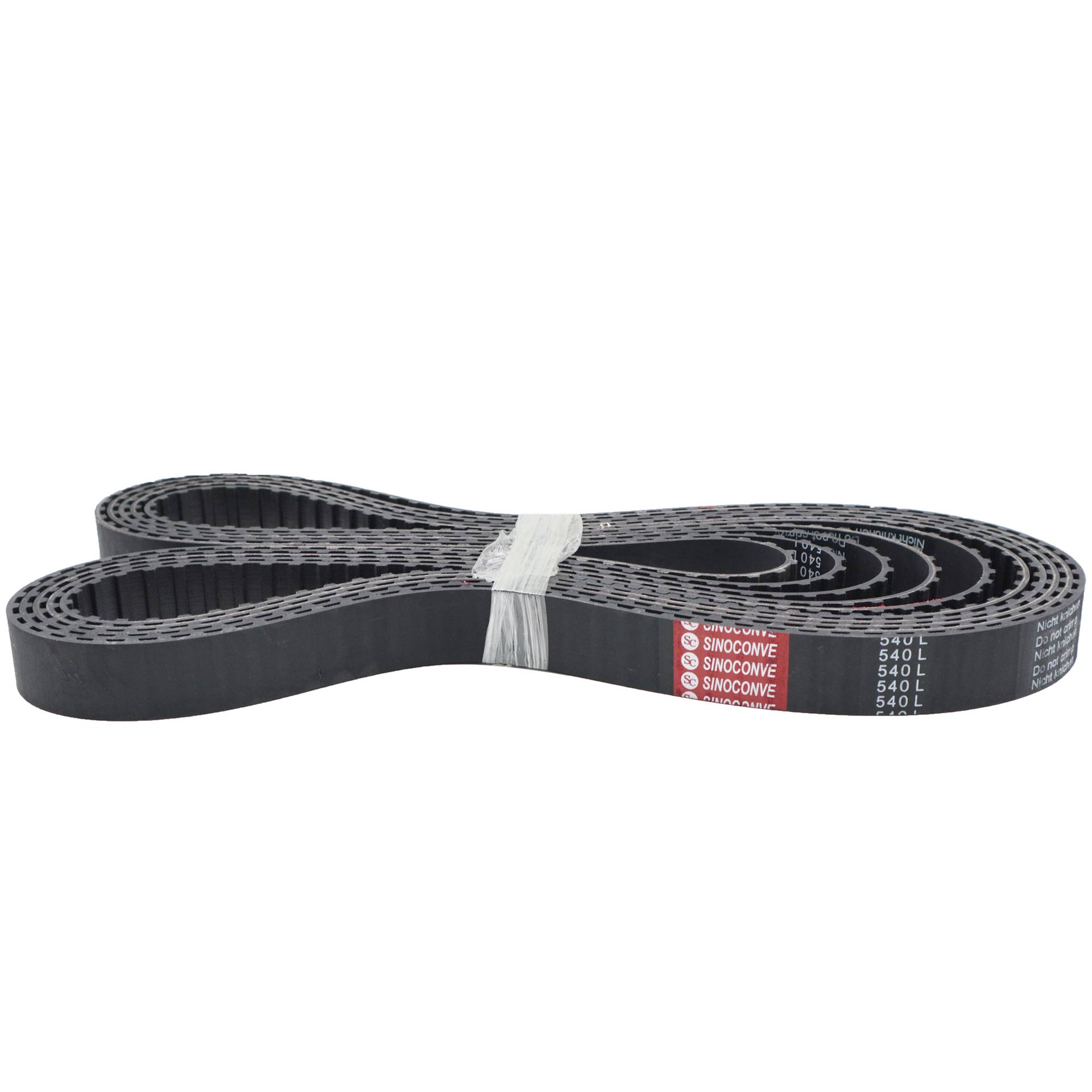
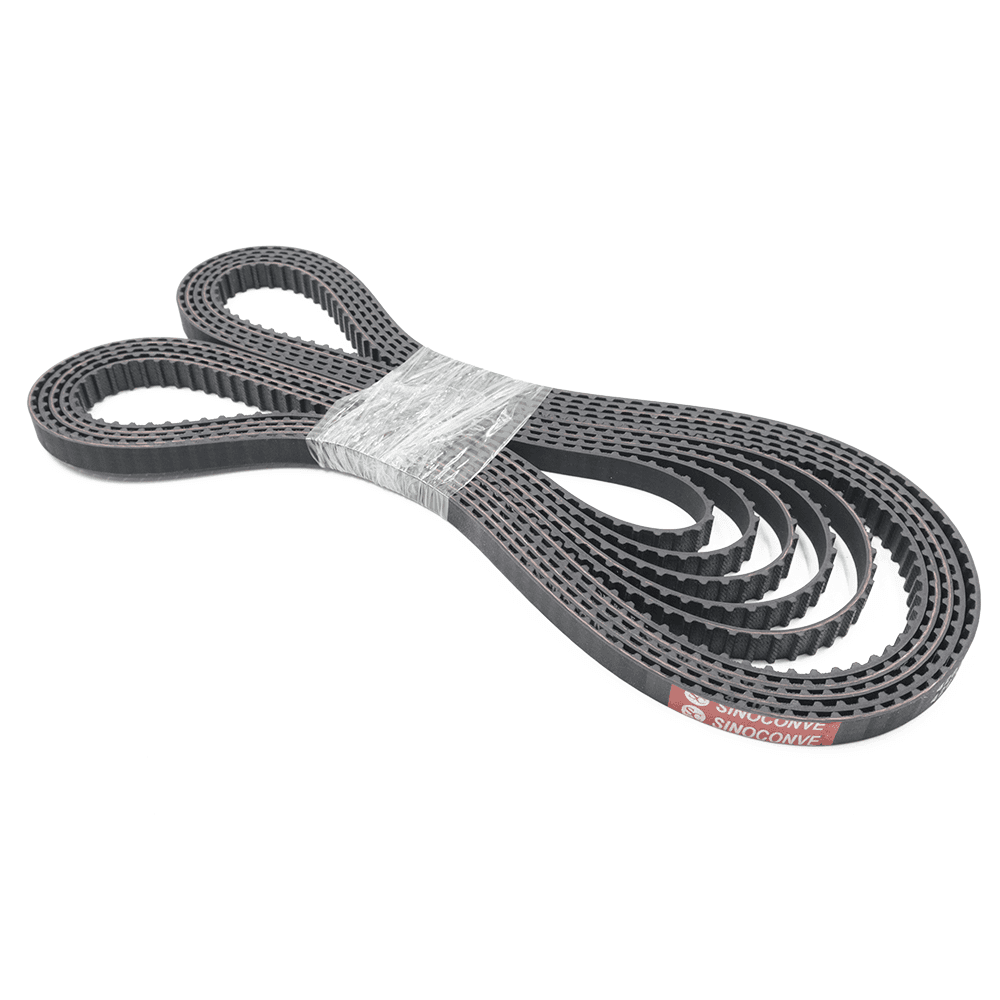
The SINOCONVE OEM automotive engine timing belt is designed for accurate synchronous transmission between matched engine drive components. Its molded toothed profile is intended to support reliable tooth engagement, low-slip operation and consistent timing performance in automotive engine applications.
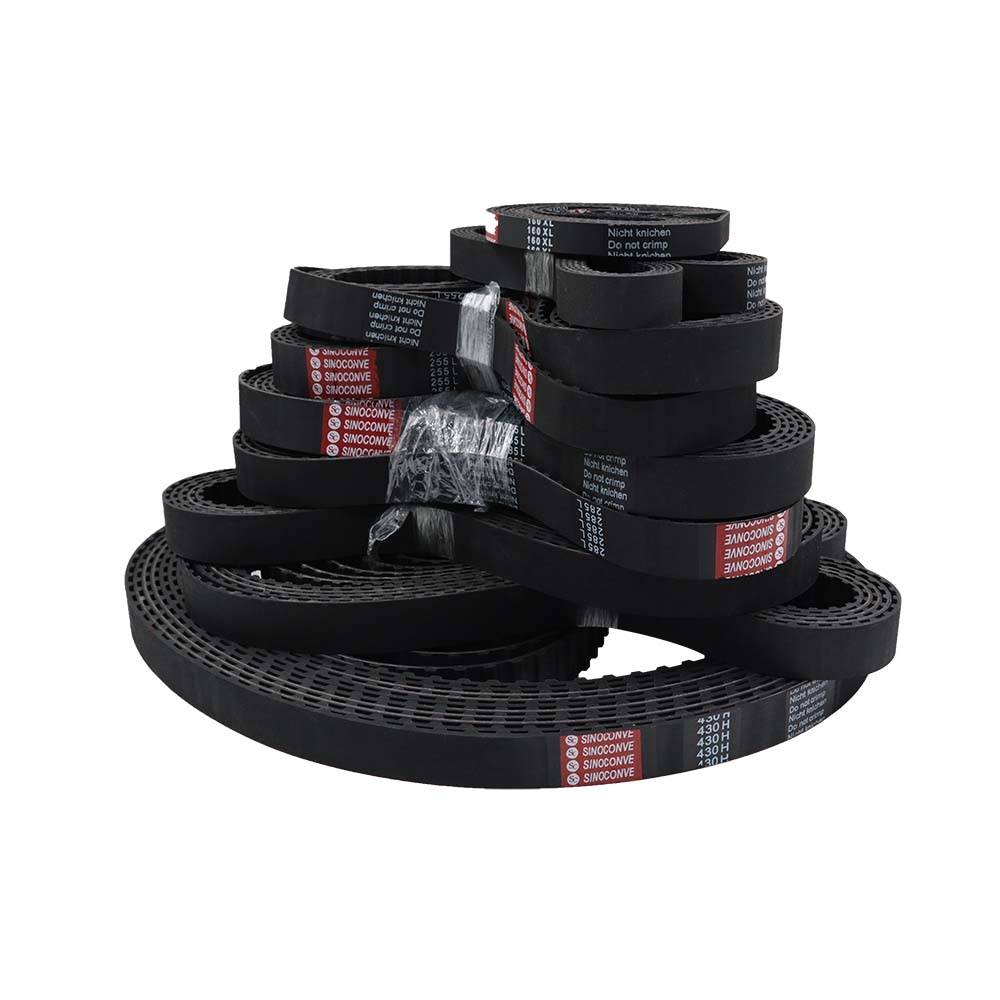
The suitable automotive timing-belt configuration depends on the engine or vehicle application, tooth profile, tooth count, belt width, finished length, pulley arrangement, tension requirement, operating temperature and working environment. Share the original belt marking or drive details with our team so we can review and confirm the appropriate specification.
Get a faster, more accurate quote
Click Inquiry Now and include the vehicle or engine application, original belt marking, tooth profile, tooth count, belt width, finished length, pulley details, quantity and operating conditions.
Listed product configuration
| Product | OEM automotive engine timing belt |
| Application | Automotive engine timing and synchronous drive systems |
| Drive type | Synchronous toothed transmission between matched drive components |
| Belt construction | Reinforced rubber timing-belt construction; material and reinforcement details to be confirmed for the application |
| Customization | Custom sizes, tooth profiles and specifications subject to application confirmation |
| Typical buyers | Automotive parts distributors, engine component buyers, repair networks and industrial vehicle manufacturers |
Material and application note
Tooth profile, tooth count, belt width, finished length, pulley compatibility, tension, temperature exposure and engine configuration should be confirmed before ordering. Belt performance depends on the selected construction and the actual service conditions. This page does not replace vehicle- or engine-specific technical confirmation.
Automotive timing-belt construction

Reliable tooth engagement
The molded tooth profile is intended to engage with a matching pulley and support synchronized rotation of engine drive components.
Application-specific selection
Tooth form, tooth count, belt width, finished length, pulley dimensions and tension requirements should be reviewed together before selecting a replacement belt.
Reinforced rubber body
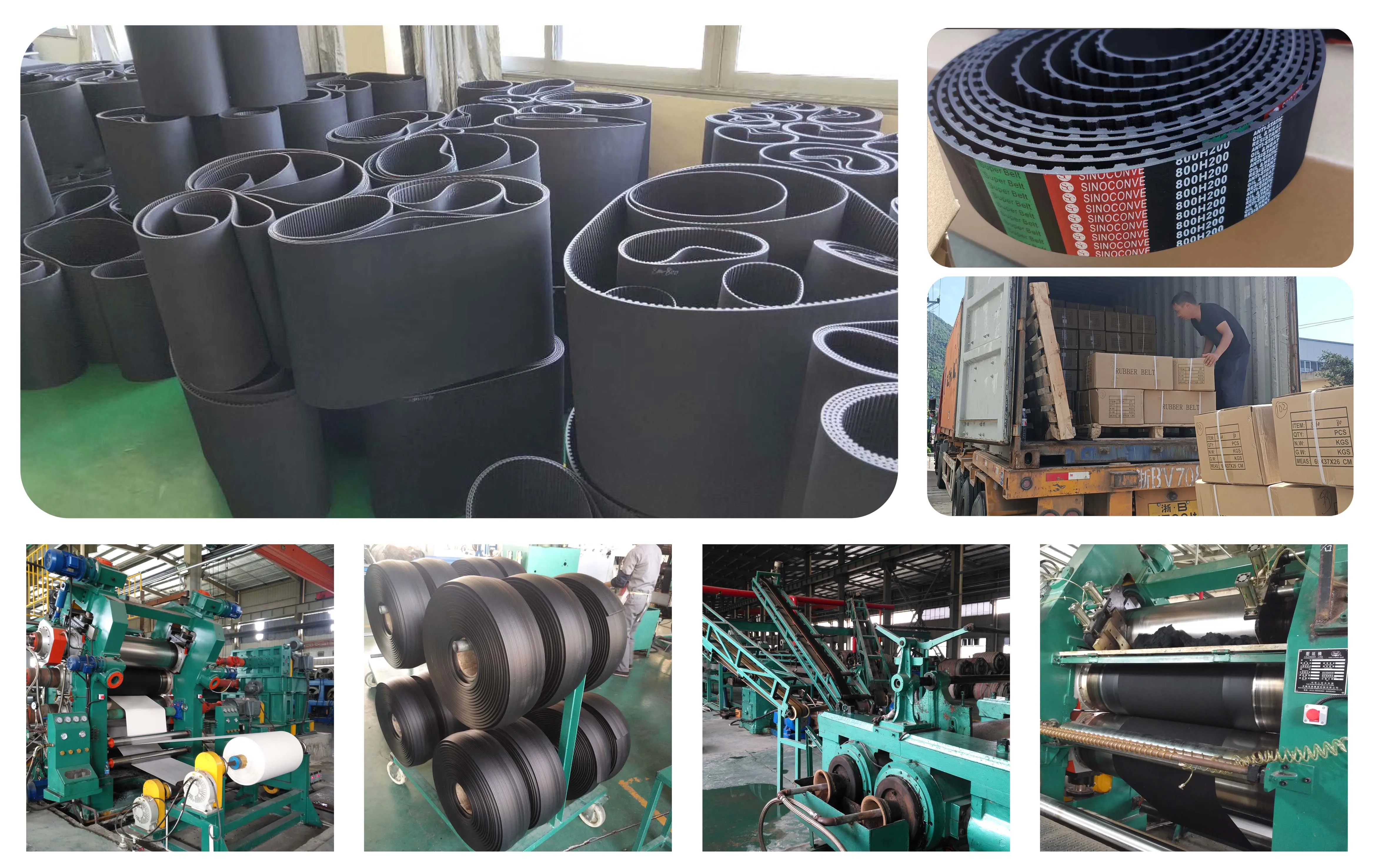
The supplied reference information describes a reinforced rubber timing-belt construction with tensile members and a wear-resistant fabric protecting the belt teeth. Confirm the selected compound and reinforcement for the intended engine application.

Why buyers choose an OEM automotive engine timing belt
Supports synchronized engine motion
The toothed belt and matched pulleys are intended to maintain coordinated rotation between engine drive components when the correct specification and tension are used.
Designed for replacement identification
Providing the original belt marking, vehicle or engine information and measured dimensions helps the supplier review a suitable replacement configuration.
Supports custom automotive requirements
Tooth profile, tooth count, belt width, finished length, reinforcement and rubber compound can be discussed according to the required engine or vehicle application.
Application details we check
- Vehicle type, engine model or equipment application.
- Original belt marking, tooth profile, tooth count and belt width.
- Finished belt length, pulley tooth count, pulley dimensions and center distance.
- Required tension method, installation arrangement and replacement interval information.
- Operating temperature, oil exposure, dust, moisture and other engine-compartment conditions.
- Required quantity, packaging, inspection documents and replacement-belt traceability.
Providing these details helps our team reduce back-and-forth and prepare a more accurate automotive timing-belt recommendation and quotation.
Automotive timing-belt specification checklist
| Item | Information to confirm |
| Vehicle or engine | Vehicle model, engine model or equipment application |
| Toothed profile | Original profile or belt marking; confirm before production |
| Belt dimensions | Tooth count, width, finished length and belt construction |
| Drive compatibility | Matching pulleys, tension system, installation arrangement and operating conditions |
The checklist is for quotation preparation. Confirm all dimensions and compatibility against the original belt, pulley system and engine requirements before ordering.
Customization discussion
Depending on the application, ask our sales team about tooth profile, tooth count, belt width, finished length, rubber compound, tensile reinforcement, tooth fabric, packaging and inspection documentation. Availability and suitability should be confirmed against the vehicle or engine requirements.
Get a technical recommendation and quote
Click Inquiry Now and send your vehicle or engine model, original belt marking, tooth count, belt width, finished length, pulley data, quantity and operating conditions.
Suggested inquiry: “Please quote an OEM automotive engine timing belt for [vehicle or engine model], original belt marking [ ], tooth count [ ], width [ ] mm, finished length [ ], quantity [ ], and operating conditions [ ].”
Frequently asked questions
What is an automotive engine timing belt used for?
It is used in a synchronous engine drive system to coordinate rotation between matched toothed pulleys and engine components. The exact belt specification must be confirmed for the vehicle or engine.
What information is needed to select a replacement belt?
Provide the vehicle or engine model, original belt marking, tooth profile, tooth count, belt width, finished length, pulley information and operating conditions.
Can the belt be customized for different engine applications?
Custom tooth profiles, dimensions, reinforcement and rubber constructions can be discussed. Suitability must be checked against the engine design and matched pulley system.
What conditions should be considered before ordering?
Consider engine temperature, oil exposure, dust, moisture, tension method, installation arrangement, pulley compatibility and required replacement dimensions.
How do I submit an inquiry?
Use the Inquiry Now link and include the vehicle or engine model, original belt marking, dimensions and quantity.
Automotive Timing Belt Profile Reference
Company information