

Fire, Heat, Cold & Oil Resistant Conveyor Belt — Specialty Grade Manufacturer
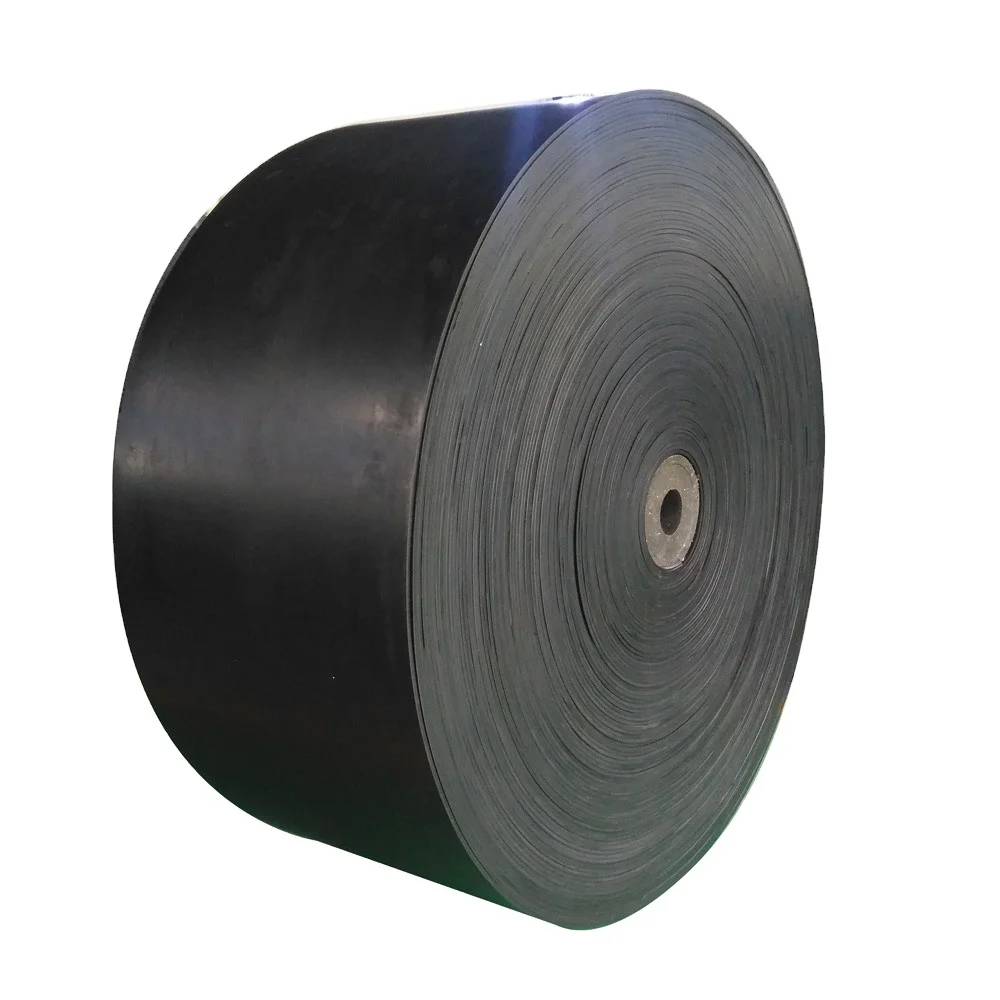
This listing covers specialty-compound rubber conveyor belts engineered for operating environments where standard abrasion-resistant rubber is insufficient. The four main specialty grades are:
- Fire-resistant (FR / FRAS): flame-retardant and antistatic compounds for underground coal mines and high fire-risk installations
- Heat-resistant (T1 / T2): high-temperature compounds for conveying hot clinker, coke, sinter, or ash above 80°C
- Cold-resistant (C): low-temperature compounds for outdoor or refrigerated environments down to −40°C or below
- Oil-resistant (MOR / SOR): nitrile-rubber (NBR) based compounds for conveying oily materials, seeds, or products where hydrocarbon contamination is present
Each compound addresses a different hazard. The correct selection depends on the specific hazard in your operating environment — not on general preference. Send us your application type and operating conditions and our team will confirm the appropriate specialty grade and full belt specification.
Get a faster, more accurate quote
Click Inquiry Now and include your hazard type (fire / heat / cold / oil), the applicable standard or regulation (if known), your material type, belt width and length, operating temperature range, and quantity.

Specialty grade selection guide
| Grade | Key hazard addressed | Typical operating range | Typical applications |
| FR / FRAS | Fire propagation + static discharge | Standard ambient | Underground coal mine, tunnels, flammable dust environments |
| T1 Heat Resistant | High material temperature | Up to ~120°C continuous | Warm clinker, coke, foundry sand, hot aggregate |
| T2 Heat Resistant | High material temperature (severe) | Up to ~150°C continuous | Hot clinker, sinter ore, hot ash, metallurgical waste |
| C Cold Resistant | Low ambient temperature | Down to −40°C (grade dependent) | Arctic / sub-zero outdoor conveyors, cold storage, frozen food |
| MOR / SOR Oil Resistant | Hydrocarbon oil contact / absorption | Standard to moderate temp. | Oilseed processing, animal feed, abattoir waste, fuel coal, oil-contaminated aggregate |
The temperature and performance limits above are indicative. The correct grade must be confirmed against your actual operating conditions and any applicable regulatory standards before production.
Material and application note
Specialty compound selection must be based on the verified hazard type and the applicable regulatory or industry standard for your installation. FRAS belts must be tested and certified to the applicable underground mining standard — specify the required standard in your inquiry. No certification claims are made on this page without confirmation of the specific standard required.
Key points for each specialty grade
Fire-Resistant & Antistatic (FRAS)
Underground coal mine conveyors in most countries are legally required to use FRAS-rated belts to reduce fire propagation risk and prevent static discharge ignition. Standard abrasion-resistant belts do not qualify. FRAS belts must be certified to the applicable standard — common references include ISO 284 (antistatic), ISO 340 (flame propagation), AS/NZS 1334.11, SABS 971, and others. Specify your required standard when you inquire.
Heat-Resistant (T1 / T2)
The cover compound is the critical variable for hot-material conveying. A T1 compound maintains its properties up to approximately 120°C continuous / 150°C peak; T2 covers the range up to approximately 150°C continuous / 180°C peak. Beyond T2, a specialist compound is required — provide your measured peak temperature and we will advise.
Cold-Resistant
Standard rubber becomes stiff and brittle at sub-zero temperatures, causing cracking and belt failure in arctic or cold-storage environments. Cold-resistant compounds maintain flexibility at temperatures as low as −40°C or below (grade-dependent). If your installation operates outdoors in cold climates, confirm the expected minimum ambient temperature in your inquiry.
Oil-Resistant (MOR / SOR)
Standard rubber swells and degrades when in continuous contact with mineral oils, vegetable oils, or animal fats. Nitrile rubber (NBR) compounds — classified as MOR (moderate oil resistance) or SOR (superior oil resistance) — are used when the conveyed material or the environment involves significant oil or fat contact. Specify the type of oil or fat and the contact duration in your inquiry.
Application details we check
- Primary hazard type: fire / static, high temperature, low temperature, oil / fat contamination — determines compound type.
- Applicable regulatory standard or industry specification (if known) — essential for FRAS applications.
- Material type and secondary conditions (e.g. oily material that is also abrasive, or hot material in a cold climate).
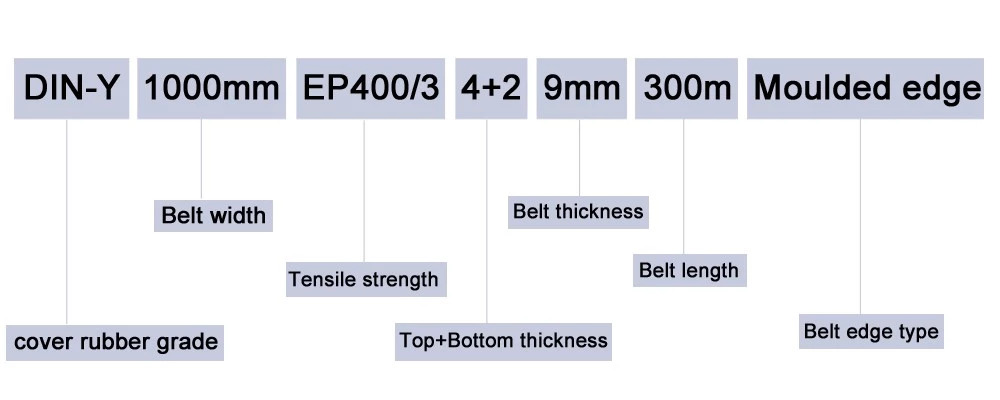
- Belt width, center-to-center length, incline angle, pulley diameters, and belt speed.
- Operating temperature range (ambient + material temperature).
- Quantity and delivery requirements.
Customization discussion
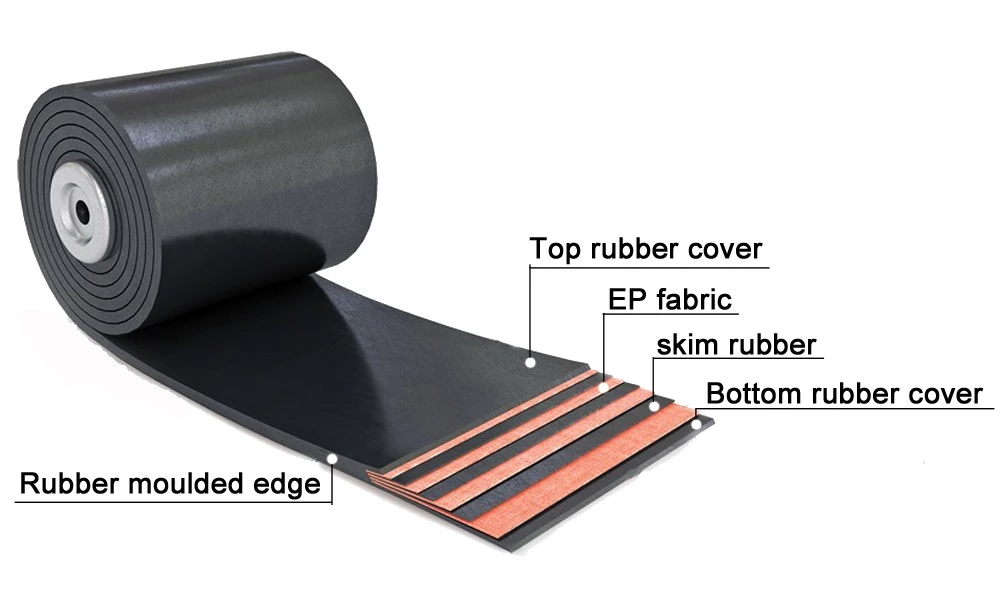
Compound grade (FR, FRAS, T1, T2, C, MOR, SOR), EP or NN carcass, belt width, length, ply count, top and bottom cover thickness, and splice preparation can be discussed. Combinations such as FRAS + heat-resistant for hot underground coal are possible — confirm your dual requirements in the inquiry.
Get a technical recommendation and quote
Click Inquiry Now and send your hazard type, applicable standard, and belt dimensions.
Suggested inquiry: "Please quote a [FRAS / heat-resistant T1 / cold-resistant / oil-resistant] conveyor belt — belt width [ ] mm, length [ ] m, material [type], operating temperature [ ]°C, required standard [if applicable], quantity [ ] meters."
Frequently asked questions
Can one belt combine fire-resistant and heat-resistant properties?
Yes — for underground coal mine applications where the material is also warm, a FRAS + heat-resistant compound combination can be produced. This is a specialty formulation and requires detailed confirmation of both the fire standard and the material temperature range.
How cold does the belt need to be for a cold-resistant grade?
If the minimum ambient temperature is below −10°C, a cold-resistant compound should be considered. Standard rubber maintains flexibility to about −10°C; cold-resistant grades extend this to −25°C, −40°C, or lower depending on the specific compound. Provide the expected minimum ambient temperature in your inquiry.
What is the difference between MOR and SOR oil resistance?
MOR (Moderate Oil Resistance) is suitable for light oil contamination or vegetable/animal fat contact. SOR (Superior Oil Resistance) is used when the belt is in continuous heavy contact with mineral oil or petroleum products. The correct grade depends on the type and concentration of the oil or fat in your application.
How do I submit an inquiry?
Use the Inquiry Now link to open our contact page at https://sinoconve.com/contact-us and describe your hazard type, applicable standard, belt dimensions, and quantity.