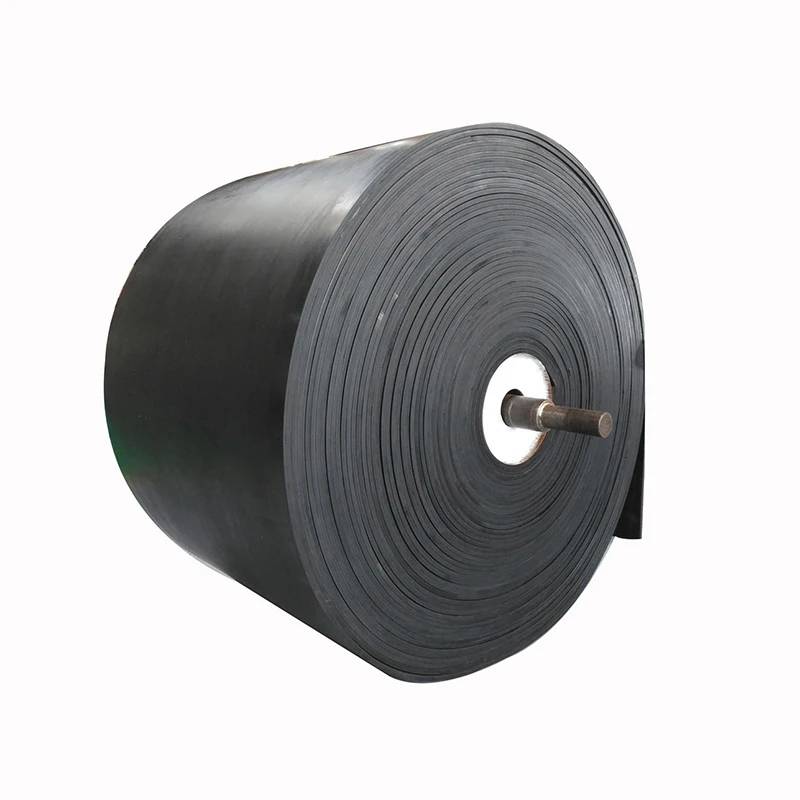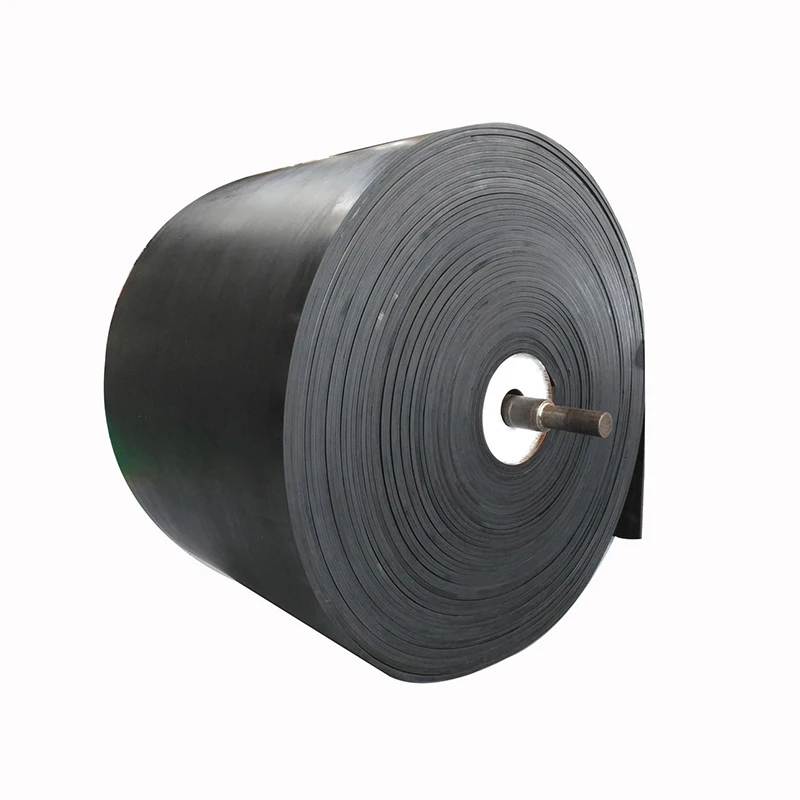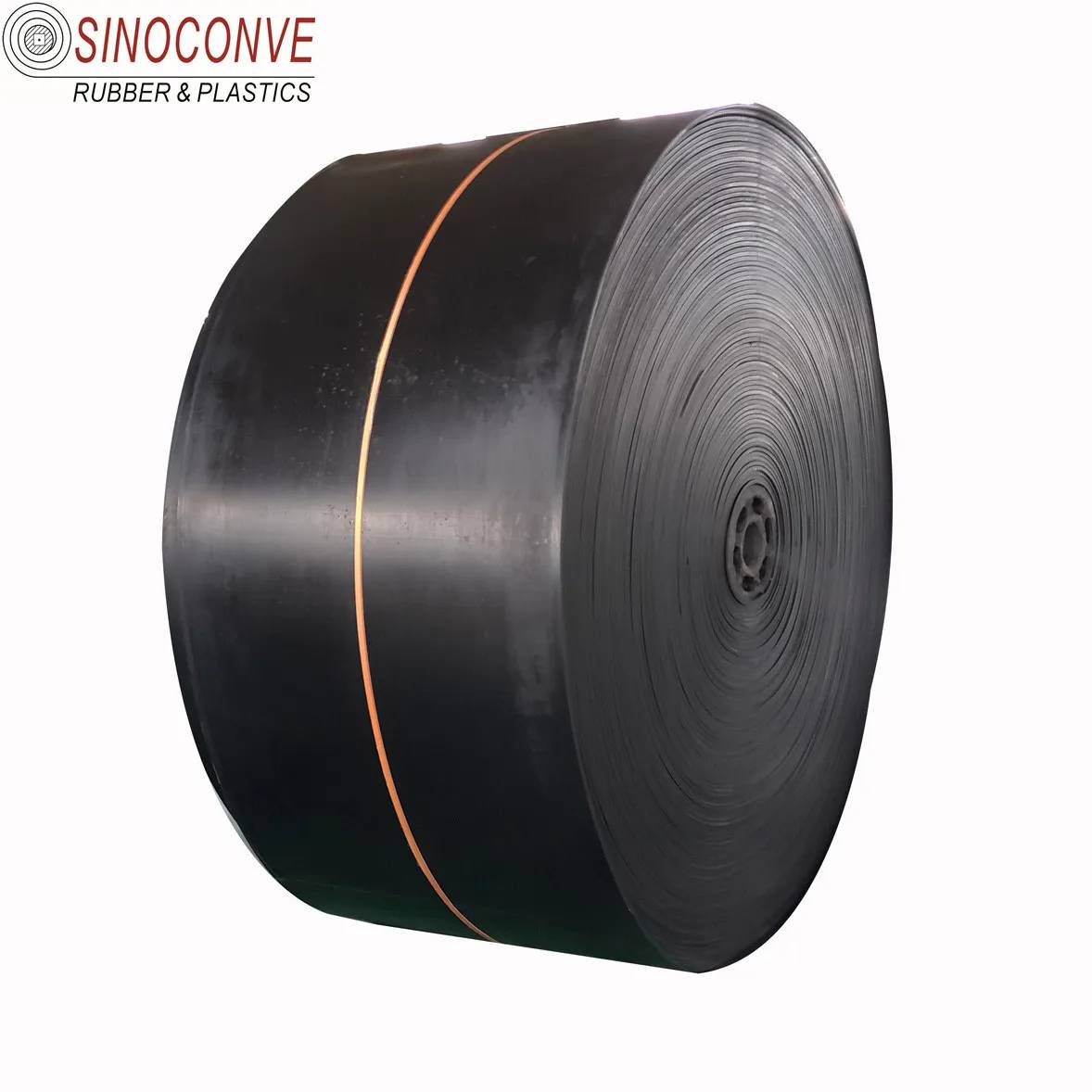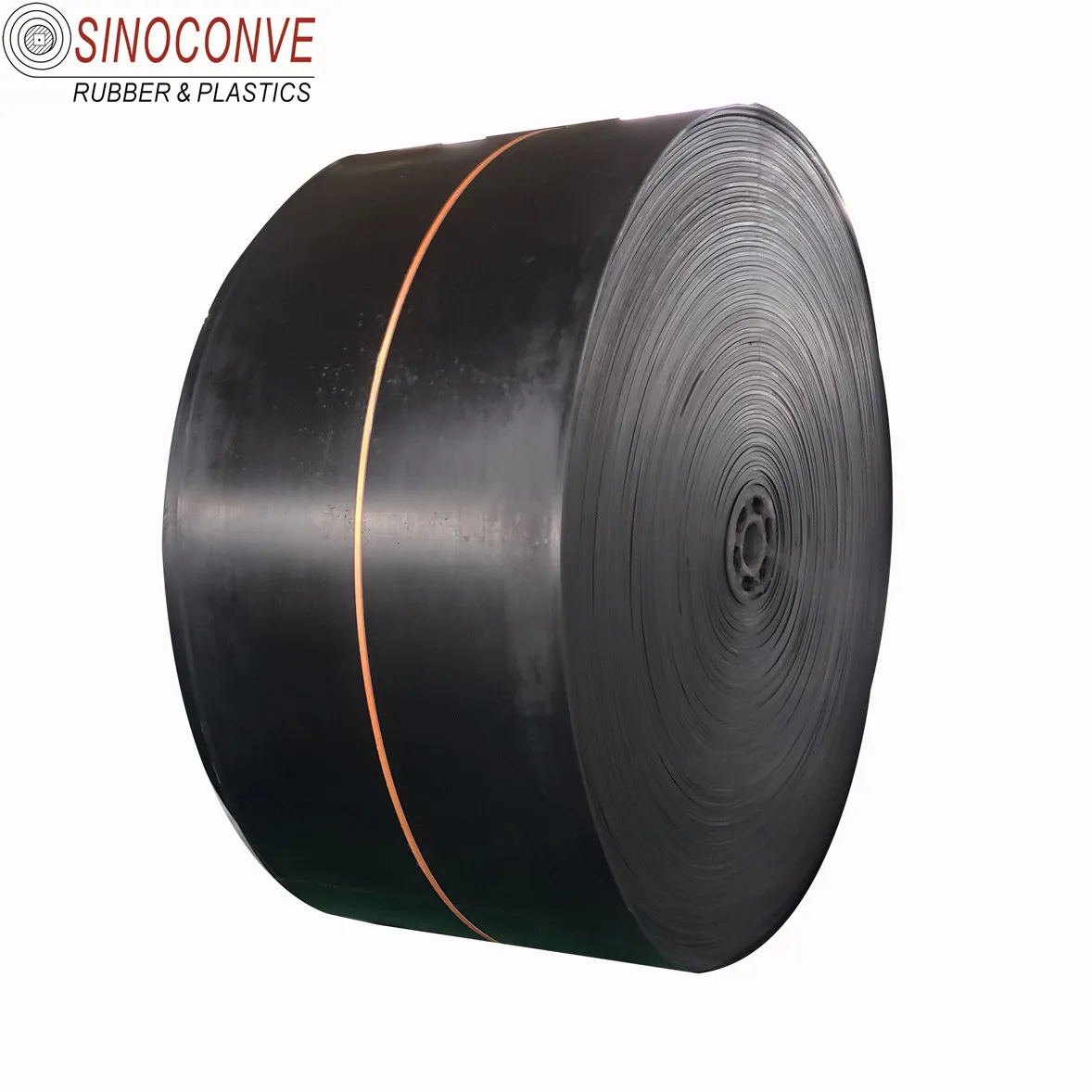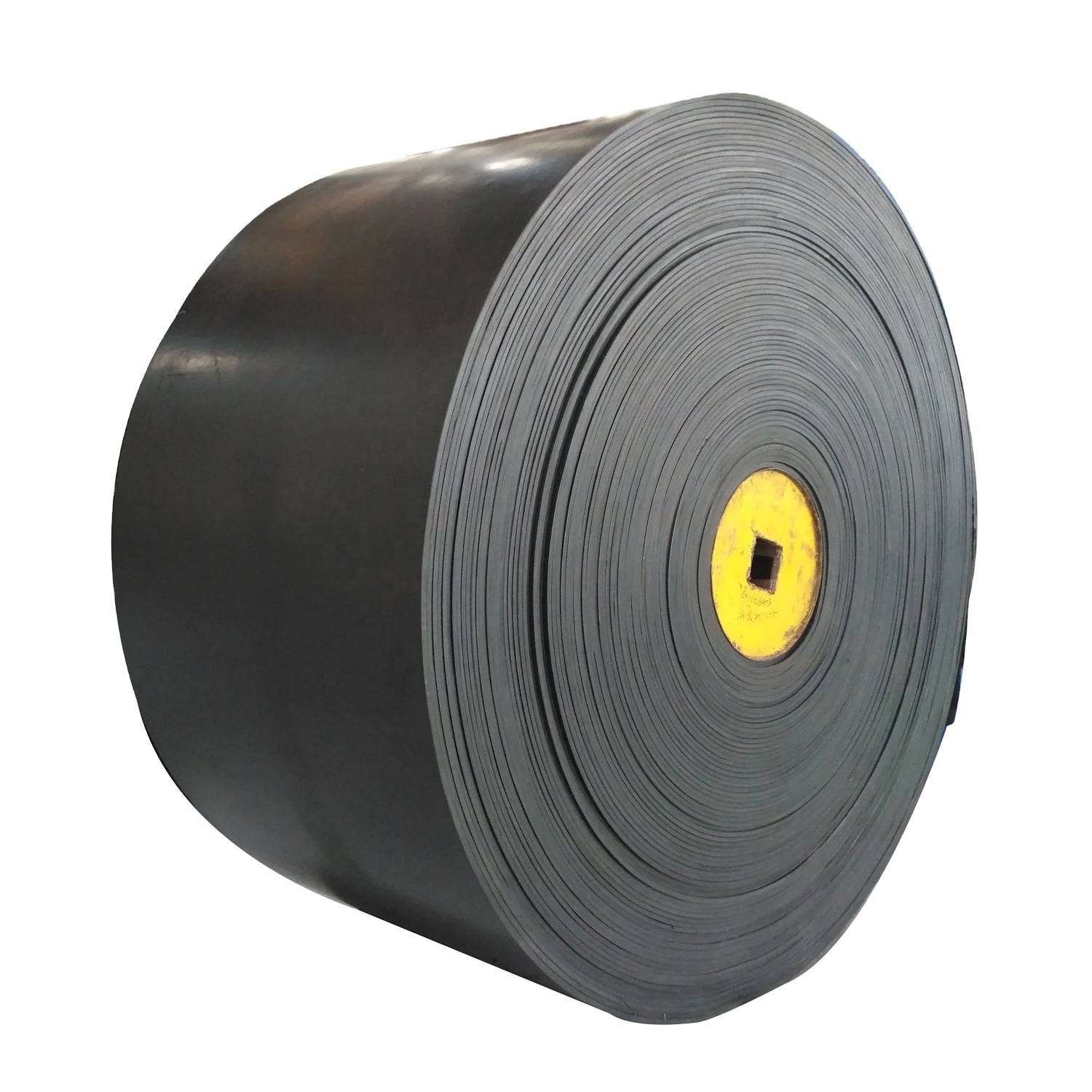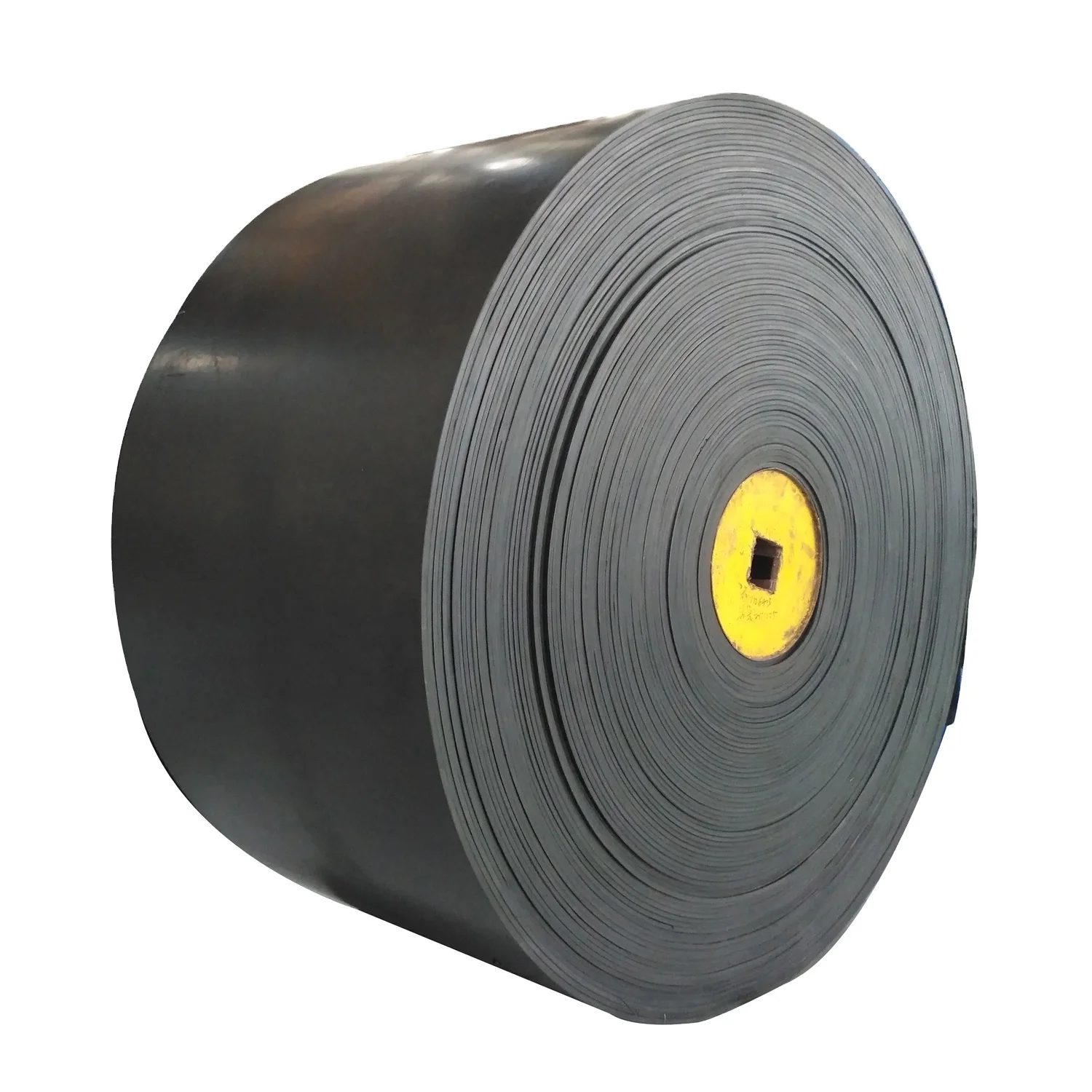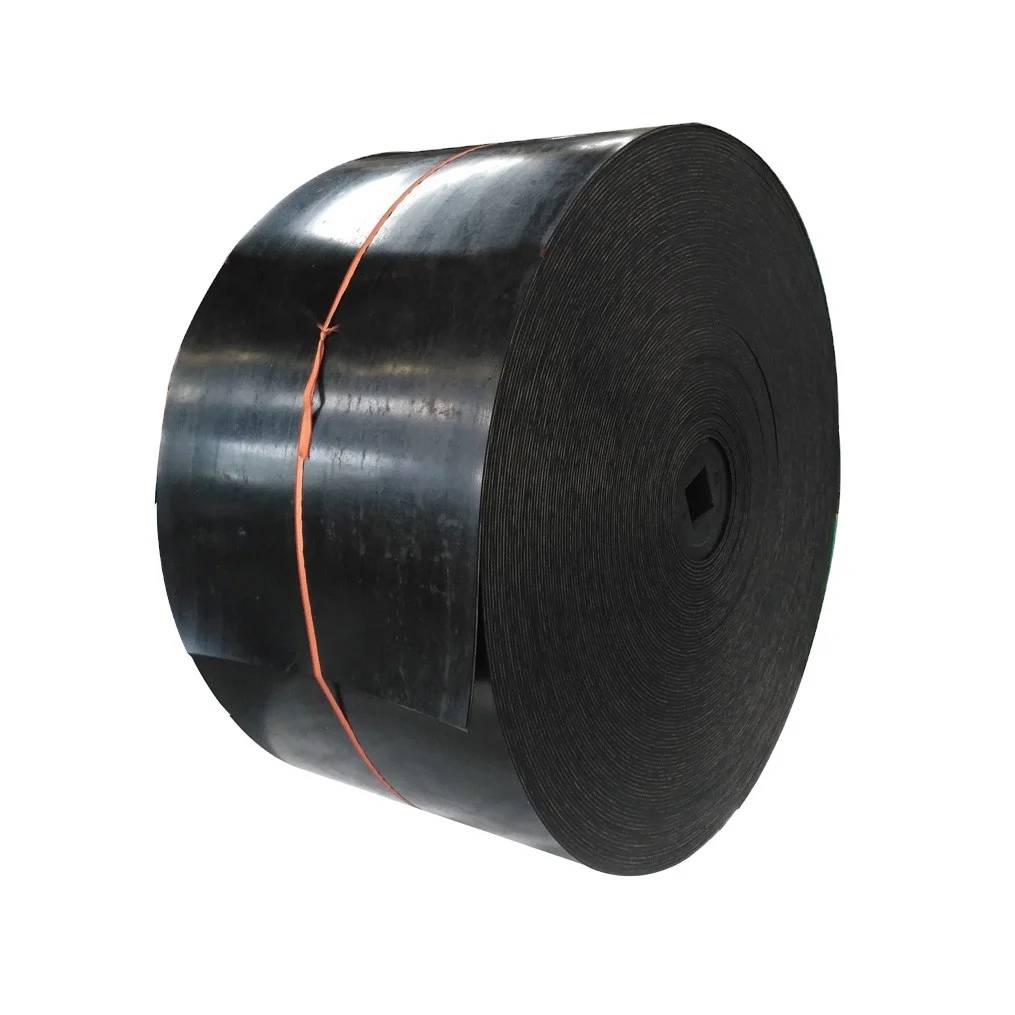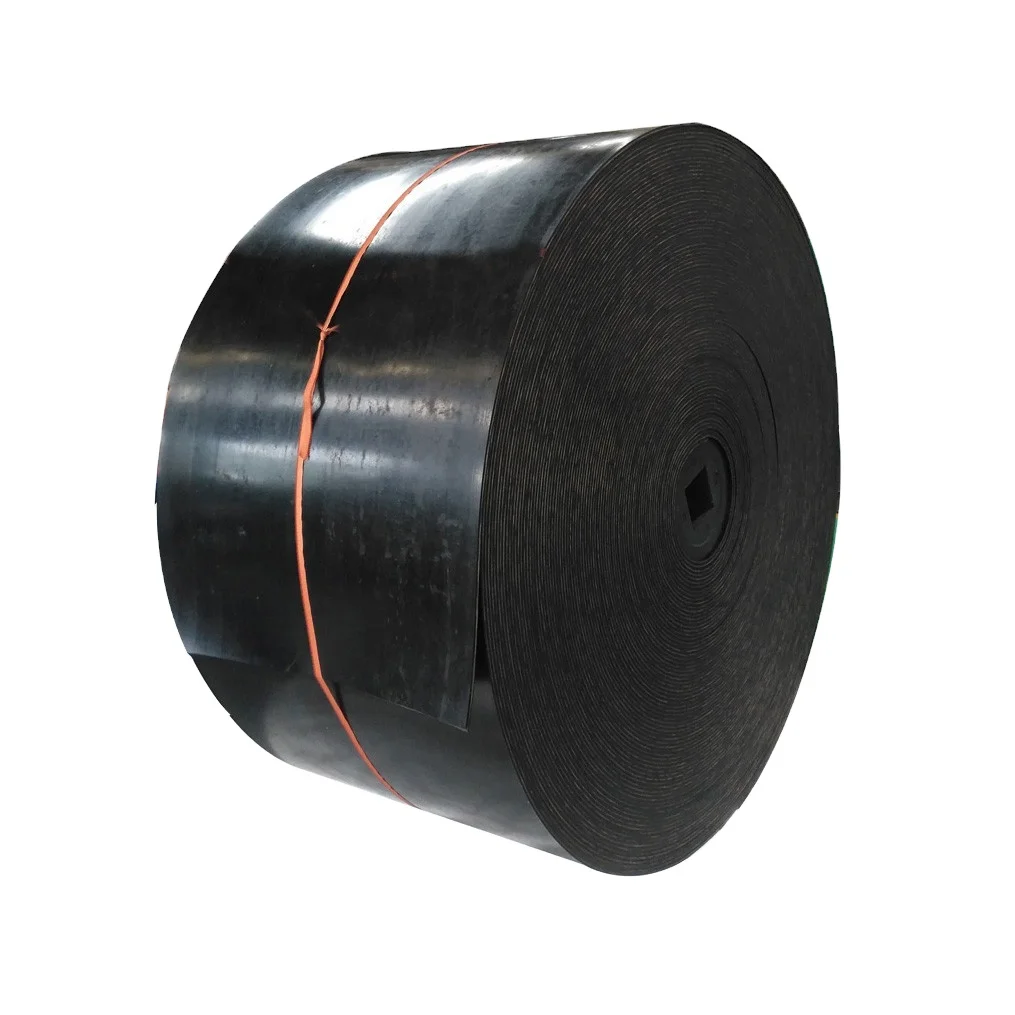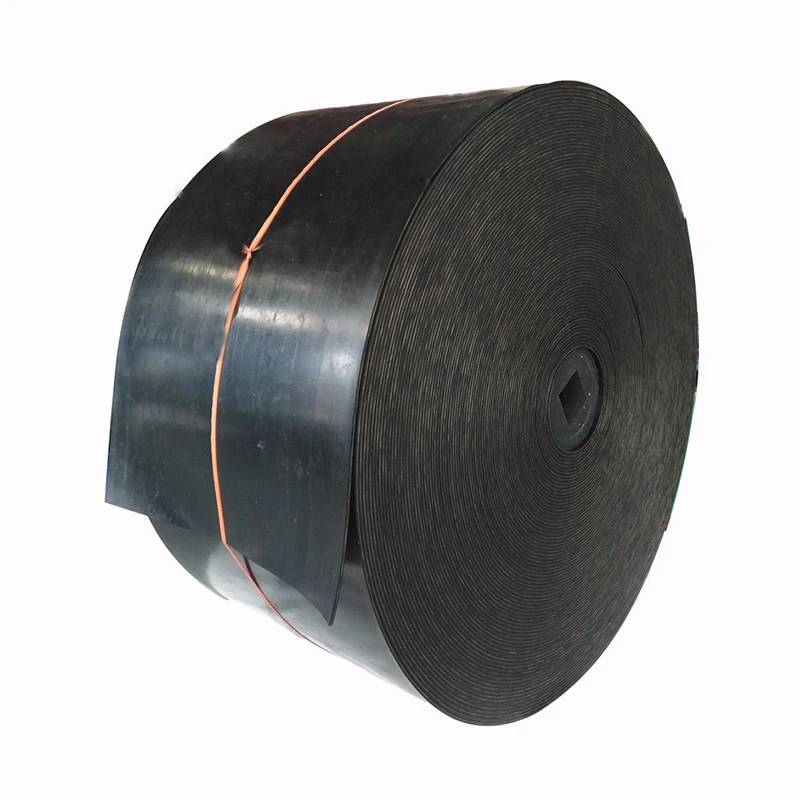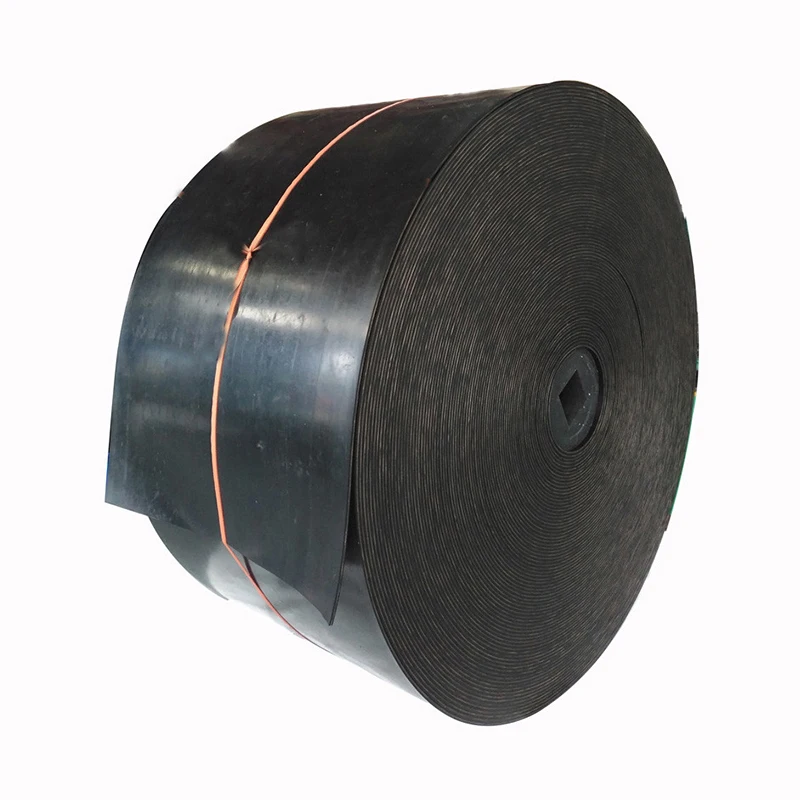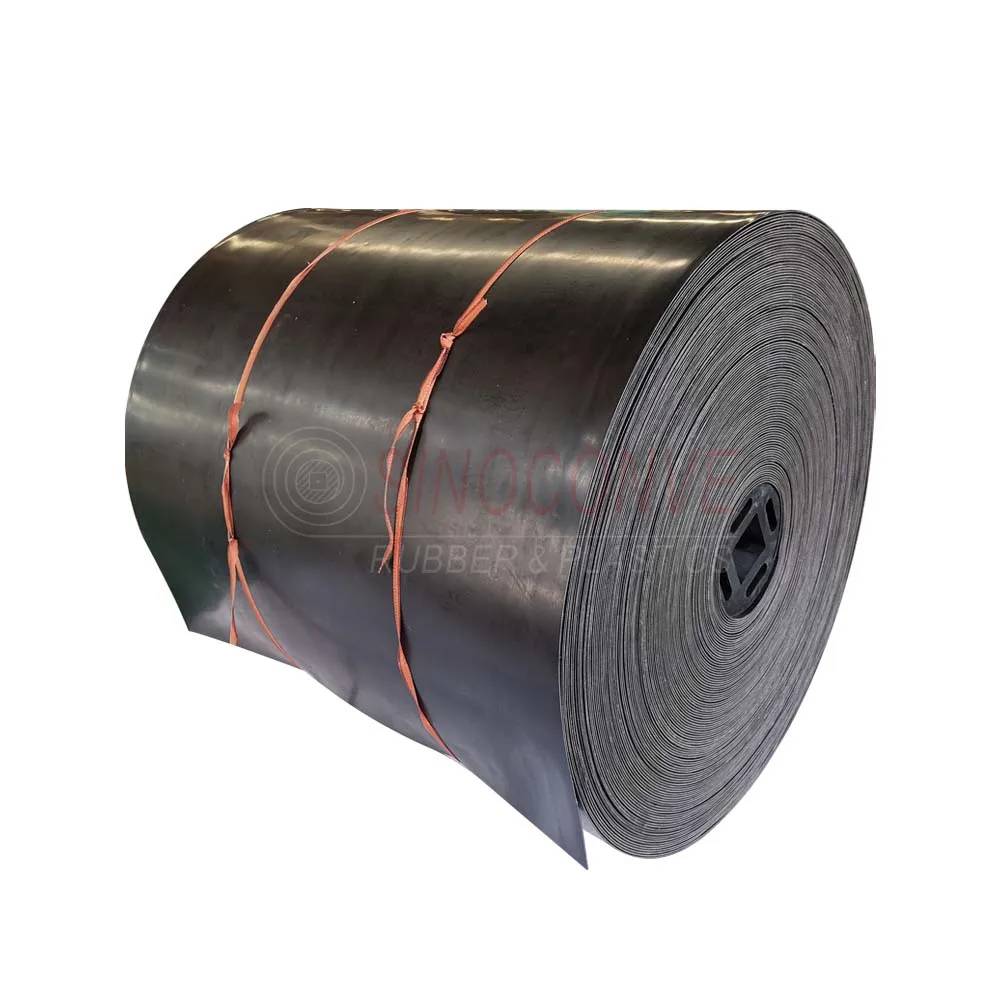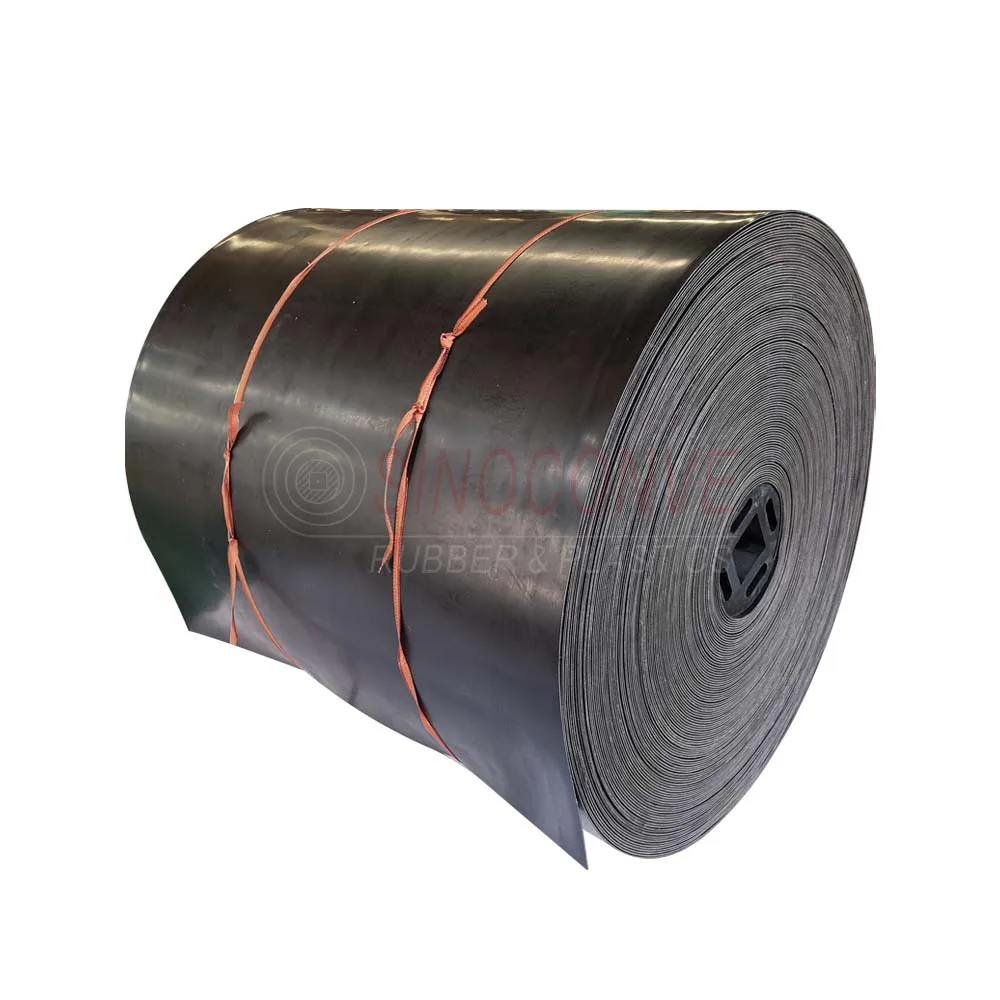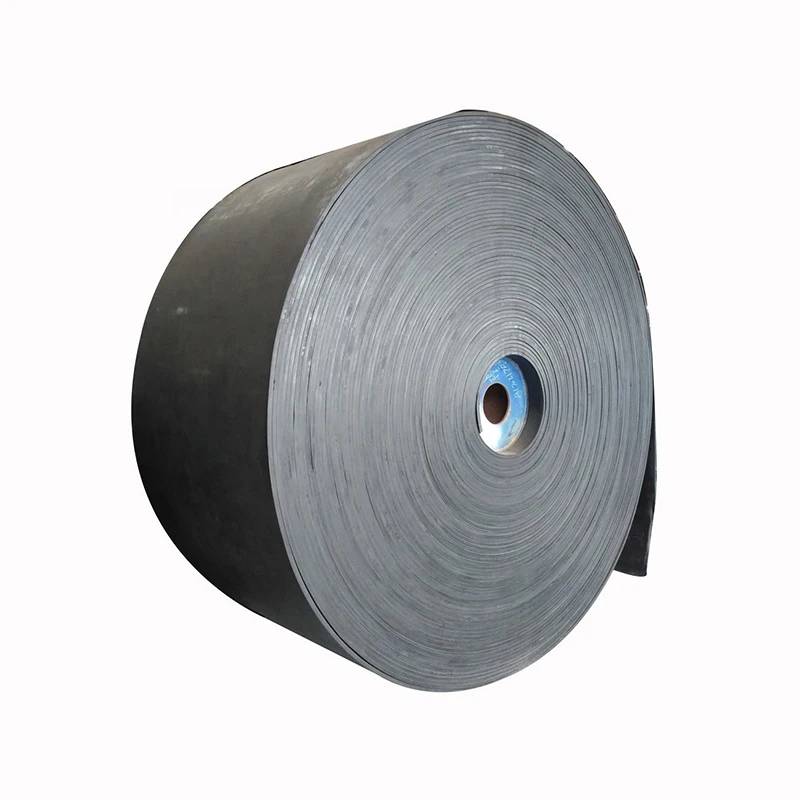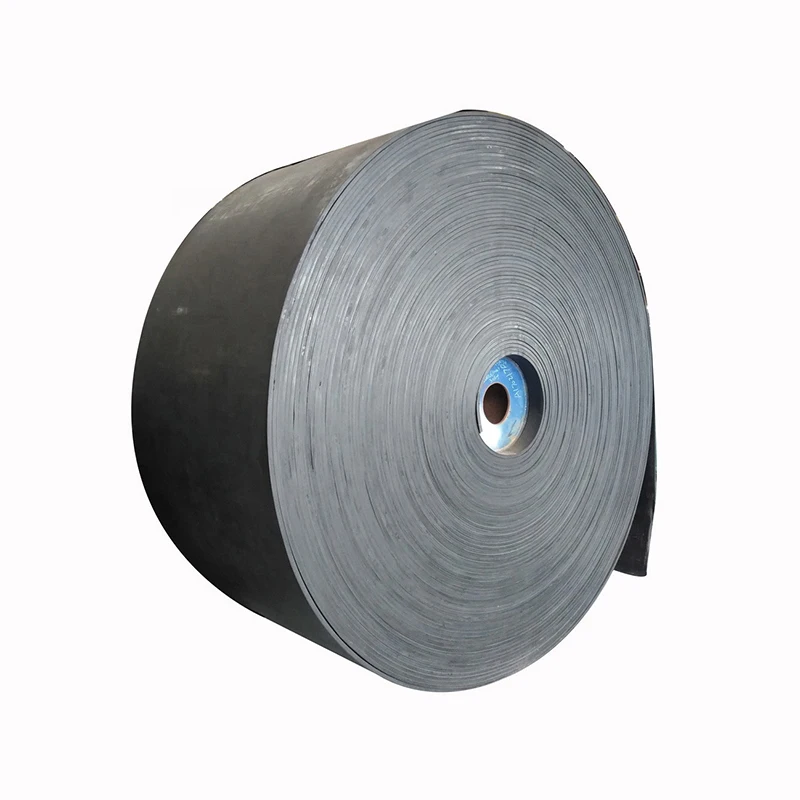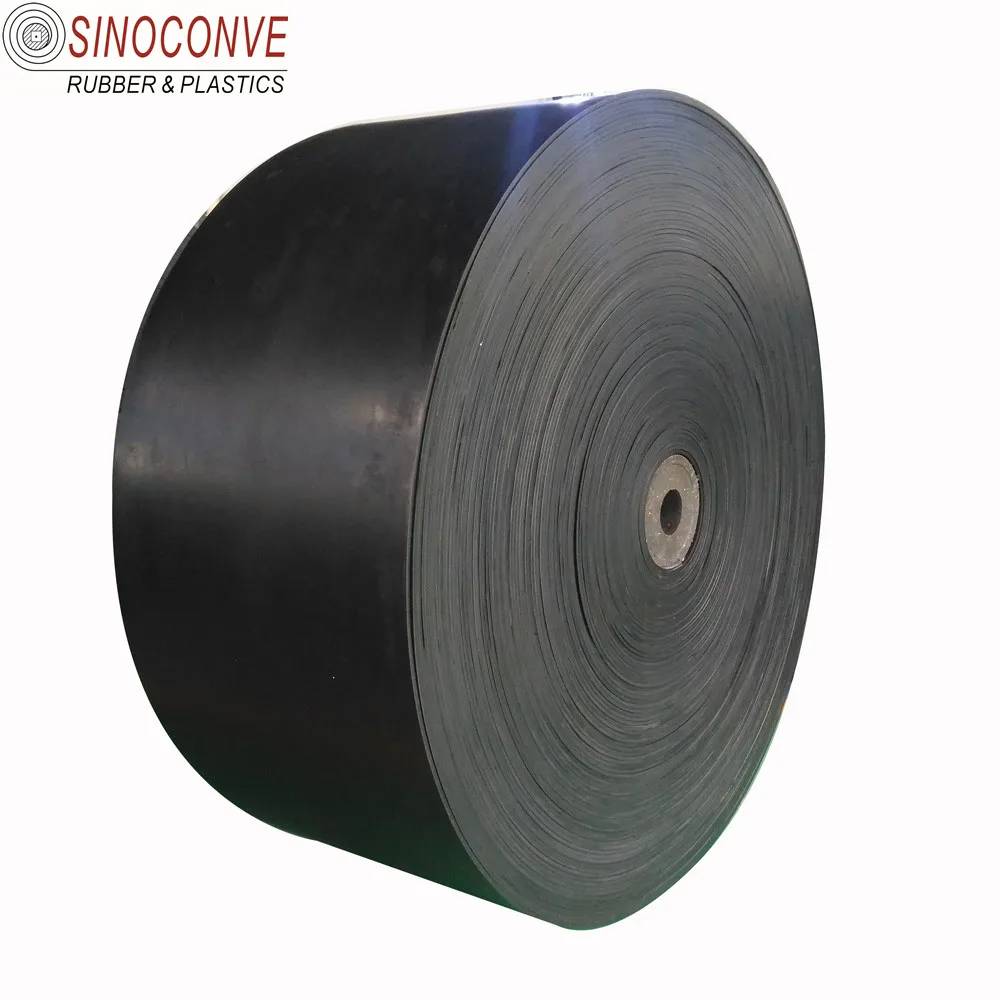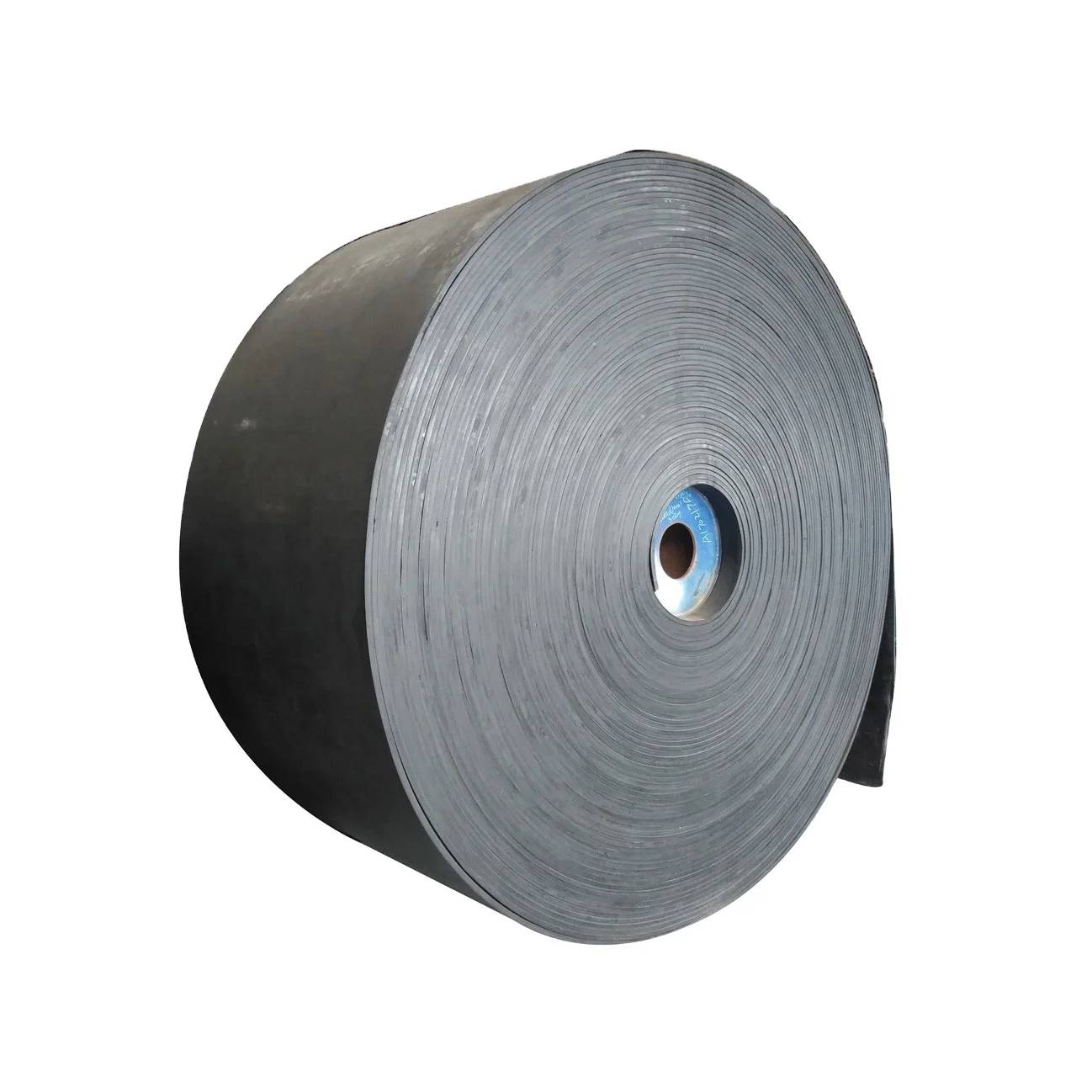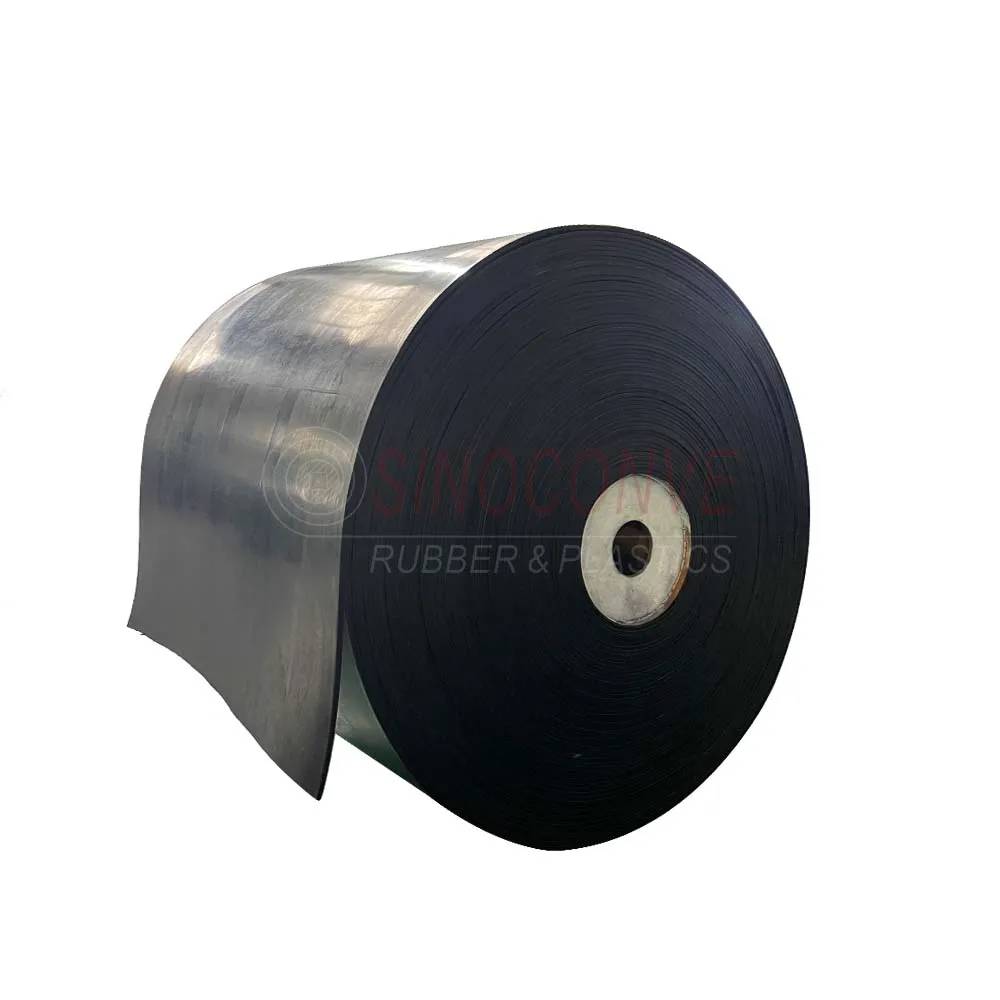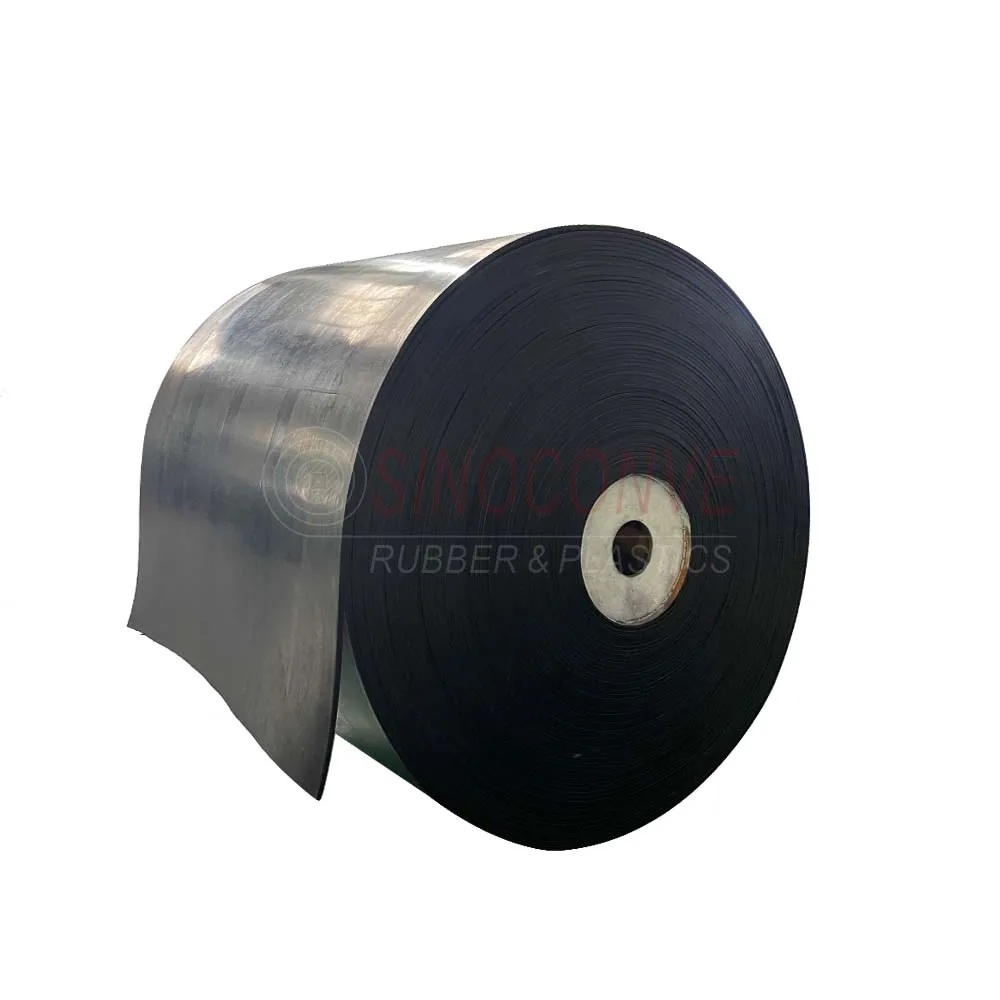


Nylon Fabric Rubber Conveyor Belt for Rock Transport
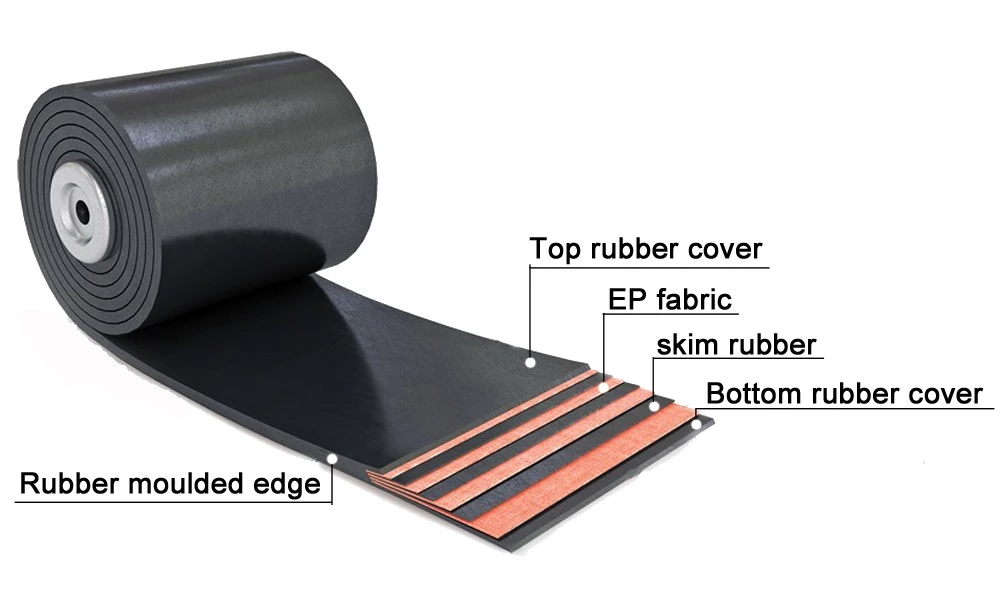
This is a nylon fabric rubber conveyor belt with a nylon-nylon (NN) multi-ply carcass designed for rock transport, quarry, and heavy-impact mining applications. Nylon fabric — nylon in both warp and weft — provides exceptional impact resistance, superior inter-ply adhesion, and outstanding flexibility for belt systems where the pulley diameter is small relative to the belt thickness. These properties make it particularly suited to crushing plant transfer conveyors, quarry pit conveyors, and heavy-impact rock handling.
The correct NN belt configuration depends on the rock type, maximum lump size, loading drop height, pulley size, and conveyor layout. Send us your working conditions and our team will confirm the appropriate grade, ply count, and cover specification.
Get a faster, more accurate quote
Click Inquiry Now and include your rock type, maximum lump size and drop height, conveyor width and length, minimum pulley diameter, belt speed, and quantity.
Listed product configuration
| Model | Nylon Fabric Rubber Conveyor Belt — Rock Transport |
| Carcass type | NN — Nylon warp / Nylon weft multi-ply fabric |
| Primary application | Rock transport — quarry pit, crushing plant, heavy-impact underground mining |
| Key advantage | Superior impact resistance and flexibility vs EP at small pulley diameters |
| Cover compound | Abrasion-resistant — confirmed to rock type and drop height |
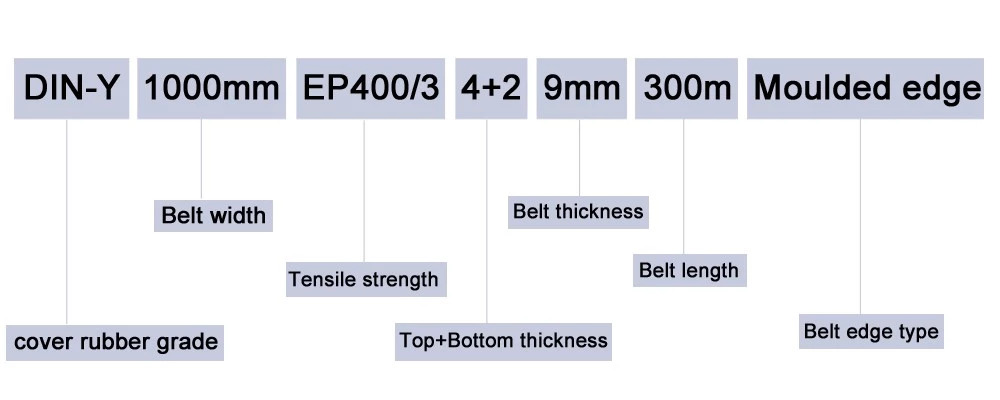
| Customization | Width, length, NN grade, ply count, cover thickness — confirmed to conditions |
Specific width, ply count, NN grade, and cover thickness are not fixed on this listing and must be confirmed before production.
Material and application note
This product is positioned for rock transport using an NN nylon fabric carcass. Cover compound, ply count, belt width and length depend on actual working conditions and must be confirmed before production. No material or certification claims beyond the listed carcass type are made on this page.
Why nylon (NN) carcass for rock transport
Impact resistance at the loading point
Nylon fibres have a higher elongation-at-break than polyester fibres, which allows the belt to absorb sudden impact energy from falling rock without internal carcass damage. At loading points where large rocks fall onto the belt from a chute or crusher outlet, the NN carcass distributes and absorbs the impact across the belt cross-section.
Flexibility for small pulleys
Nylon is inherently more flexible than polyester, so an NN belt of the same strength rating as an EP belt will have better troughability and lower bending stress on small-diameter pulleys — an important consideration on compact underground conveyors or crusher discharge chutes with limited pulley clearance.
Strong inter-ply adhesion
Nylon bonds well to rubber in the calendering and vulcanization process, giving NN belts strong ply-to-ply adhesion that resists delamination under repeated high-impact loading. This improves belt life at high-impact loading points compared with lower-quality carcass constructions.
Application details we check
- Rock type (granite, basalt, limestone, sandstone, quartzite, ore) and maximum lump size — primary inputs for cover grade and top cover thickness.
- Drop height at the loading chute or crusher outlet — determines estimated impact energy and whether an impact-grade cover is needed.
- Conveyor width, center-to-center length, and incline angle — used to calculate required belt strength and select NN grade.
- Minimum drive and tail pulley diameters — constrain the minimum belt flexibility (ply count and NN grade).
- Belt speed and daily operating hours — affect cover wear rate estimation.
- Operating temperature and environment (outdoor, underground, presence of water or chemicals).
- Splice method and quantity required.
Customization discussion
NN grade (NN100–NN400), ply count, belt width, belt length, cover rubber compound (abrasion-resistant, heat-resistant, oil-resistant), top and bottom cover thickness, surface finish (smooth or rough-top), and splice preparation can be discussed. All options are confirmed against your rock transport conditions before order.
Get a technical recommendation and quote
Click Inquiry Now and send your rock transport conditions and quantity.
Suggested inquiry: "Please quote a nylon fabric conveyor belt for rock transport — belt width [ ] mm, center-to-center [ ] m, rock type [granite/limestone/other], max lump [ ] mm, drop height [ ] m, quantity [ ] meters."
Frequently asked questions
When should I choose NN over EP for rock transport?
Choose NN when: (1) the loading drop height is large and impact energy is high, (2) the minimum pulley diameter is small relative to the belt thickness, or (3) the conveyor has frequent starts and stops that create high dynamic stress on the carcass. Choose EP when low elongation and moisture resistance are the priority over maximum flexibility.
What cover thickness do I need for large-lump rock?
For hard rock with lump sizes above 100 mm or drop heights above 1 m, a top cover thickness of 8–15 mm is typically considered, depending on the specific impact energy calculation. We will recommend a thickness based on your data.
Can I get this belt in fire-resistant and antistatic (FRAS) specification?
Yes. FRAS-rated nylon fabric belts are available for underground applications where local mining regulations require it. Specify the required standard (ISO 284, AS/NZS 1334.11, or other) in your inquiry.
How do I submit an inquiry?
Use the Inquiry Now link to open our contact page at https://sinoconve.com/contact-us and include your conveyor dimensions, rock type, and quantity.