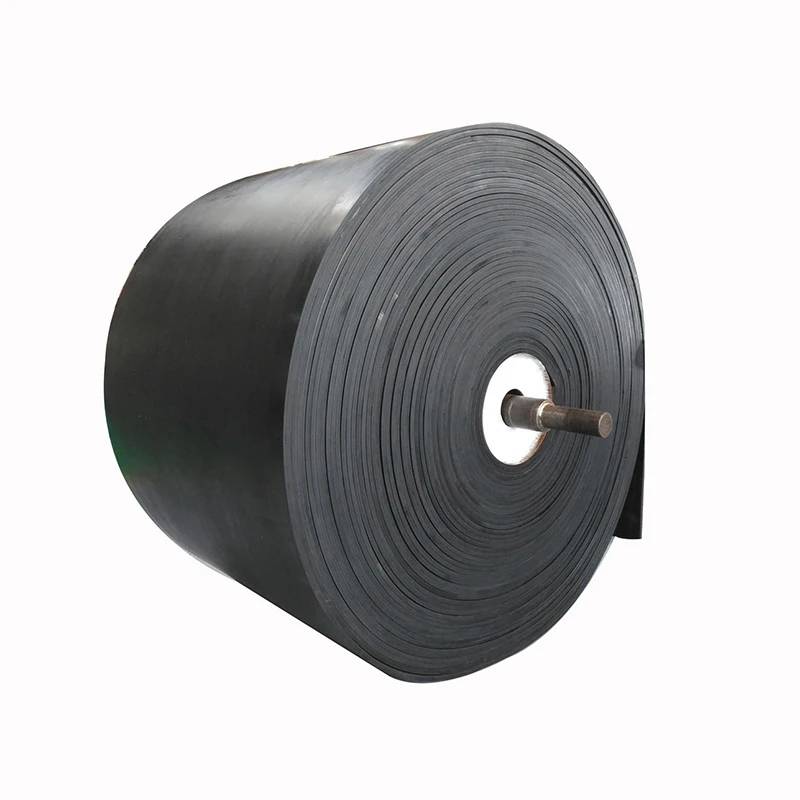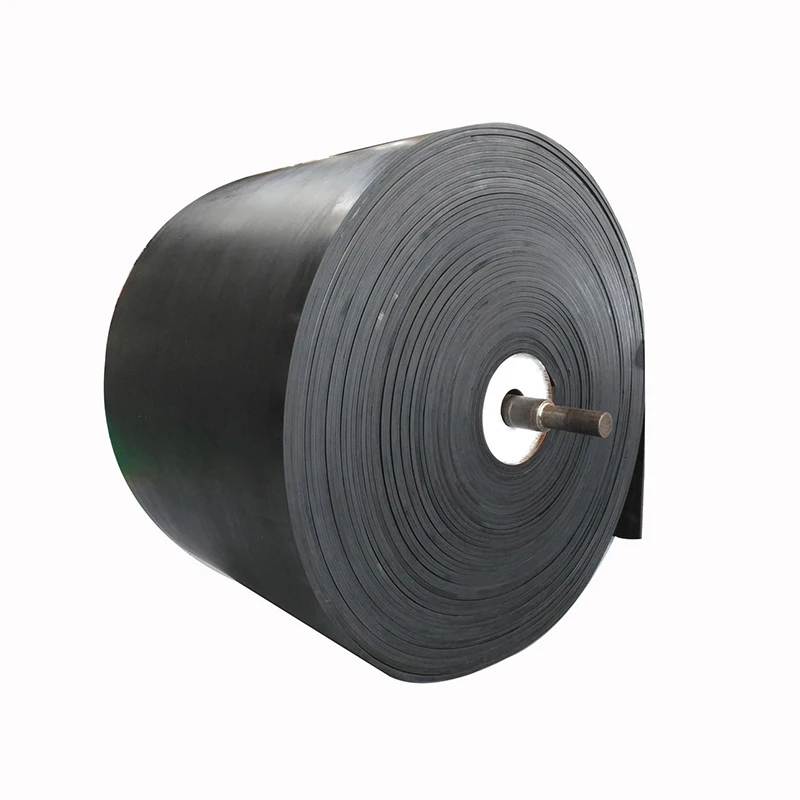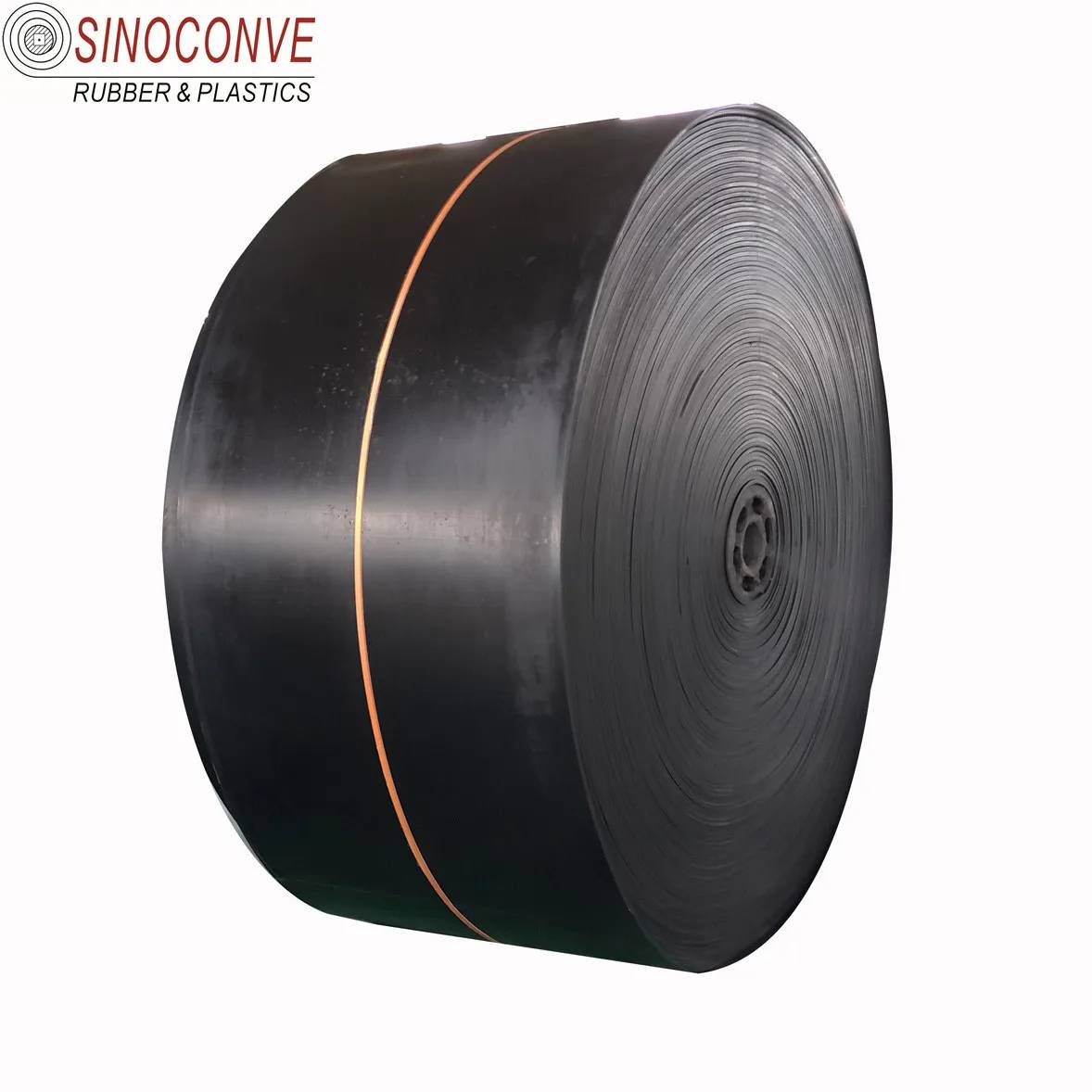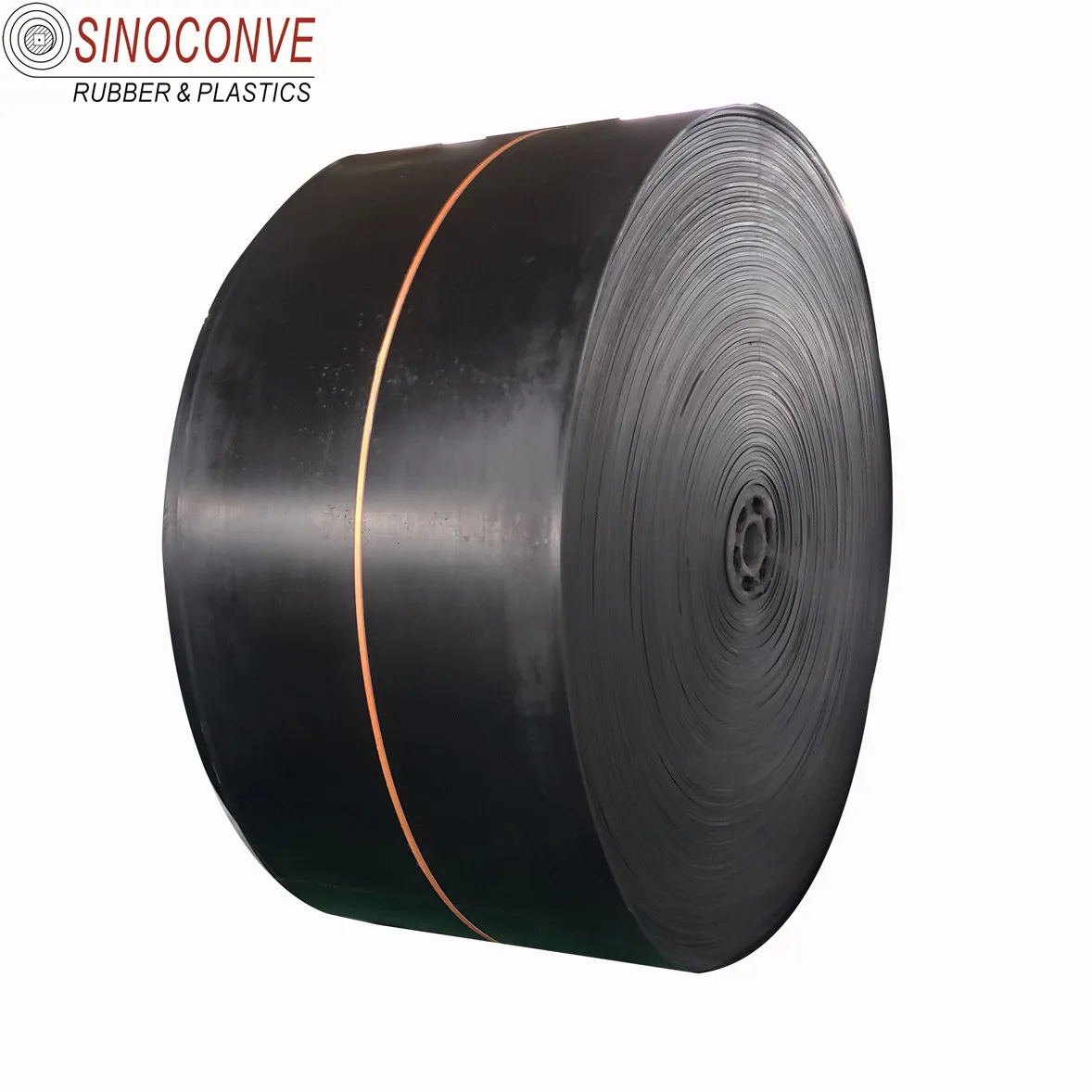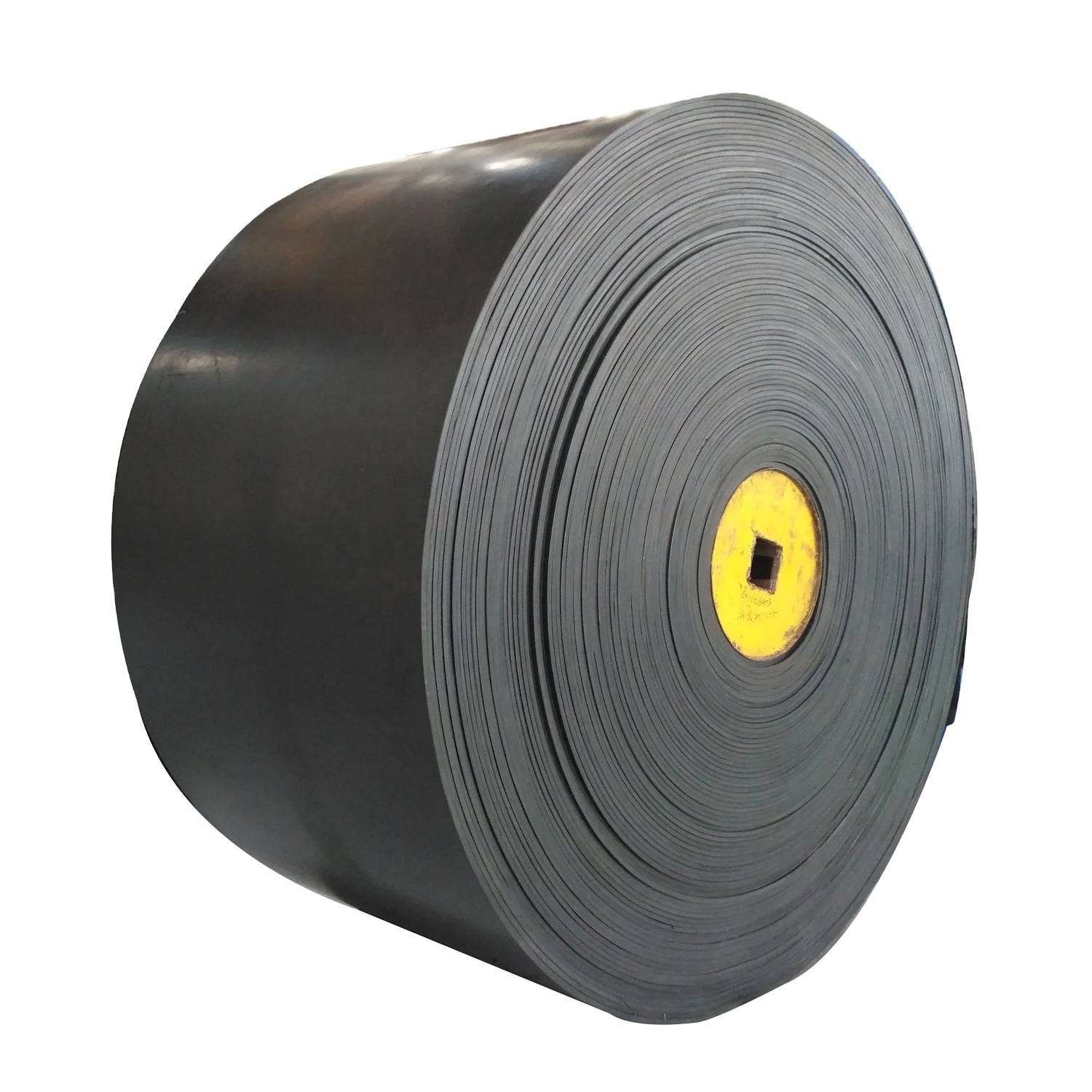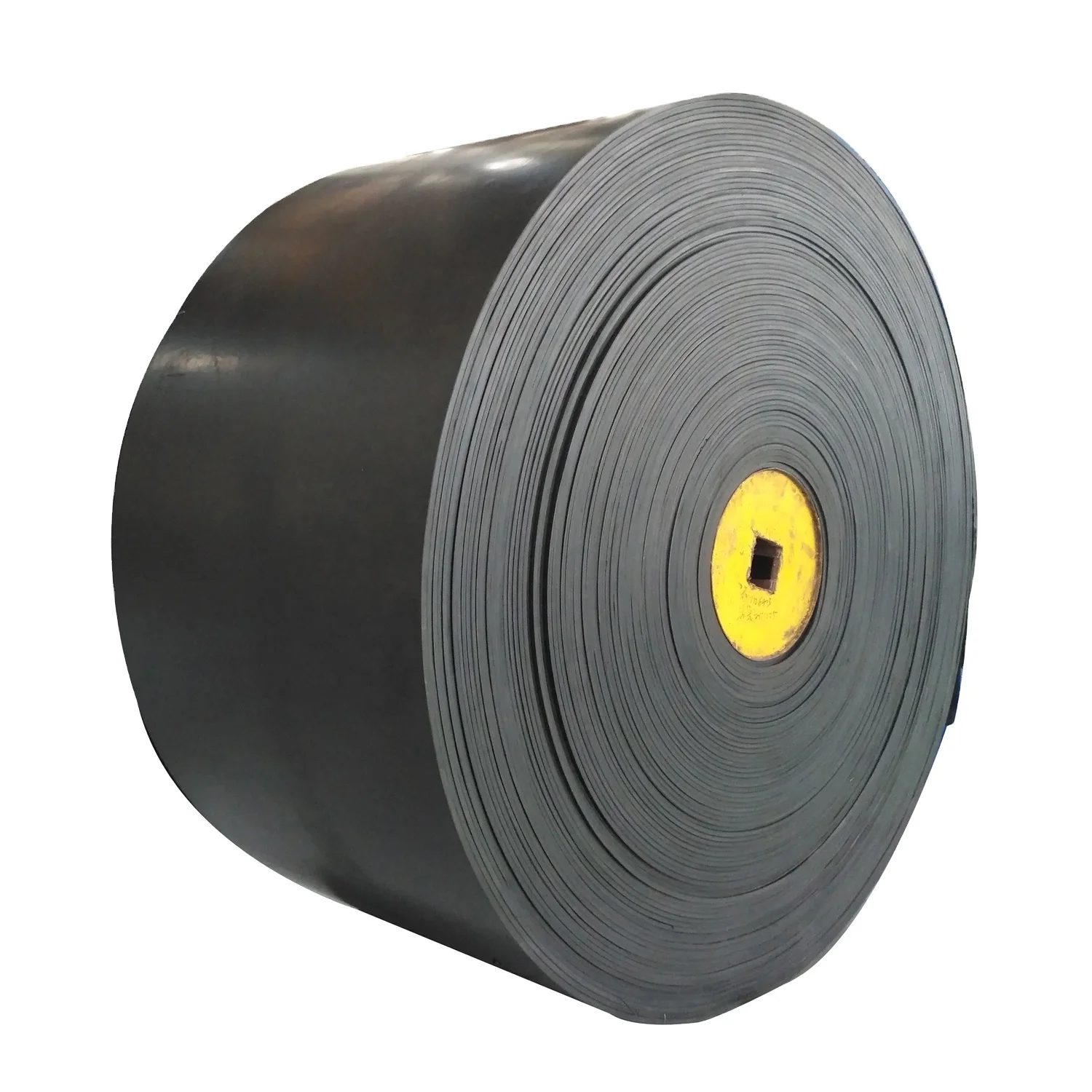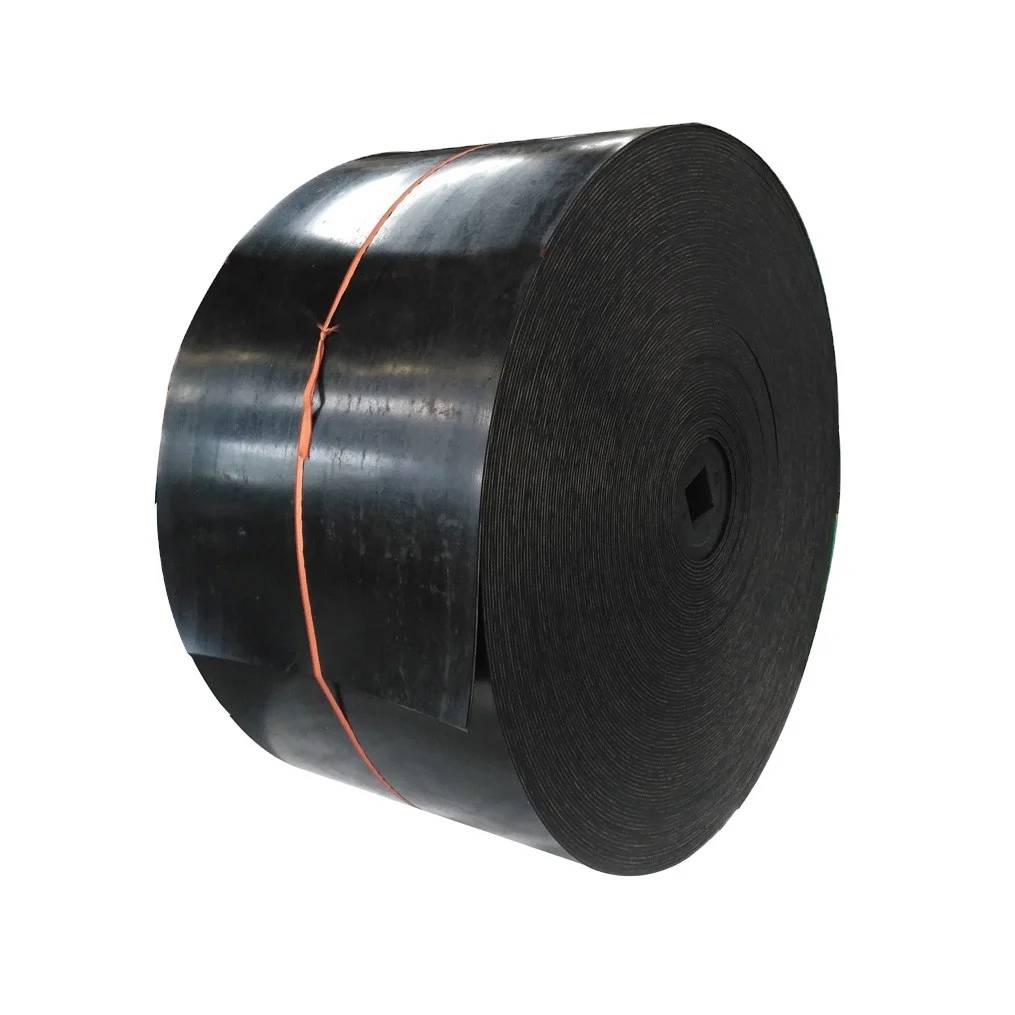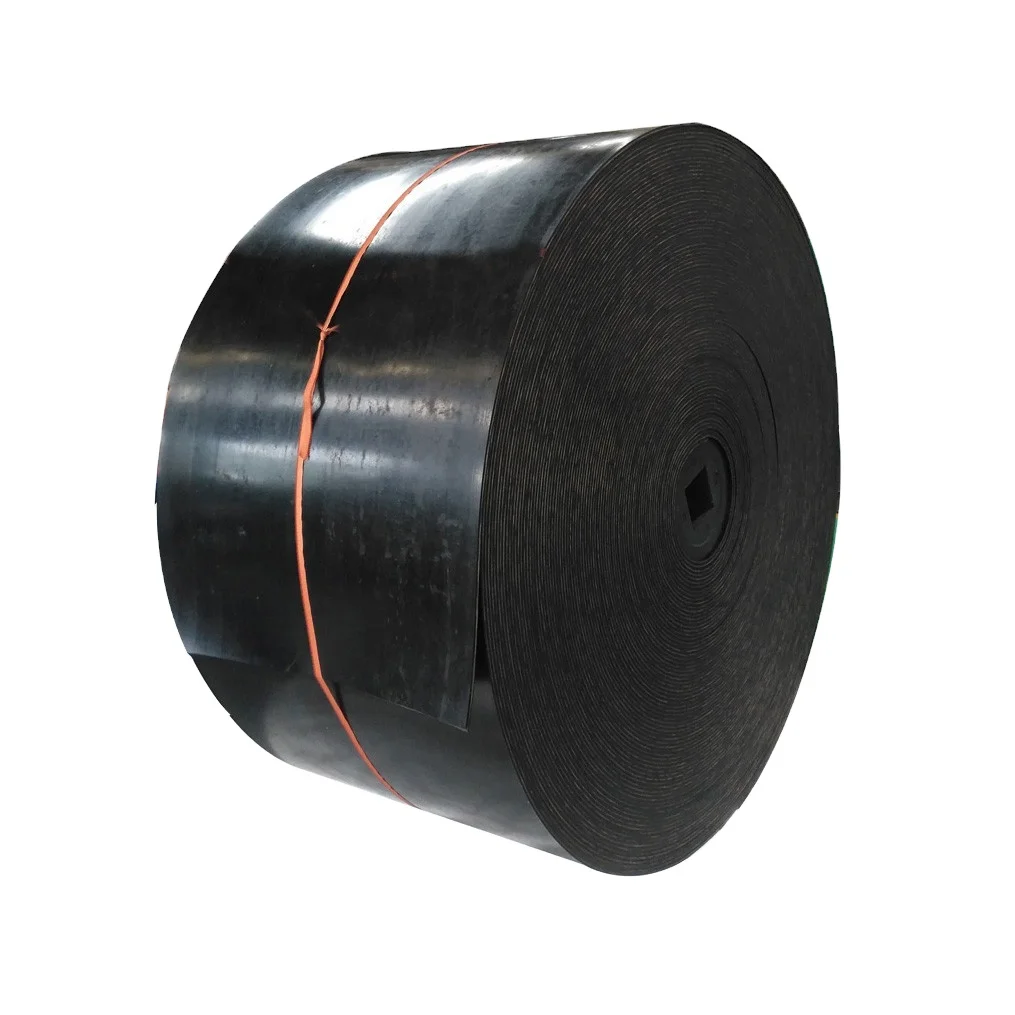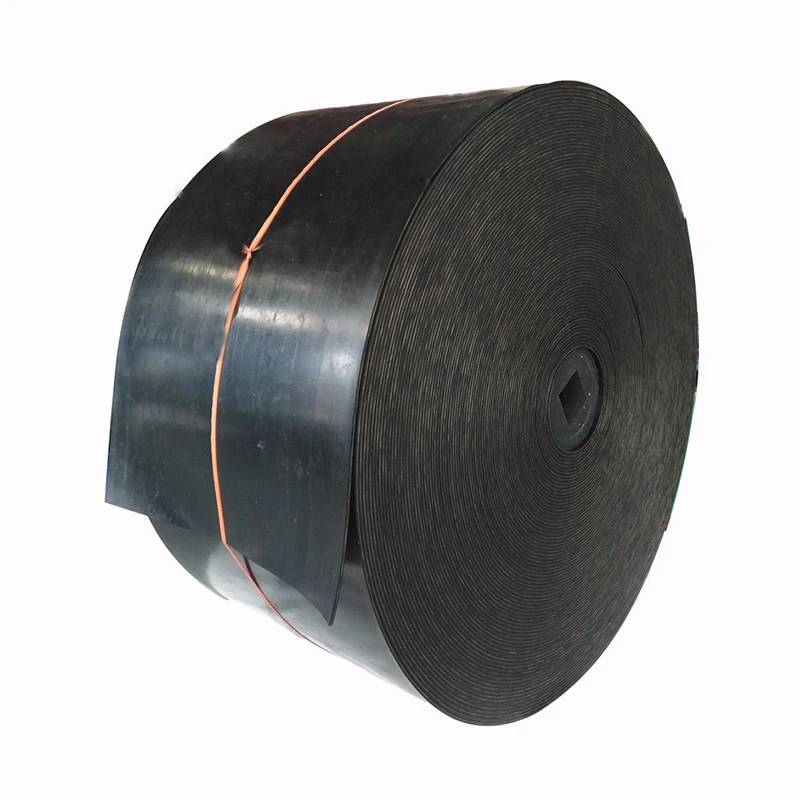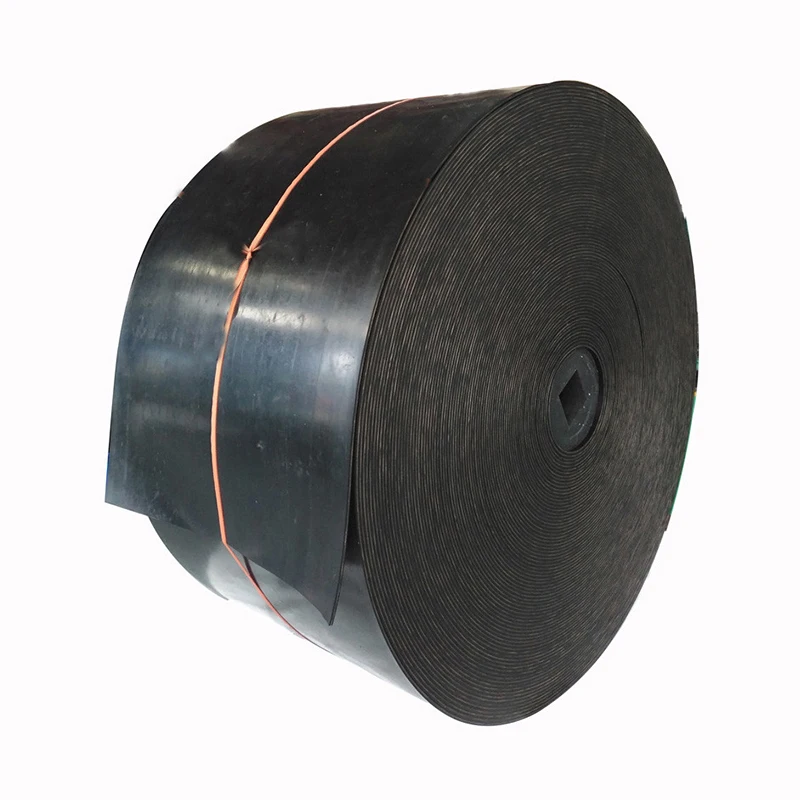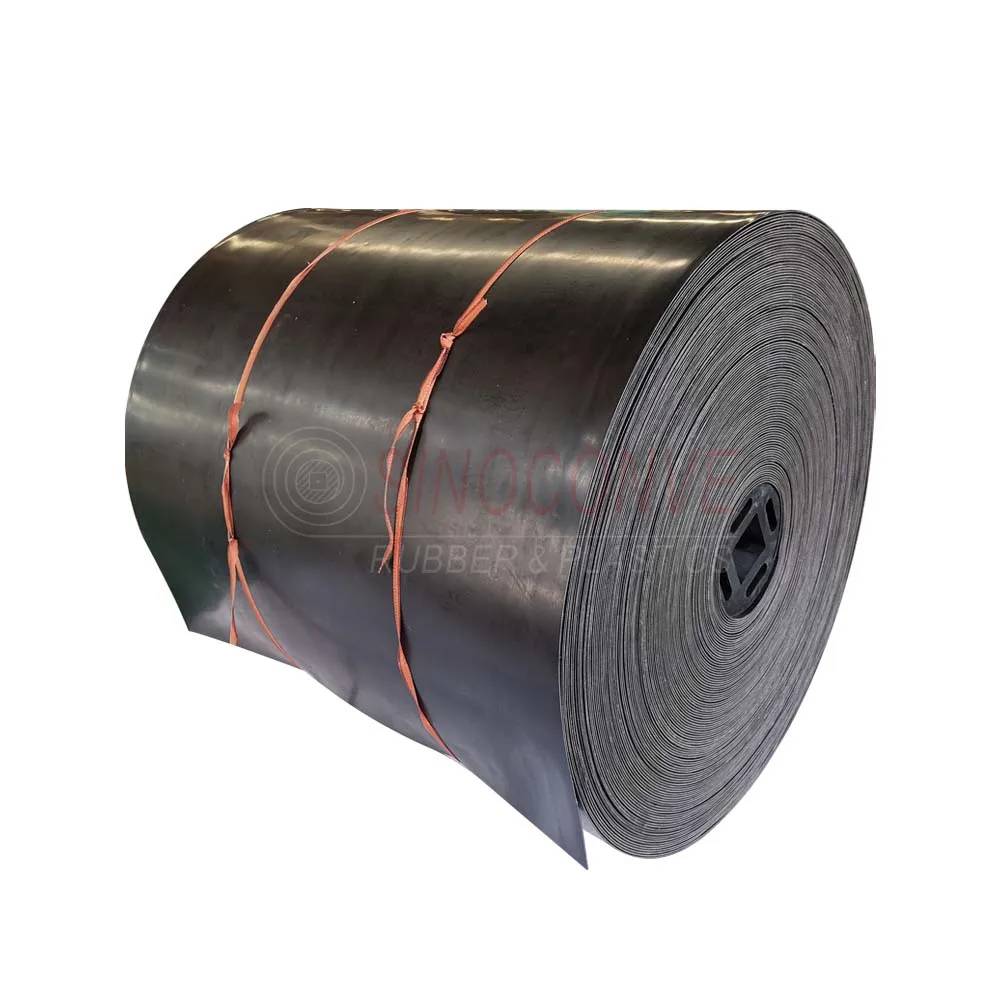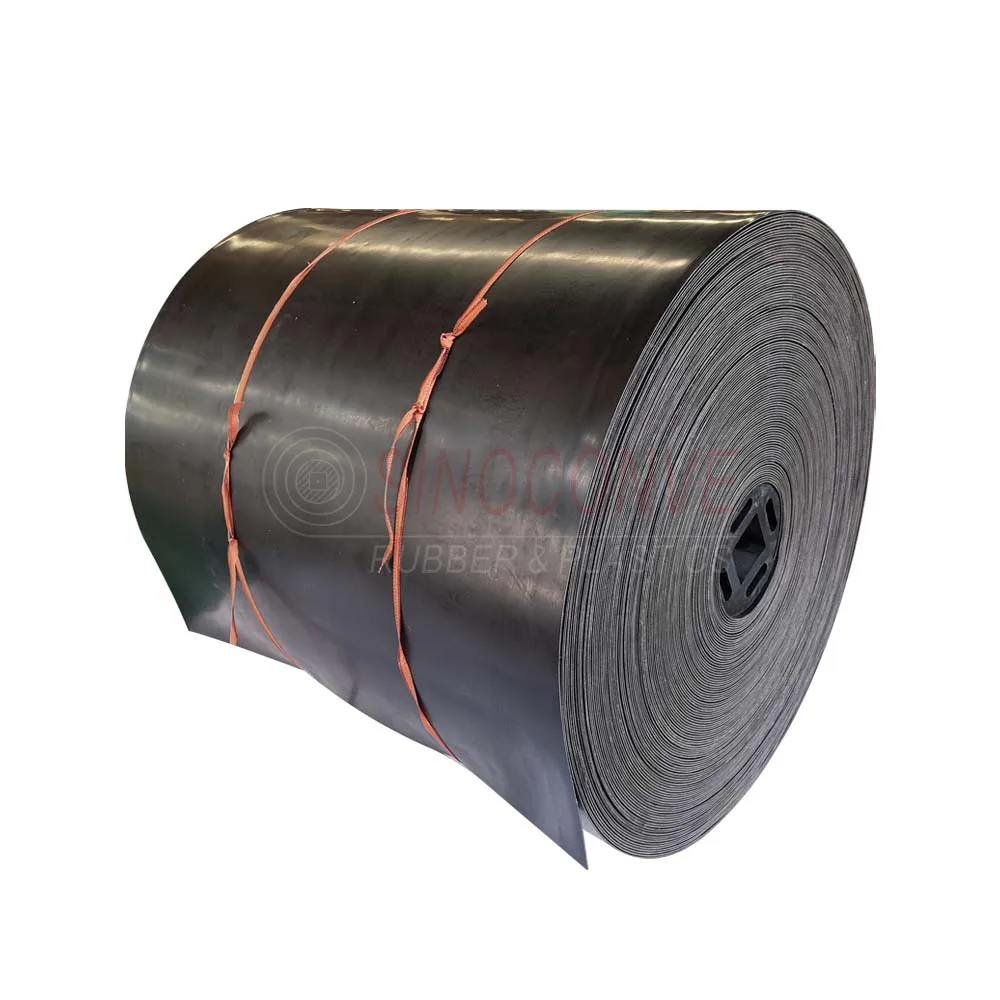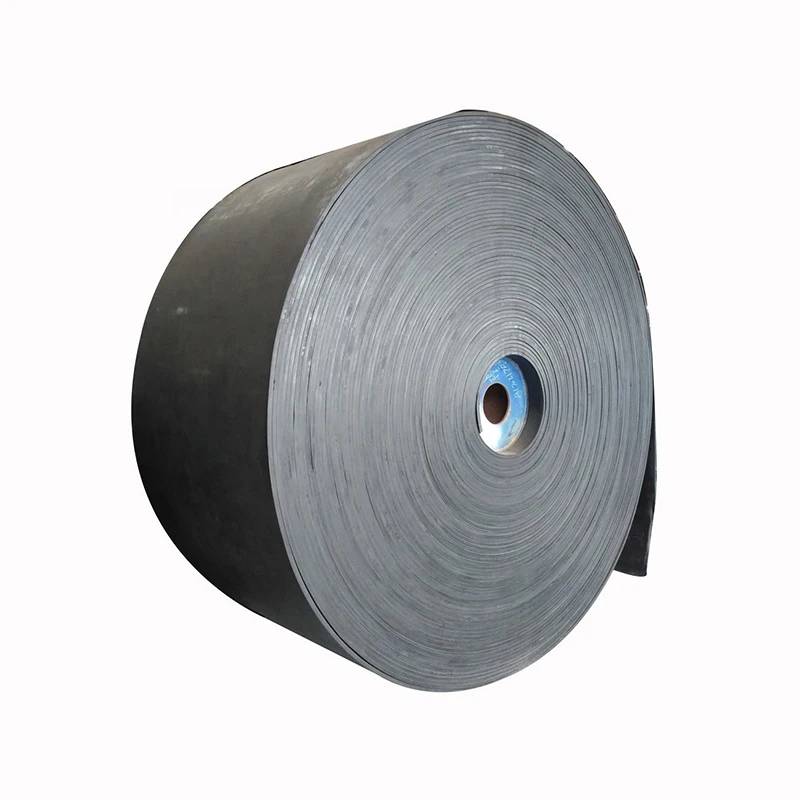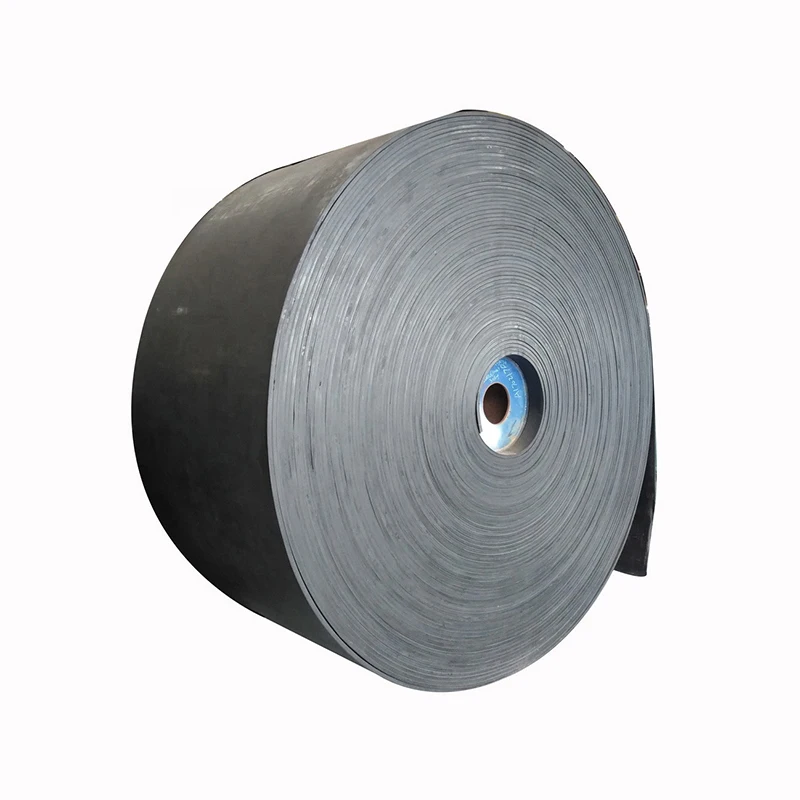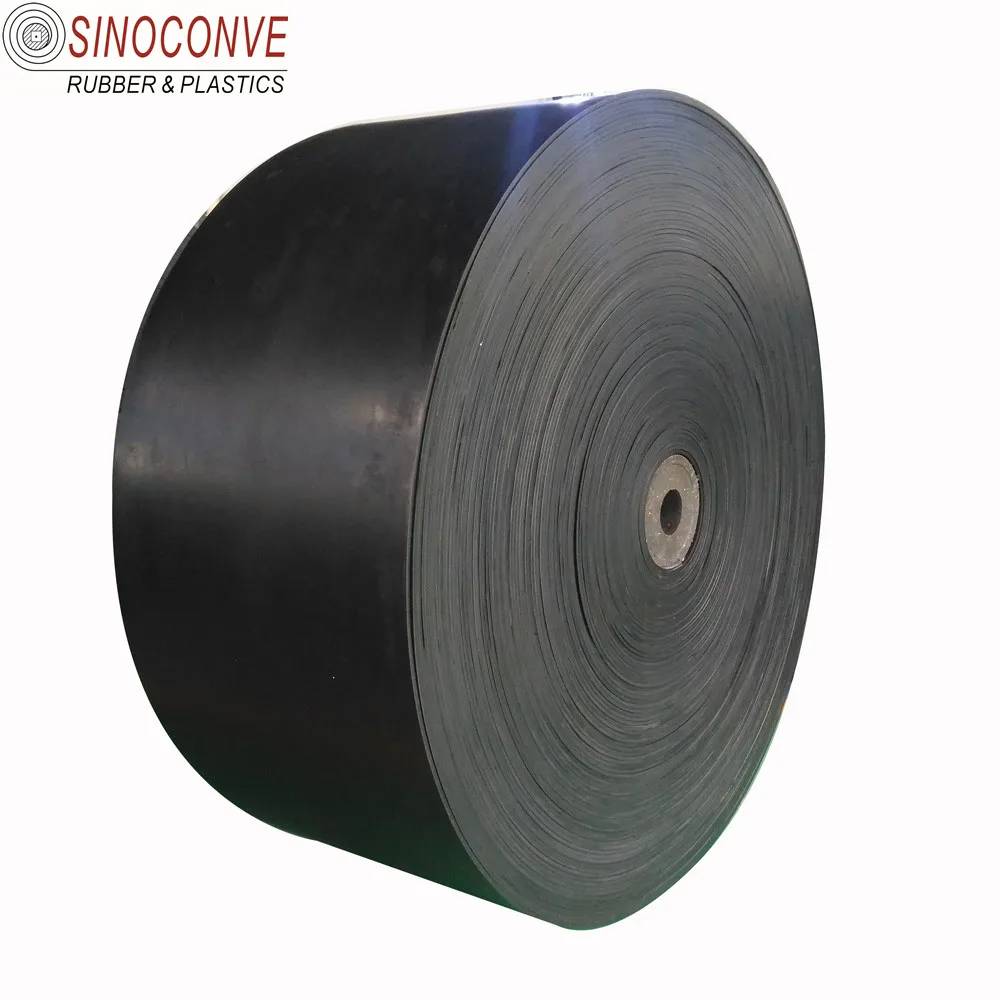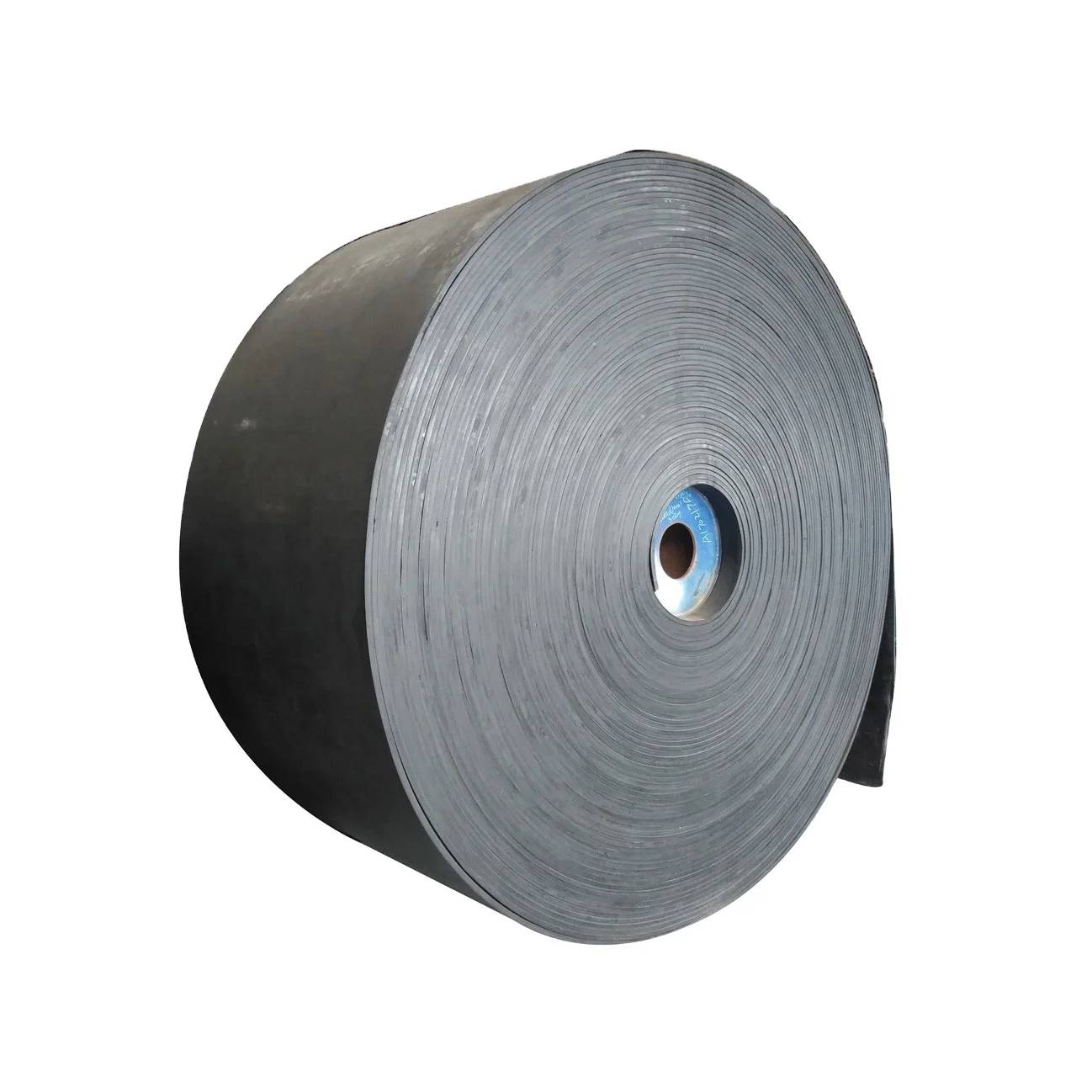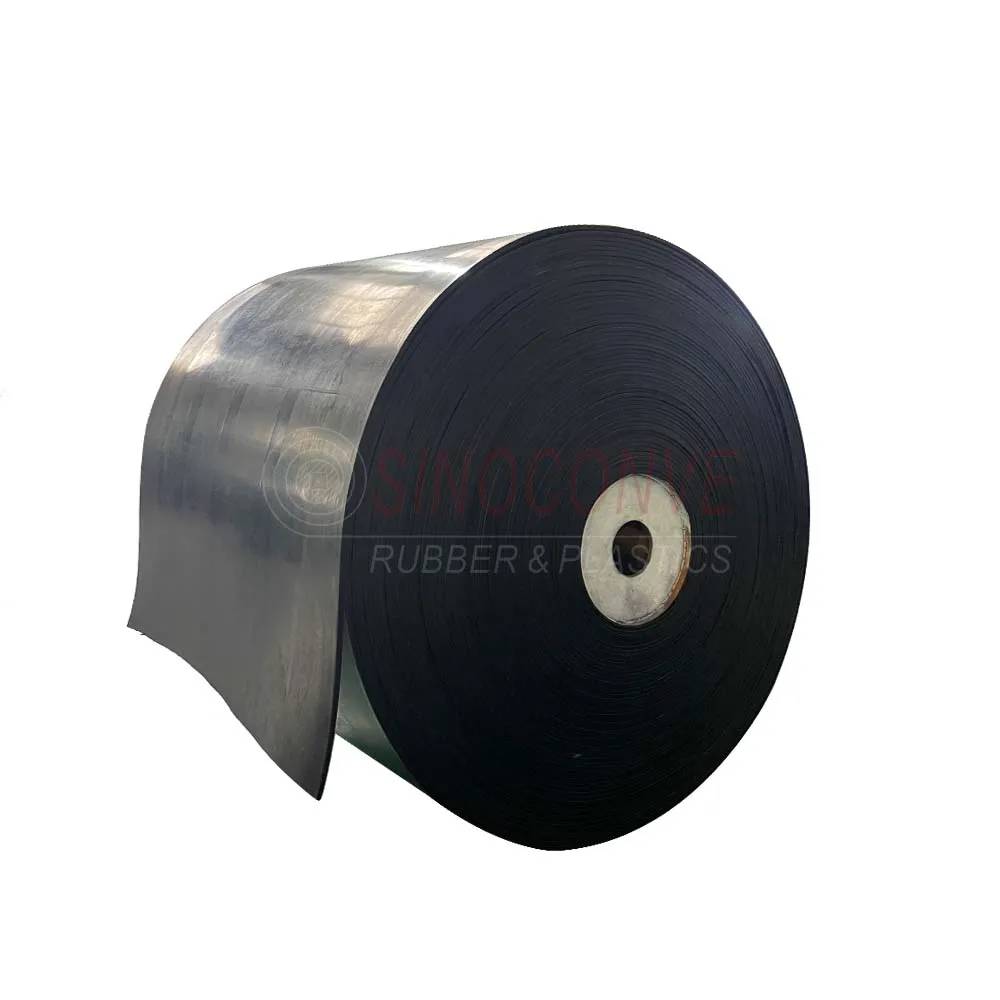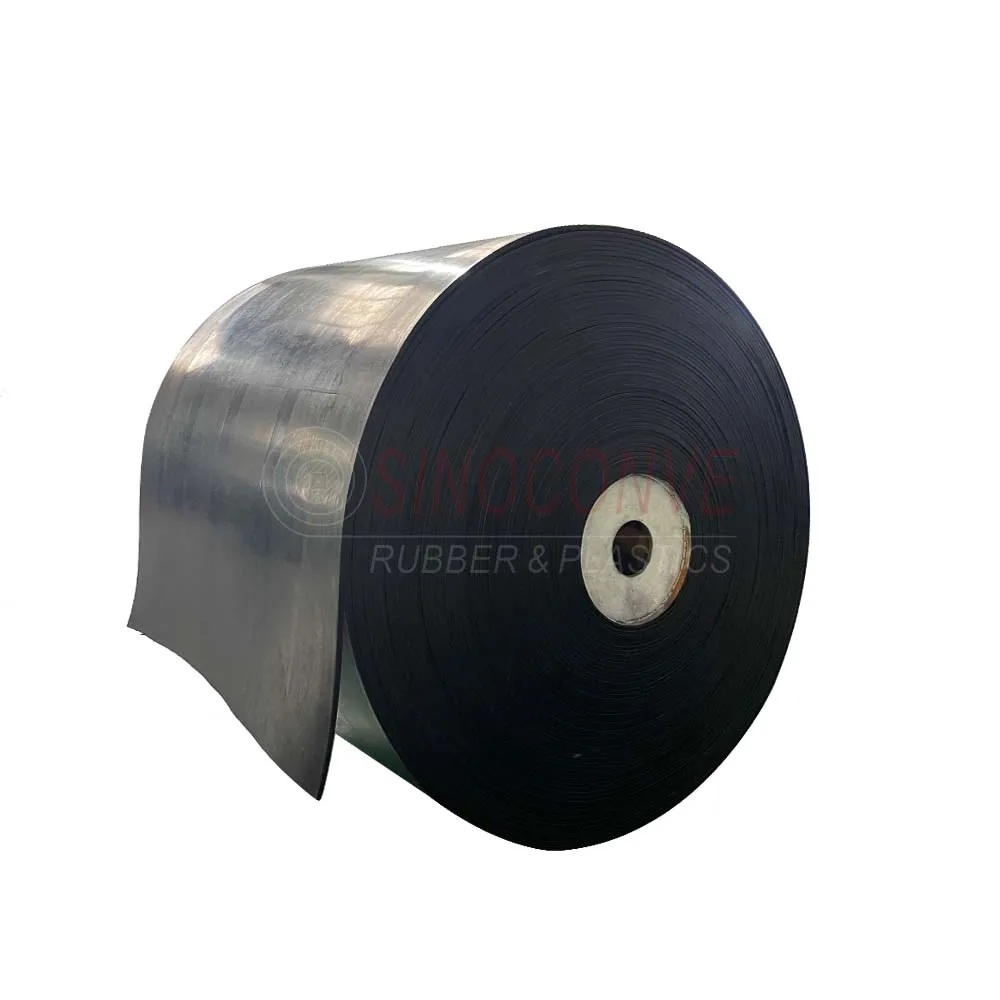

EP Rubber Conveyor Belt for Stone Crusher, Sand Mining & Coal Mine
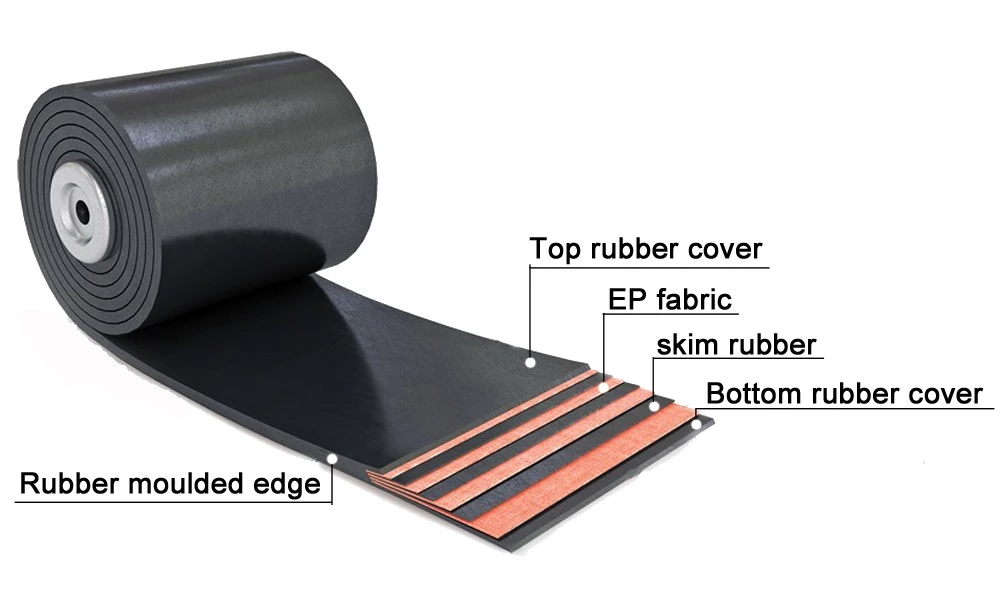
This is an EP polyester rubber conveyor belt suitable for stone crusher, sand mining and coal mine bulk material handling. The EP (polyester-nylon fabric) carcass delivers high tensile strength per ply with excellent resistance to impact, flex fatigue and moisture — the standard industrial choice when handling abrasive materials such as crushed stone, sand, coal, and ore.
These three application segments — stone crushing, sand production, and coal mining — each impose different demands on belt width, cover compound, ply count, and operating speed. Providing your exact conveyor specifications and material data allows our engineering team to confirm a belt that fits your system and your budget without unnecessary over-specification.
Get a faster, more accurate quote
Click Inquiry Now and include your application type (stone crusher / sand mining / coal mine), conveyor width and length, material and lump size, belt speed, operating environment, and quantity. We respond with a full technical confirmation and price within one business day.
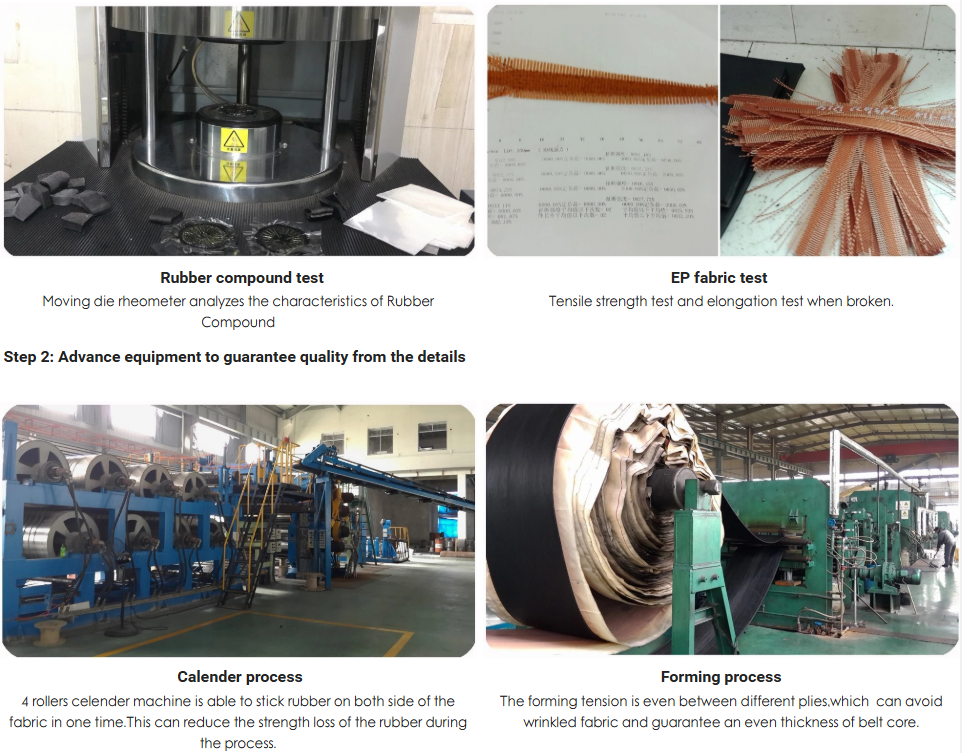
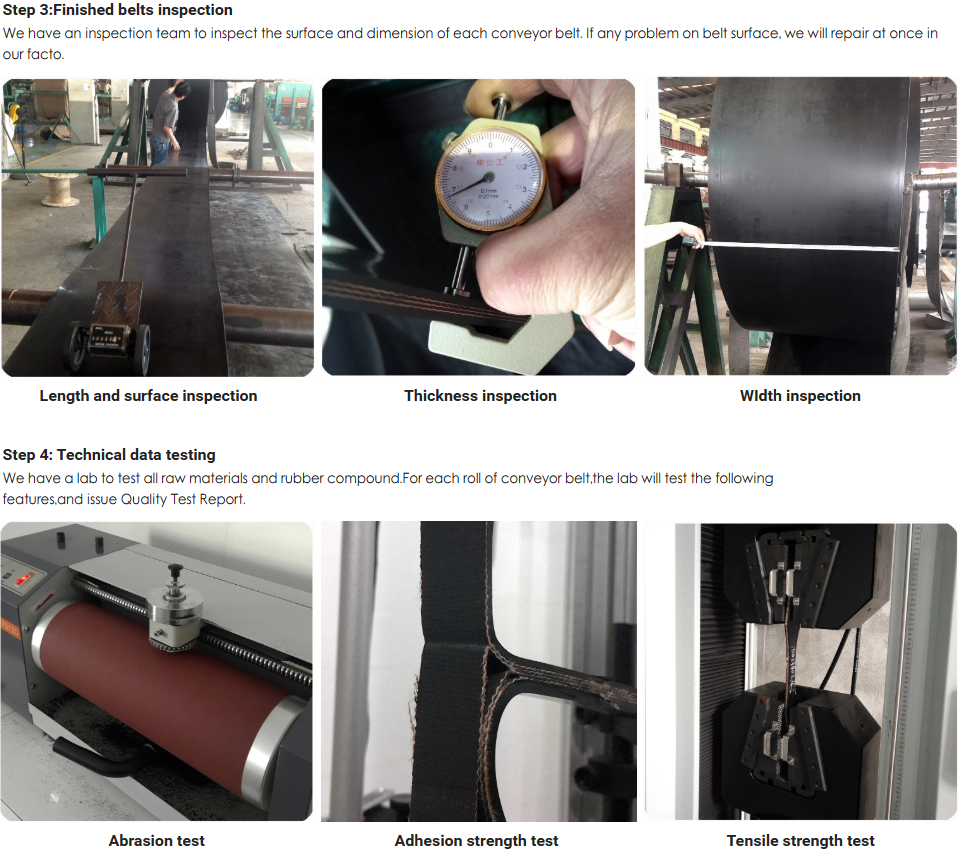
Listed product configuration
| Model | EP Rubber Conveyor Belt — Stone Crusher / Sand Mining / Coal Mine |
| Carcass type | EP fabric (Polyester warp / Nylon weft, multi-ply) |
| Primary applications | Stone crushing plants, sand washing and screening lines, coal mine surface and underground conveyors |
| Cover compound | Abrasion-resistant standard grade — confirmed to working conditions |
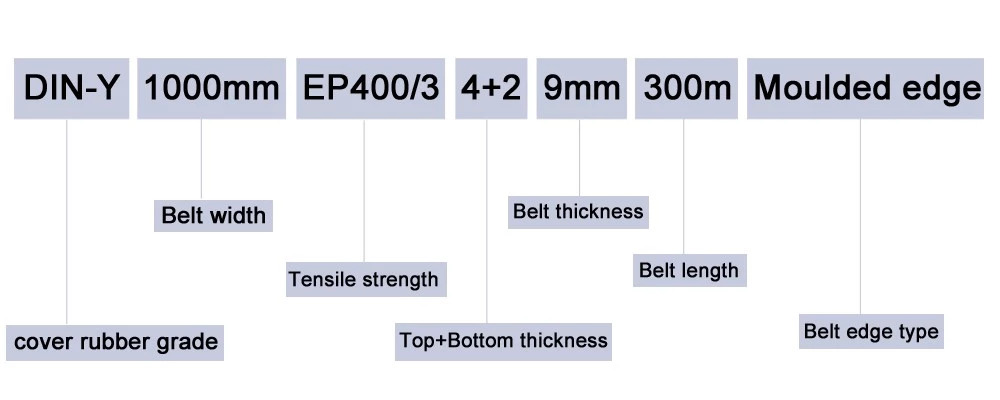
| Customization | Width, length, EP grade, ply count, cover type — confirmed to application |
Specific width, ply count, EP grade, and cover thickness are not fixed on this listing and must be confirmed against your conveyor system data before production.
Material and application note
This product is positioned for stone crusher, sand mining and coal mine conveying using an EP fabric carcass. Cover compound, ply count, width and length depend on actual working conditions and must be confirmed before production. No material or certification claims beyond the listed carcass type are made on this page.
Why these three applications demand EP belts
Stone crusher — impact resistance at the chute
Crushed rock falling onto the belt from a stone crusher produces high point-impact loads. The EP carcass layers distribute this energy, and the abrasion-resistant top cover handles the sliding abrasion of sharp rock edges. Cover thickness is selected based on the estimated impact energy and daily production volume.
Sand mining — moisture and abrasion combined
Sand and gravel handling involves wet, abrasive fines that accelerate cover wear and can cause belt walking if the carcass swells. The polyester warp in the EP construction absorbs less moisture than nylon warp, keeping the belt dimensionally stable and reducing edge wear in wet sand washing lines.
Coal mine — antistatic and flame-retardant options
Underground coal mine conveyors in many jurisdictions require fire-resistant and antistatic (FRAS) belts. If your application is underground coal, confirm this requirement in your inquiry so we can offer the appropriate compound — standard EP abrasion-resistant covers do not meet FRAS requirements unless specified.
Application details we check
- Which application: stone crusher output conveyor, sand / gravel screen feeder, coal face conveyor, or coal preparation plant belt? Application type determines cover compound priority.
- Belt width, center-to-center length, incline angle, and drive / tail pulley diameters — used to calculate required belt strength and select EP grade and ply count.
- Material type, maximum lump size, and bulk density — key inputs for cover grade and top cover thickness.
- Belt speed and daily operating hours — affect cover wear life estimation.
- Operating environment: outdoor / indoor, temperature range, presence of oil, water, or chemical contamination.
- For coal mine: surface or underground? If underground, are FRAS (fire-resistant and antistatic) requirements applicable?
- Quantity and preferred splice method.
Customization discussion
Belt width, length, EP grade (EP100–EP500), ply count, cover compound (standard abrasion, heat-resistant, oil-resistant, FRAS), top and bottom cover thickness, surface finish (smooth or patterned), and splice preparation can be discussed with our sales team. All options are confirmed against your working conditions before order placement.
Get a technical recommendation and quote
Click Inquiry Now and send your working conditions and quantity.
Suggested inquiry: "Please quote an EP conveyor belt for our [stone crusher / sand mining / coal mine] — belt width [ ] mm, center-to-center [ ] m, material [type], max lump [ ] mm, belt speed [ ] m/s, quantity [ ] meters."
Frequently asked questions
What is the difference between EP100, EP200, and EP315 for these applications?
The number indicates the minimum breaking strength per ply per mm width (in N/mm). Higher numbers mean more strength per ply, which allows fewer plies for long or heavy-duty conveyors. The appropriate grade depends on your calculated belt tension — send us your conveyor data and we will recommend the correct grade.
Do I need a special belt for underground coal mining?
Underground coal mine conveyors in most countries must use FRAS-rated belts (fire-resistant and antistatic). Standard EP abrasion-resistant belts do not qualify. Please specify "underground coal mine" and the applicable standard (e.g. ISO 284, AS/NZS 1334.11, or local regulation) in your inquiry.
Can this belt handle wet sand and water?
EP belts handle wet materials well because the polyester warp does not absorb significant moisture. For heavily saturated or submerged applications, confirm the operating conditions so we can check whether a standard EP compound or a water-resistant cover is more appropriate.
How do I submit an inquiry?
Use the Inquiry Now link to open our contact page at https://sinoconve.com/contact-us and include your application, belt dimensions, material, and quantity.