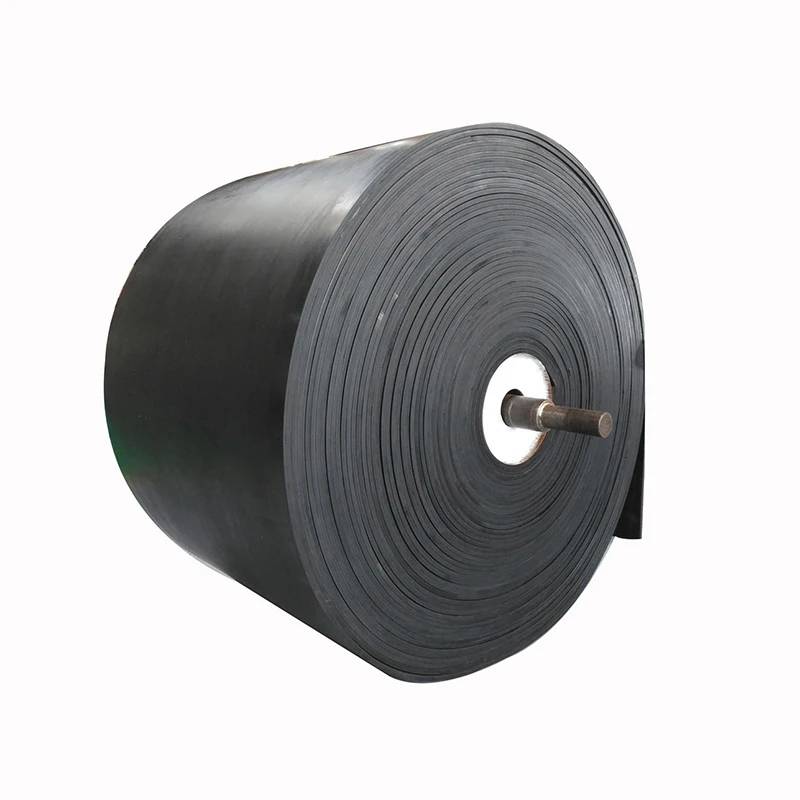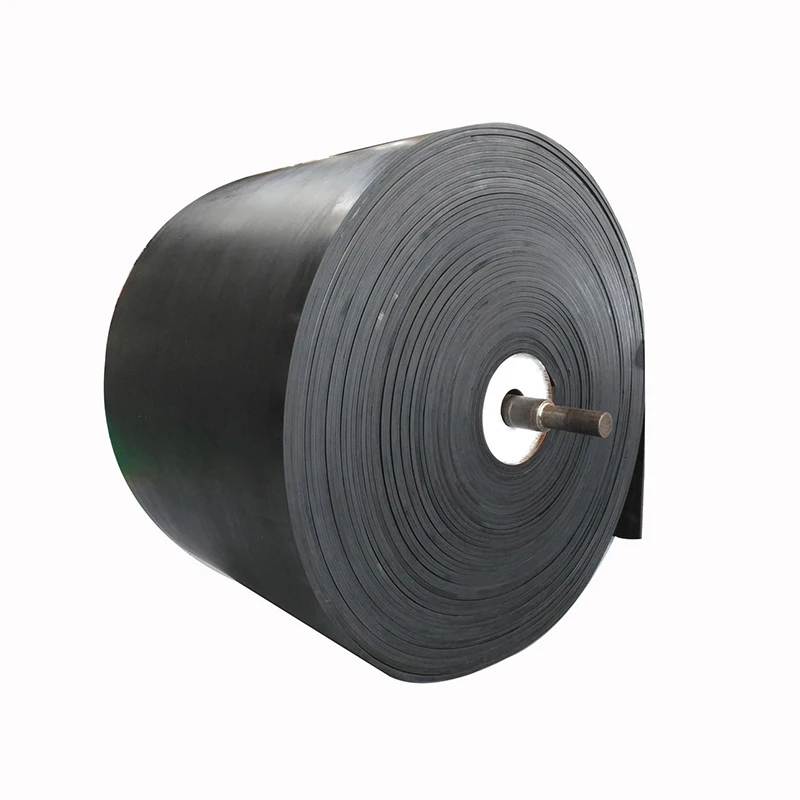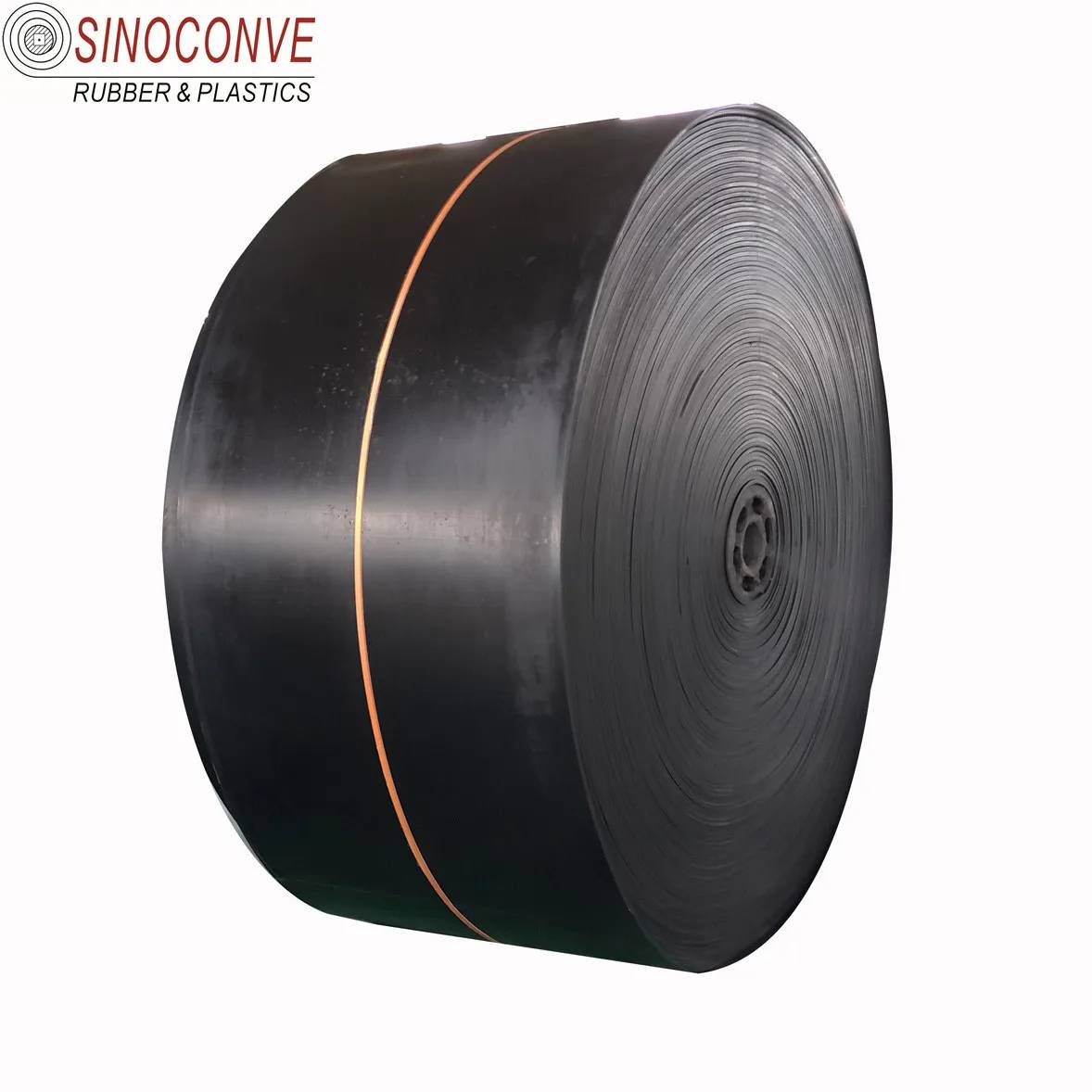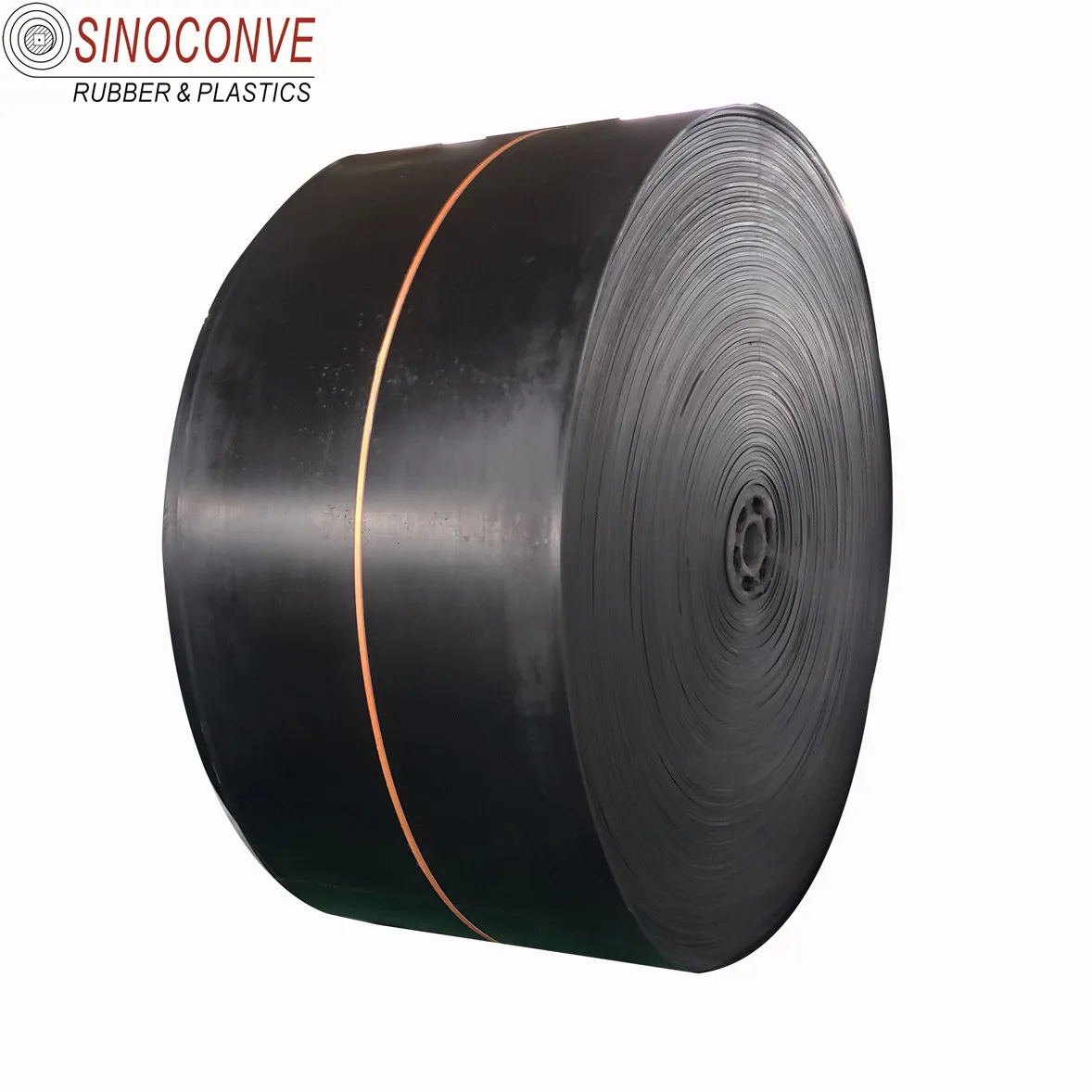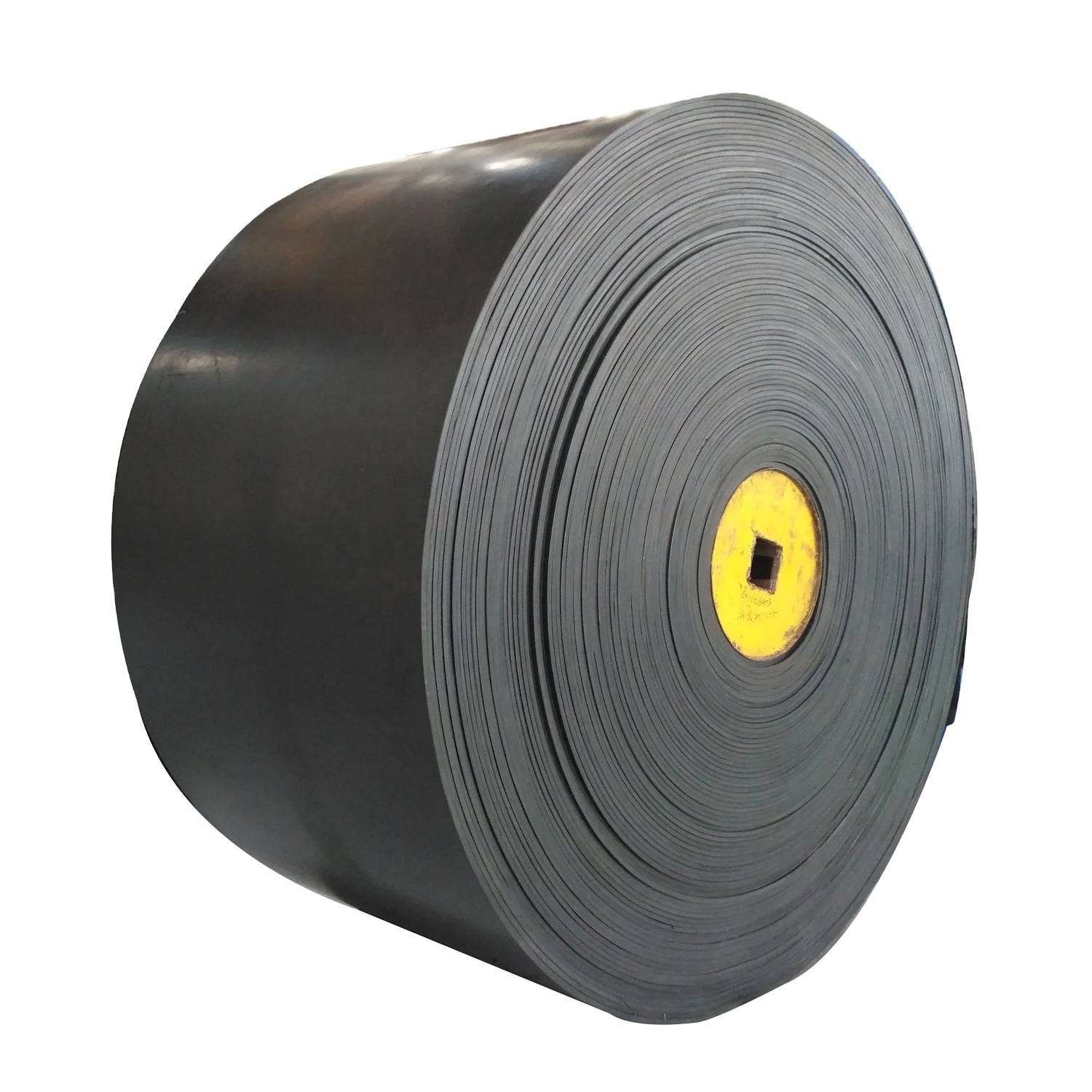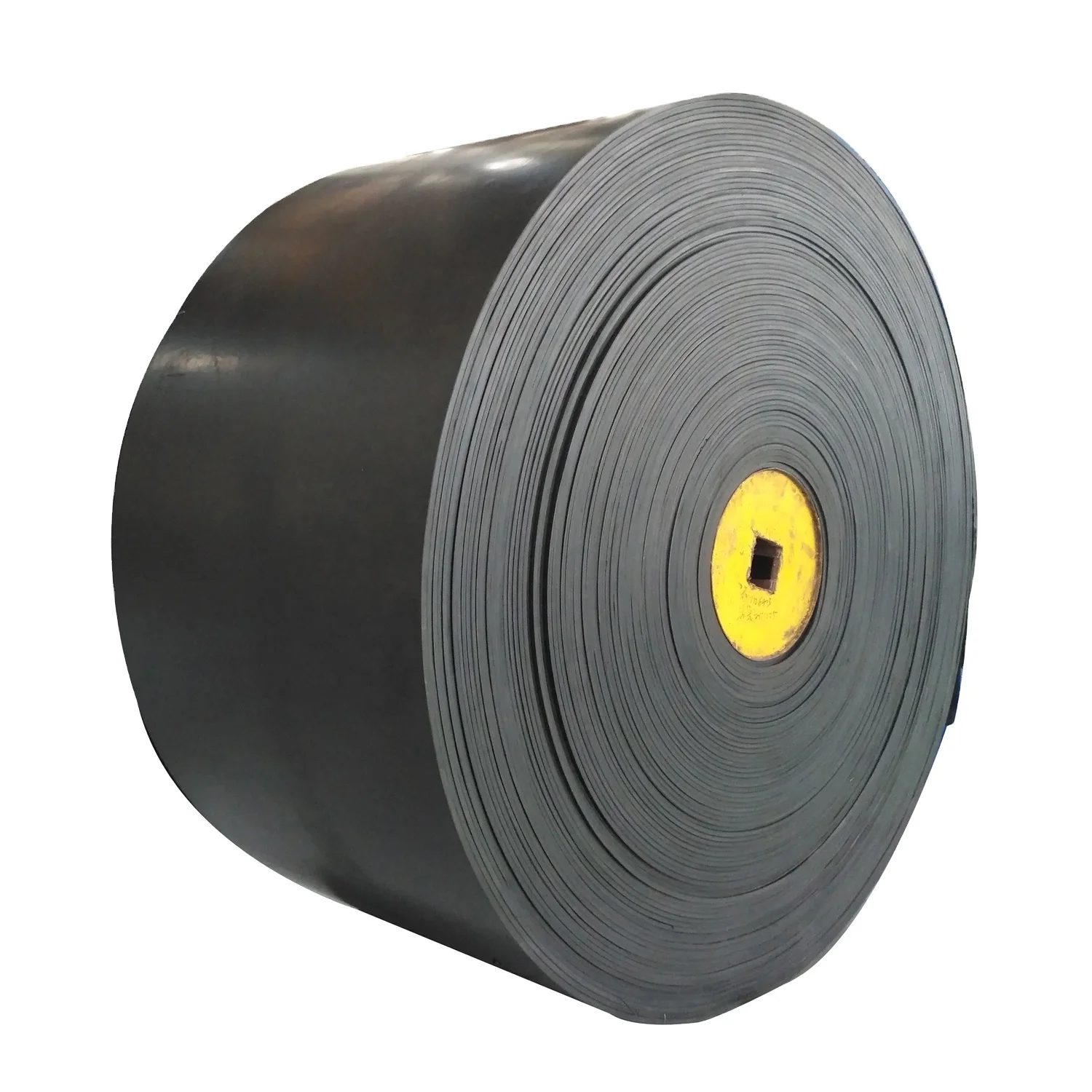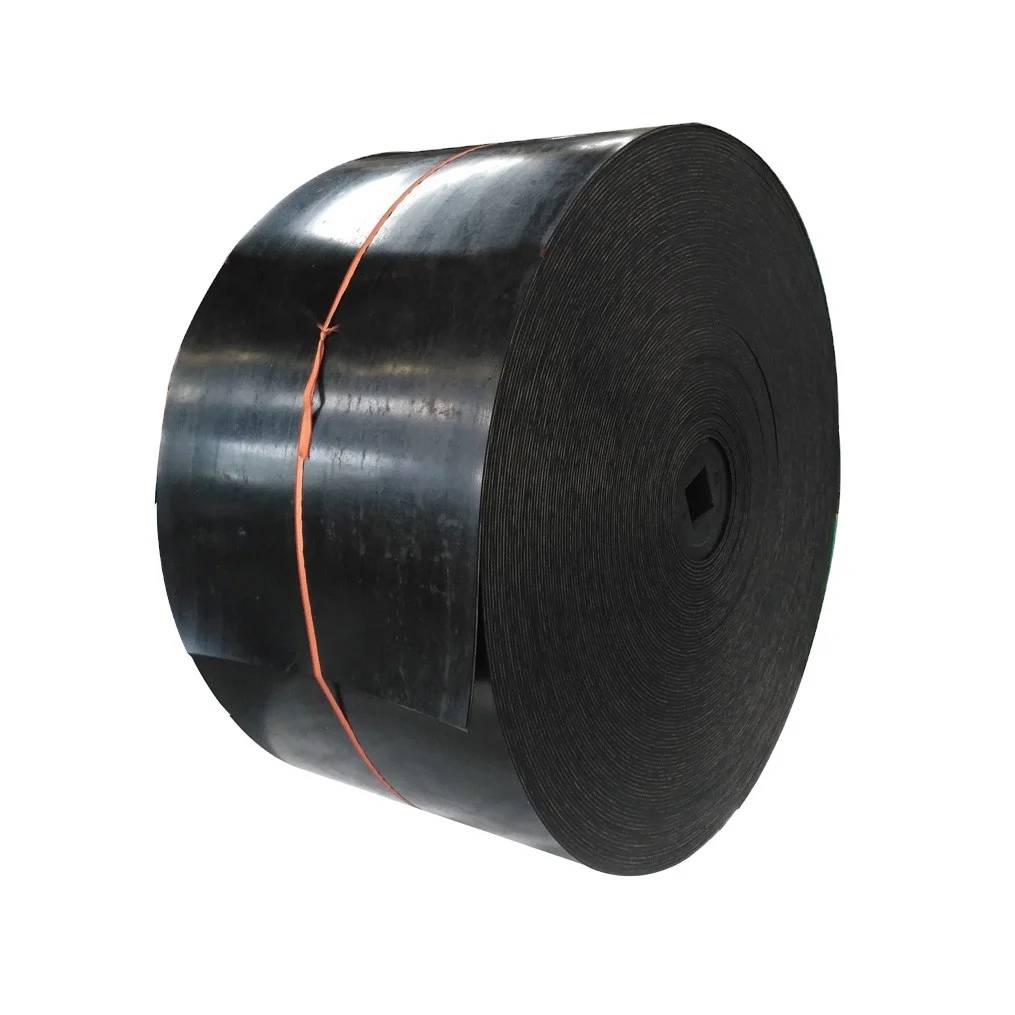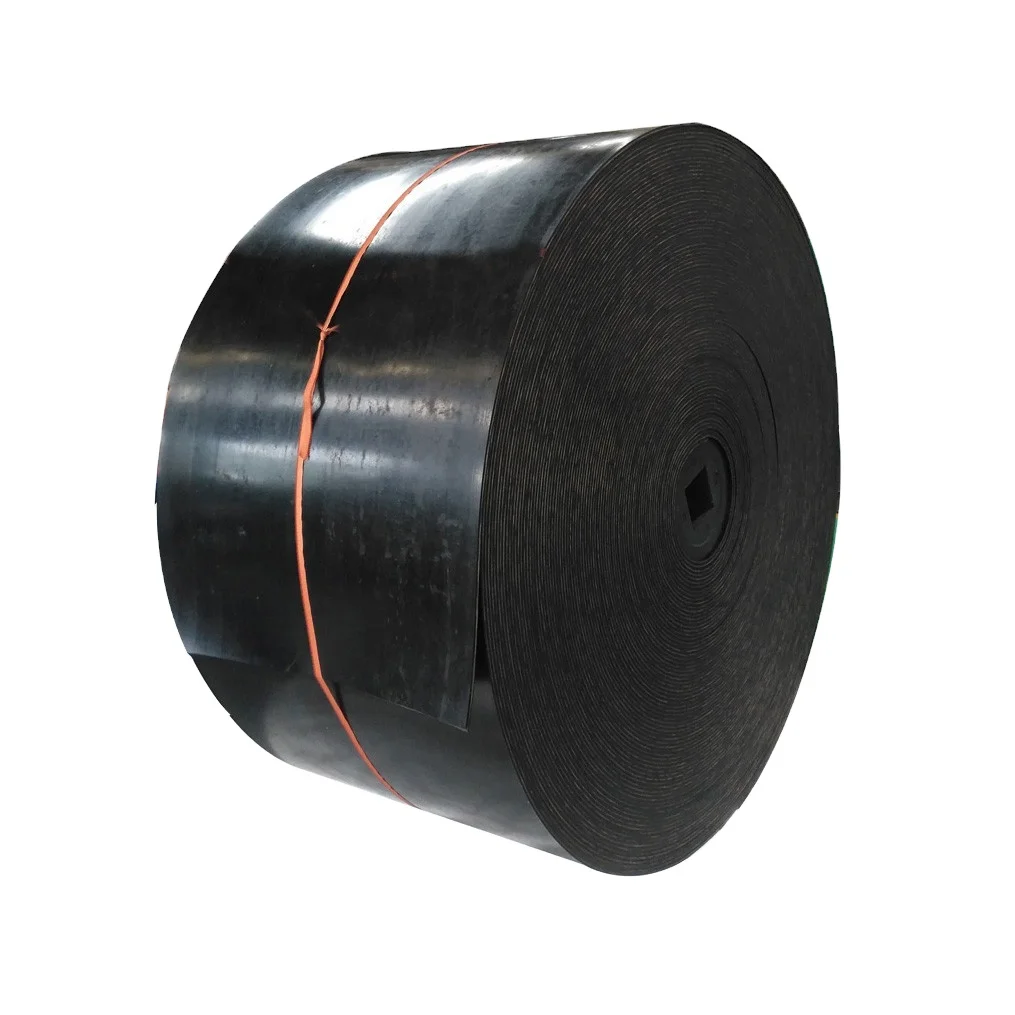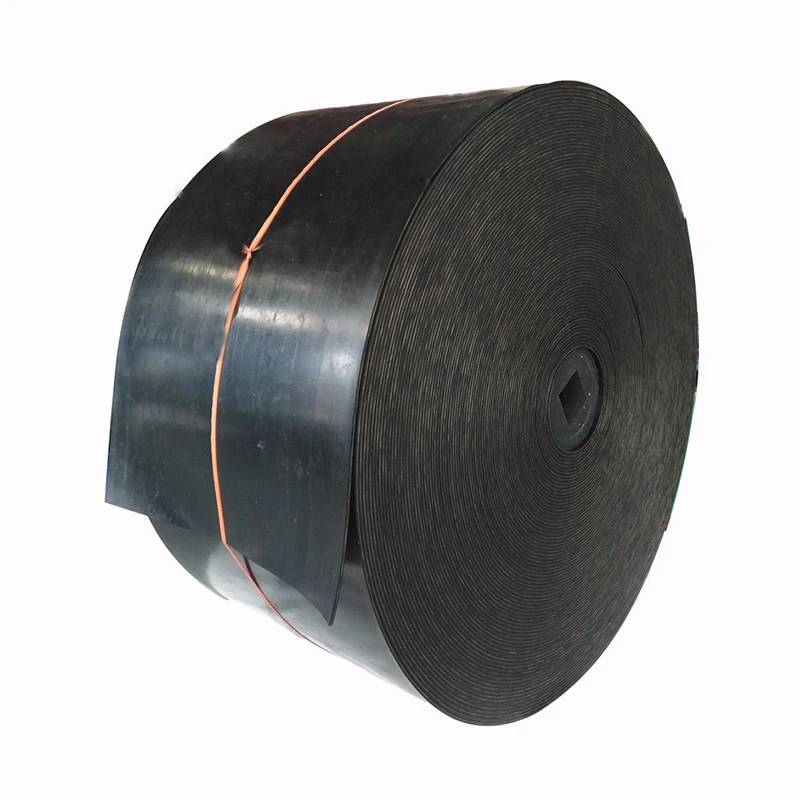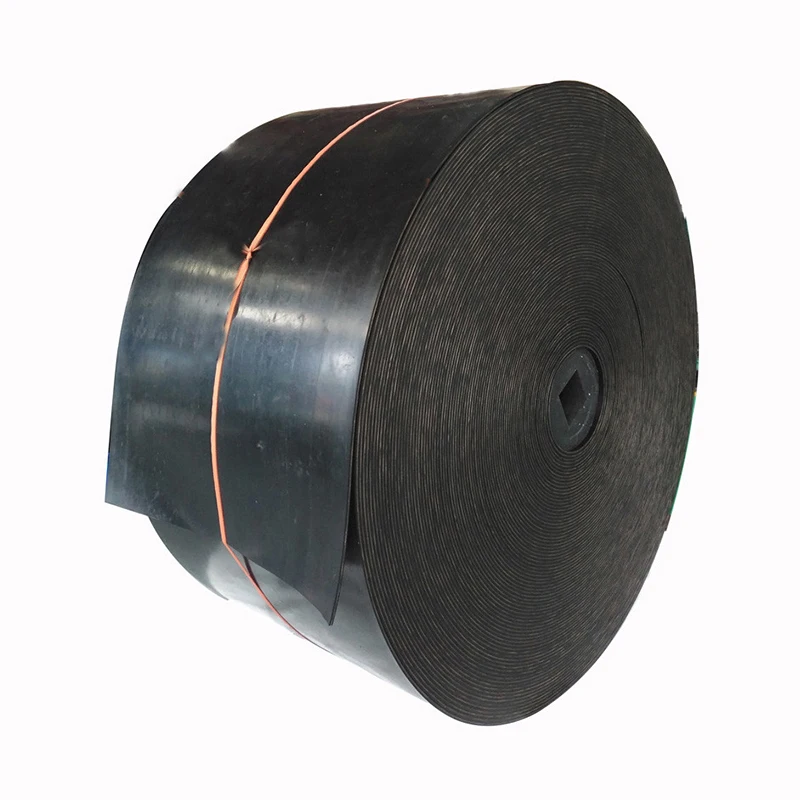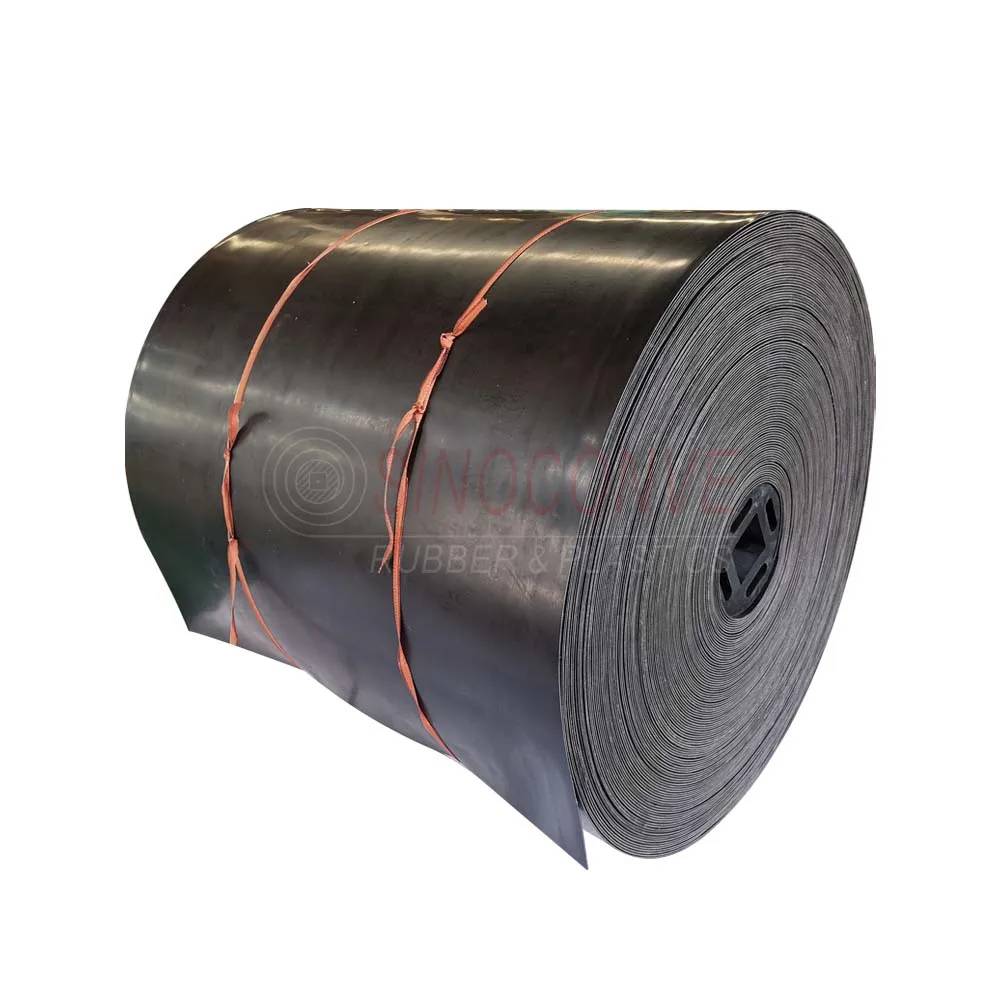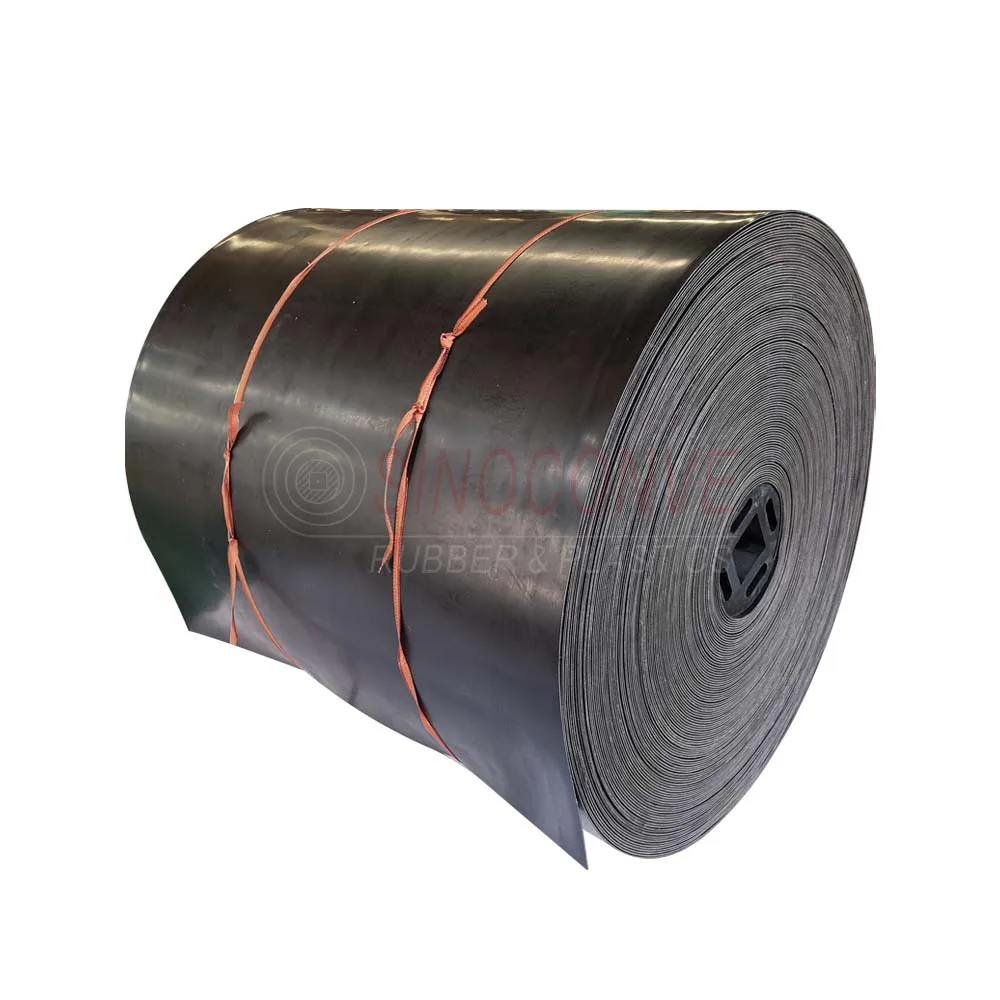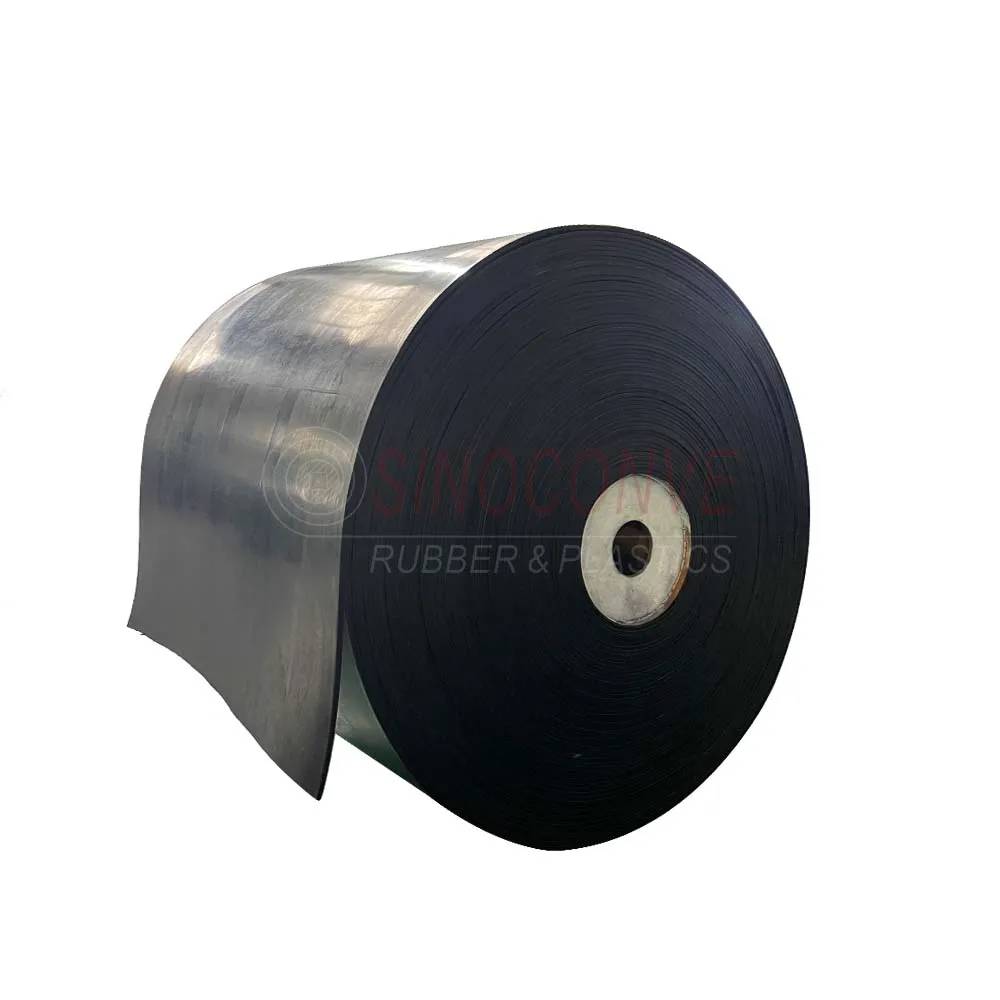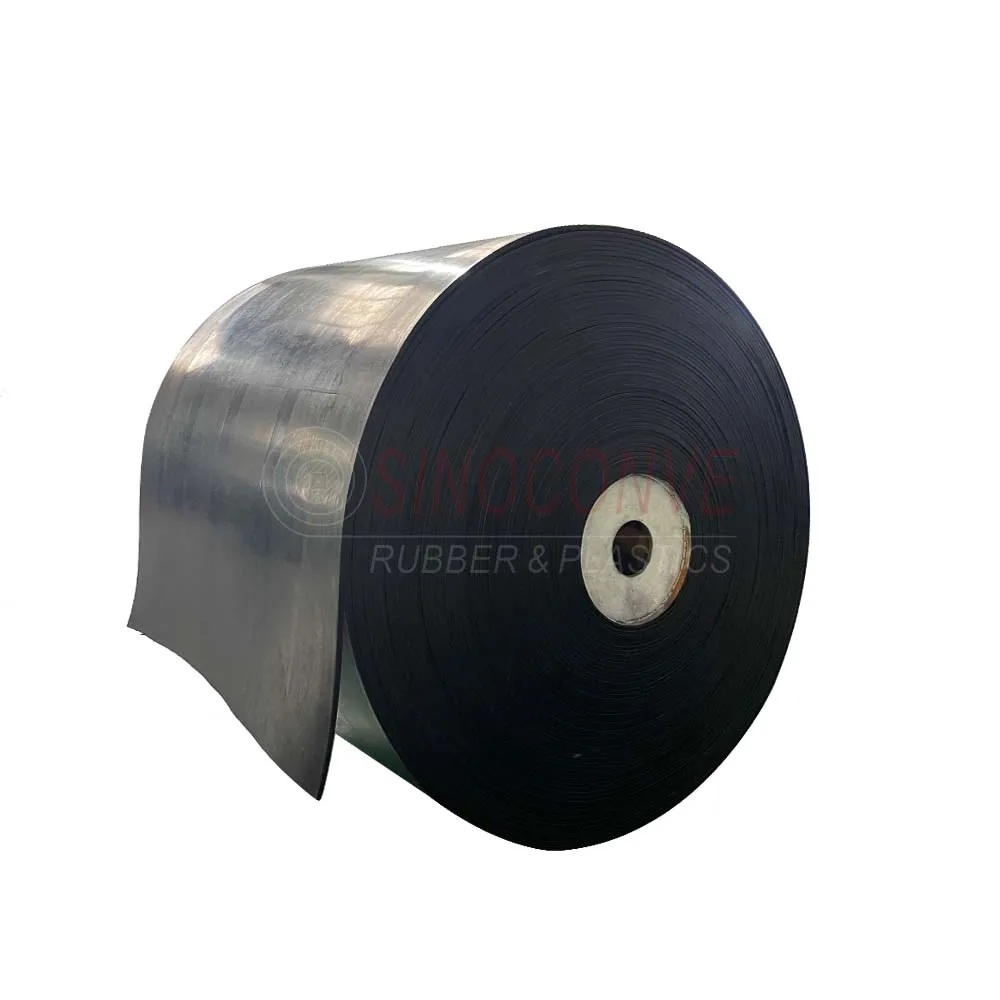


EP Fabric Rubber Conveyor Belt — Multi-Ply Polyester Nylon Carcass
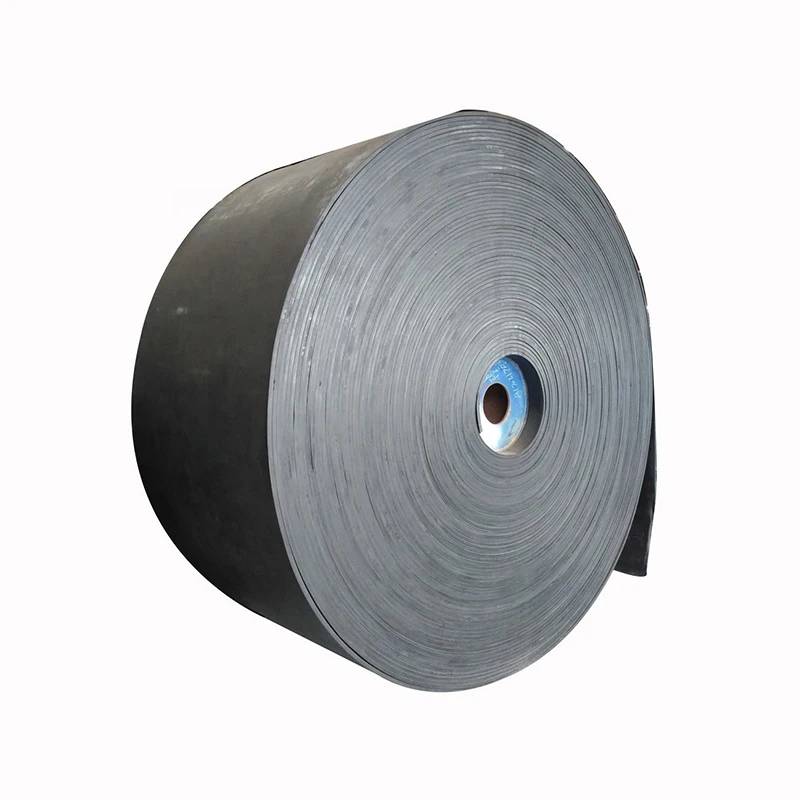
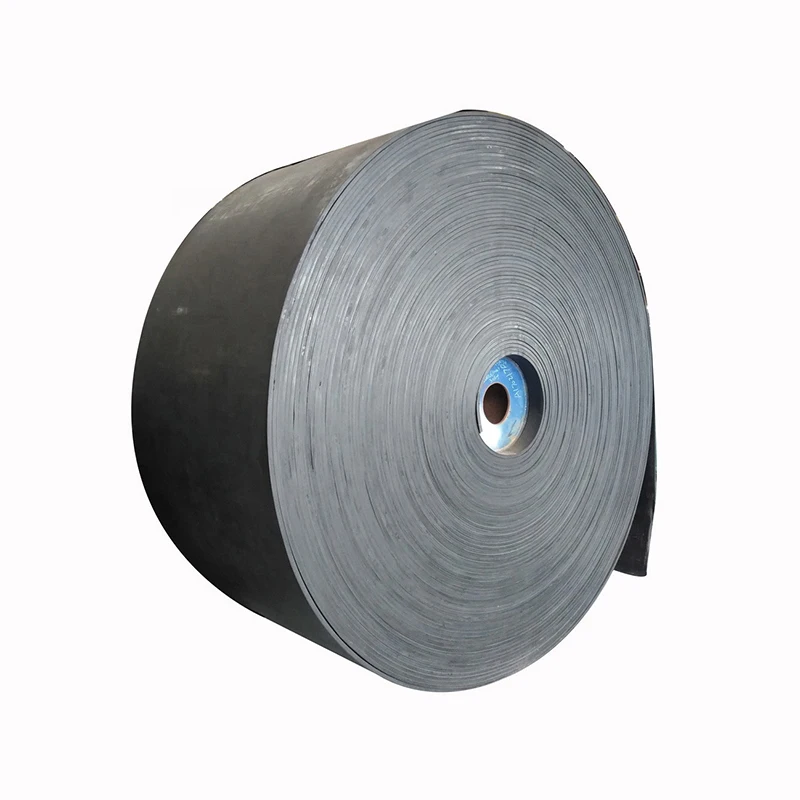
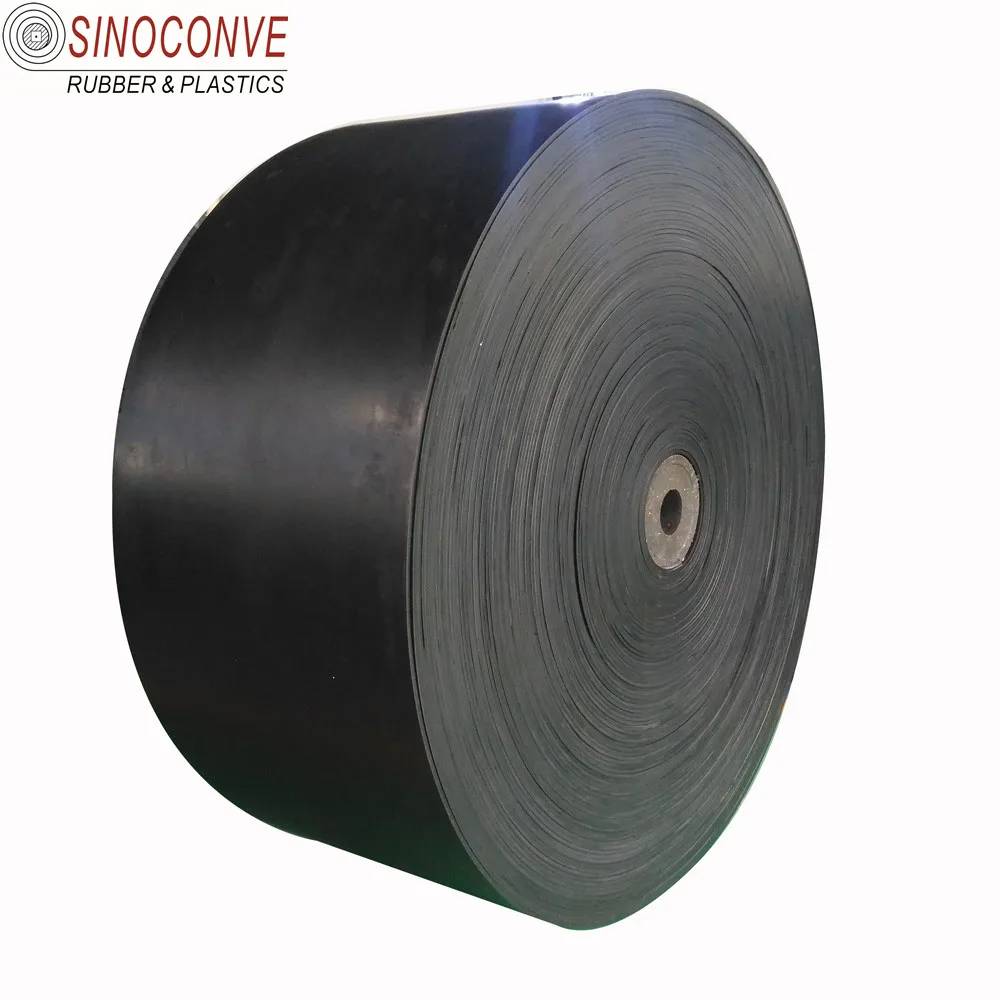
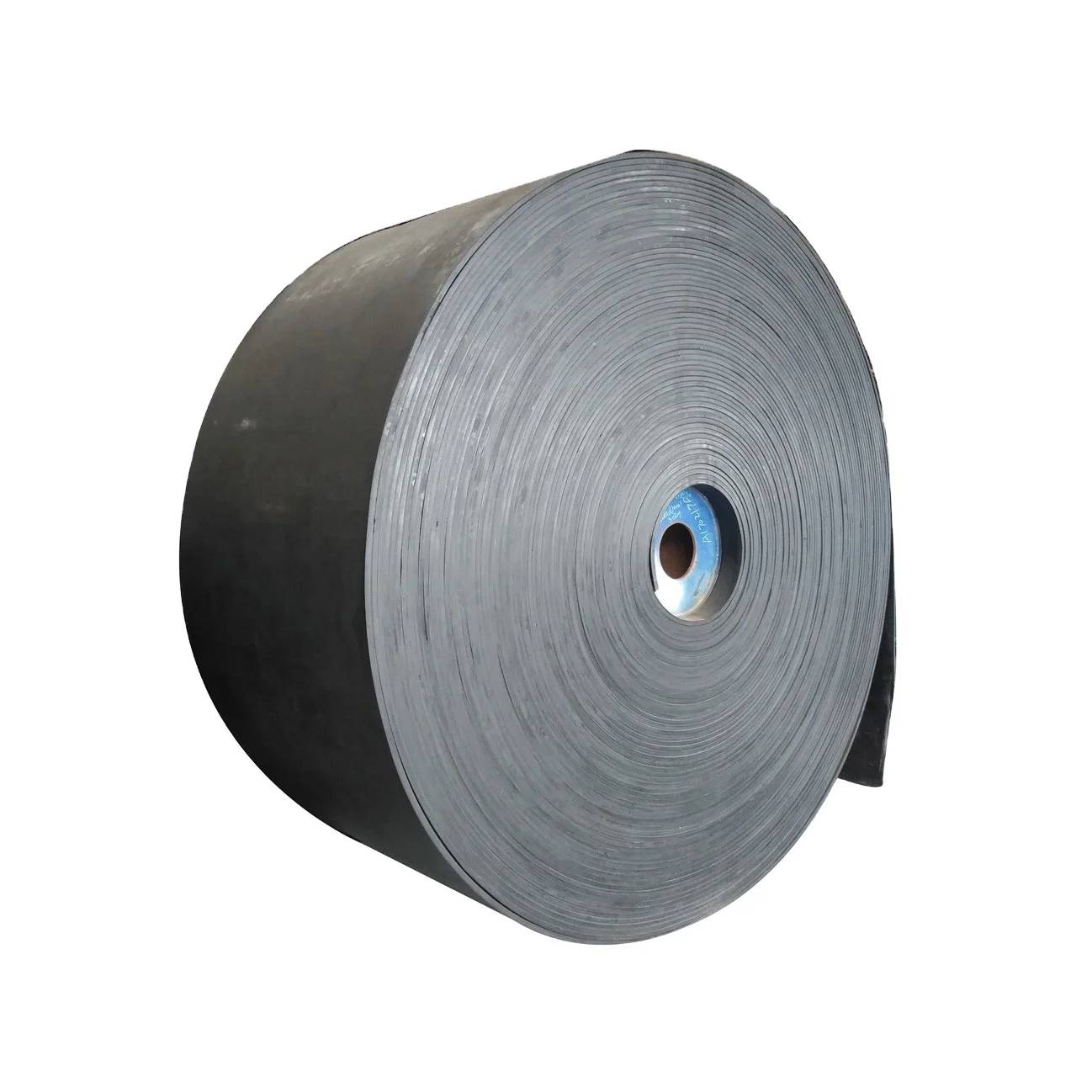
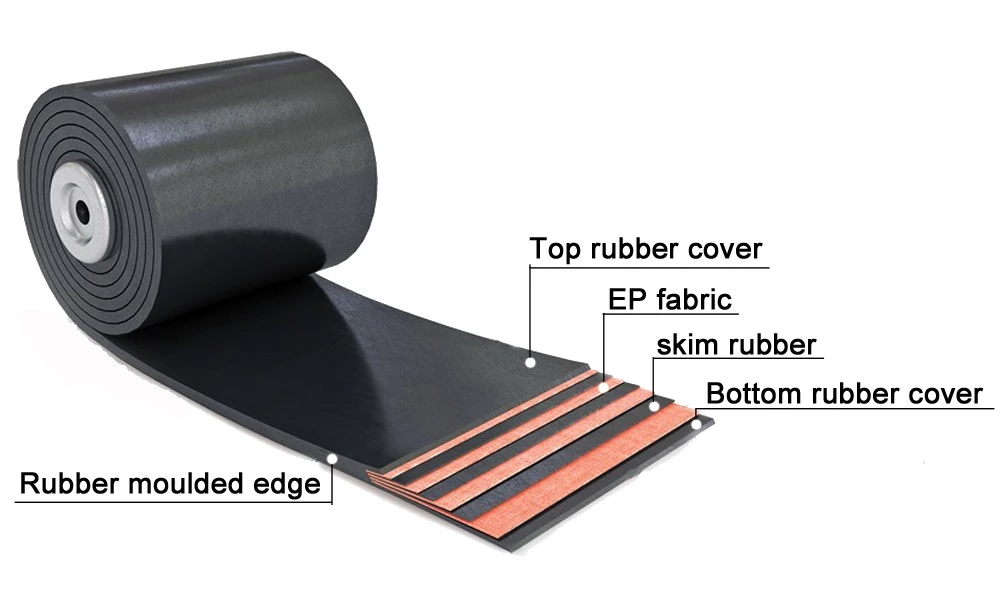
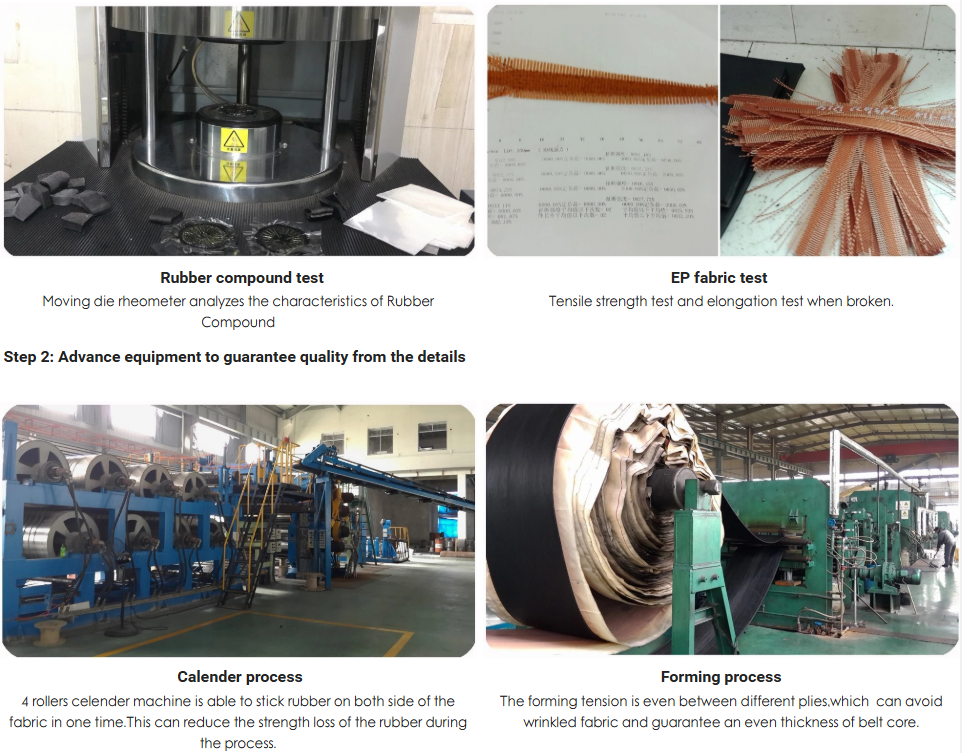
This is an EP fabric rubber conveyor belt with a polyester-warp / nylon-weft (EP) multi-ply carcass. EP fabric is the most widely used carcass type in industrial conveyor belt applications worldwide — it balances high tensile strength, low elongation, good impact resistance, and low moisture absorption in a flexible, troughable structure that suits most bulk material handling systems.
EP fabric belts are suitable for a broad range of industries including mining, quarrying, cement, steel, chemical processing, grain handling, port logistics, and general manufacturing. The correct belt grade and configuration depend on your conveyor geometry, material properties, and operating environment. Share your technical data and our team will confirm the right specification.
Get a faster, more accurate quote
Click Inquiry Now and include your conveyor width, length, incline angle, material type, belt speed, operating environment, and quantity. Specifying the required EP grade or the calculated belt tension helps us respond more precisely.
Available EP grades and typical applications
| EP Grade | Tensile strength / ply | Typical applications |
| EP100 | ≥ 100 N/mm | Light-to-medium duty: grain, flour, food processing, light packaging lines |
| EP200 | ≥ 200 N/mm | Medium duty: cement, fertilizer, crushed stone, aggregate, general mining |
| EP250 | ≥ 250 N/mm | Medium-heavy: quarry rock, coal, port loading, steel raw materials |
| EP315 | ≥ 315 N/mm | Heavy duty: hard rock mining, iron ore, long-distance or highly inclined conveyors |
| EP400 / EP500 | ≥ 400 / 500 N/mm | Very heavy duty: high-tension long-haul mining, deep underground or overland conveyors |
The table above shows typical applications by EP grade. Ply count, cover thickness, belt width, and cover compound must be confirmed against your specific conveyor and operating conditions before production.
Material and application note
EP grades and application examples in the table are provided for guidance only. The actual belt specification — including ply count, cover compound, width, and length — must be confirmed against your conveyor system data and operating environment before production. No performance guarantees are implied by the grade table alone.
Key advantages of EP fabric carcass
Low elongation — stable belt tension
Polyester warp yarns have low elongation under load (typically 1.5–2% at working tension), which keeps the belt taut between idlers, reduces the required take-up travel, and minimises the risk of belt sag and material spillage on long conveyors.
Low moisture absorption — dimensional stability
Polyester fibre absorbs far less moisture than nylon fibre, so the EP belt maintains stable width and length dimensions in humid, wet, or outdoor environments. This reduces belt walking and edge wear compared with NN (nylon-nylon) carcass belts in the same conditions.
Good troughability — reliable material containment
Multi-ply EP belts trough well on standard 3-roll idler sets, forming a consistent carrying profile that reduces material spillage along the conveyor. Cover thickness and ply count are selected to maintain troughability while providing the required belt stiffness for the idler spacing and belt width.
Application details we check
- Conveyor width, center-to-center length, incline angle, and pulley diameters — the primary inputs for belt strength selection.
- Material type, bulk density, maximum lump size, and moisture content — these determine cover compound and top cover thickness.
- Belt speed and idler spacing — affect belt sag, troughing, and cover wear rate.
- Operating temperature range and chemical environment (dust, oil, acid, alkali) — determine cover compound type.
- Splice method (mechanical, cold vulcanization, or hot vulcanization) — influences ply count and edge preparation.
- Quantity, delivery destination, and packaging requirements.
Customization discussion
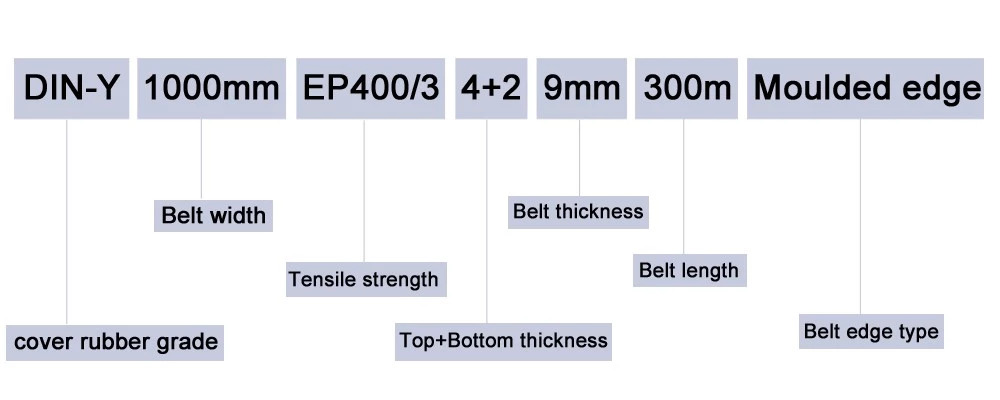
EP grade (EP100–EP500), ply count, belt width (300–2400 mm+), belt length, top and bottom cover thickness, cover compound (standard abrasion-resistant, heat-resistant, oil-resistant, food-grade, antistatic / FRAS), surface finish, and splice preparation can all be discussed with our technical team. All specifications are confirmed against your working conditions before commitment.
Get a technical recommendation and quote
Click Inquiry Now and send your conveyor data and quantity.
Suggested inquiry: "Please quote an EP fabric conveyor belt — EP grade [ ], belt width [ ] mm, length [ ] m, ply count [ ], top cover [ ] mm / bottom cover [ ] mm, material [type], quantity [ ] meters."
Frequently asked questions
What is the difference between EP and NN (nylon-nylon) conveyor belt?
EP uses polyester warp and nylon weft; NN uses nylon in both directions. EP has lower elongation and better moisture resistance than NN, making it preferable for most outdoor, mining, and cement applications. NN has better impact resistance in some very high-impact scenarios and better flexibility for very small pulley diameters.
Can I order a specific EP grade that is not in the table?
In addition to the standard EP grades listed, intermediate or non-standard grades can be discussed depending on production schedule and quantity. Contact us with your target belt strength and we will advise on availability.
How do I know how many plies I need?
Ply count is calculated from the required belt strength (based on effective tension), divided by the EP grade per ply, with a safety factor applied. Share your calculated effective tension or your conveyor data and we will recommend the appropriate ply count.
How do I submit an inquiry?
Use the Inquiry Now link to open our contact page at https://sinoconve.com/contact-us and include your EP grade requirement, belt width, length, and operating conditions.