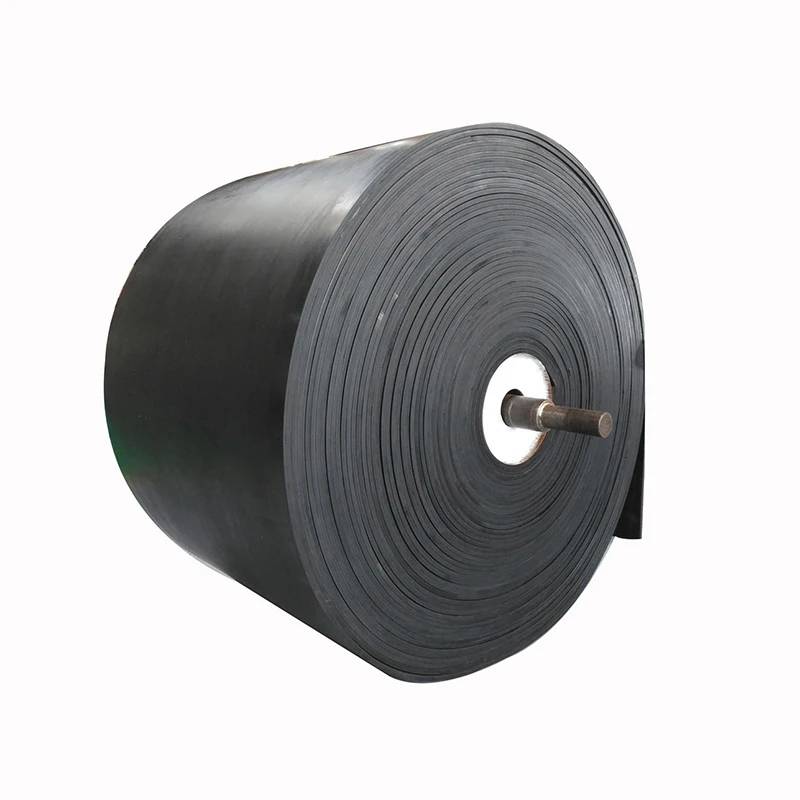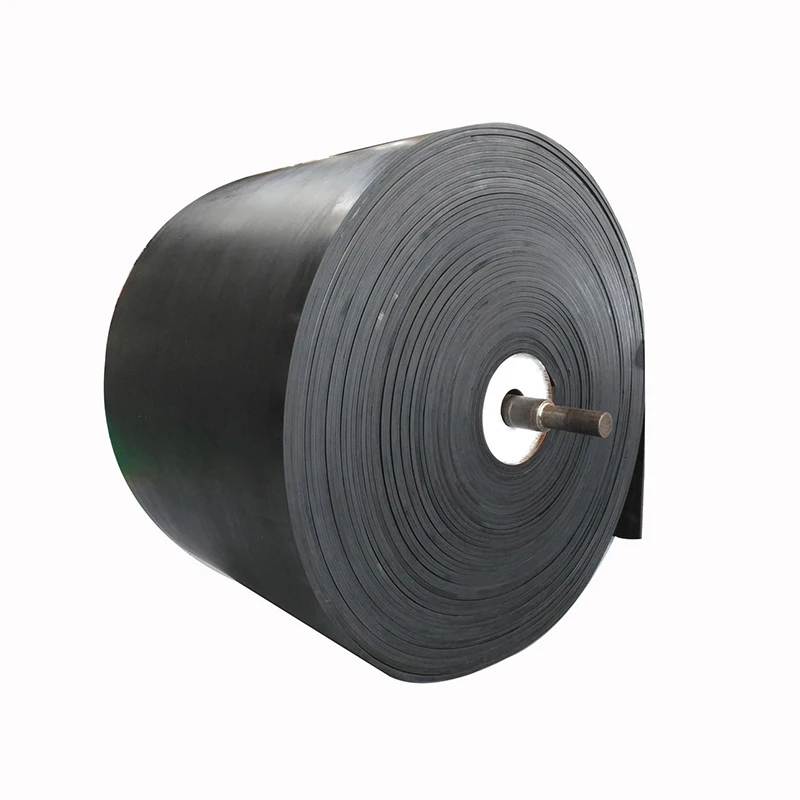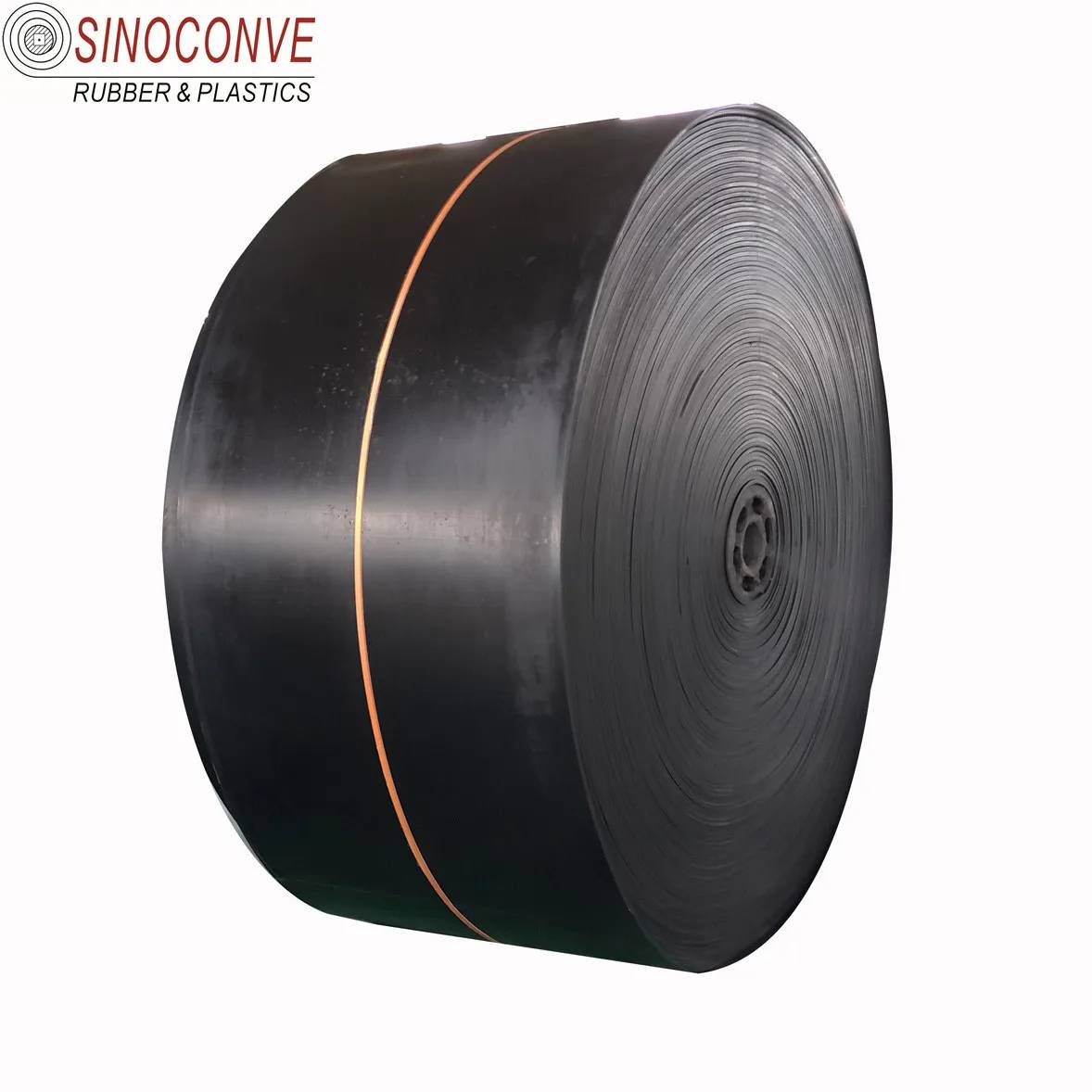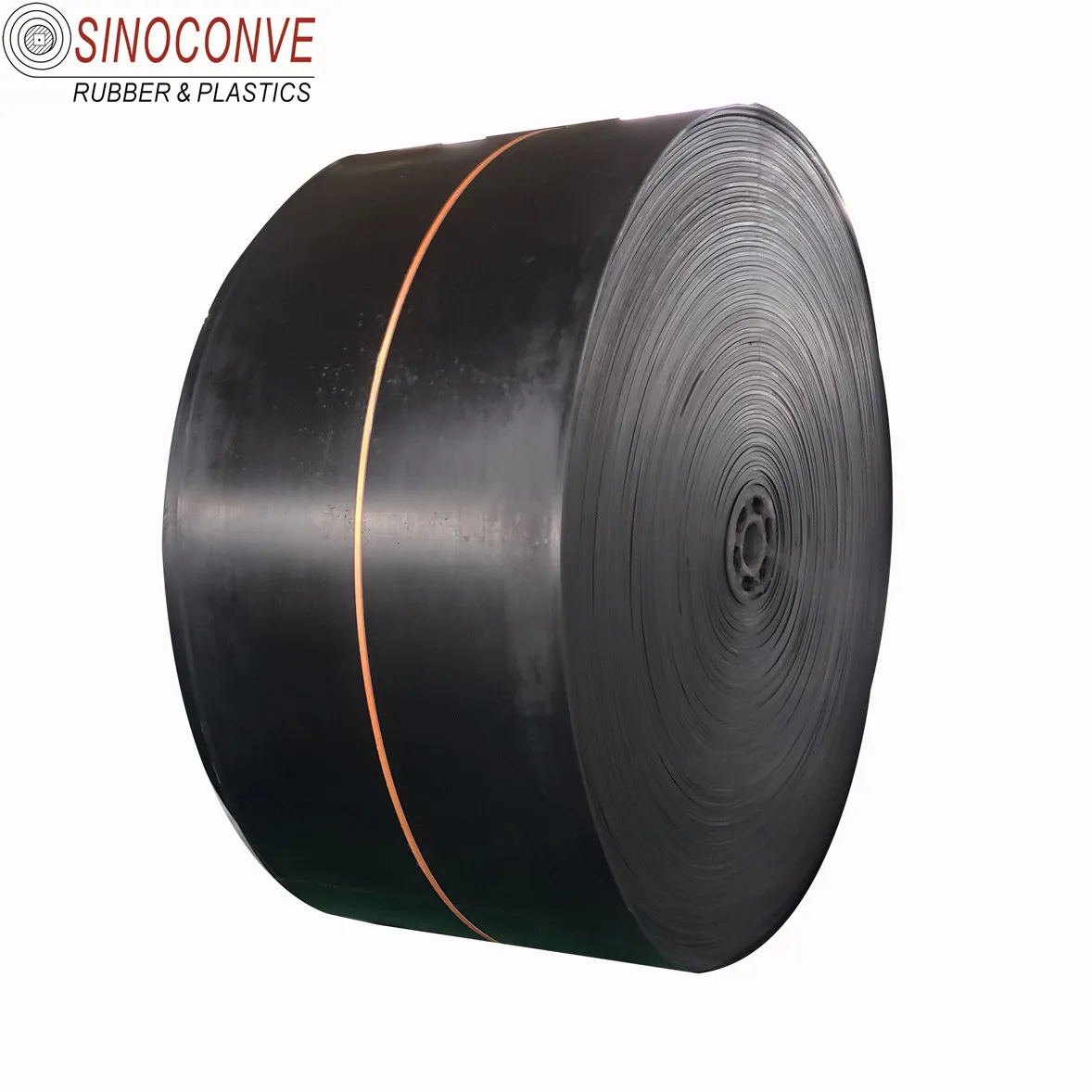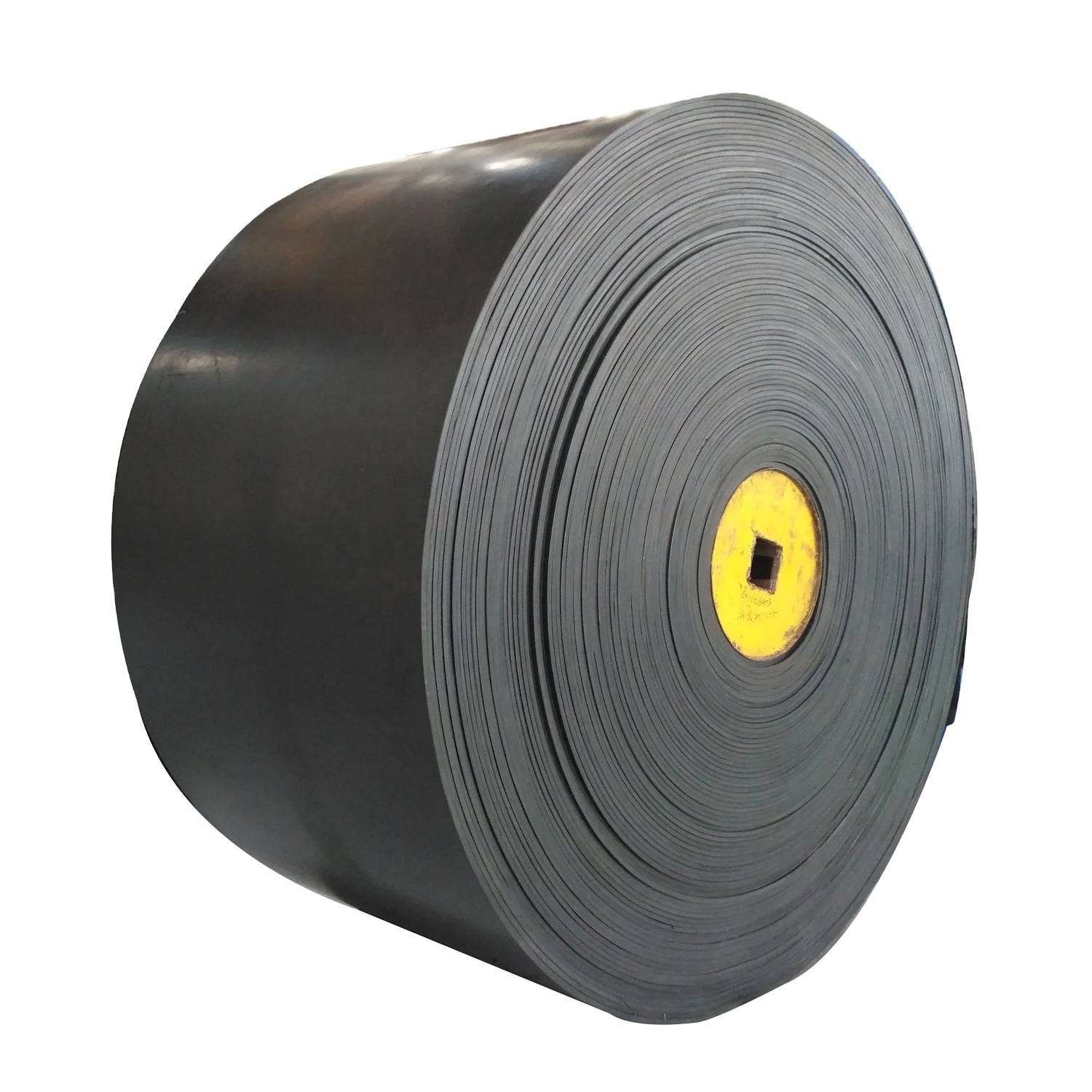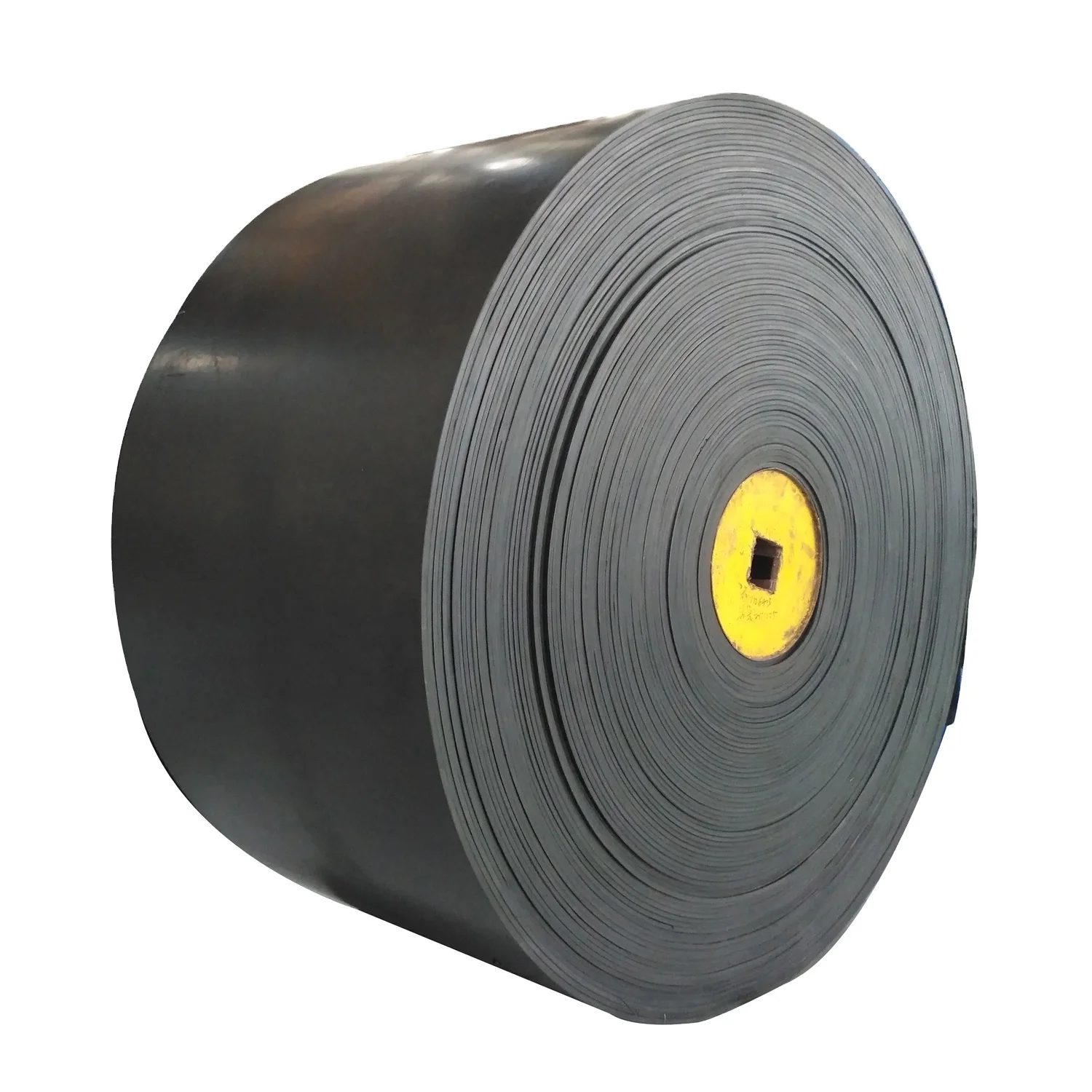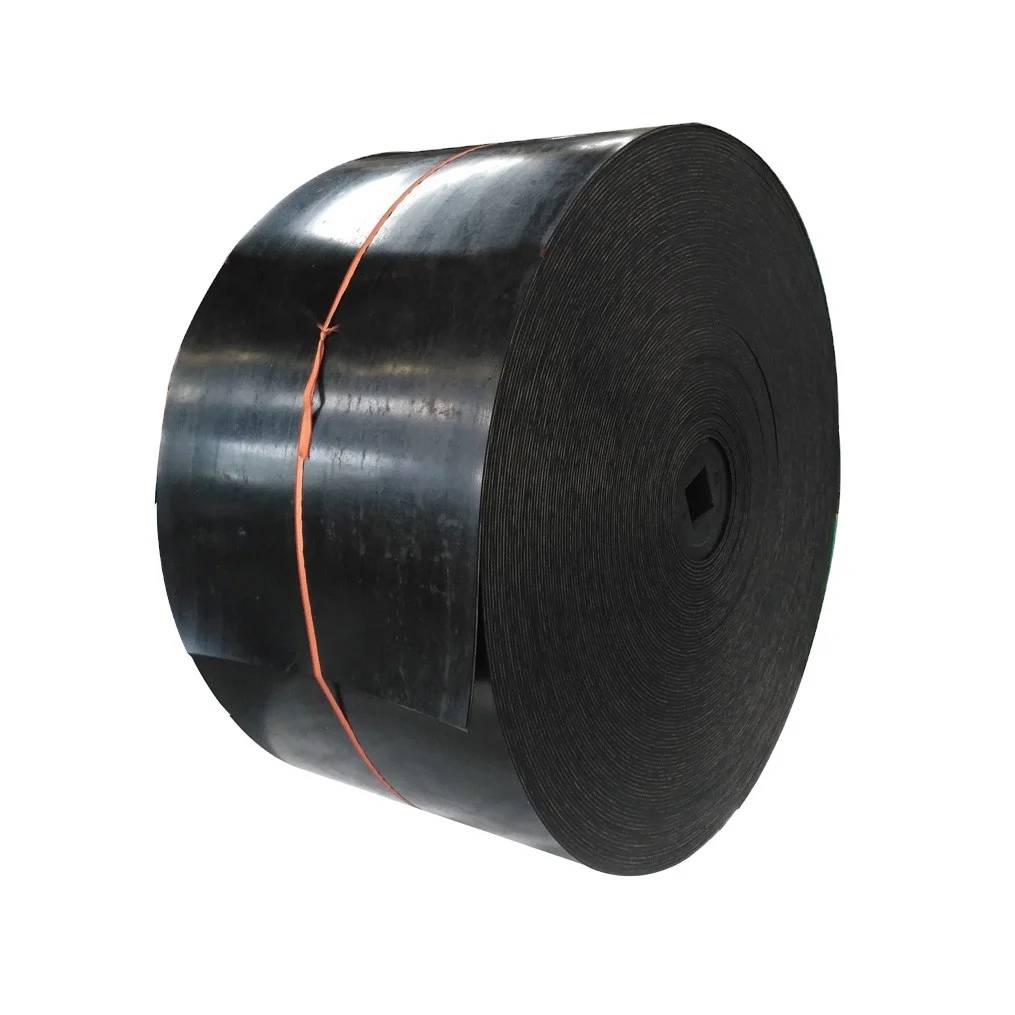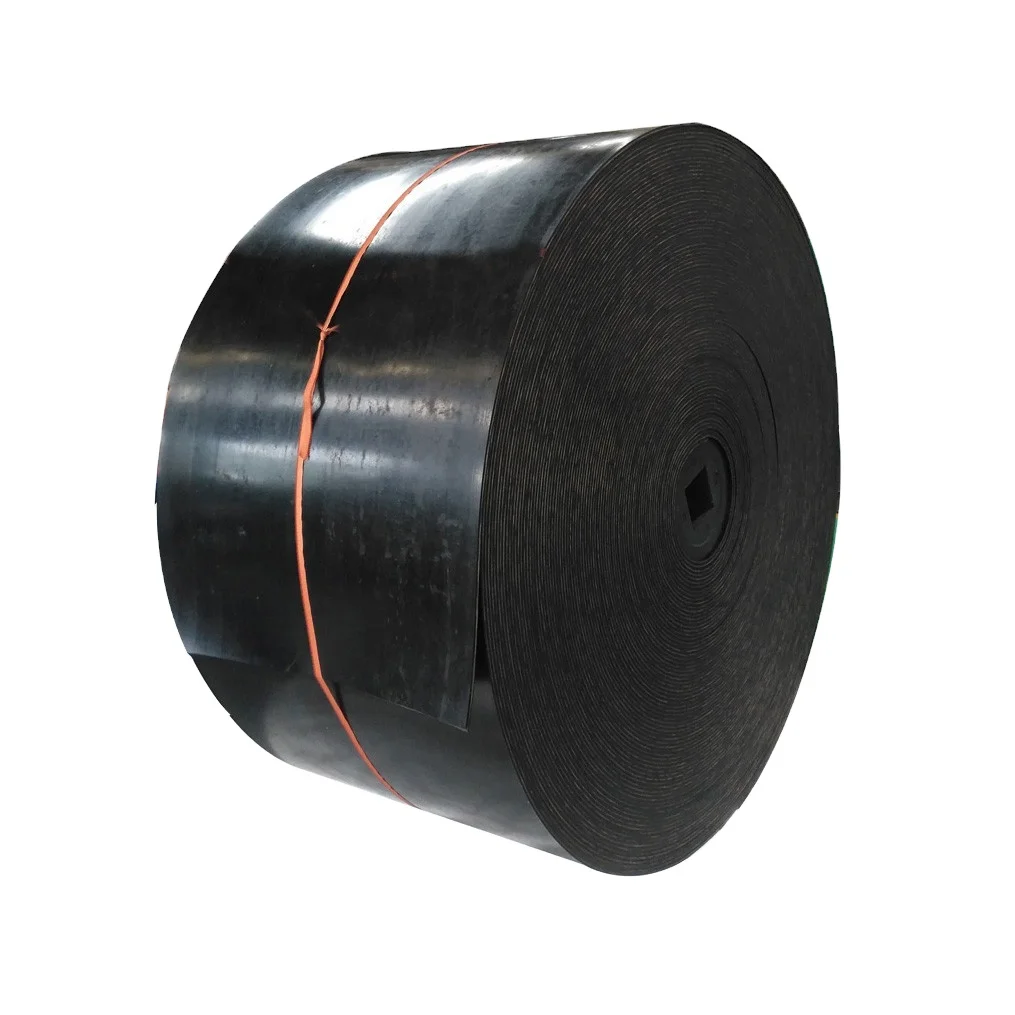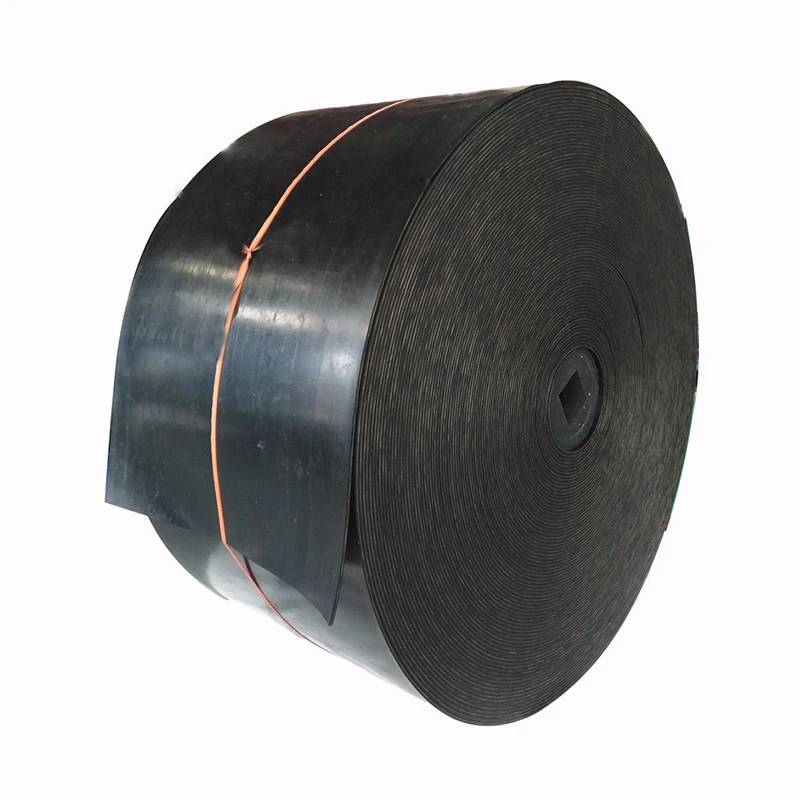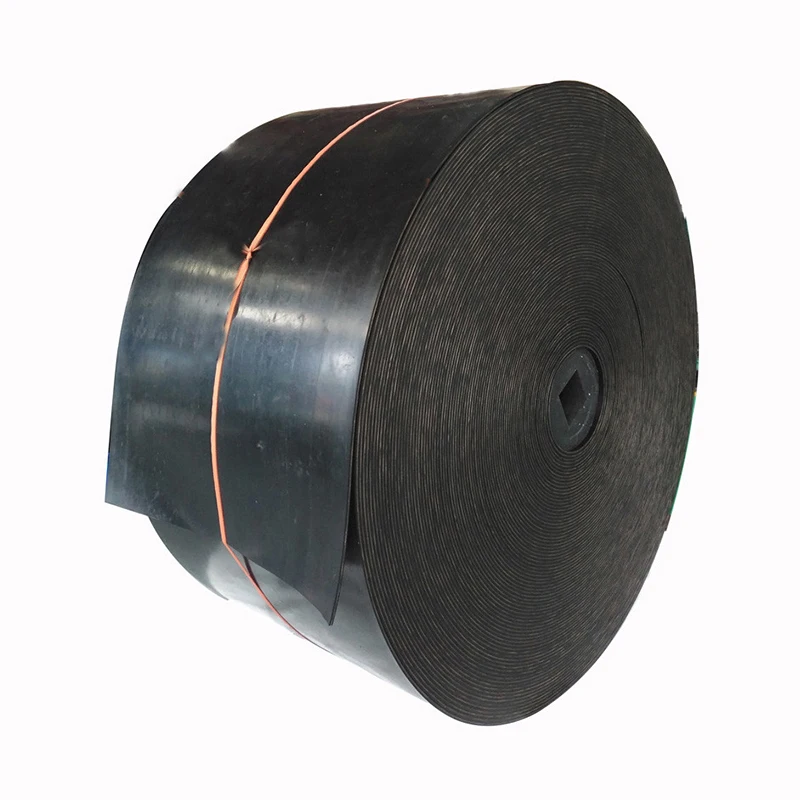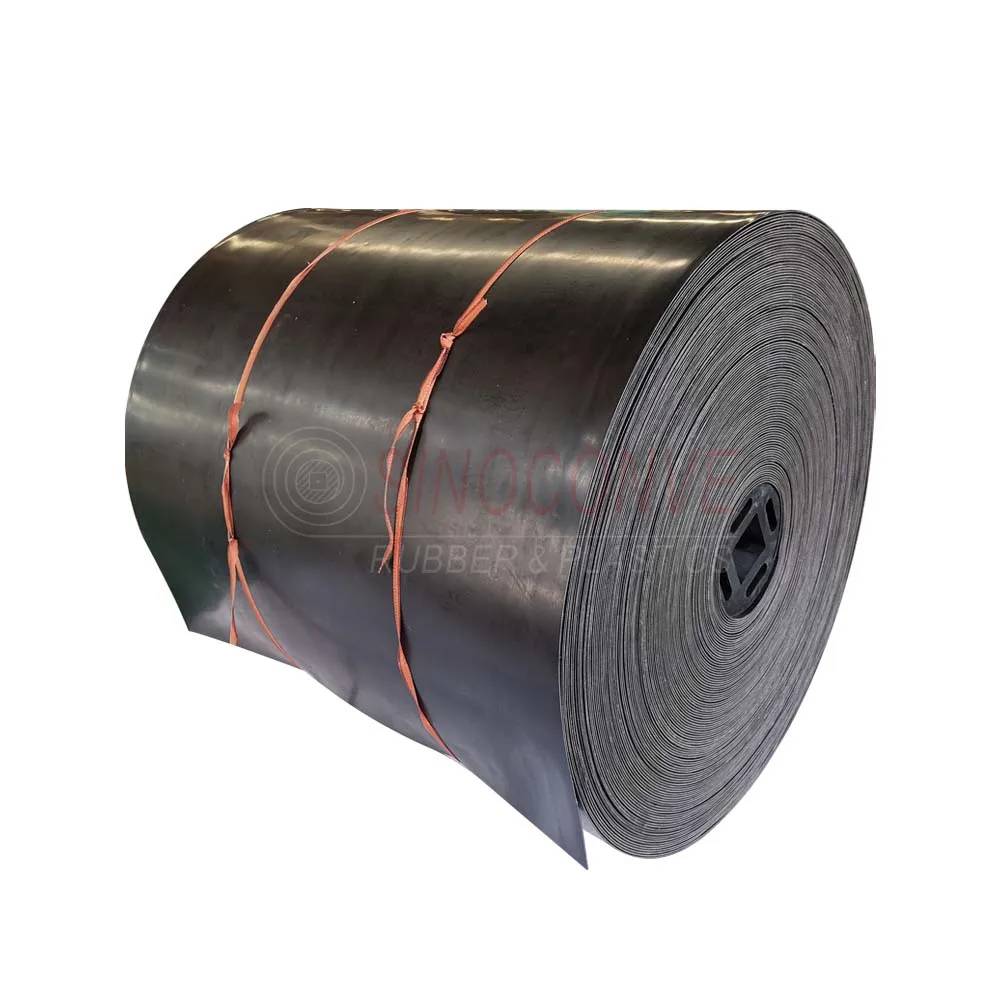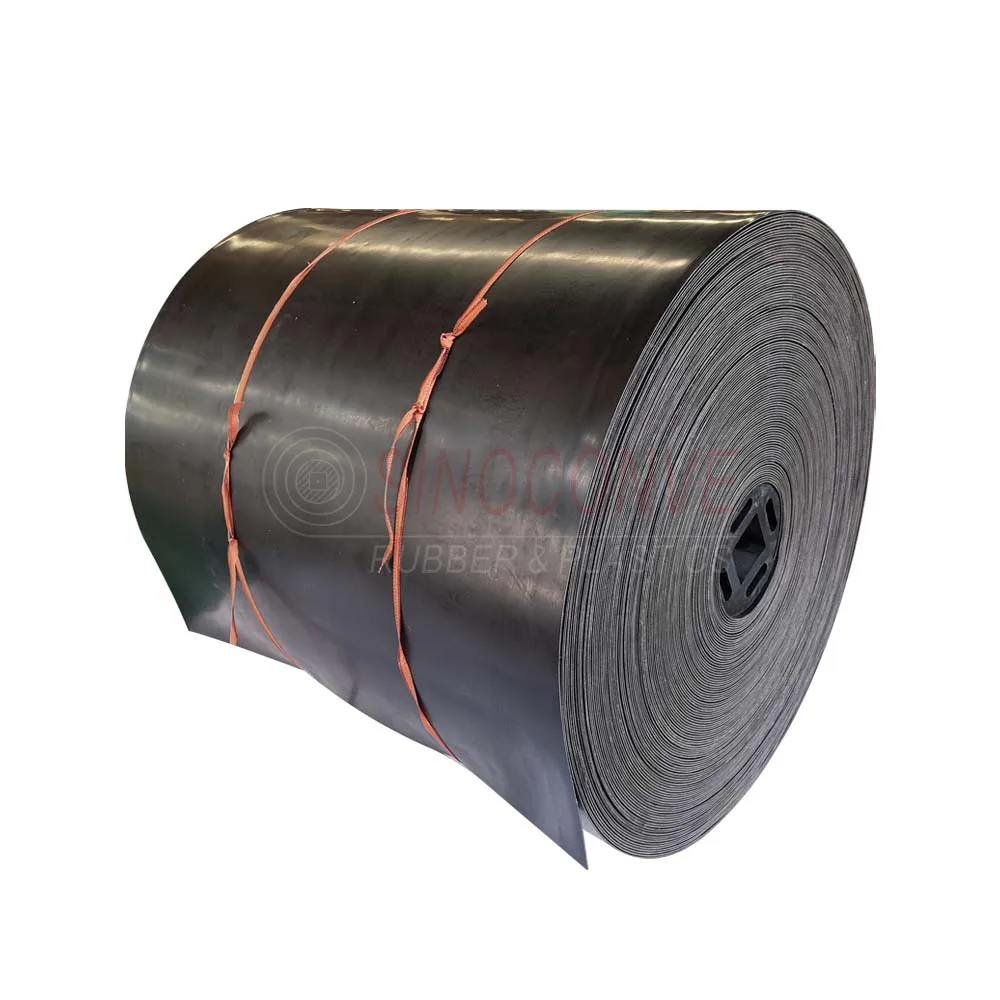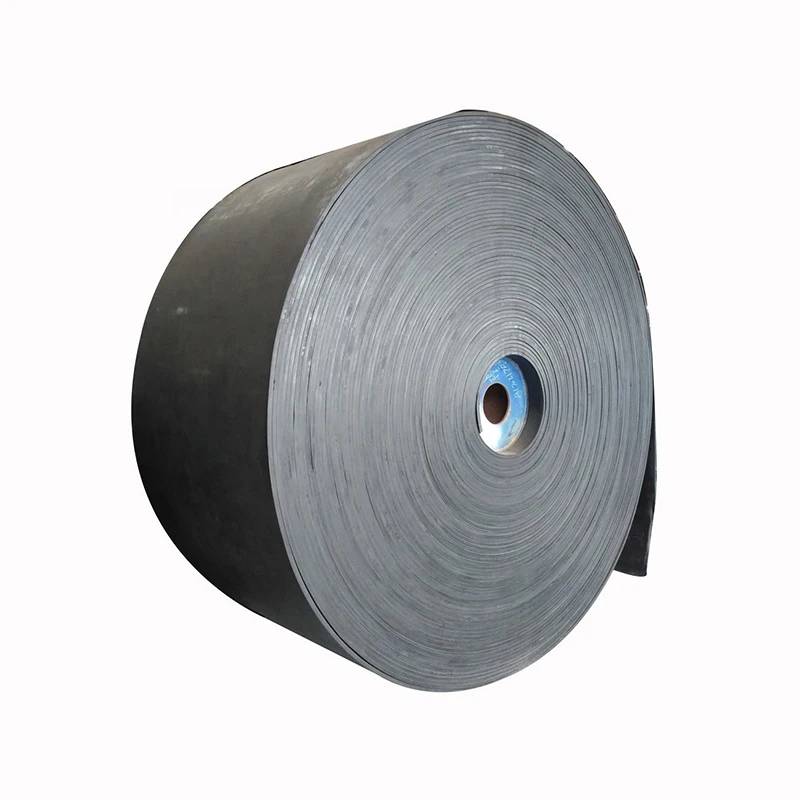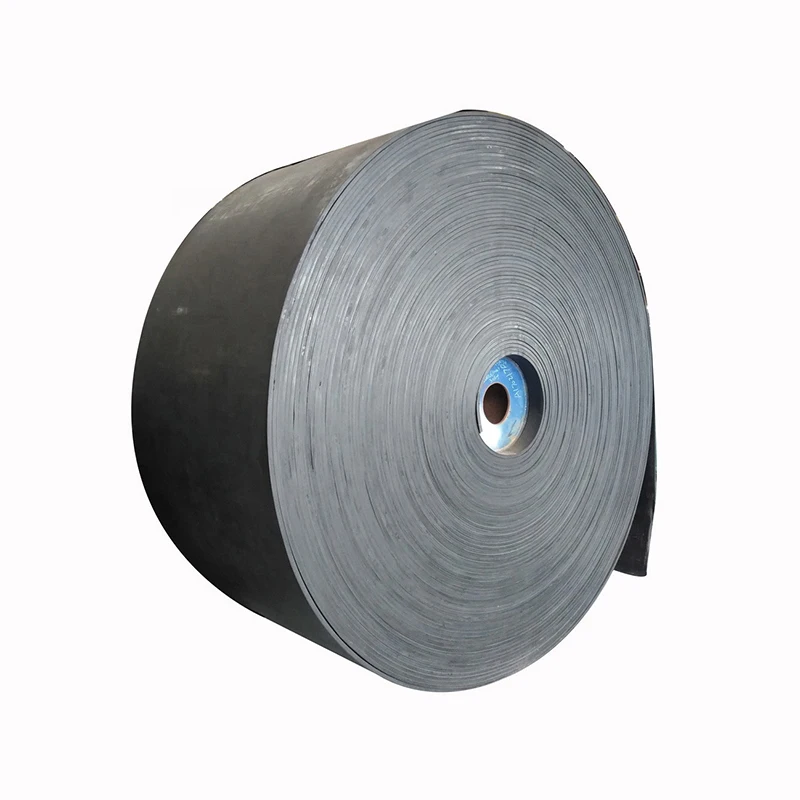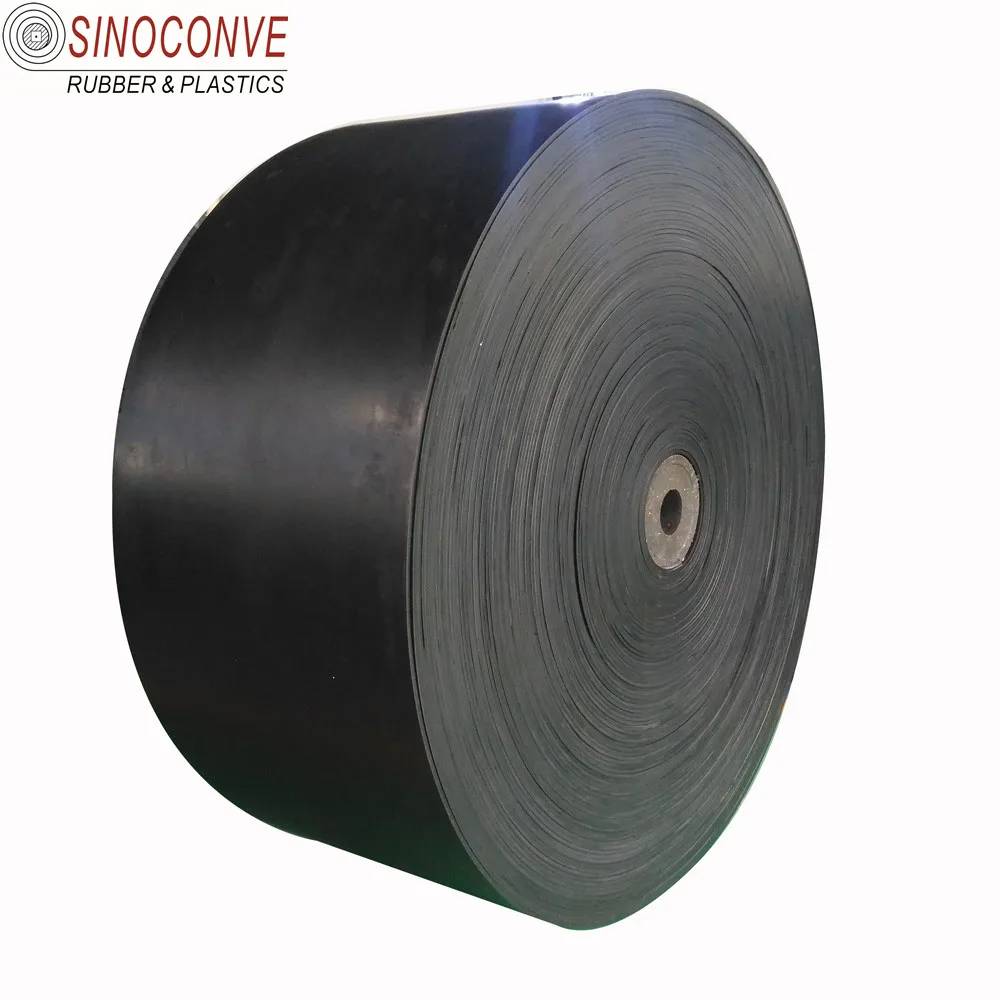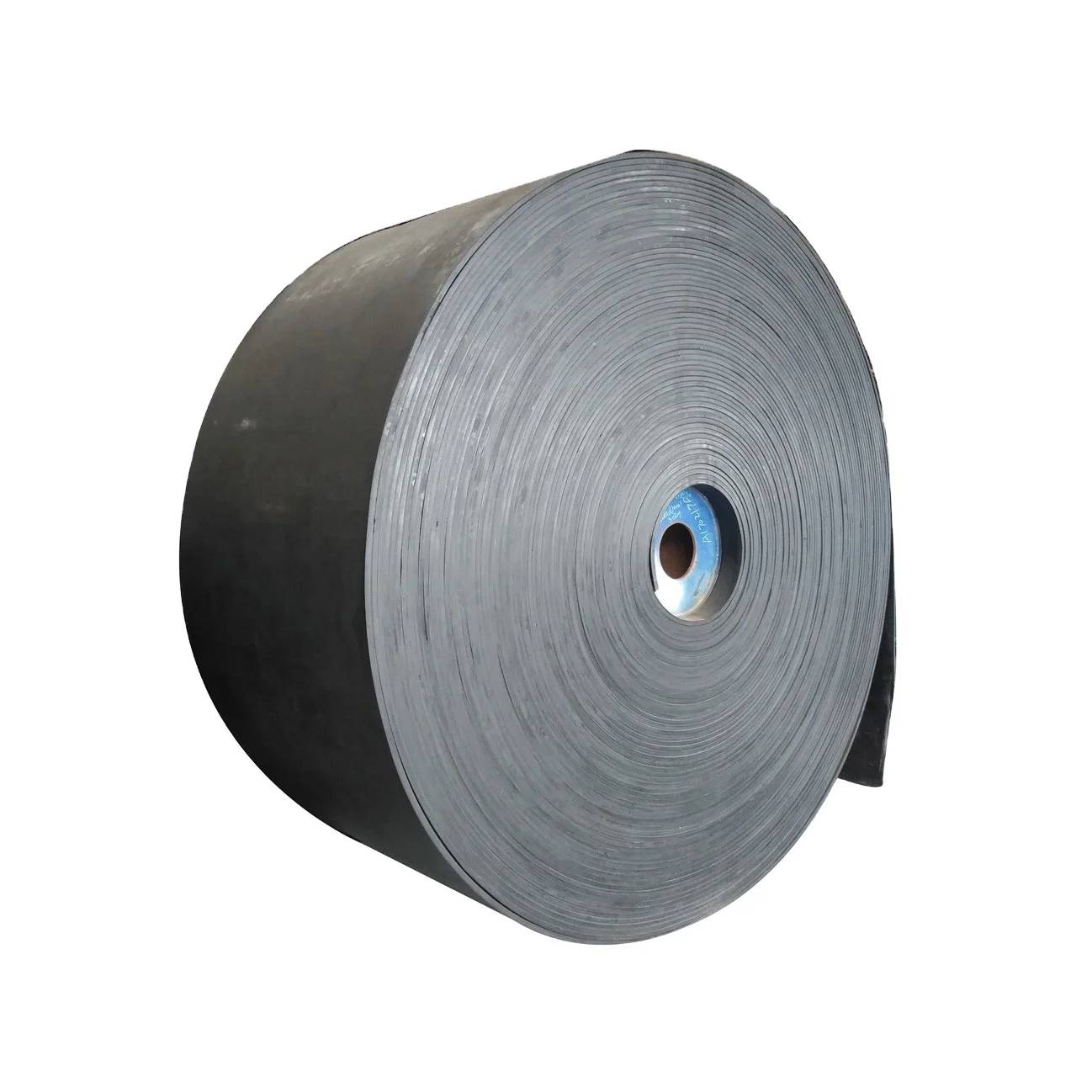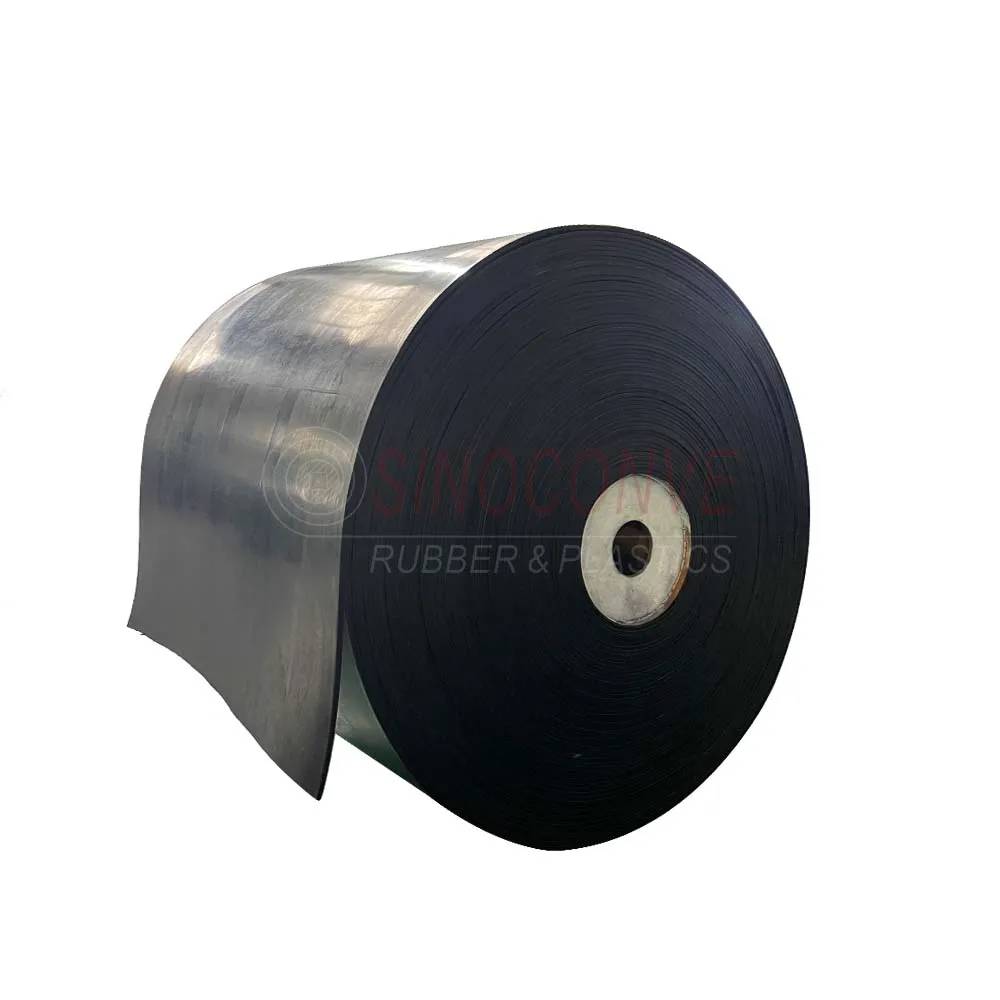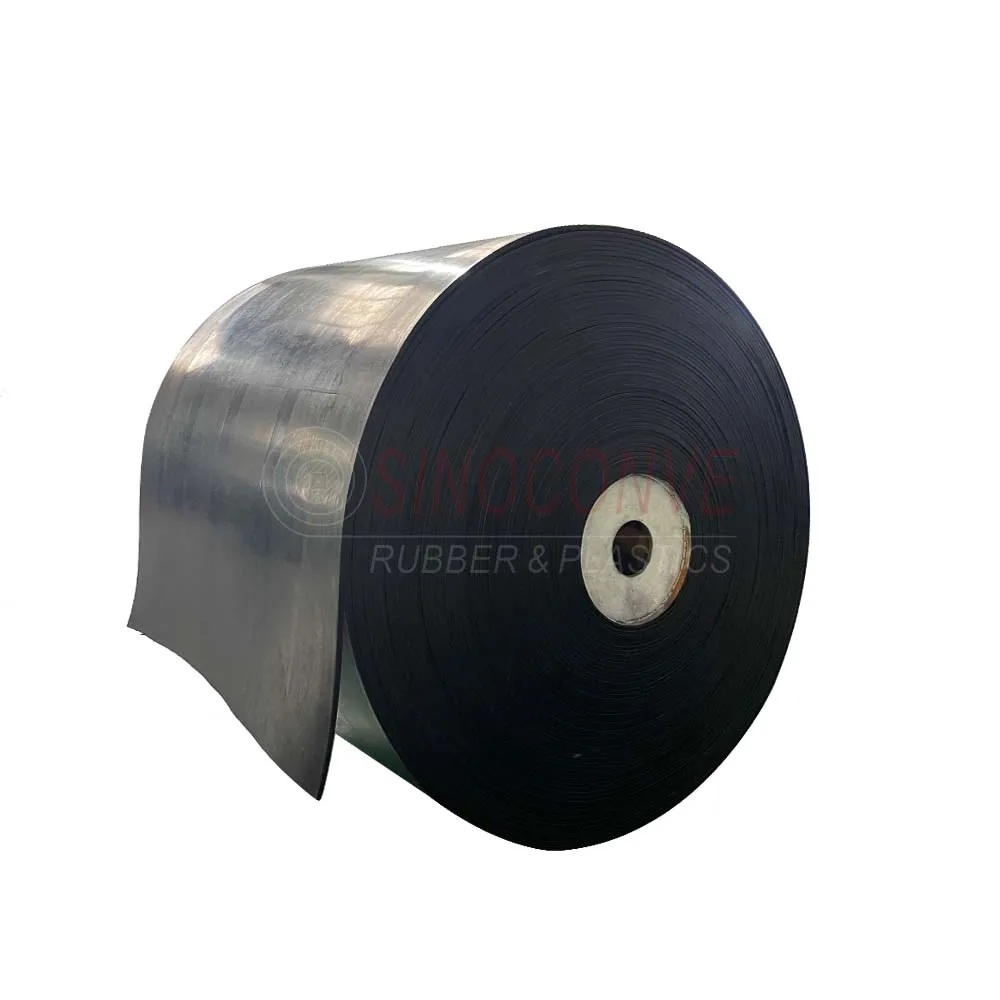


EP Rubber Mining Conveyor Belt for Quarry
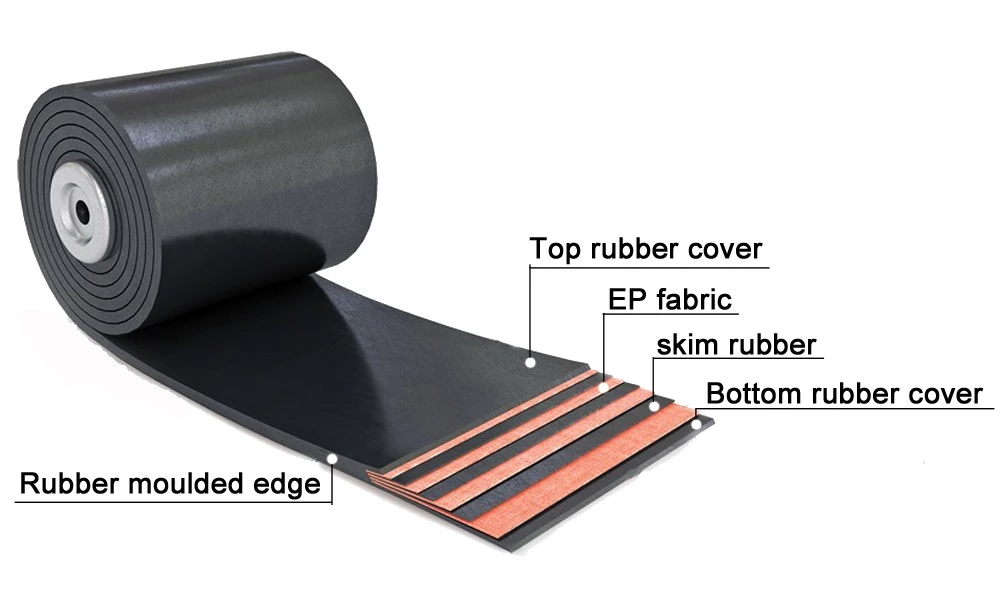
This is an EP rubber mining conveyor belt engineered for quarry applications, covering rock, crushed stone, aggregate, sand and ore transport under high-impact, abrasive operating conditions. The EP (polyester-nylon) fabric carcass combines high longitudinal tensile strength with excellent impact and flex-fatigue resistance, making it the standard carcass choice for quarry and open-pit mining conveyors worldwide.
Quarry environments place extreme demands on a conveyor belt — sharp-edged rocks at loading points, continuous abrasion along the carrying run, high belt tensions on inclined flights, and wide temperature swings outdoors. The correct belt specification depends on the lump size of the quarried material, the conveyor geometry, the loading drop height, and the ambient conditions. Send us your working conditions and our engineering team will confirm the full specification before production.
Get a faster, more accurate quote
Click Inquiry Now and include your quarried material, maximum lump size, conveyor width and length, incline angle, belt speed, and quantity. A site photo or conveyor drawing helps us respond more accurately.
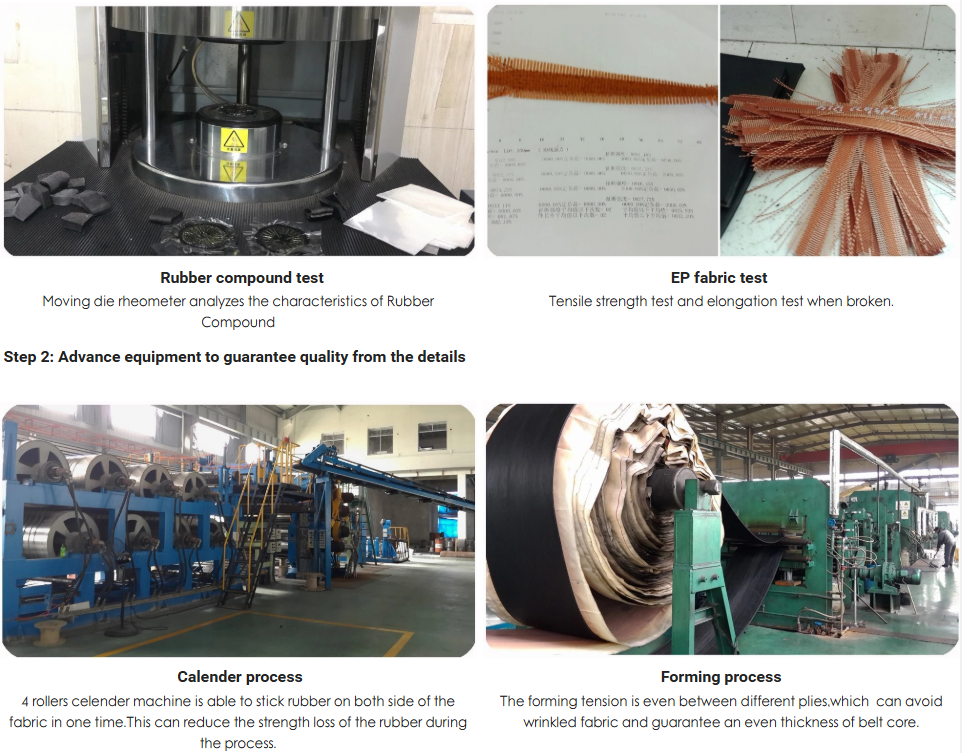
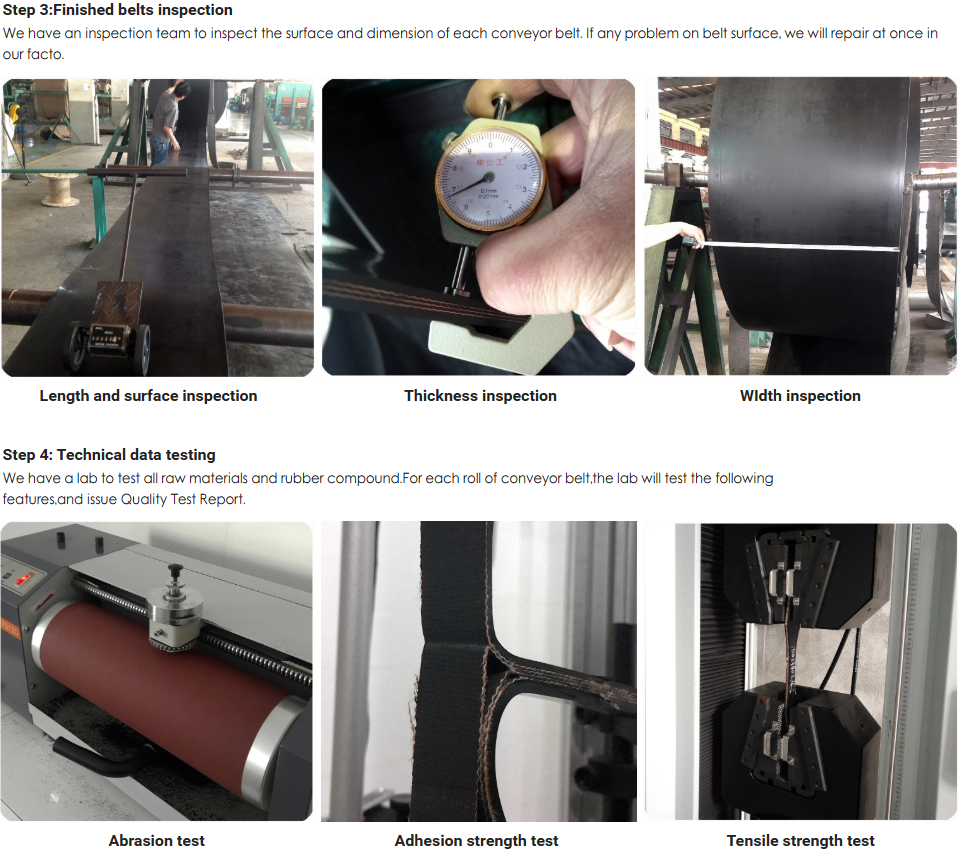
Listed product configuration
| Model | EP Rubber Mining Conveyor Belt for Quarry |
| Carcass type | EP fabric (Polyester warp / Nylon weft, multi-ply) |
| Primary application | Quarry — rock, crushed stone, aggregate, sand, ore |
| Cover compound | Abrasion-resistant (DIN Y / SANS 1173 M24 or equivalent) — confirmed to conditions |
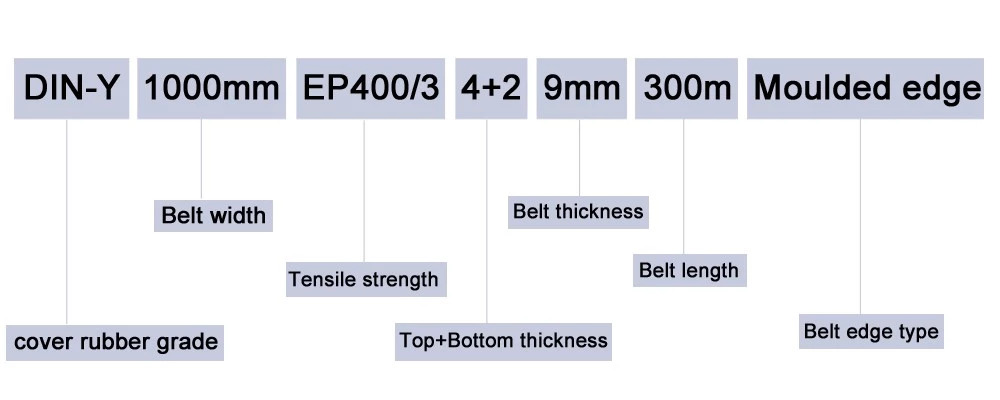
| Customization | Width, length, EP grade, ply count, cover thickness — confirmed to working conditions |
Exact width, ply count, EP grade, cover thickness, and belt length are not fixed on this listing and must be confirmed based on your conveyor system and quarry conditions before production.
Material and application note
This product is positioned for quarry mining applications using an EP fabric carcass and abrasion-resistant rubber covers. Cover compound, ply count, width, and length depend on actual quarry conditions and must be confirmed before production. No material or certification claims beyond the listed carcass type are made on this page.
Why quarry operators choose this EP mining belt
Impact resistance at loading points
Quarry loading points drop large, sharp rocks onto the belt. The multi-ply EP carcass distributes impact energy across the fabric layers, and the thick top cover absorbs the surface abrasion, extending belt life at the most vulnerable point in the conveyor system.
High tensile strength for long hauls and inclines
Quarry conveyors often span long distances or climb steep inclines. EP fabric's high tensile-strength-to-weight ratio allows fewer plies for a given belt rating compared with nylon-only (NN) belts, keeping the belt flexible on smaller-diameter pulleys while maintaining the required working tension.
Low elongation — stable take-up position
EP carcass has low permanent elongation under load, which reduces take-up travel and minimises the risk of belt sag between idlers on long conveyors — a practical advantage in large quarry installations.
Application details we check
- What material does the belt carry (granite, limestone, sandstone, coal, iron ore) and what is the maximum lump size and bulk density? These determine cover grade and ply count.
- What are the conveyor width, center-to-center length, and incline angle? These are needed to calculate belt tension and select the correct EP grade.
- What is the loading drop height and the impact energy at the chute? This guides cover thickness selection and may indicate the need for impact-grade or ripple-top covers.
- What are the drive and tail pulley diameters and the belt speed? These constrain the minimum ply count and carcass flexibility.
- What is the ambient temperature range and exposure to rain or UV? This affects cover compound selection.
- What splice method is used — mechanical clips, cold vulcanization, or hot vulcanization? Splice type influences ply count and edge treatment.
Customization discussion
Belt width (300 mm to 2400 mm+), belt length, EP grade (EP100 to EP500), ply count, cover rubber type and thickness (top/bottom), surface texture (smooth, chevron, or rough-top for inclines), and splice preparation can all be discussed. All options are confirmed against your quarry's working conditions before commitment.
Get a technical recommendation and quote
Click Inquiry Now and send your quarry conditions and quantity.
Suggested inquiry: "Please quote an EP rubber conveyor belt for our quarry — belt width [ ] mm, center-to-center length [ ] m, material [rock type], max lump size [ ] mm, incline angle [ ]°, belt speed [ ] m/s, quantity [ ] meters."
Frequently asked questions
What EP grade is right for a quarry conveyor?
The correct EP grade depends on the required belt strength, which is a function of material weight, belt width, belt speed, and the longest conveyor flight. Common quarry grades range from EP200 to EP400. Share your conveyor data and we will calculate and recommend the appropriate grade.
How thick should the top cover be for rock conveying?
For hard, sharp rock such as granite or basalt, top cover thickness is typically 6–12 mm depending on the drop height and loading frequency. We will recommend a cover thickness based on your specific impact and abrasion conditions.
Can I get a rough-top or chevron cover for an inclined quarry conveyor?
Yes. Rough-top and chevron patterns are available for inclined conveyors where material hold-back is required. Confirm the incline angle and material characteristics when you send your inquiry.
How do I submit an inquiry?
Use the Inquiry Now link on this page to open our contact page at https://sinoconve.com/contact-us, and include your conveyor dimensions, material type, and quantity.