
Ribbed Belts Demystified: PH and PK Types for Compact and High-Speed Drives
What Is a Ribbed Belt?
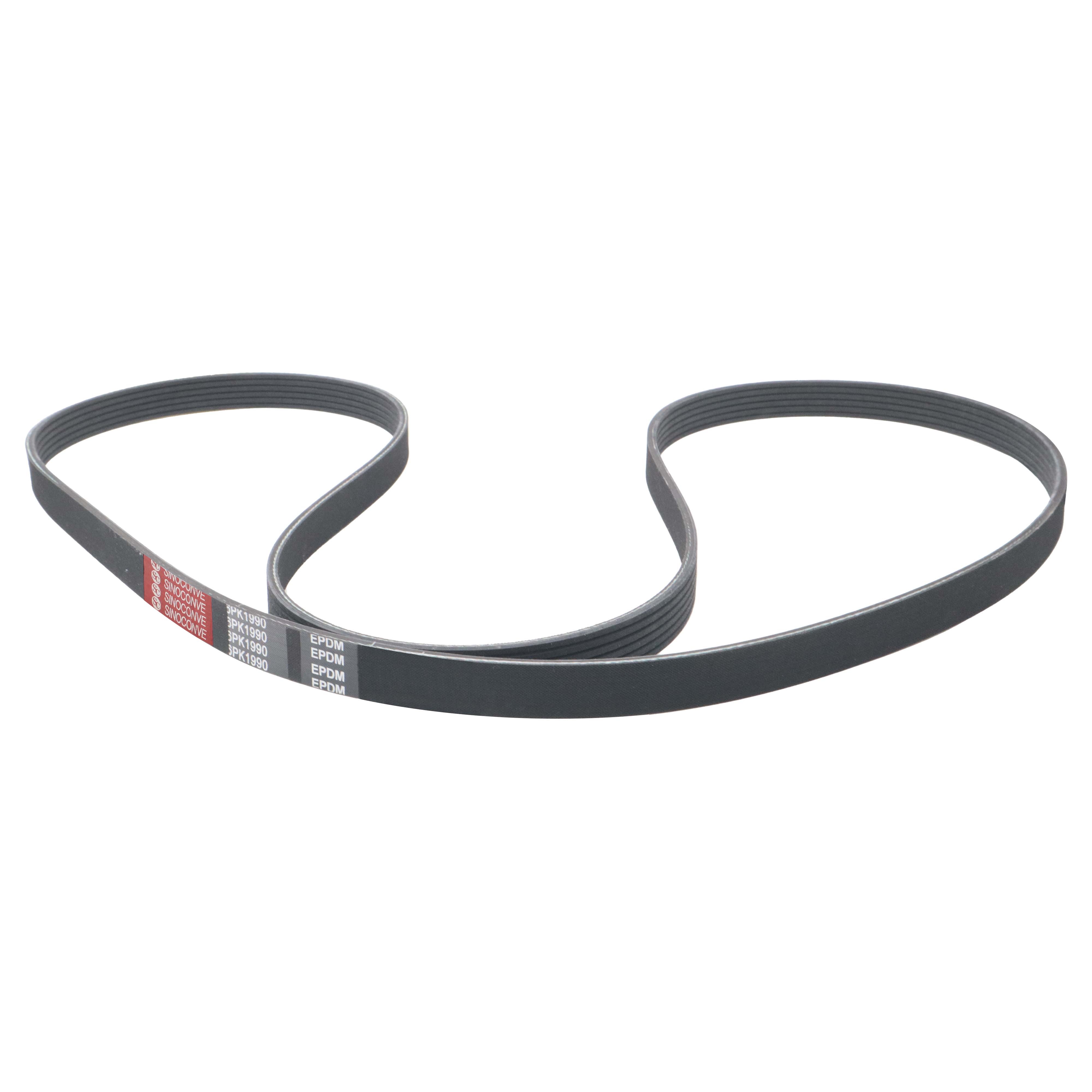
A ribbed belt, also known as a multi-ribbed belt or poly-V belt, is a flexible power transmission belt that features multiple longitudinal ribs running along its inner surface. These ribs mesh with matching grooves on pulleys, allowing high-speed, slip-free performance in compact spaces.
Unlike traditional V-belts, ribbed belts distribute the load across multiple ribs, improving grip and reducing belt tension. They are widely used in motors, HVAC systems, washing machines, printing machines, and automotive engines.
PH Belt Typical Applications
PH belts are ideal for compact, lightweight, and precision equipment where belt thickness and quiet operation are critical. They are widely used in:
-
Medical equipment: Laboratory centrifuges, analyzers, dental chairs, and diagnostic systems
-
Office automation: Copiers, printers, fax machines, scanners, laminators
-
Consumer electronics: Vending machines, gaming consoles, small air purifiers
-
Power tools: Electric drills, grinders, compact woodworking equipment
-
Robotics & automation lines: Pick-and-place arms, mini linear actuators, testing platforms
-
Home appliances: Washing machines, dryers, compact fans, and humidifiers
-
3D printers: Drive axes with low torque and high speed requirements
These applications value flexibility, low noise, and minimal vibration, making PH belts the preferred choice over traditional round or flat belts.
PK Belt Typical Applications
PK belts are essential in high-load and multi-function drive systems where durability and torque transfer are more important than compactness. They are standard in:
-
Automotive engines: Serpentine drive systems powering alternators, power steering, water pumps, AC compressors, and cooling fans
-
Agricultural machinery: Harvesters, balers, irrigation pumps, tractors
-
HVAC & industrial blowers: Ventilation fans, air handling units, belt-driven compressors
-
Construction machinery: Concrete mixers, generators, compressors
-
Packaging machinery: High-speed belt-fed labelers, carton sealers, and fillers
-
Food processing lines: High-speed washing/sorting stations with drive rollers
-
Elevators & lifts: Gearless traction drives with ribbed configurations
In these use cases, oil resistance, anti-vibration, and long service life under dynamic tension are key to preventing breakdowns.
PH vs PK Belt: Quick Comparison
| Feature | PH Belt | PK Belt |
|---|---|---|
| Pitch | 1.6 mm | 3.56 mm |
| Use Case | Compact, precision motors | Automotive, industrial |
| Flexibility | Very high | Moderate |
| Power Capacity | Light-duty | Medium to heavy-duty |
| Operating Speed | High | High |
| Noise | Ultra-quiet | Low |
How to Select the Right Ribbed Belt
Selecting the right ribbed belt is not only about dimension matching—it’s about performance fit. Here are five critical factors to consider during your selection:
1. Torque Load and Power Demand
-
For low-torque, fast-running systems, PH belts are ideal due to their flexibility and minimal backlash.
-
For medium to high torque drives (e.g., automotive engines or compressors), choose PK belts with deeper ribs and greater contact surface area.
-
Over-specifying can waste energy; under-specifying causes belt slipping, noise, or early failure.
2. Pulley Compatibility
-
Match rib pitch (spacing) and number of ribs to your pulley specification (e.g., 4PK, 6PK, 9PK, or 120PH).
-
For multi-ribbed drives, confirm groove depth and pulley material compatibility (steel vs aluminum vs plastic).
-
If upgrading old flat belts, check if your pulleys need retrofit or re-machining.
3. Drive Environment
-
In hot or oily environments, such as engine bays or kitchens, go for PK belts with heat- and oil-resistant rubber (EPDM or CR compound).
-
In cleanroom or medical settings, PH belts with anti-static or FDA-grade materials ensure hygiene and safety.
-
For outdoor or dusty conditions, consider closed-flank or dust-resistant belt designs.
4. Space Constraints and Layout
-
Tight pulley spacing? → Use PH belts with short center distances.
-
Vertical tensioners? → Prefer PK belts with high back-flex resistance.
-
Complex serpentine routing? → Ensure belt flexibility and tension uniformity over all contact points.
5. Expected Duty Cycle and Maintenance Access
-
For systems that run 24/7 (e.g., HVAC, packaging lines), prioritize long-life belts with low elongation and certified fatigue resistance.
-
If frequent belt replacement is expected (e.g., rental machinery, R&D setups), use standard pitch and length belts for easy sourcing and low cost.
Why Choose Sinoconve Ribbed Belts?
Sinoconve offers full-spectrum ribbed belt solutions, including:
-
Standard PH, PJ, PK, PL series
-
Customized belt length, thickness, and compound
-
Wear-resistant, anti-static, and oil-proof options
-
In-house tension and durability testing
-
OEM/ODM for appliance, auto, and equipment brands
All belts comply with international pitch and rib geometry standards to ensure system compatibility.
Ready to Optimize Your Drive System?
Whether you need a compact high-speed PH belt or a rugged PK belt for engine-level torque, choosing the right ribbed belt is the key to reliable, efficient operation.
📩 Contact our technical team via the Sinoconve homepage or contact us directly for tailored belt solutions.