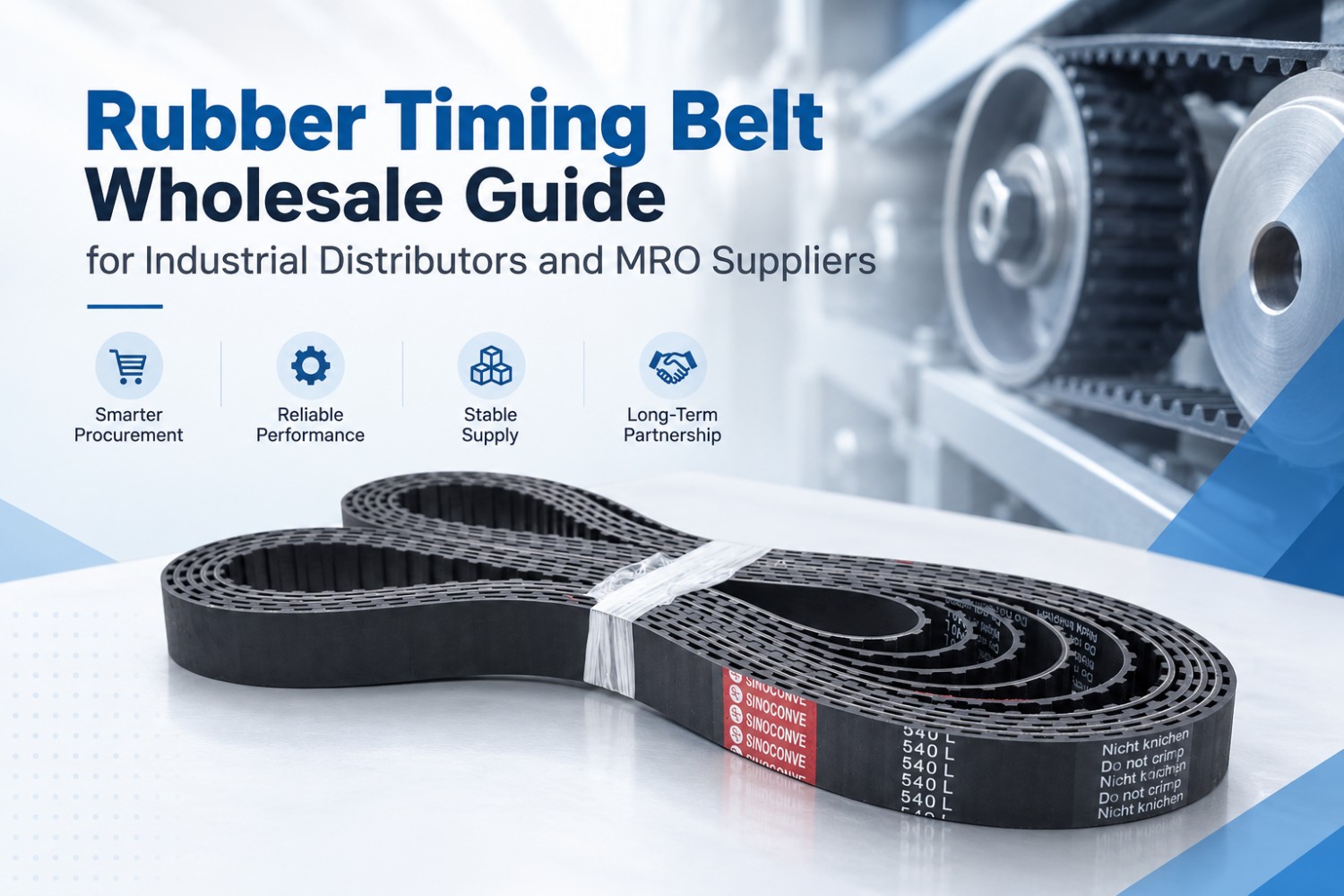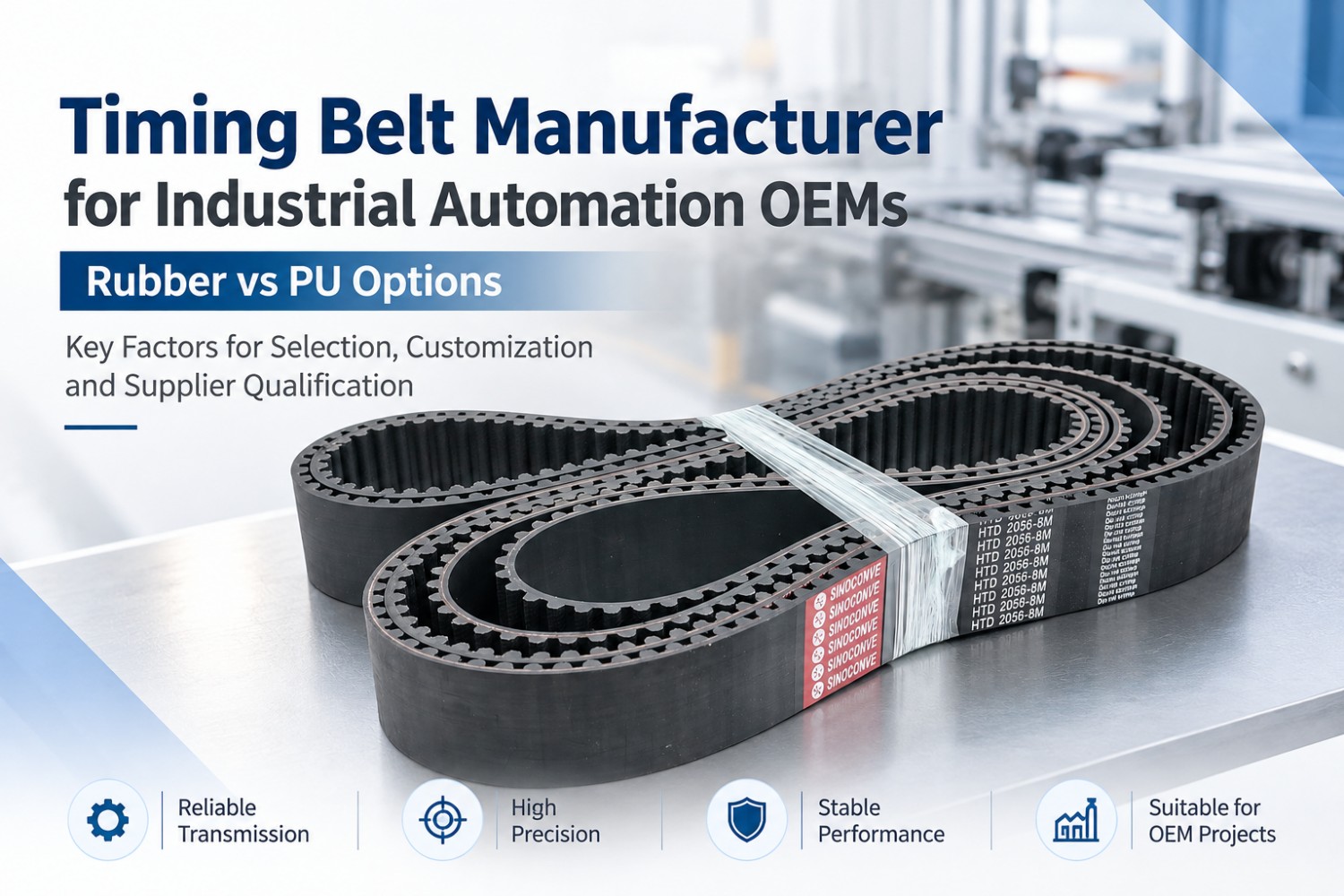

Rubber timing belt Application is a crucial aspect of modern industrial machinery, where precision and reliability are paramount. This technology plays a vital role in synchronizing mechanical operations, ensuring that systems run smoothly and efficiently. Take the SINOCONVE 430H synchronous conveyor belt, for instance, which exemplifies how rubber timing belts enhance performance across various sectors. By integrating high-grade materials and innovative design, these belts minimize slippage and maximize grip, making them indispensable in environments that demand exact timing and durability.
Exploring Key Applications in Industry
One of the primary rubber timing belt applications lies in automotive manufacturing, where they drive engine components with impeccable accuracy. The SINOCONVE 430H, with its textured surface, is engineered to handle high-speed operations, reducing the risk of breakdowns and extending the lifespan of machinery. In conveyor systems, rubber timing belts facilitate the seamless movement of goods, boosting productivity in warehouses and assembly lines. Their adaptability makes them ideal for robotics and packaging equipment, where precise synchronization prevents errors and enhances output. By choosing a superior rubber timing belt like the SINOCONVE 430H, businesses can achieve operational excellence and stay ahead in competitive markets.
The Advantages of Durability and Efficiency
When it comes to durability, rubber timing belts offer unmatched resistance to wear and corrosive elements, making them a smart investment for long-term use. The SINOCONVE 430H stands out with its dynamic tensile strength, which supports heavy-duty tasks while minimizing maintenance needs. This not only cuts down on downtime but also lowers operational costs, allowing companies to focus on growth rather than repairs. Additionally, the belt's compact design ensures easy integration into existing systems, promoting flexibility without compromising performance. In an era where efficiency drives success, opting for a high-quality rubber timing belt can transform your operations into a model of reliability and innovation.
Why Invest in Advanced Rubber Timing Belt Solutions
Investing in advanced rubber timing belt technology, such as the SINOCONVE 430H, means embracing a future of enhanced productivity and reduced environmental impact. These belts are designed with precision-engineered edges that provide consistent motion, making them perfect for applications in food processing and textile manufacturing. Their superb grip and endurance ensure that even in demanding conditions, performance remains top-notch. Don't settle for subpar alternatives that could lead to costly failures—choose the SINOCONVE 430H to experience unrivaled reliability and efficiency. By making this switch, you'll not only optimize your machinery but also demonstrate a commitment to quality that resonates with customers and partners alike. In conclusion, the versatility and strength of rubber timing belts make them an essential component for any forward-thinking business, driving success one synchronized operation at a time.