
Introduction to Timing Belts
When it comes to mechanical solutions, timing belts play a crucial role in synchronizing the movement in machinery, ensuring precise operation, and maintaining efficiency. Two popular types of timing belts are polyurethane (PU) timing belts and rubber timing belts. While both types serve the fundamental purpose of transferring motion and force, their differences in material composition lead to distinct performance characteristics and applications.
PU Timing Belt: Durability and Efficiency
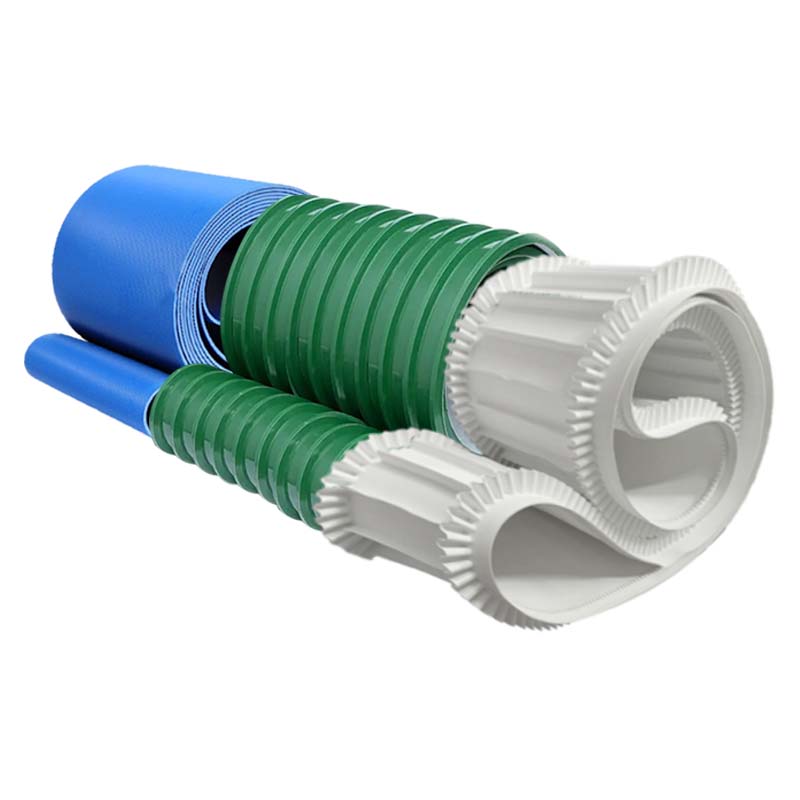
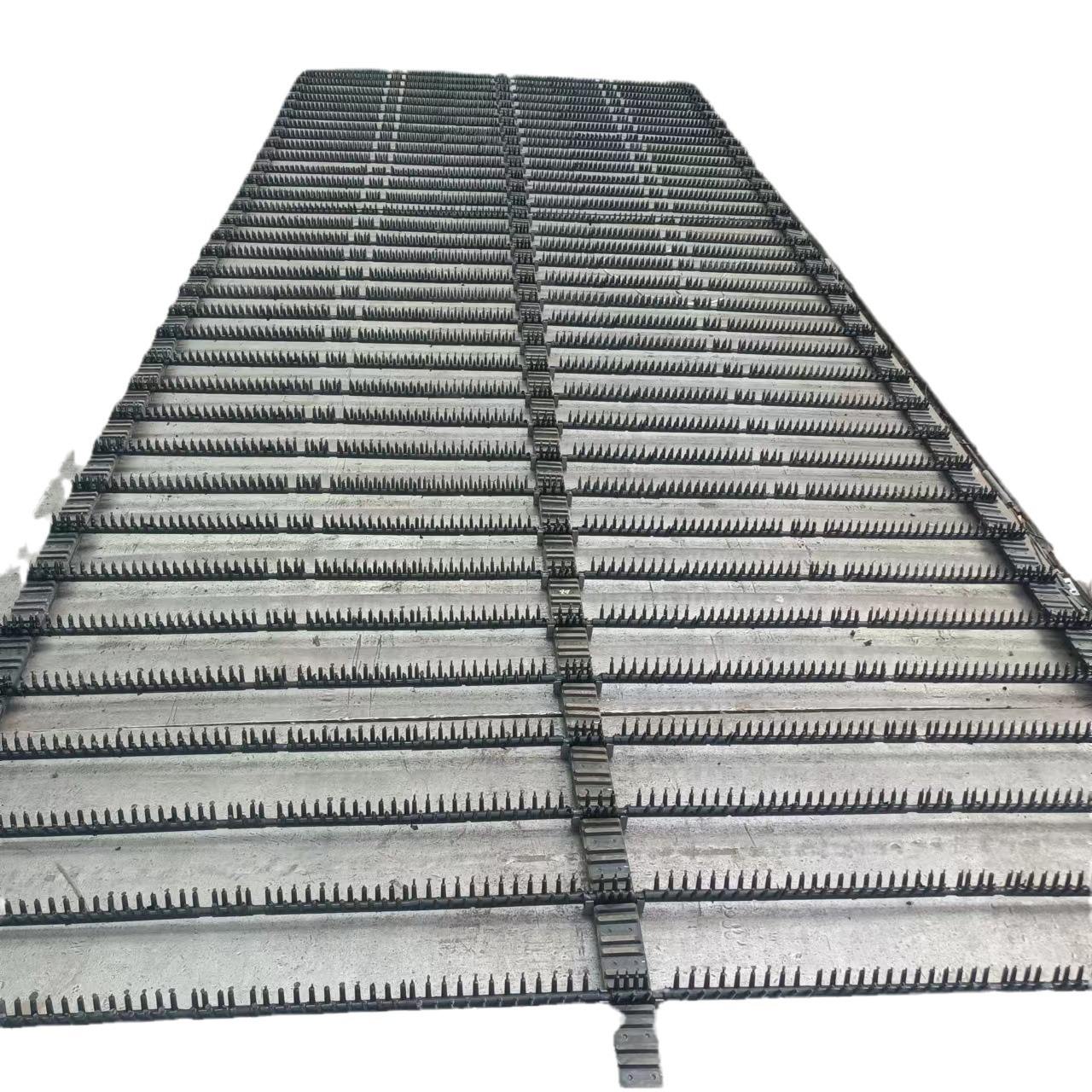
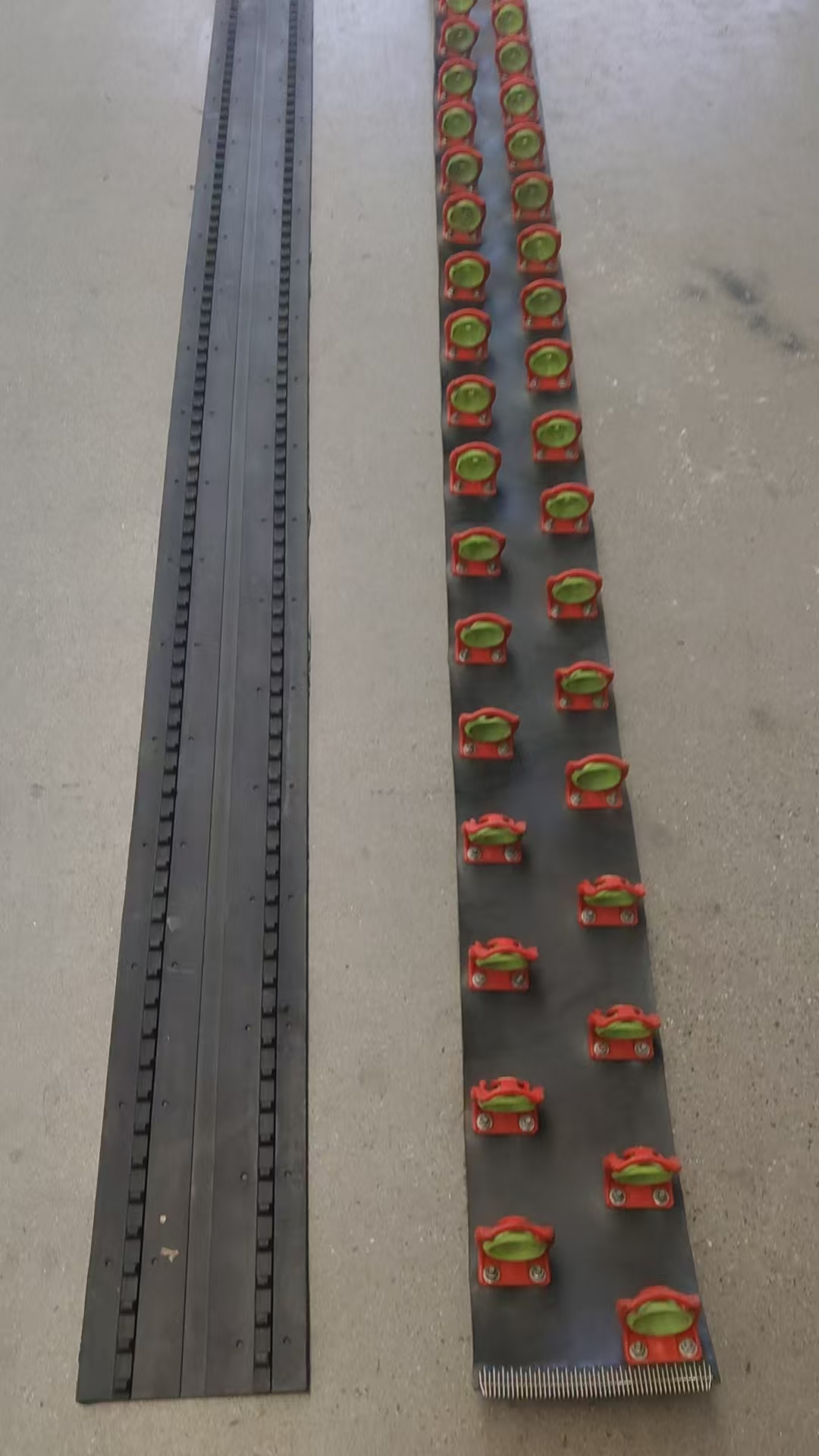
Polyurethane timing belts, such as those offered by SINOCONVE, are renowned for their superior durability and efficiency in contemporary industrial use. These belts are crafted with precision-engineered polyurethane, making them resistant to wear and tear, oil, and UV rays. Their resilience makes them ideal for high-speed automotive and industrial applications demanding extreme resilience and exact timing. The Black Timing Belt, for instance, features precision-molded teeth for perfect synchrony, while the Green-Ridge Power Belt highlights a vibrant design for enhanced grip and shock absorption, catering to conveyance systems. Moreover, the Versatile White Belt accommodates heavy-duty applications with its robust architecture, flexibly handling temperature fluctuations and resisting abrasions across varied sectors.
Rubber Timing Belt: Versatility and Tradition
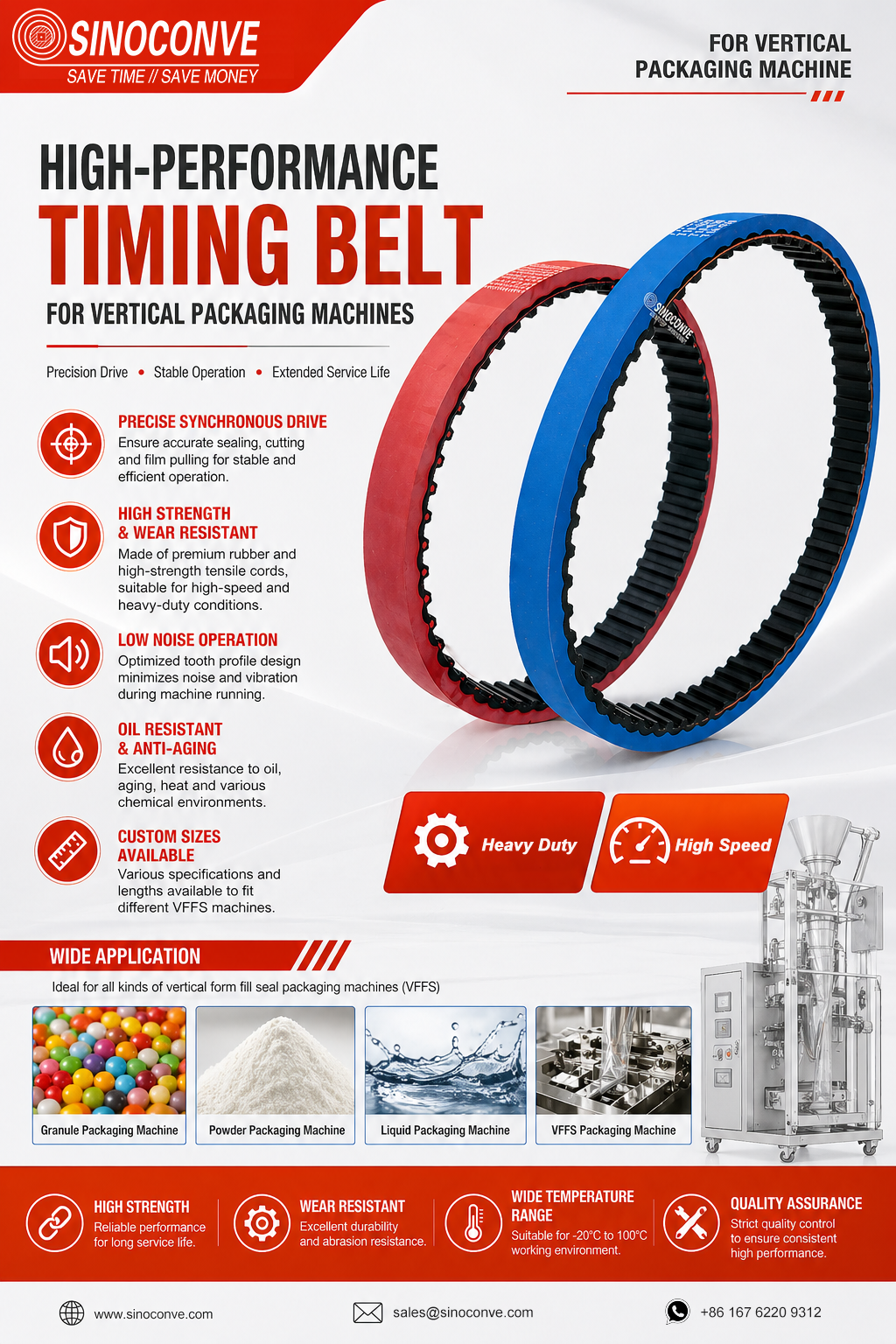
Rubber timing belts, like the SINOCONVE 430H Timing Belt, emphasize strength and reliability. They are crafted from specially formulated rubber compounds, reinforced with fiberglass cords to resist stretching and deformation commonly associated with other belt models. These traditional belts provide smooth, silent operation, minimizing vibrations and noise, essential for environments requiring precision. Rubber timing belts tend to be more adaptable in diverse industries, capable of enduring extreme temperatures and harsh conditions, remaining a timeless choice for power transmission in automotive and industrial machinery.
Comparison and Conclusion
Comparing PU timing belts with rubber timing belts highlights the advancements in material technology that contribute to their performance. While PU timing belts boast superior durability and efficiency due to their resistance to external factors, rubber timing belts maintain a strong presence due to their versatile adaptability and silent operations. Choosing the right belt depends on specific operational demands and environmental conditions. For high-resilience and modern applications, PU timing belts may be the optimal choice, whereas rubber timing belts remain a reliable option for traditional power transmission needs.
Ensuring your machinery's optimal performance involves not just understanding the material differences but also how these timing belts integrate into the broader landscape of industrial mechanical solutions. As innovations continue to emerge, such advanced products like the SINOCONVE 430H Timing Belt represent a merging of tradition with contemporary technology, reinforcing the commitment to precision and efficiency in modern industry. With both types of timing belts offering unique advantages, selecting the best suited to your project demands becomes crucial in achieving desired outcomes in mechanical applications.