
Rubber that has not been vulcanized is not particularly useful industrially. It deforms under load, degrades quickly with heat or UV exposure, and lacks the elasticity that makes rubber valuable in the first place. The vulcanizing machine is what changes that — applying controlled heat and pressure to trigger the chemical crosslinking between rubber polymer chains that produces a durable, elastic, and stable material.
For conveyor belt manufacturing and repair, vulcanizing machines are central to both production and field maintenance. A poorly executed vulcanization — wrong temperature, insufficient pressure, incorrect cure time — shows up later as a weak splice, delamination, or premature belt failure. Understanding how these machines work and what to watch for during operation reduces those outcomes.
01What a Vulcanizing Machine Actually Does
The core function is straightforward: the machine clamps the rubber assembly between heated platens and holds it at a defined temperature and pressure for a defined cure time. The heat activates the curing agent — typically sulfur-based — which forms the molecular bridges between polymer chains. Pressure keeps the assembly in contact and prevents void formation during cure.
What varies between machine types is how heat is generated and distributed, how pressure is applied and maintained, and how precisely the operator can control those parameters. Those differences matter in practice. A machine with uneven platen temperature produces a splice with inconsistent cure across its width — strong in some areas, undercured in others. A pressure system that bleeds down during cure leaves voids that only become visible when the splice fails under load.
Temperature range, platen size, pressure capacity, and control system precision are the four variables that determine whether a vulcanizing machine is suited to a particular application.

02Modern Features Worth Understanding
Heating element design has improved significantly in machines built for industrial conveyor belt work. High thermal conductivity materials — copper elements in some designs — distribute heat more evenly across the platen surface than older resistance wire arrangements. Even heat distribution is not a comfort feature; it is what determines whether the edges of a wide splice cure at the same rate as the center.
Digital control units have replaced manual timer and thermostat arrangements on most current-generation vulcanizing machines. The practical benefit is repeatability. An operator can store cure profiles for different belt compounds and thicknesses, recall them for repeat jobs, and run the same splice parameters consistently across shifts and operators. Manual systems depend on operator attention and experience in ways that introduce variability.
Modular construction in portable vulcanizing machines allows the platen length to be extended or reconfigured to match different belt widths. In conveyor belt repair applications — particularly in mining and bulk handling where belts can exceed 2,000 mm width — the ability to match machine size to belt size without owning multiple fixed-platen machines has operational value.
Pressure monitoring and compensation is a feature that separates industrial-grade vulcanizing machines from simpler designs. Bladder or hydraulic pressure systems that actively maintain set pressure throughout the cure cycle — rather than applying pressure at the start and leaving it — produce more consistent results, particularly on longer cure cycles where temperature changes affect pressure.
03Operating Considerations That Affect Cure Quality
Setup before the cure starts determines most of the outcome. The splice or repair area needs to be properly prepared — buffed, cleaned, and built up with uncured rubber to the correct thickness — before the vulcanizing machine closes. No amount of precise temperature control recovers a splice that was built incorrectly.
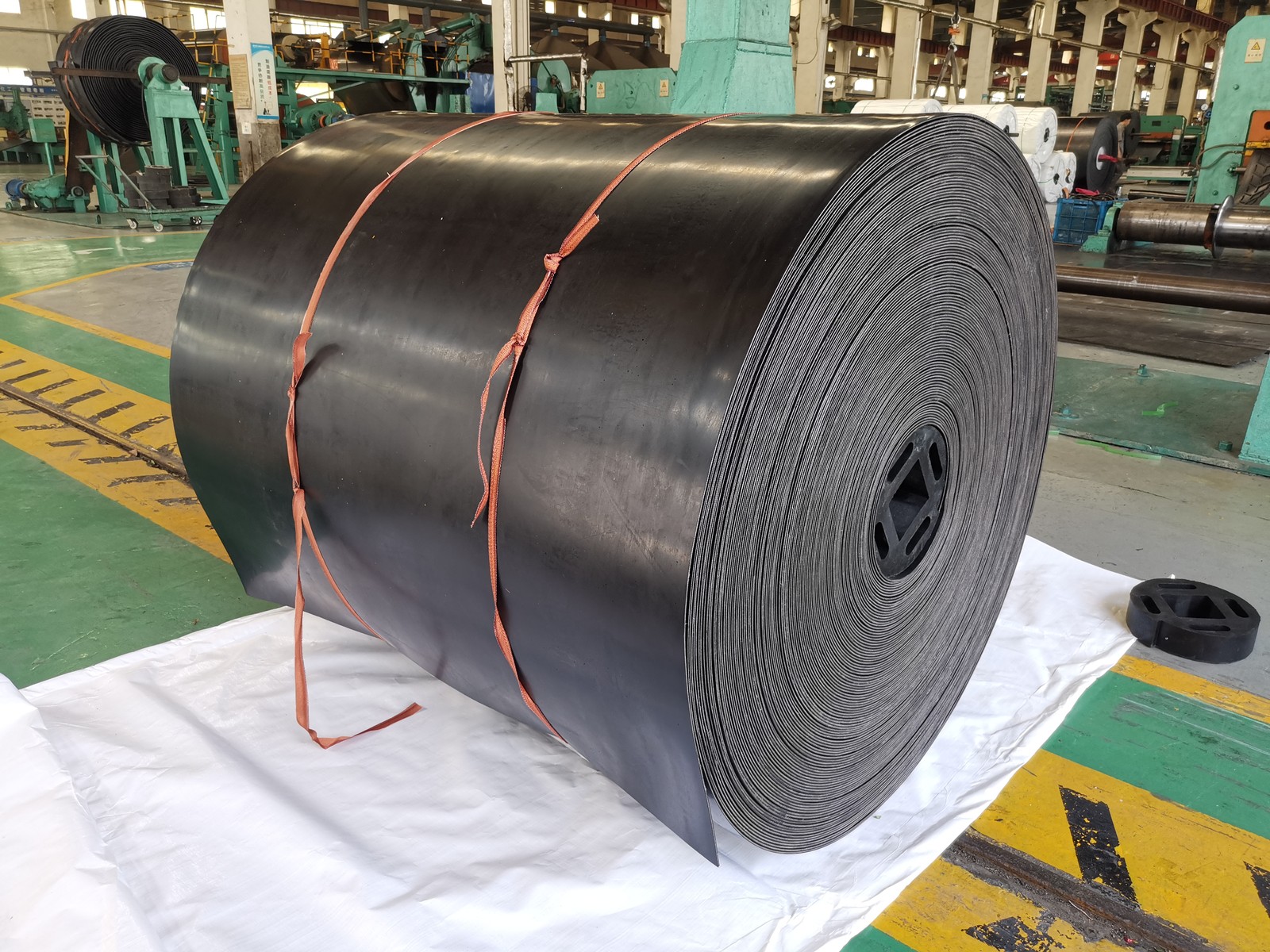
Temperature calibration matters more than the display suggests. The set temperature on the control unit is the platen surface temperature, not the temperature at the center of the rubber assembly. Thick belt constructions require longer cure times because heat transfer through rubber is slow. Using the cure time specified for a thin belt on a thick multi-ply construction produces an undercured center even when surface temperature looks correct.
Pressure application timing is another variable operators sometimes underestimate. Most cure specifications require pressure to be applied before temperature reaches the set point — if pressure is applied late, the rubber begins to flow before it is contained, which creates edge squeeze-out and uneven thickness across the splice.
Cooling under pressure is the final step that many field repair operations rush. Removing pressure while the splice is still above approximately 60 to 70 degrees allows the rubber to distort before it has set dimensionally. The correct procedure is to maintain pressure until the assembly has cooled to that threshold, which takes longer on thick belts than on thin ones.
04Maintenance and Machine Condition
A vulcanizing machine that is not maintained produces inconsistent results that are difficult to diagnose. Platen surfaces that have accumulated rubber residue from previous cures create uneven contact and heat transfer. Heating element degradation produces hot and cold spots across the platen. Pressure system leaks cause gradual pressure loss during long cure cycles.
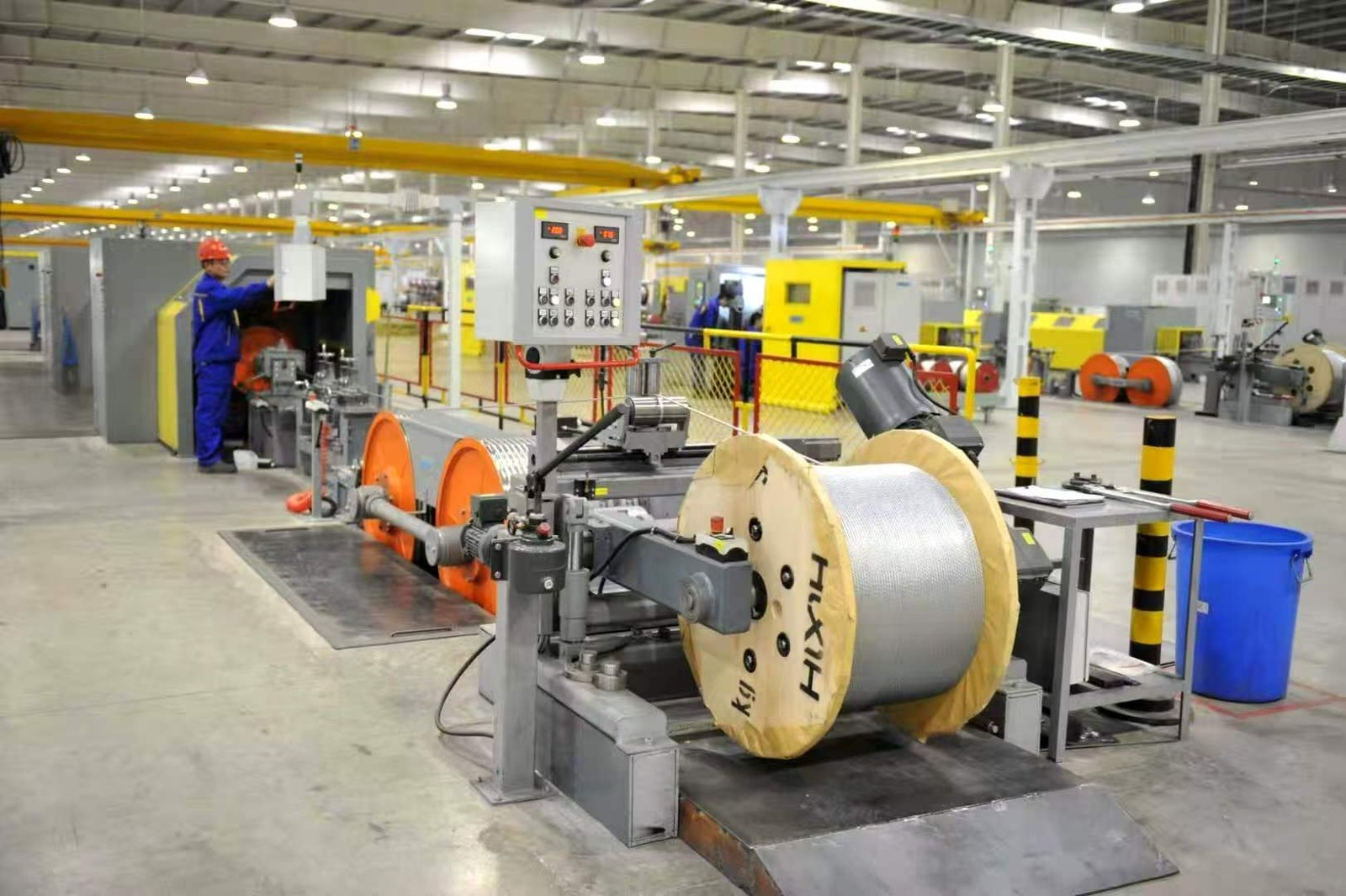
Regular checks — platen surface condition, thermocouple calibration against a reference thermometer, pressure system integrity — are maintenance tasks that directly affect splice quality. In manufacturing environments where the same machine runs multiple shifts, a maintenance schedule that catches degradation before it affects production is worth building into the operation rather than waiting for a failed splice to prompt investigation.
Energy consumption in vulcanizing machines is largely a function of heating efficiency and insulation. Machines with well-insulated platens lose less heat to the surrounding environment during the cure cycle and reach set temperature faster from a cold start. In operations running many splices per shift, that efficiency difference accumulates into meaningful energy cost over time.
05Selecting the Right Vulcanizing Machine
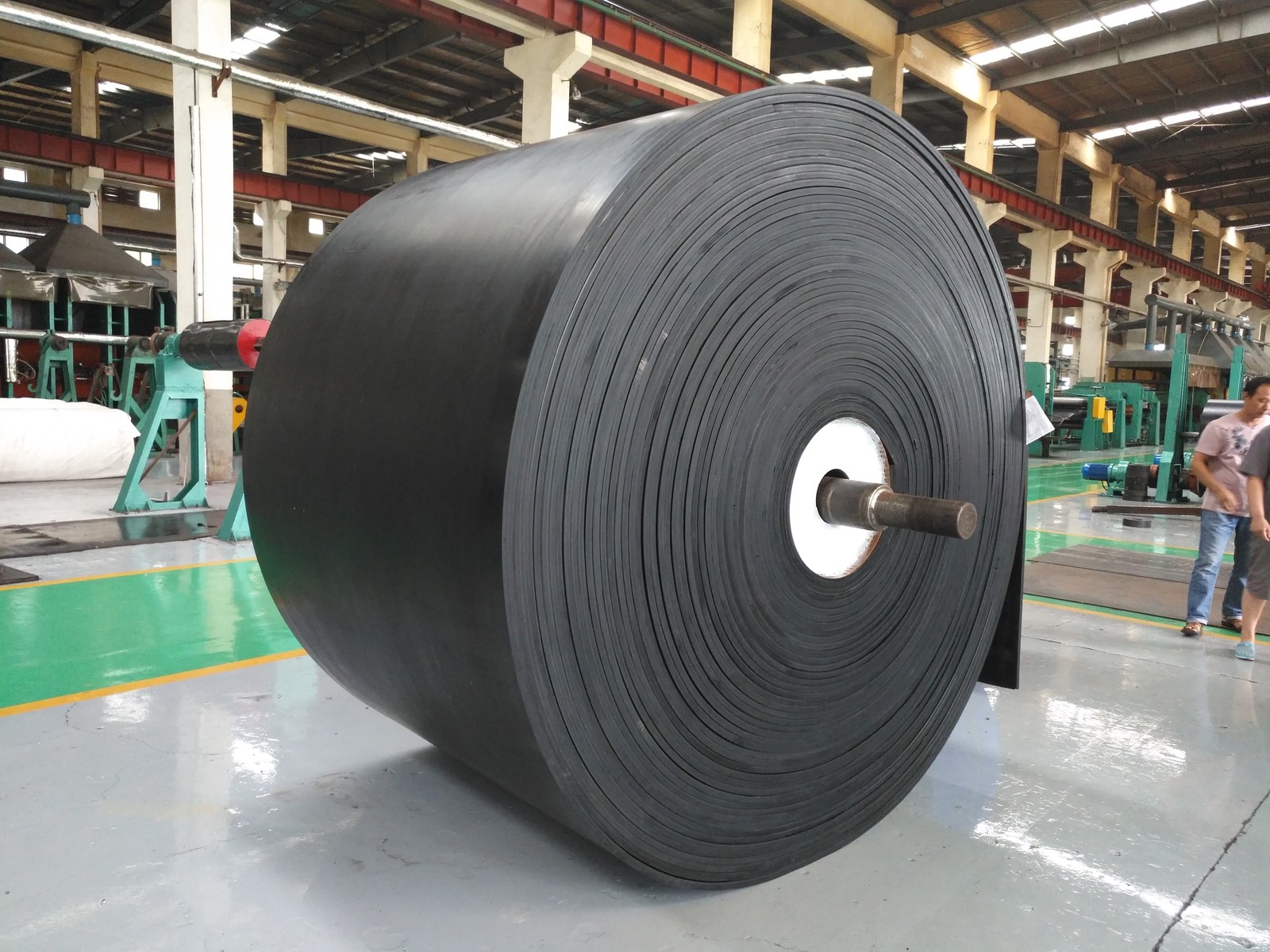
The application determines the specification. For fixed manufacturing operations producing conveyor belts, stationary press-type vulcanizing machines with larger platen areas and higher pressure capacity suit the production environment. For field repair in mining or bulk handling operations, portable machines that can be transported to the belt location and powered from site supplies are the practical choice.
Belt width is the starting constraint. The machine platen needs to cover the full width of the splice — a platen that is too narrow requires multiple successive cure steps, which creates a joint line through the splice that is a known weakness. Confirming maximum belt width before specifying a vulcanizing machine avoids that problem.
Control system capability should match the complexity of the work. For a single belt type in a stable production environment, a straightforward temperature and timer control is sufficient. For operations handling multiple belt constructions with different cure requirements, stored profiles and digital logging add value by reducing operator dependency and providing a record when splice quality is questioned.
Ningbo Sinoconve Belt Co., Ltd. manufactures conveyor belts and supplies related equipment including vulcanizing machines for belt production and field repair applications, covering standard and heavy-duty configurations for industrial conveying operations.
For belt splicing and vulcanizing machine needs, contact SINOCONVE with the belt width, carcass type and splice application. The team can advise on the appropriate machine specification and, where needed, on site jointing practices for the belt you are running.

Products You May Need
| Rubber Conveyor Belt General-purpose rubber conveyor belts |
Full Product Catalog Browse the complete SINOCONVE range |
| About SINOCONVE Manufacturing and quality systems |
Contact SINOCONVE Send specifications for a quotation |