
Steel Conveyor Rollers: What Actually Separates Good Ones from Expensive Mistakes
Walk through any cement plant, coal terminal, or aggregate crushing line, and you will notice something: nobody talks about the rollers until one fails. That silence is the point. When a conveyor roller does its job correctly, it disappears into the background noise of a production shift. When it does not, the entire line stops — and in bulk material handling, downtime does not pause politely while you wait for a replacement.
That is the operating reality Ningbo Sinoconve Belt Co., Ltd. builds around. After years of supplying conveyor belts and related components across mining, port handling, and manufacturing sectors, the pattern is consistent: the customers who buy based on upfront price tend to come back sooner, and not by choice.
The Load Problem Most Buyers Underestimate
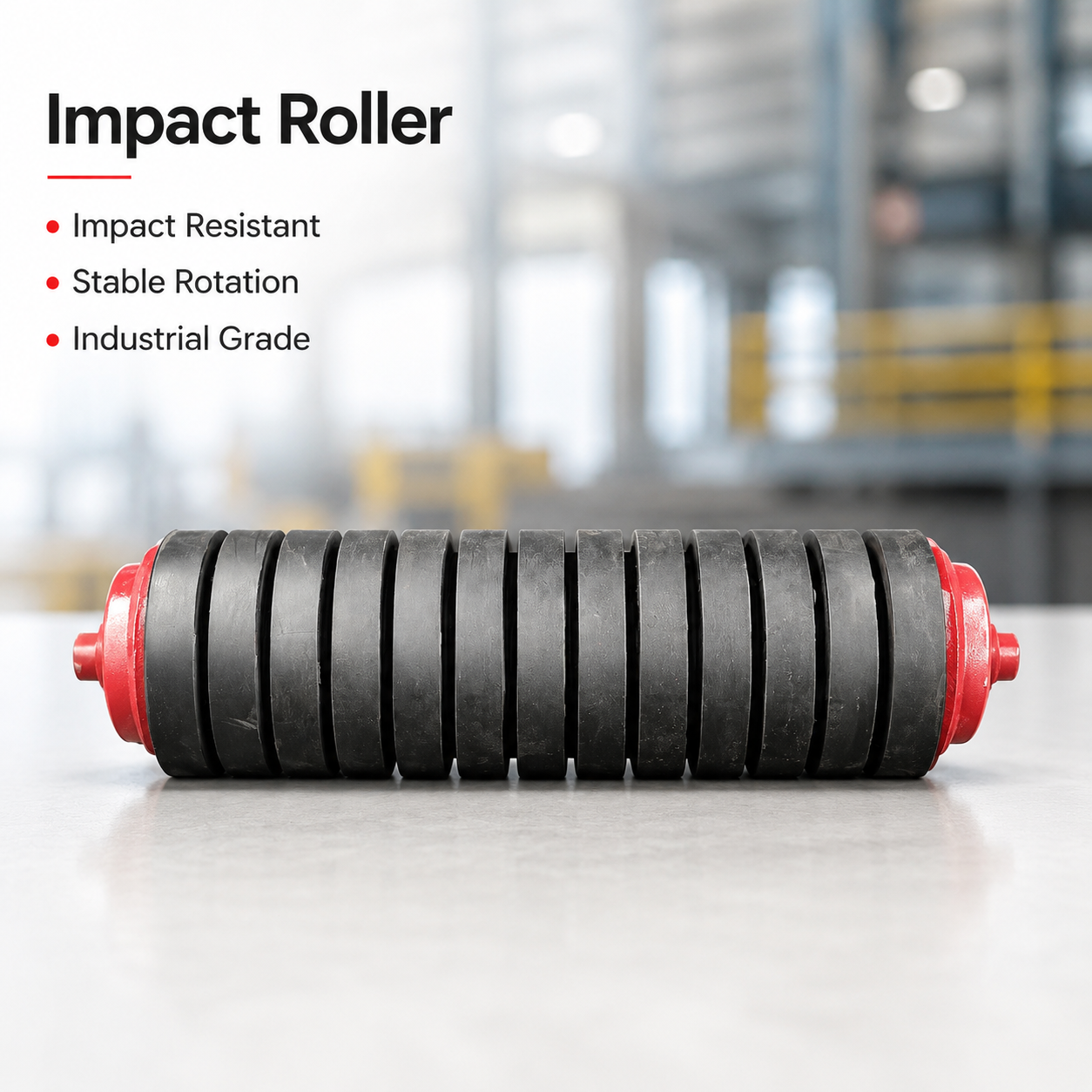
There is a common mistake buyers make when specifying conveyor rollers for heavy-duty applications: they calculate for average load, not peak load. A roller handling gravel or clinker does not experience a smooth, constant weight. Material drops unevenly, impact forces spike during loading, and wet ore behaves differently than dry. A roller rated to handle the average will fail under the peaks.
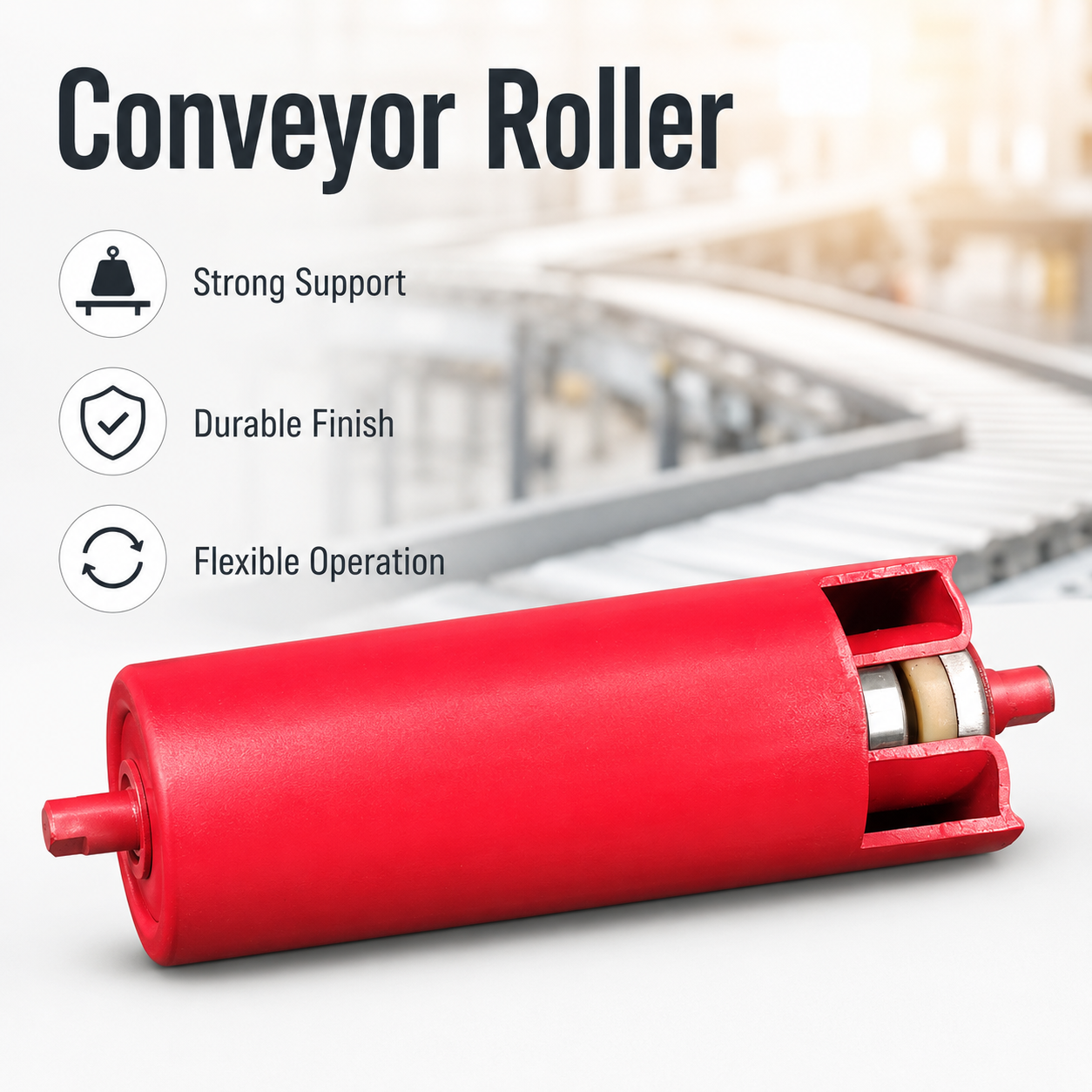
Steel rollers with reinforced shaft construction are specified precisely for this reason. Thicker-walled tubing is not over-engineering — it is the difference between a component that survives irregular loading patterns for three years versus one that begins developing lateral play within eighteen months. The shaft deflection under off-center loads is where cheaper rollers reveal their compromises first.
For operations moving materials above 2 mm particle size at any real volume — stone, coal, fertilizer, bagged goods — the structural difference matters in practice, not just on paper.
Sealed Bearings and the Dust Problem
A port grain terminal and an open-pit mine look nothing alike, but they share one problem: contamination. Fine silica dust, coal particles, and moisture all find their way into bearing chambers if the sealing design gives them any path. Once contamination enters, lubricant degrades, heat builds, and the roller fails from the inside out.
The specification to look for is a multi-stage labyrinth seal with grease-packed housing rather than a simple single-lip contact seal. The difference in maintenance intervals between a well-sealed roller and a basic one can be significant in high-dust environments. Plants running 24-hour shifts in cement or potash handling have measured the gap in direct labor costs.
This is also where coastal and humid environments add a specific variable: salt-laden air accelerates bearing corrosion even without visible dust contamination. For terminals within several kilometers of the coast, galvanized shaft ends and stainless-steel hardware are not premium options — they are maintenance-schedule items.
Rotational Balance and What It Does to Your Belt
An underappreciated source of conveyor belt wear is the rollers themselves. A roller that runs with even slight dynamic imbalance creates a rhythmic lateral force on the belt — small per rotation, but cumulative across millions of rotations per week. The result appears as edge wear on the belt that looks like tracking problems, sends maintenance crews chasing belt alignment adjustments, and replaces a belt years ahead of schedule.
Precision-machined rollers that are dynamically balanced reduce this problem. The technical requirement is not complex, but it requires attention during manufacturing: consistent wall thickness in the steel tube, concentricity of the shell relative to the shaft, and correct placement of bearing housings. Plants running high-speed conveyors above 3 m/s find this factor especially relevant.
Sinoconve's production processes follow DIN, RMA, and AS specifications, which define tolerances that address exactly these parameters. International standards exist partly because the industry learned these lessons the expensive way.
Slitting Rollers: When the Same Steel Serves a Different Purpose
Steel rollers are not confined to material conveying. In converting operations — paper mills, plastic film lines, aluminum foil production, textile processing — multi-blade slitting rollers perform continuous precision cuts across moving material.
The design requirements diverge sharply from conveying. A slitting roller must maintain dimensional stability at operating speed, because blade position drift translates directly into product width variation. The slits need to be clean, not torn. This requires a roller body with minimal runout, positioned blades, and enough rigidity that the system does not develop resonant vibration at operational frequencies.
Facilities that run converting lines continuously find that the cost of product rejects from a worn or imbalanced slitting roller exceeds the cost of the roller itself, sometimes within a single production run. The economics of maintenance intervals are different here: downtime for roller replacement is planned and scheduled; defective output from a degraded roller is not.
Where Different Industries Put These Realities to Work
The mining sector offers the clearest stress test. Conveyor systems in underground coal mines or open-pit iron ore operations run continuously, carry materials that would rapidly destroy inadequately sealed bearings, and often operate in environments where getting a replacement roller to site is not a quick operation. The roller that runs reliably for 18 months in that context is worth considerably more than one that needs replacing every six.
Port bulk handling systems add the corrosion dimension. A coal or grain terminal handling several million tons per year operates in coastal air with mechanical shock loads each time a ship's grab crane drops material onto the conveyor feed point. Rollers in this position need impact resistance, corrosion resistance, and sealed bearings — simultaneously.
Cement and aggregate plants run continuous operations where fine dust penetrates everything, ambient temperatures around kilns run high, and conveyor systems often slope steeply to move material between process stages. The combination of heat, dust, and inclination angle creates conditions that expose bearing quality quickly.
Warehouse and logistics automation looks different but has its own demands: high density, low noise requirements, and the expectation of consistent operation without dedicated maintenance staff on the floor. Here the failure mode is not dramatic — it is accumulated friction that degrades throughput gradually, often without triggering a formal maintenance response until something stops entirely.
What Buyers Who Specify Well Actually Check
Procurement teams at operations that manage conveyor maintenance effectively tend to evaluate rollers against a consistent set of practical criteria rather than relying primarily on price comparison.
Load rating against actual peak load, not nameplate average, is the starting point. Operating environment — specifically dust exposure, moisture level, and temperature range — determines seal and surface treatment requirements. Conveyor speed drives the case for or against precision balancing. Replacement logistics influence whether sealed maintenance-free rollers justify their cost premium over serviceable ones.
On the supplier side, experienced buyers look for evidence of process control rather than simply test certifications: consistent wall thickness across a production batch, documented bearing specifications from named manufacturers, and references in the relevant industry sector. Export experience matters because it indicates familiarity with container packing, documentation requirements, and the practical realities of supporting a customer who cannot simply drive to the factory when something needs discussion.
The Maintenance Cost Arithmetic
A steel conveyor roller that costs 30% more than the baseline option but runs twice as long without service intervention is not 30% more expensive — it is significantly cheaper when maintenance labor and unplanned downtime are included in the calculation. This arithmetic is not theoretical; it is why operations with sophisticated cost accounting tend to specify differently from operations that track only purchase price.
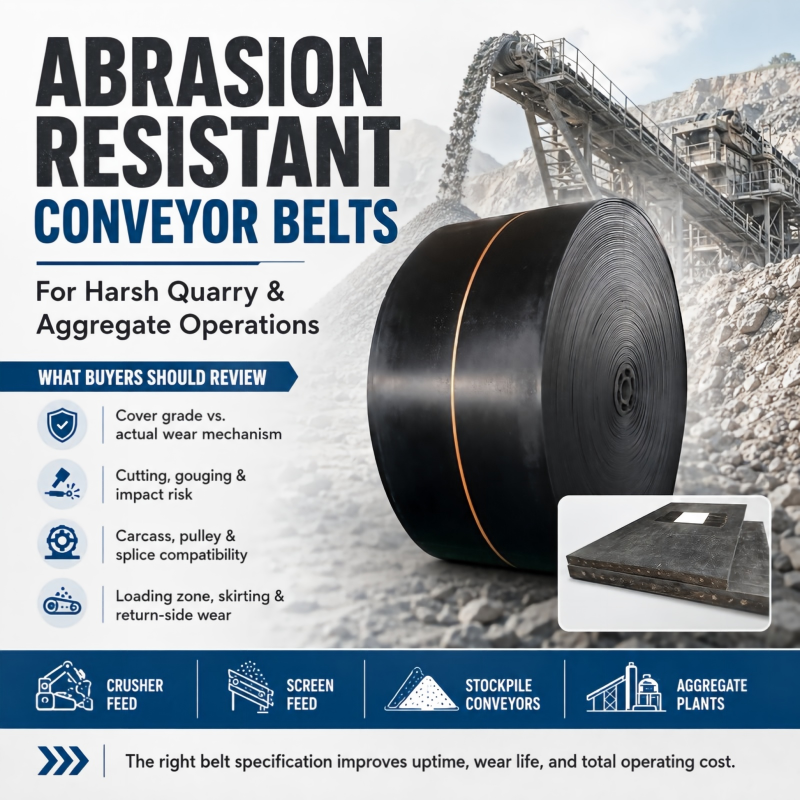
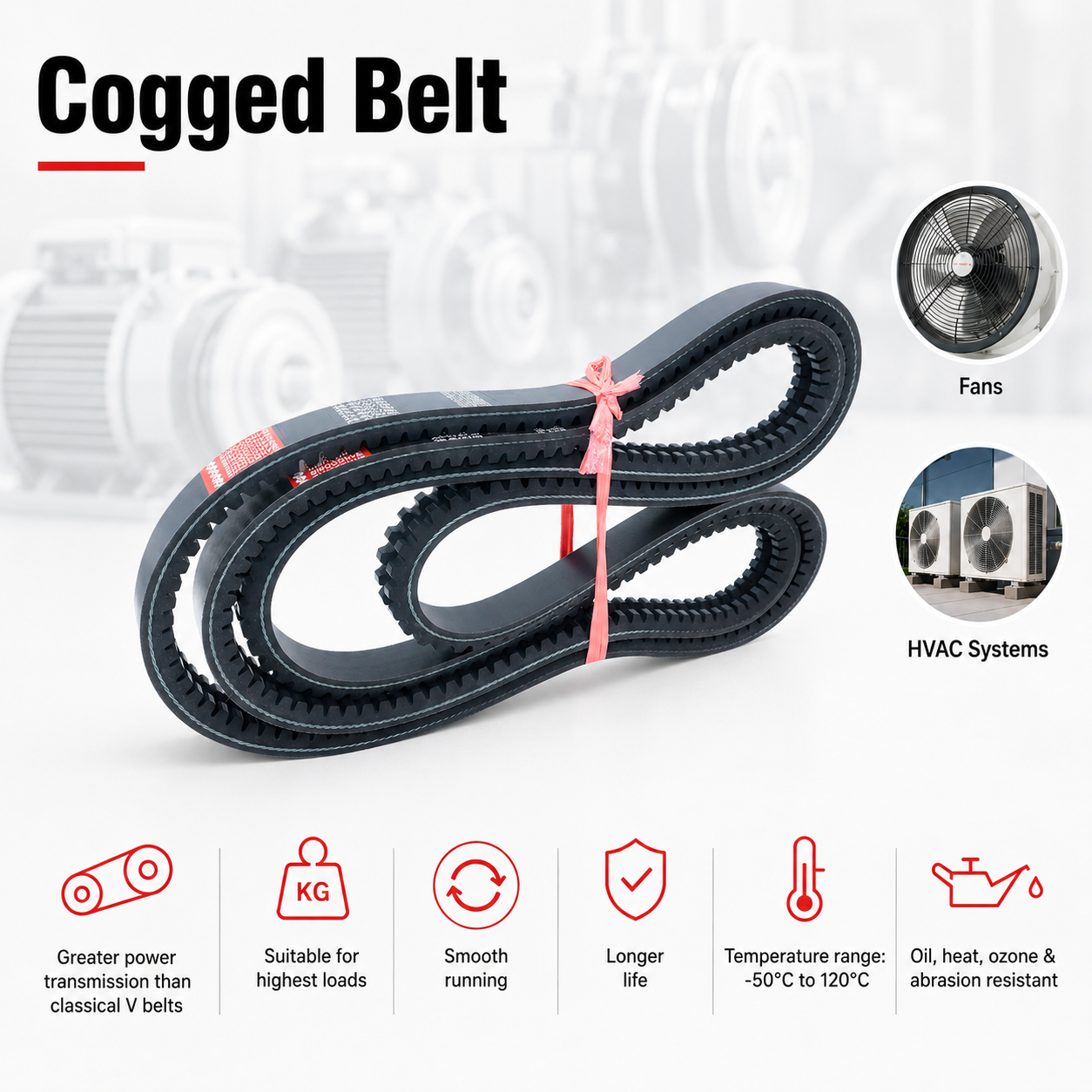
Sinoconve's product range covers rubber conveyor belts, steel cord conveyor belts, chevron belts for incline conveying, transmission belts, timing belts, and the conveyor rollers and components that bring these systems together. For high-risk environments, flame-resistant and wear-resistant options are available.
The underlying principle across these products is the same: components that are right for the operating environment from the start cost less over time than components that are nearly right. In bulk material handling, that distinction tends to make itself clear relatively quickly.