
Understanding the Challenges in Choosing the Right Conveyor Belt
Selecting the appropriate conveyor belt can be a daunting task for industries dealing with bulk material handling. Common problems arise from mismatched belt materials leading to premature wear, reduced efficiency in operations, and costly downtime. For instance, in demanding environments like mining, quarrying, or cement plants, belts that fail under heavy loads or abrasive materials such as ore, coal, and gravel can disrupt workflows and inflate maintenance expenses. Additionally, improper belt selection for specific applications, like inclined conveying, often results in material rollback or slippage, exacerbating safety risks and productivity losses. These issues highlight the need for a strategic approach to how to choose conveyor belt systems that align with operational demands and environmental conditions.
Key Factors to Consider When Learning How to Choose Conveyor Belt
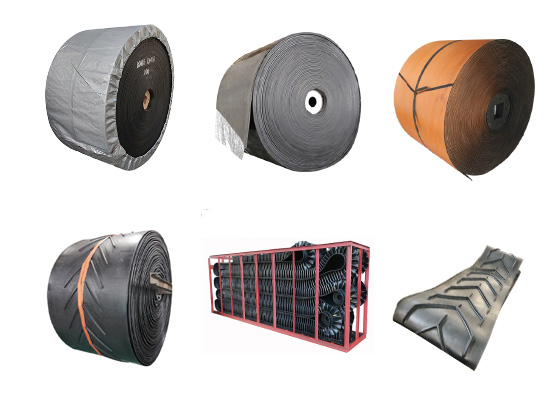
To address these challenges, start by evaluating the material type and reinforcement structure. Focus on durability and flexibility to ensure the belt can handle substantial loads while navigating pulleys and rollers smoothly. Consider the transport environment: for long-distance conveying in ports, power stations, or logistics, opt for belts with tightly layered construction that provide dimensional stability and wear resistance. Width, length, and thickness are crucial for customized installations in high-throughput operations. Moreover, assess packaging and storage options to minimize damage during shipping and deployment, ensuring the belt arrives in pristine condition for immediate use. By prioritizing these elements in how to choose conveyor belt, businesses can avoid common pitfalls and achieve reliable performance.
Exploring Rubber Conveyor Belts as a Versatile Solution
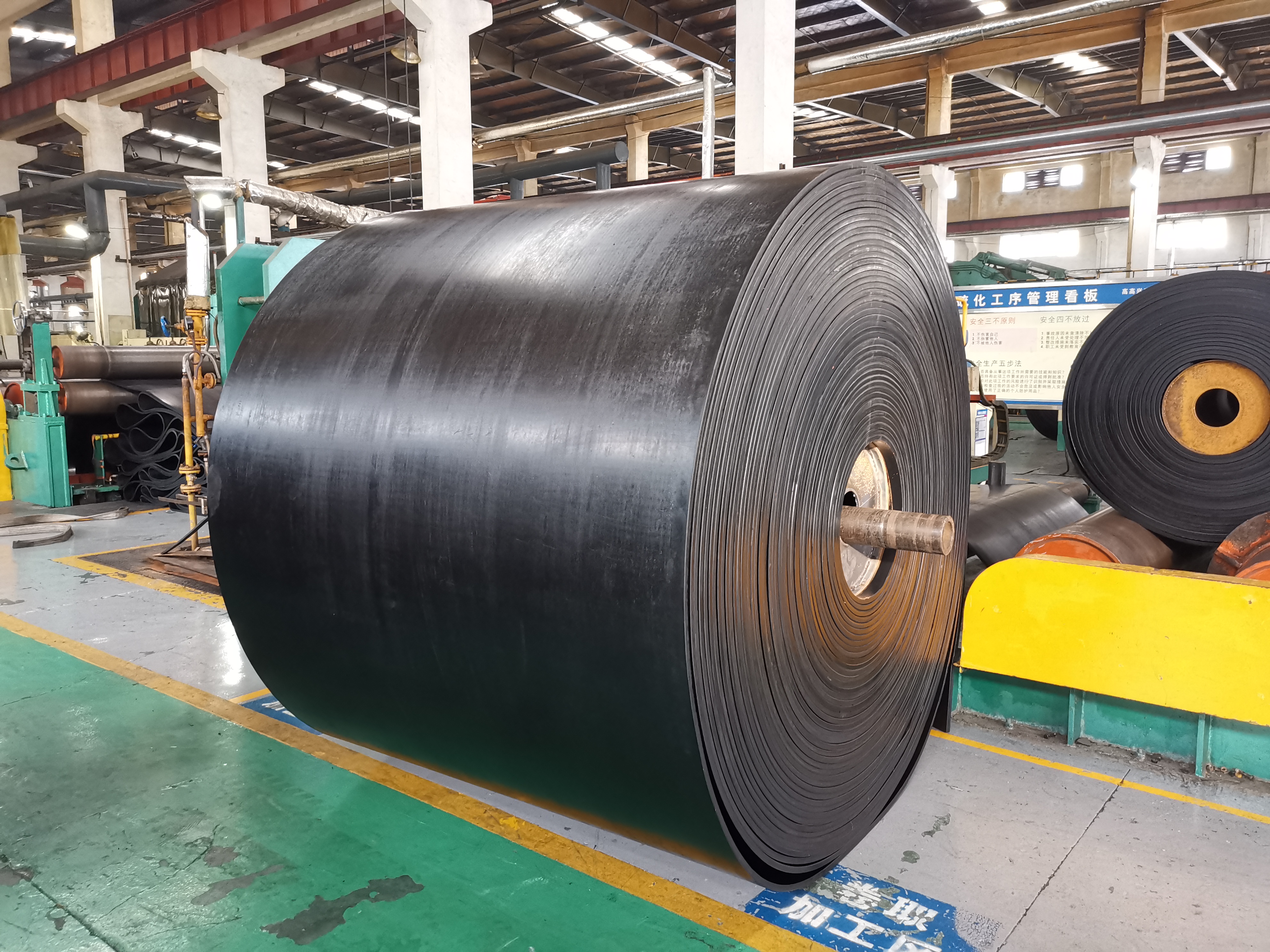
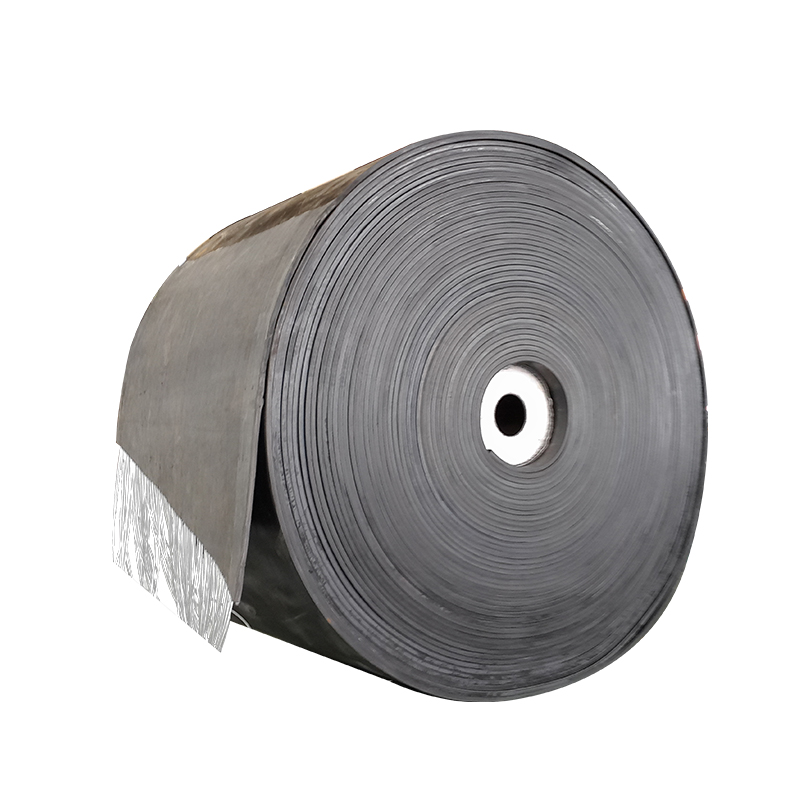
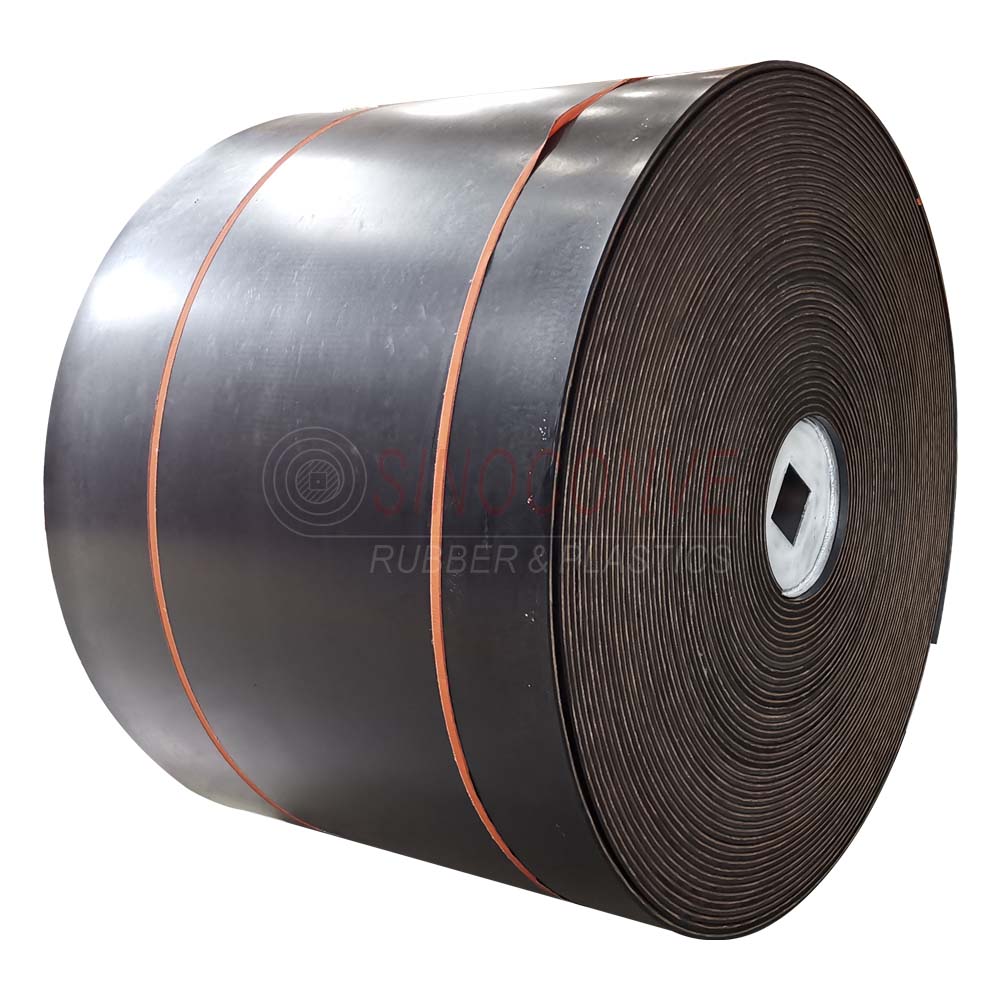
Rubber conveyor belts emerge as a robust solution for many industrial needs, particularly in heavy-duty applications. Their dense, reinforced structure offers excellent tensile strength and impact absorption, making them ideal for transporting abrasive materials without rapid degradation. When pondering how to choose rubber conveyor belt, examine features like matte textures and engineered contours that enhance grip and longevity. For example, black rubber belts are classics for continuous operation in mining and aggregate handling, while specialized variants provide added protection against environmental factors. This material's adaptability reduces the risk of operational failures, directly solving issues of wear and inefficiency. Selecting a high-quality rubber conveyor belt ensures seamless integration into existing systems, promoting endurance and cost savings over time.
Solving Inclined and Specialized Conveying Problems with Advanced Designs
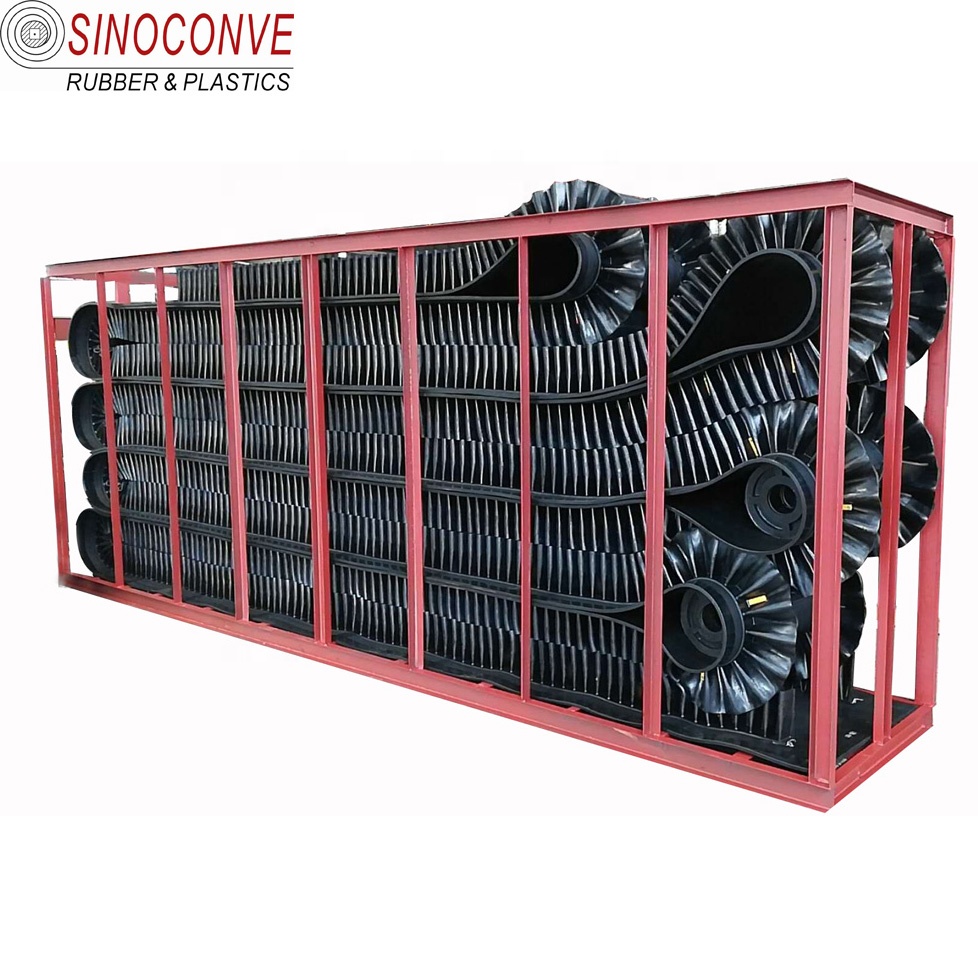
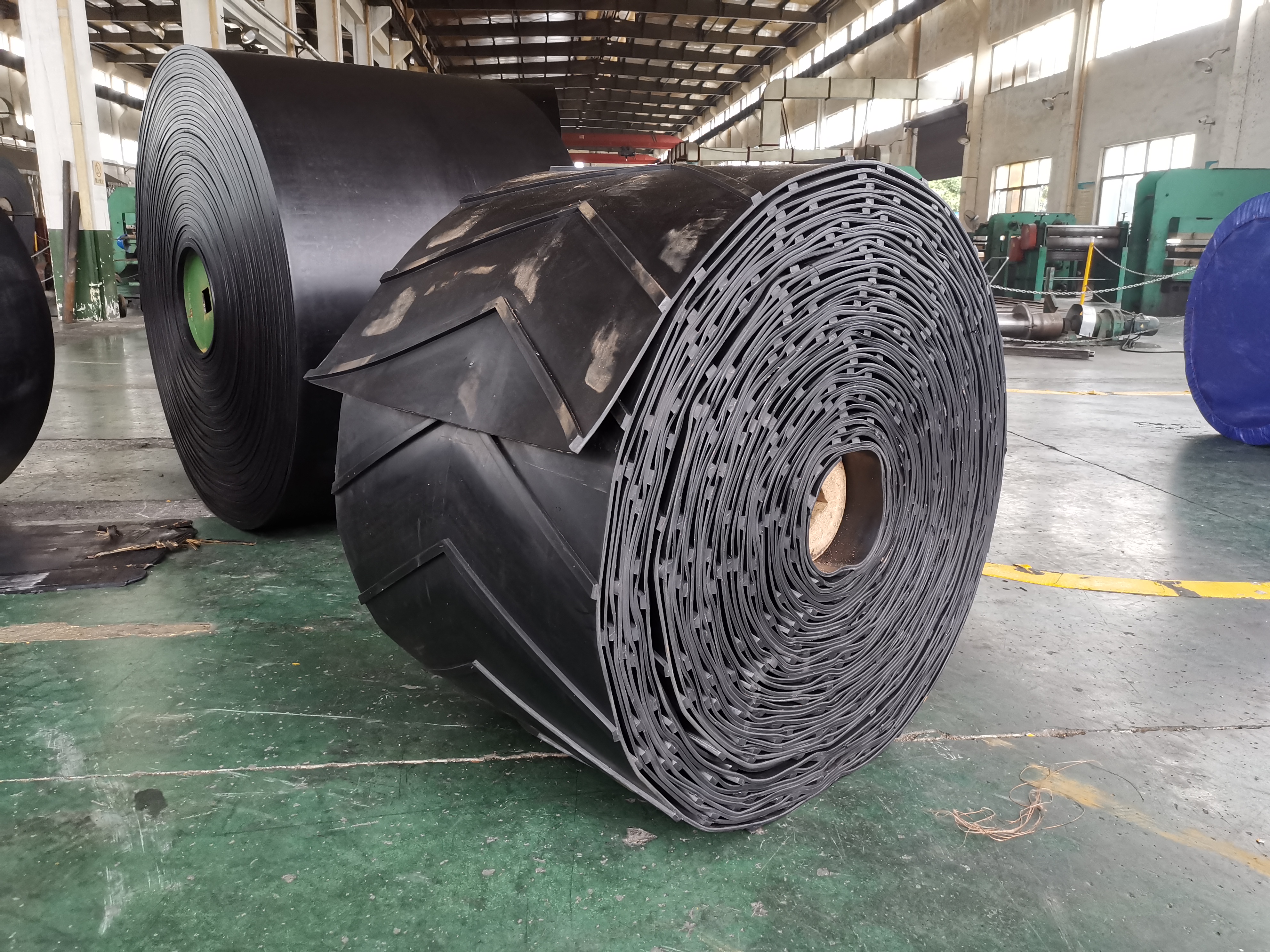
Inclined conveying presents unique hurdles, such as material slippage on slopes, which can lead to waste and hazards. A targeted solution lies in cleated or ribbed rubber conveyor belt designs that boost traction and prevent rollback. These textured profiles, often in bold patterns like chevrons, are perfect for agriculture, recycling, and construction sites where elevation changes are common. When deciding how to choose rubber conveyor belt for such scenarios, look for options with raised features that maintain material flow on inclines up to significant angles. Modular packaging, such as rack-packed sections, further aids quick installation and maintenance, minimizing downtime in multi-line setups. By incorporating these elements, industries can transform problematic conveying into efficient, safe processes.
Implementing Best Practices for Long-Term Success
Ultimately, mastering how to choose conveyor belt involves a holistic view of application diversity, from flat bulk transport to elevated systems. Reinforced rubber constructions stand out for their balance of strength and flexibility, supporting wide and long formats for custom layouts. Professional supply solutions, including protected wraps for export and organized storage, ensure belts arrive ready for deployment. This approach not only resolves immediate challenges but also fosters a proactive maintenance strategy, extending service life and optimizing throughput. Industries like heavy processing and logistics benefit immensely, achieving a confident, compromise-free operation that drives productivity and reliability.