


1600mm EP Heat Resistant Chevron Rubber Conveyor Belt for Inclined Conveying
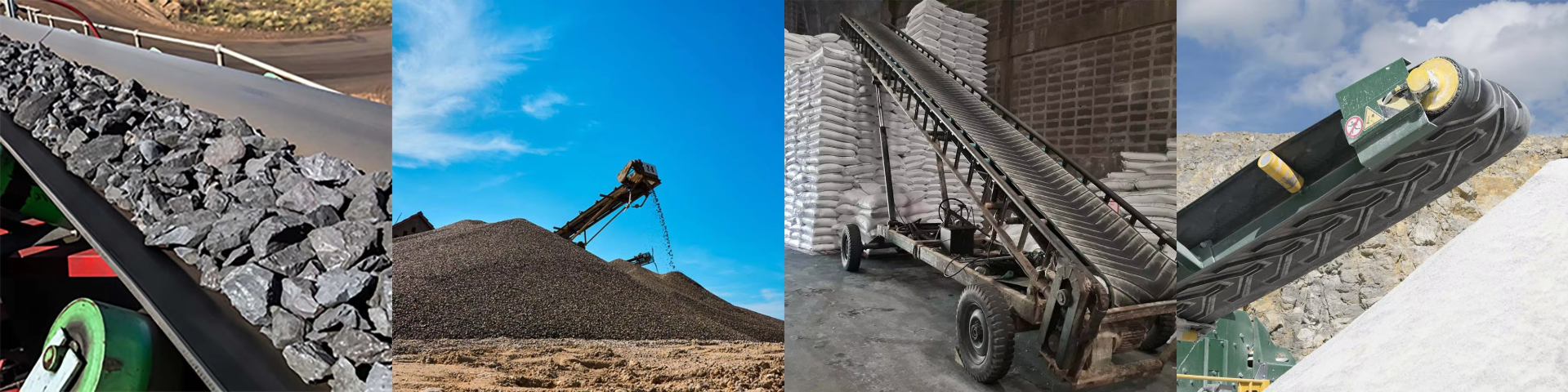
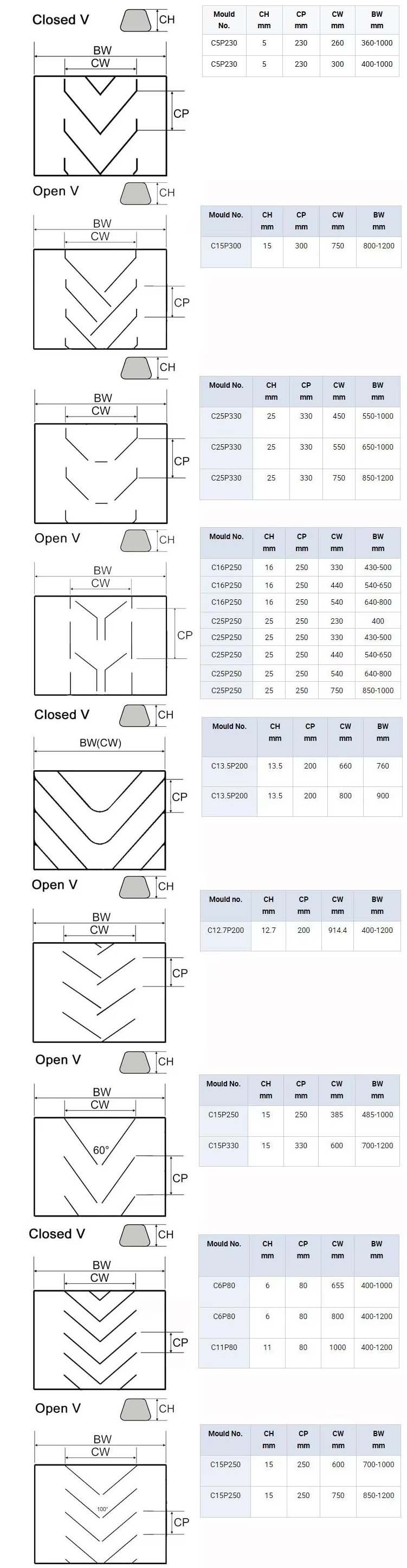
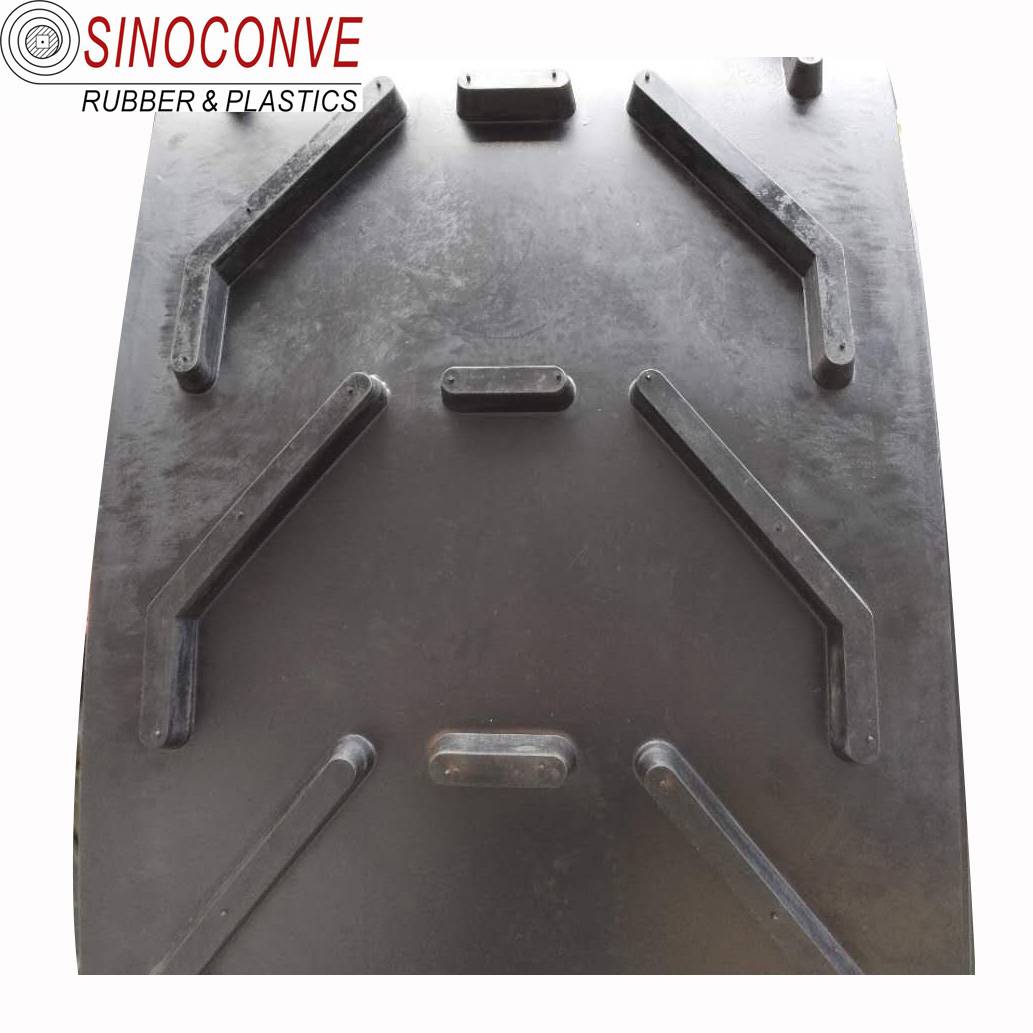
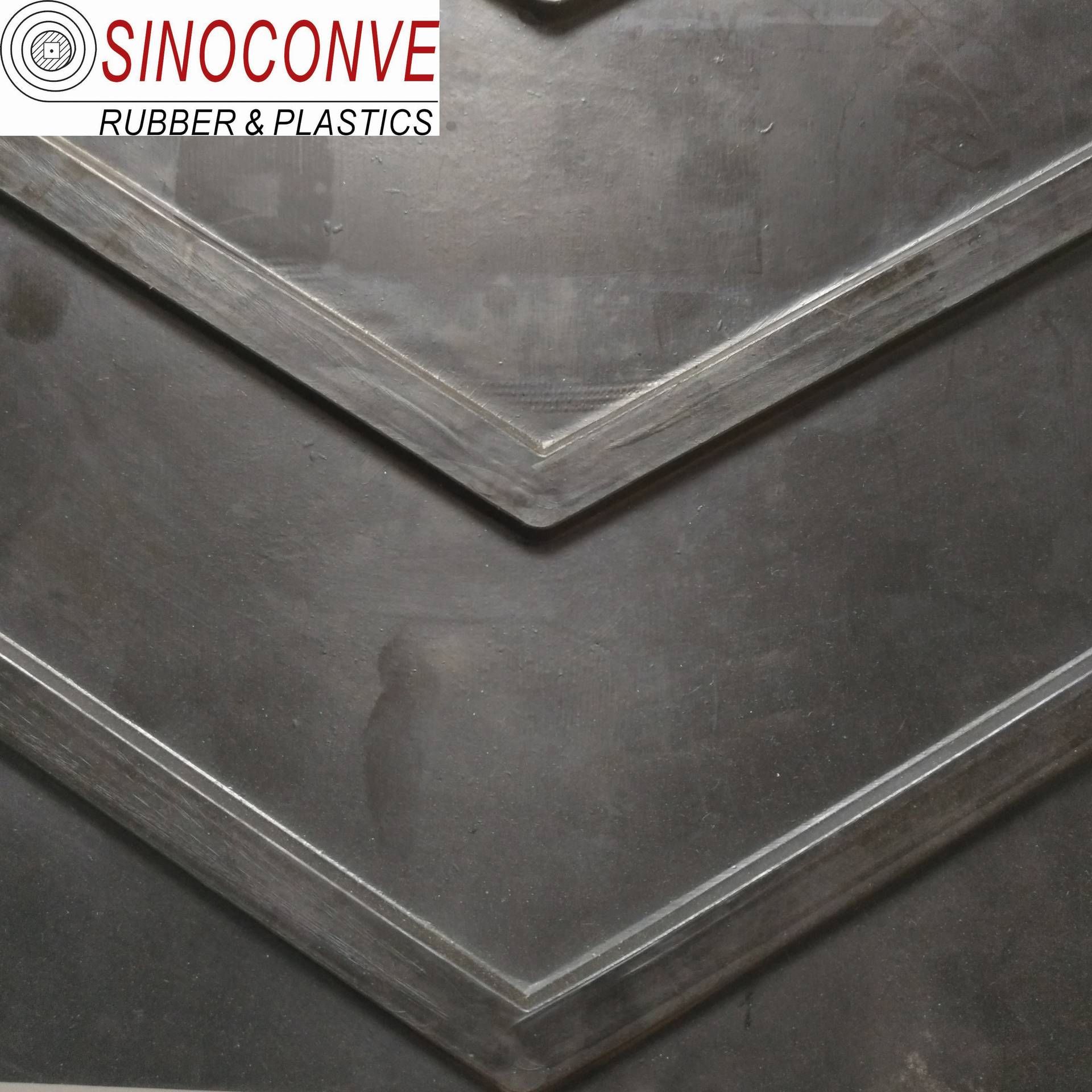
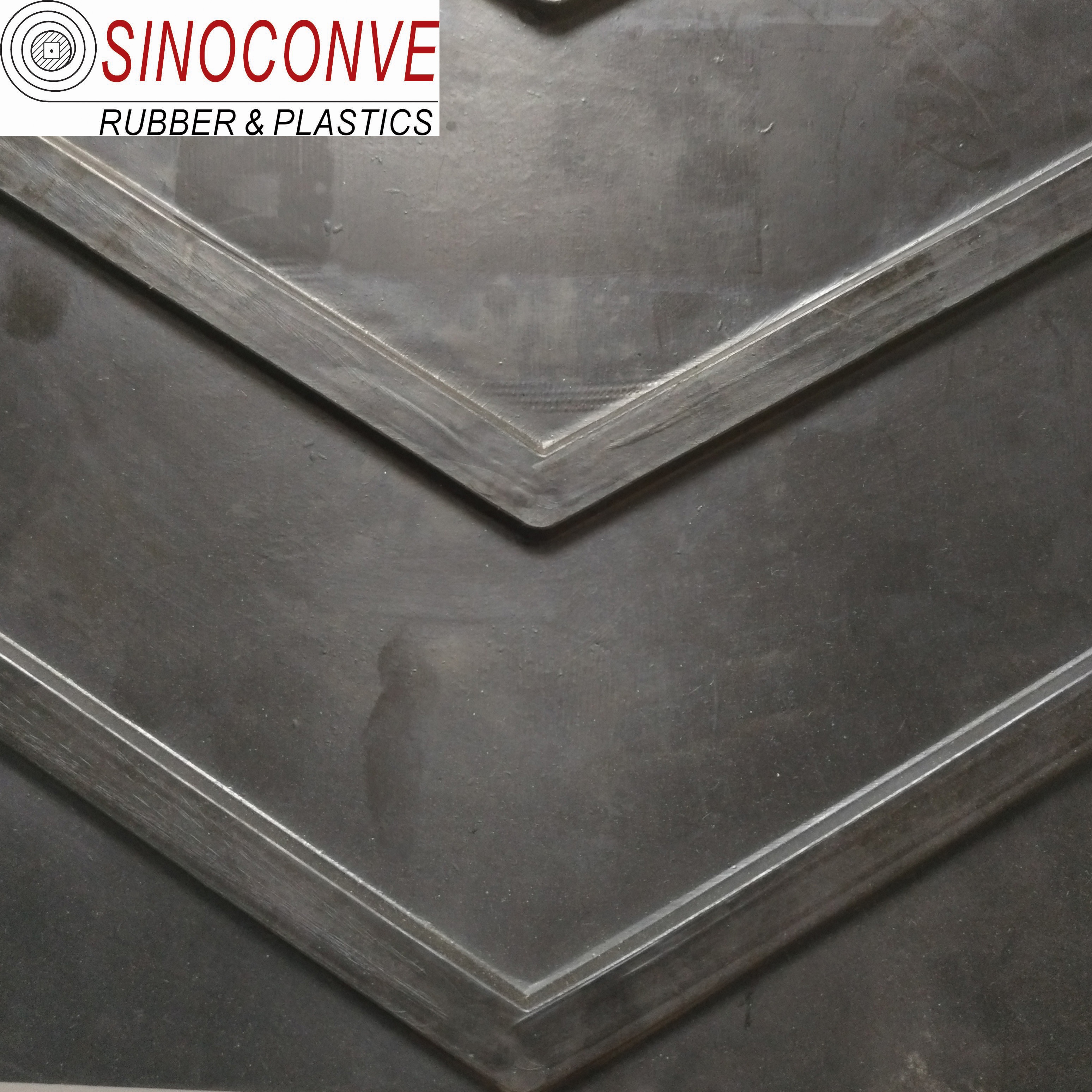
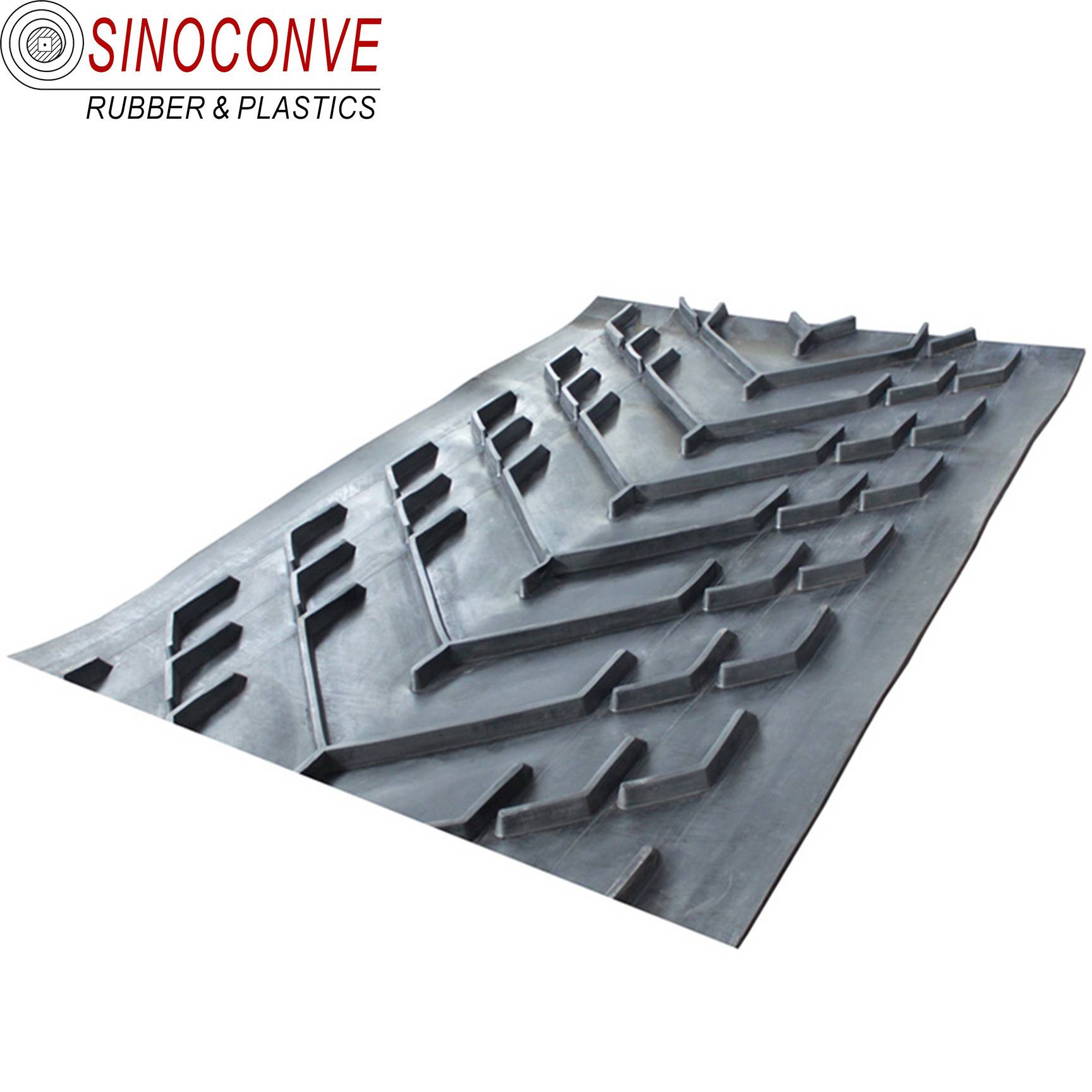
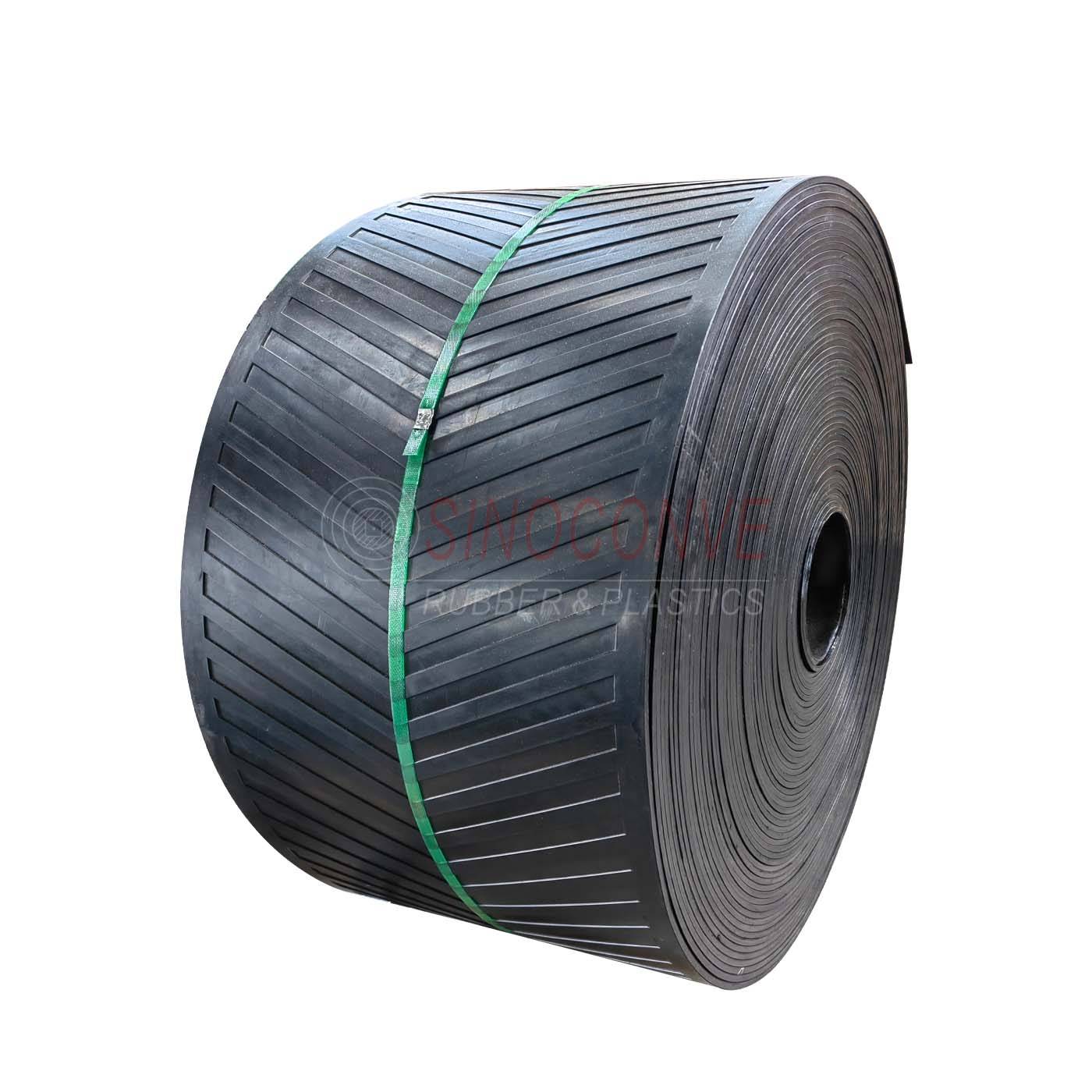
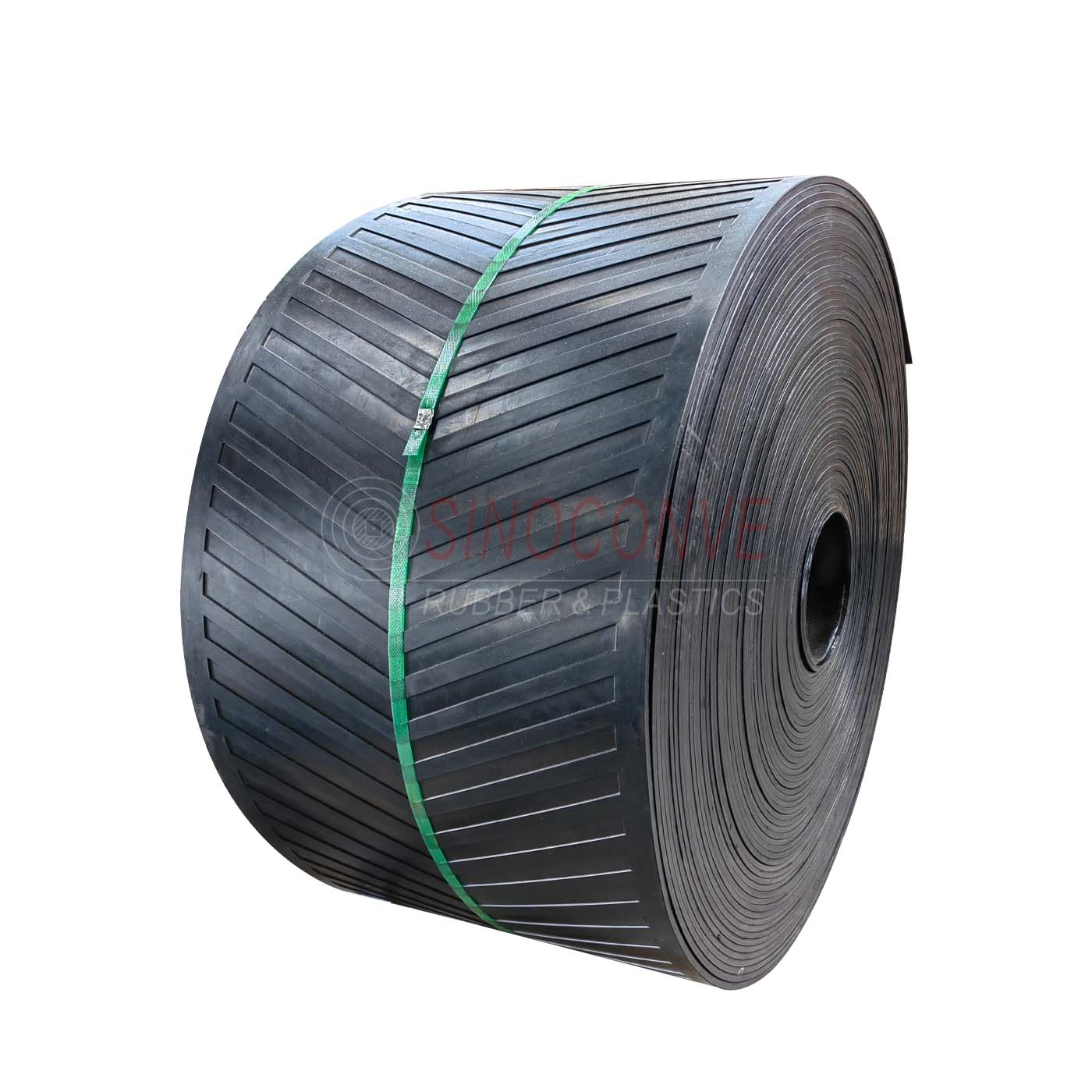
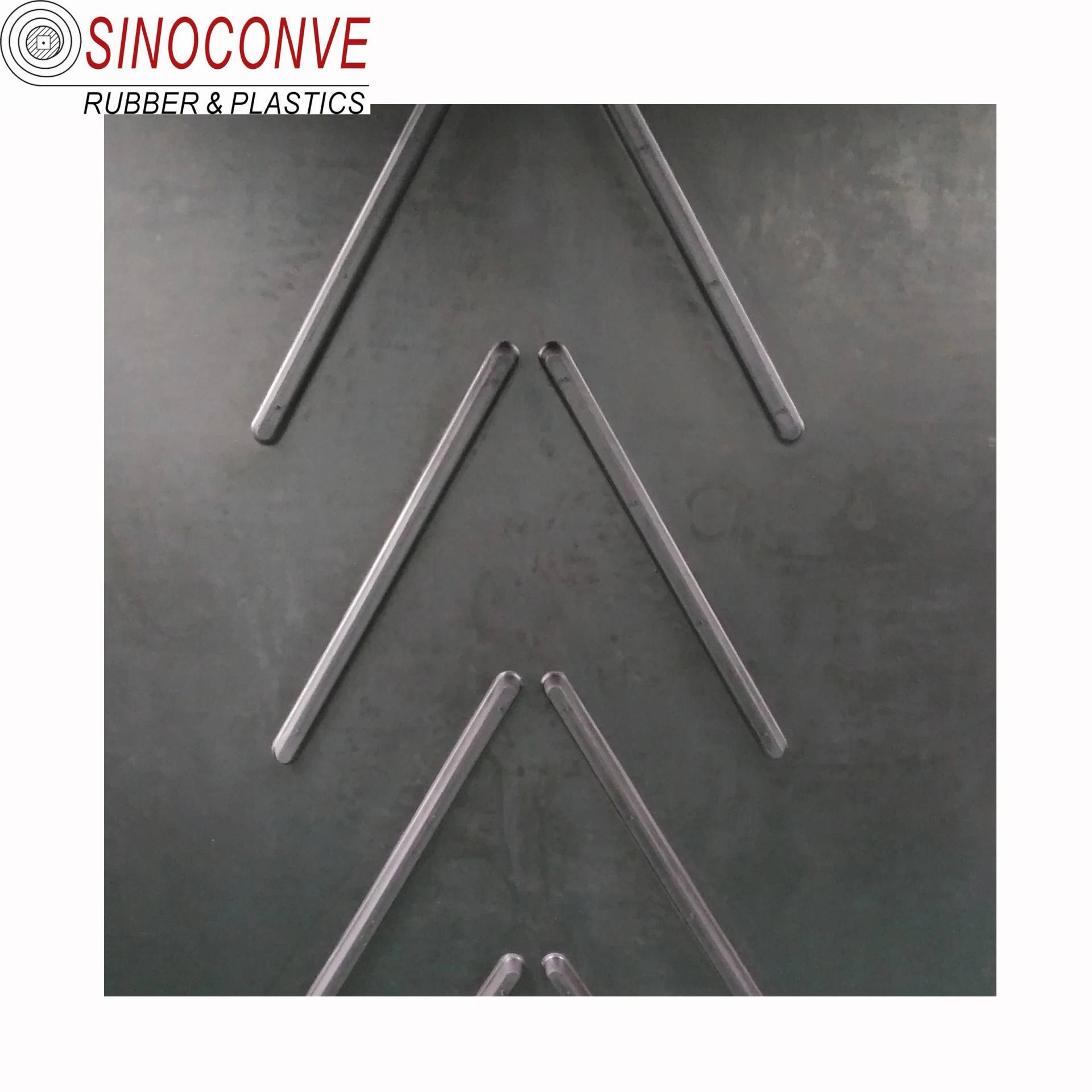
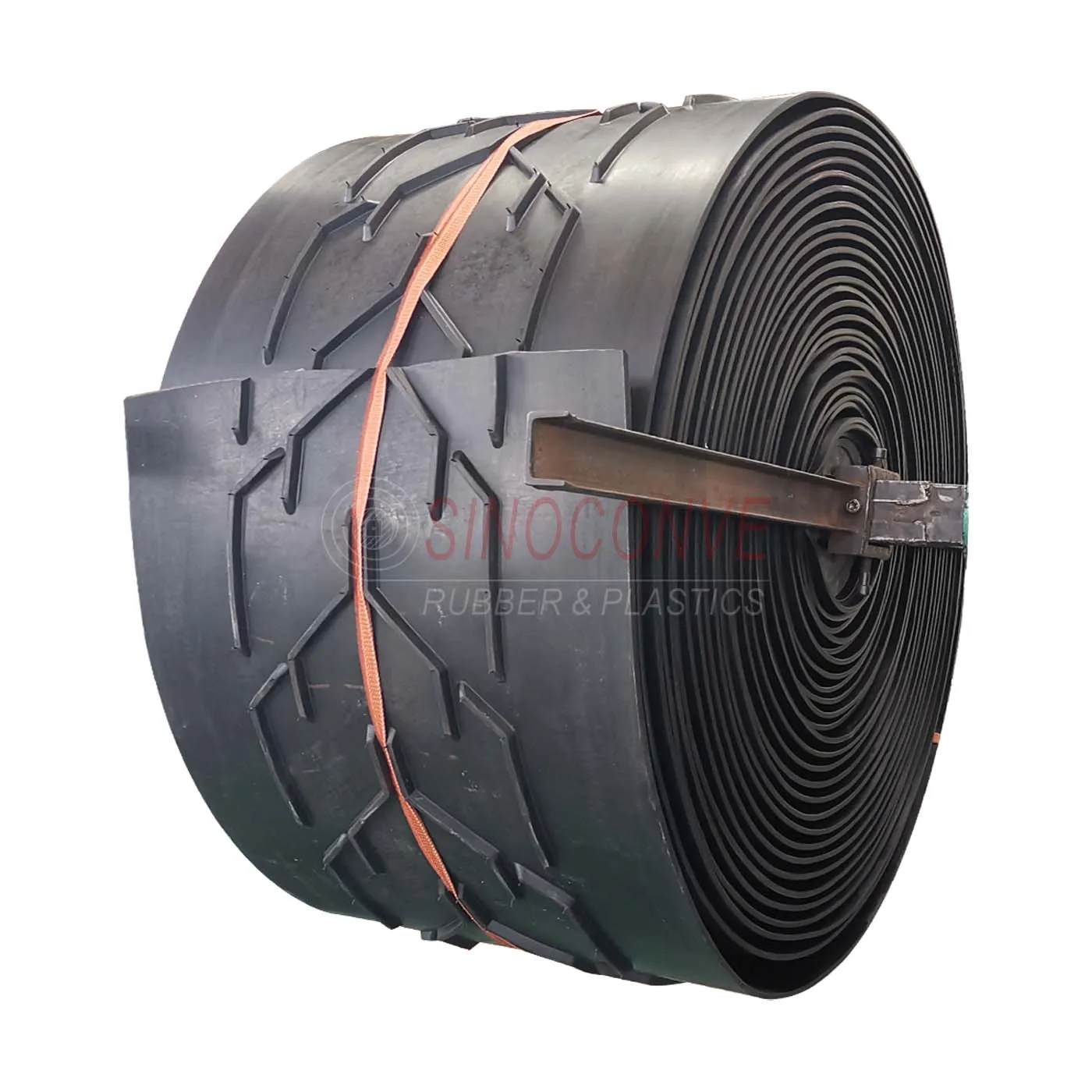
This is a 1600mm EP heat-resistant chevron rubber conveyor belt designed for inclined conveying of hot bulk materials. Its molded chevron pattern helps improve grip and reduce material rollback, while the EP fabric carcass and heat-resistant cover compound are intended for demanding industrial conveying applications.
The suitable belt grade depends on the material temperature, peak temperature, conveyor dimensions, belt speed, conveying angle and material characteristics. Send us your operating data so our team can review the application and confirm the appropriate heat-resistant grade and full belt specification.
Get a faster, more accurate quote
Click Inquiry Now and include the material type, continuous and peak material temperature, conveyor width, length, incline angle, belt speed and quantity. The maximum peak temperature is important for heat-resistant compound selection.
Heat-resistant grade guide
| Cover grade | Typical continuous temperature | Typical peak temperature | Typical applications |
| Standard (no HR) | Up to approximately 60°C | 80°C | General mining, aggregate and cold-material conveying |
| T1 Heat Resistant | Up to approximately 120°C | 150°C, brief exposure | Cooled cement clinker, warm coke, hot sand and foundry applications |
| T2 Heat Resistant | Up to approximately 150°C | 180°C, brief exposure | Hot clinker, sintered ore, hot ash and high-temperature metallurgical by-products |
| T3 / Super HR | Confirm against operating conditions | 200°C+, subject to confirmation | Extreme-heat applications requiring specific temperature review |
Temperature limits in this guide are indicative. Actual performance depends on material contact area, belt speed, contact duration and ambient conditions. The appropriate grade must be confirmed against measured material temperature before production.
Material and application note
This product is positioned for high-temperature mining and industrial conveying with a heat-resistant EP fabric belt and chevron pattern for inclined conveying. The correct cover grade must be selected based on measured material temperature and complete conveyor data. No belt-life guarantee at a specific temperature is made without confirming the full operating conditions.
Why heat-resistant chevron construction matters
Supports inclined conveying
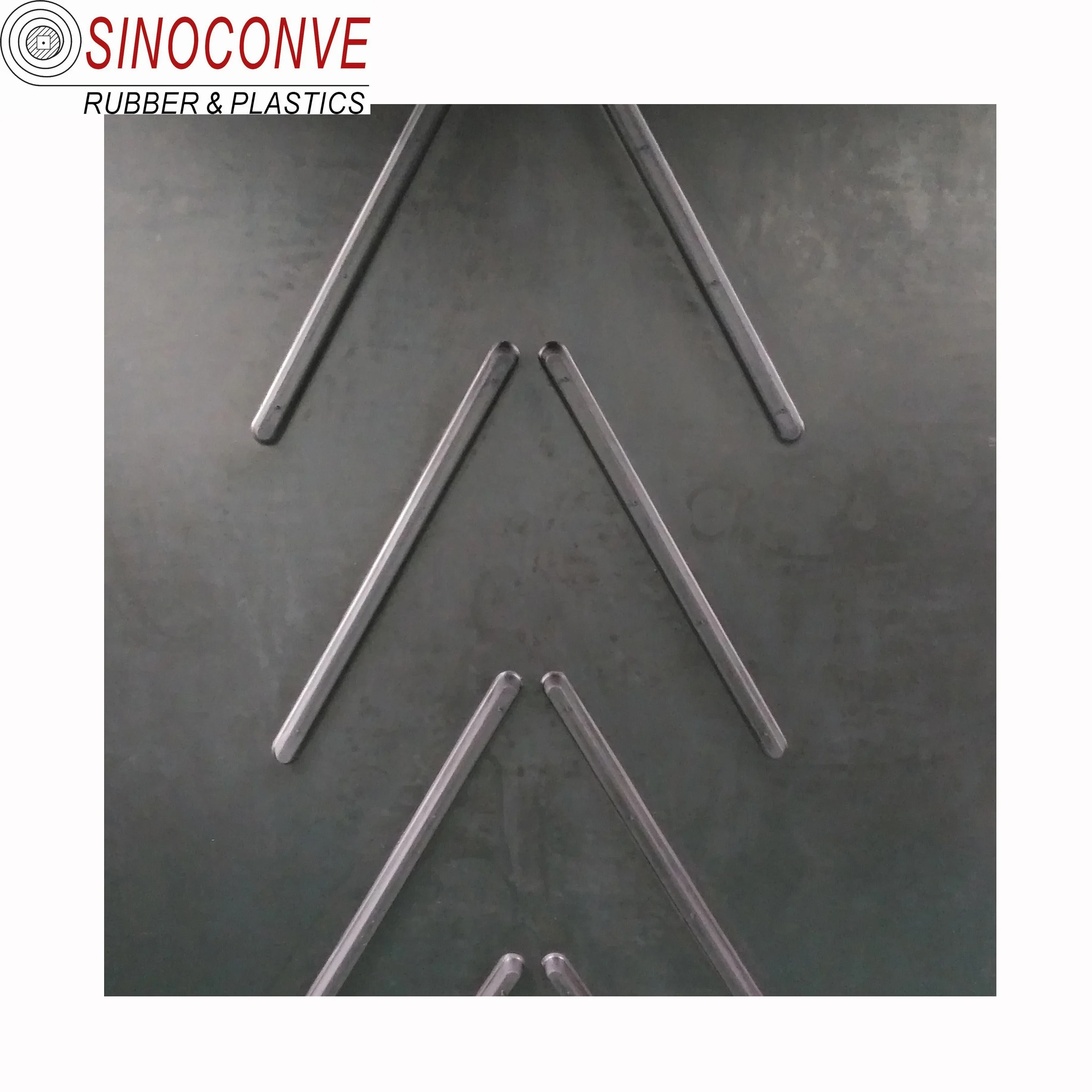
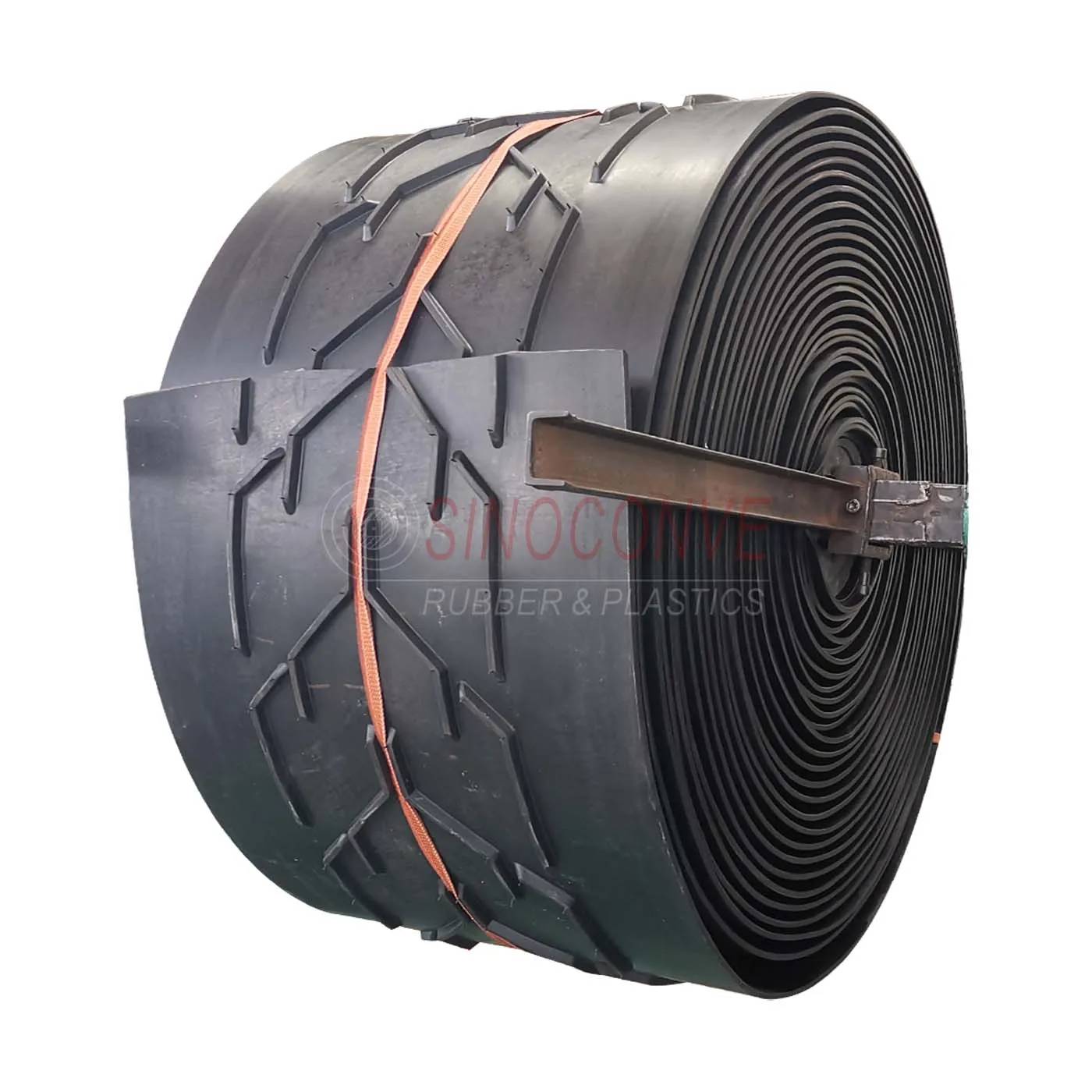
The chevron pattern is intended to improve grip on inclined systems and help reduce rollback when conveying bulk materials uphill.
Matches the cover compound to the heat load
Selecting the heat-resistant grade from measured continuous and peak temperatures helps align the cover compound with the thermal conditions of the application.
Combines EP fabric and cleated conveying
The EP fabric carcass, heat-resistant cover compound and chevron pattern are reviewed together with the conveyor dimensions and operating conditions.
Application details we check
- Material type, such as clinker, coke, sinter, hot ash, hot sand or another bulk material, plus the measured temperature at loading.
- Whether the temperature is continuous or a brief peak, including the maximum peak temperature.
- Belt width, center-to-center conveyor length and incline angle.
- Drive and tail pulley diameters, belt speed and start-stop frequency.
- Ambient temperature, ventilation and exposure to dust, water, oil or other conditions.
- Splice method, quantity, top and bottom cover thickness and required documentation.
Providing these details helps our team reduce back-and-forth and prepare a more accurate heat-resistant grade recommendation and quotation.
Customization discussion
Cover grade, EP grade, ply count, belt width, belt length, top and bottom cover thickness, chevron pattern and splice preparation can be discussed. All specifications are confirmed against measured material temperature, conveying angle and conveyor data before production.
Get a technical recommendation and quote
Click Inquiry Now and send your material temperature data and conveyor dimensions.
Suggested inquiry: “Please quote a 1600mm EP heat-resistant chevron rubber conveyor belt for [material], material temperature at loading: continuous [ ]°C / peak [ ]°C, belt width [ ] mm, length [ ] m, incline angle [ ], quantity [ ] meters.”
Frequently asked questions
How do I know if I need T1 or T2 grade?
Measure or estimate the material surface temperature at the belt loading point, including both continuous temperature and brief peak temperature. Provide these figures in your inquiry so the suitable grade can be reviewed.
Can a heat-resistant belt also be abrasion-resistant?
Heat resistance and abrasion resistance address different operating conditions. For applications combining high temperature and abrasive material, share the material characteristics and temperature data so the belt compound and construction can be reviewed together.
What happens if a standard belt is used on hot material?
A standard rubber cover may soften, crack or lose adhesion when exposed to temperatures beyond its suitable range. The belt grade should therefore be selected from measured material temperature and complete conveyor conditions.
How do I submit an inquiry?
Use the Inquiry Now link and include the material type, continuous and peak temperatures, belt dimensions, conveying angle and quantity.